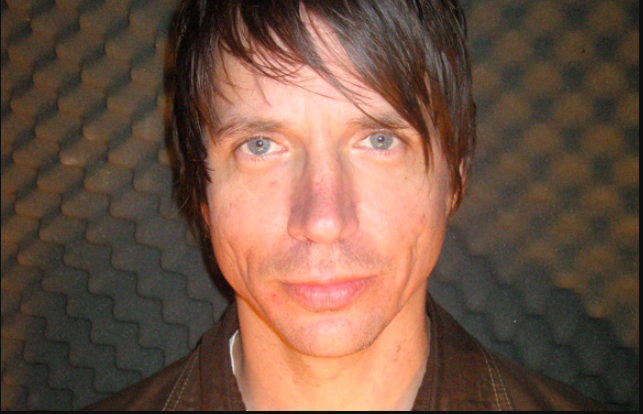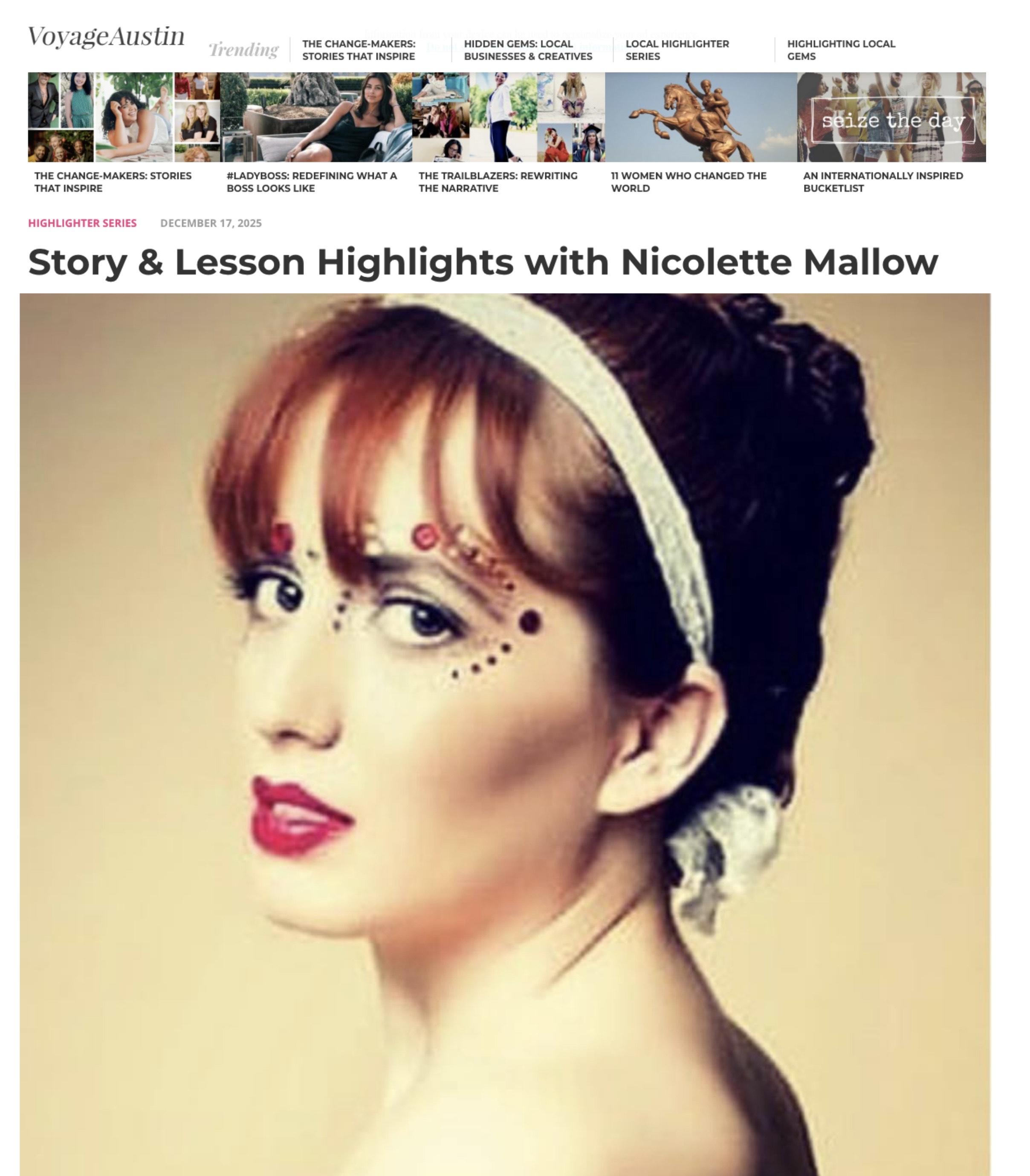
Highlighter Series Interview: Voyage Austin

Note: This interview was published by Voyage Austin in the Highlighter Series of December 2025.

Good morning Nicolette, we’re so happy to have you here with us and we’d love to explore your story and how you think about life and legacy and so much more. So let’s start with a question we often ask: What makes you lose track of time—and find yourself again?

Daydreaming and writing can often compel me to lose track of time, yet simultaneously rediscover myself. Since I was little, daydreaming has been a joy of mine. The same applies to writing: if I begin my mornings with writing and I do not set a timer, I can lose track of time. Someone once advised me to allot time for daydreaming, the same way I plan time for any other habit like exercise, sleep, or meditation. Now, on the one hand, I think this is great advice to help keep me grounded and focused. But I also believe in giving your imagination permission to wander freely, to daydream naturally, without limits or timers. Regardless of how one daydreams, writing is so cathartic and evocative; it’s one of the only times I feel that I can truly be myself without hesitation. Writing it out—whether I share it with a friend, publish it, or keep it in a diary—helps me release everything that I’m bottling inside. The power of writing helped me find my voice, and that allowed me to speak my truth.

Can you briefly introduce yourself and share what makes you or your brand unique?

Yes, my artist bio is a great introduction to my career: Nicolette Mallow is an artist. Her journey began in performing arts and athletics, but her love for writing led to a career! Since college, Nicolette has covered numerous press events as a (dyslexic) writer. Her portfolio reflects a vast array of creative content, and she’s obtained 110+ publications in the US and Europe so far.

Mallow has interviewed an extensive list of diverse talent that inspired her along the way, including Greta Gerwig, Jimmy Chin, Bob Roth, Dr. Travis Stork, Joan Lunden, Jay Roach, and Roc Chen. She’s collaborated with companies and PR teams from Texas Monthly, National Geographic, Prevention Magazine, HBO Films, The Hollywood Reporter, SXSW, The David Lynch Foundation, The University of Texas at Austin, and more. Presently, her portfolio entails 12 national awards or scholarships, including both individual and group projects. Working with press and publicity teams from companies like Sunshine Sachs, Fons PR, Frank PR, and CW3PR — Mallow can liaise with publicists, entrepreneurs, and their brands.

Her career transcends many industries like AI content engineering, jewelry, publishing, sales, customer service, fashion, A&E, fine dining, and tech. But her focus always returns to the arts. Obtaining two degrees from the Savannah College of Art & Design (SCAD), Nicolette has a Master of Arts degree in Arts Administration and a B.F.A. in Writing.

Okay, so here’s a deep one: What breaks the bonds between people—and what restores them?

Lack of trust, lack of boundaries, and lack of communication break the bonds between most people, because it’s hard to respect someone that you don’t trust. And once that trust begins to deteriorate, it’s hard to move forward. We can restore trust by being honest with ourselves and transparent with others. We can restore trust by taking accountability and admitting when we are wrong. Likewise, we can heal broken bonds by opening our hearts to healing. Pride and ego destroy a lot of bonds as well; a lot of people would rather burn bridges than admit they were wrong or accept they’re a flawed human being (like the rest of us). But people often lie to themselves, and that leads me to another quote I love: “Above all, don’t lie to yourself. The man who lies to himself and listens to his own lie comes to a point that he cannot distinguish the truth within him, or around him, and so loses all respect for himself and for others. And having no respect he ceases to love.” —Fyodor Mikhailovich Dostoevsky

What’s something you changed your mind about after failing hard?

In the past, I somehow thought you could plan milestones and goals (success) like a to-do list. Alas, success does not operate on a timeline, and failure taught me patience. Life is not a grocery shopping list that you can check off and complete all at once. Think of it like booking a vacation: you can plan months or a year in advance, but the weather or illness might still cancel the flight and cause delays to your destination. Unlike travel insurance, where you can get your money back, there’s no such thing as insurance when it comes to your time. If life blows up in your pretty little face, there isn’t a number you can call to file a claim and get your time back. So I had to learn patience and adaptability. Failure forced me to learn how to show grace and compassion for myself when things don’t go to plan. Failure taught me that if things don’t work out, it wasn’t the right path for me, and instead of resisting failure, accept it and alter course.

Alright, so if you are open to it, let’s explore some philosophical questions that touch on your values and worldview. What’s a belief you used to hold tightly but now think was naive or wrong?

We have all heard the phrase “love is blind,” but it took a lot of unnecessary heartache for me to believe that true love does not conquer all. I wouldn’t relay any of this to little kids or teenagers, but past the age of college, we should start to embrace the stark reality that chemistry and compatibility are not the same. We can love someone who is all wrong for us, and therefore it’s not a healthy love. In the past, I based a lot of my choices in relationships upon the chemistry I was feeling instead of looking at compatibility and character. We should not only want someone we share chemistry with, because passion and excitement are important. But I didn’t use to consider the bigger, long-term realities: Is this person safe? Is this person kind? Are they trustworthy? Do we share the same values? Can they regulate their emotions when angry? Are they emotionally mature? Do they have a strong work ethic? Are they honest? Do their actions match their words? Do they take care of themselves and have healthy boundaries? Etc… This fanciful, romanticized idea that “true love conquers all,” solely based on the chemical dopamine hits we get from falling in love, is incredibly naive, self-destructive, and foolish. I now seek chemistry and security (instead of simply chasing my passions, because the word “passion” has both negative and positive connotations). The truth is, there’s no such thing as a perfect relationship, and love won’t keep the lights on. Having said this, I’ve never had a relationship that was solely based on security because without passion it’s lifeless and boring like a dial tone. Finding that balance of passion and security is lucrative to your peace! There’s a quote from the movie How to Make an American Quilt that I adore: “Young lovers seek perfection. Old lovers learn the art of sewing shreds together and of seeing beauty in a multiplicity of patches”.

Okay, so before we go, let’s tackle one more area. How do you know when you’re out of your depth?

My body will tell me when I am out of my element, and I’ve pushed my boundaries too far. We all have intuition, but some people are more naturally in tune with their instincts (a skill that we can all learn or enhance). Years ago, I was guilty of ignoring my gut instincts, and I used to rationalize my anxiety or trepidations around a person, place, or thing. Like I just needed to take a deep breath and let it go, or I kept making excuses for other’s bad energy. Even with all the rationalization, the angst in my gut never really went away in certain environments; I simply became masterful at disassociating from it. After learning the hard way one too many times or making myself physically sick from stress—I now know that if my nervous system is lighting up like a pinball machine, it’s not cutesy “butterflies in the stomach,” and it’s not something to be ignored. Because that is my instinct warning me that something is awry, toxic, or dangerous. If something feels wrong in your gut, listen closely and honor your body

https://voyageaustin.com/interview/story-lesson-highlights-with-nicolette-mallow

Photography : Steve DeMent
Make-up/Hair: Summer Edwards
Jewelry Head Piece: Adrian Nichole Amiro
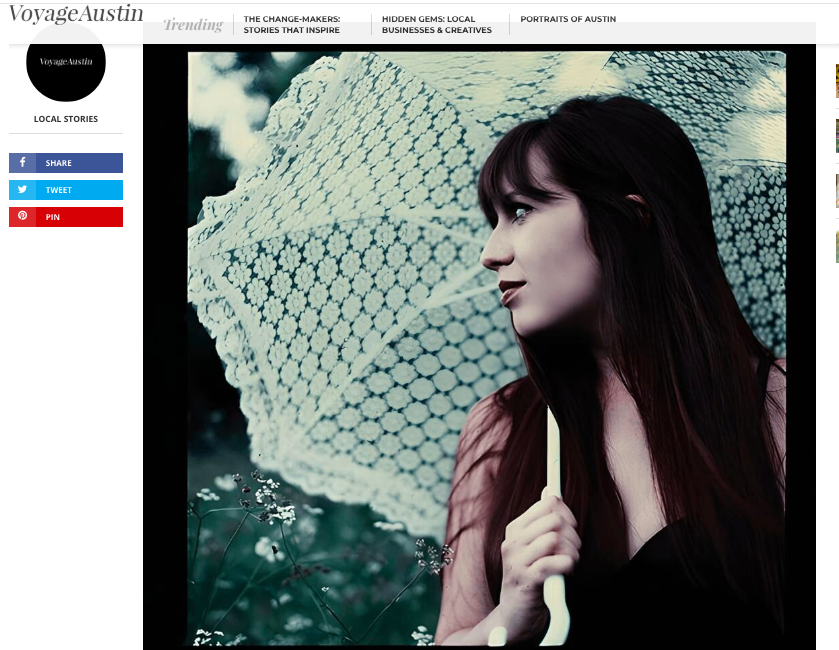
Inspiring Local Stories – Voyage Austin

Note: This interview was published by Voyage Austin in July 2025.

Hi Nicolette, can you start by introducing yourself? We’d love to learn more about how you got to where you are today?

My artistic journey began in performing arts and athletics, but my passion for writing led to a career. Ultimately, I feel that SCAD and Texas Monthly were the foundations of my professional path as a writer. Since those roles as student versus employee, I’ve covered numerous press events as a (dyslexic) writer. Over time, I’ve collaborated with companies and PR teams from National Geographic, Prevention Magazine, HBO Films, The Hollywood Reporter, SXSW, The David Lynch Foundation, The University of Texas at Austin, and more. I’ve also interviewed an extensive list of diverse talent beyond my years, including Greta Gerwig, Jimmy Chin, Bob Roth, Dr. Travis Stork, Joan Lunden, Jay Roach, and Roc Chen. My portfolio reflects a vast array of creative content. I’ve been published in the US and Europe. And my career transcends many industries like jewelry, publishing, sales, travel, customer service, fashion, A&E, fine dining, and tech.

Presently, I work as an AI Content Engineer. But I’ve known I was an artist ever since I was little, so that has always been part of my identity, with or without my career. Art and athletics are two of my greatest loves!

As a kid, I always adored sports and performing arts, and my family could see that joy within me, too. I knew from a young age, even around pre-k, that the arts were my true calling in life. Throughout childhood, I focused on music/vocals, theater arts, dance, swimming, and volleyball. Other hobbies and athletic activities came and went, like soccer, gymnastics, modeling, ballet, piano, church choir, Girl Scouts, tennis, or tumbling. But it was abundantly clear when I lost interest in something that didn’t align with me or felt forced. Looking back, I was fortunate to have a family that encouraged me to explore my interests and sponsored such diverse sports and hobbies! I wish I had stuck with piano, but I wasn’t officially diagnosed with dyslexia until college. Learning to read music the traditional way was giving me headaches and anxiety. The instructors didn’t believe my dyslexia struggles, so I memorized keys and melodies instead, but I couldn’t read music.

Early in my junior year at Lake Travis High School, I applied for the Media and Performing Arts (MPA) program at SCAD (Savannah College of Art & Design) and was accepted that summer. I graduated early from high school in December as an Honor Thespian and went straight to SCAD after winter break. I attended their campus in Savannah, Georgia. Halfway into my sophomore year at SCAD, I switched my degree from MPA to Writing. Secretly, I could not bear another moment of being on stage pretending to be another character. I was so internally conflicted because my life dream was to be an actress, a movie star, but my spirit felt otherwise. So I paused my undergraduate studies and went home for six months. During that break from SCAD, I trained with a Masters Swim Team at St. Stephen’s in Austin, Texas, and worked at a marina, but that’s an entirely different story… Once I returned to Savannah and switched majors, I wrote for the District, an award-winning student newspaper. It was cool watching my grades shift after I changed my focus from theater arts to writing. I went from mediocre grades, mostly B’s, to qualifying for the Dean’s List five quarters in a row. My art was shining in a whole new way! Sometime later, the Georgia College Press Association awarded my co-writer and me second place for Best News Article: Objective Reporting. After that, I became the first SCAD student ever selected to serve as an editorial intern at Savannah Magazine and soon completed my B.F.A. at SCAD.

Following graduation, I left Georgia to begin an internship with the Editorial department at Texas Monthly magazine. While serving as an intern, I was additionally hired as a contract employee to work in their Custom Publishing department for the Texas Tour & Meeting Guide Magazine. I also wrote three stories for the Texas Monthly website, which was special and exciting! That’s how it all launched and how I began my professional journey as a writer.

We all face challenges, but looking back would you describe it as a relatively smooth road?

Overall, no, it’s not been a smooth road. For instance, being a dyslexic writer with colorful grammar is a lifelong struggle. Depending on the time or phase in my life I’ve been interviewed, I share more (or very little) about my personal and professional struggles. However, the journey has been rewarding, humbling, scathing, beautiful, and exhilarating. I am so grateful for all the highlights and the blessings! And I’m proud of myself for chasing my dreams despite all obstacles. But I would like to return to media and performing arts, dance, and music. I’d like to create a podcast. And I’m interested in broadening my skills and getting into radio, TV, sports, and film. Plus, I need to finish my memoirs and a magical realism book. Ergo, I have a lot more work to do!

As you know, we’re big fans of you and your work. For our readers who might not be as familiar what can you tell them about what you do?

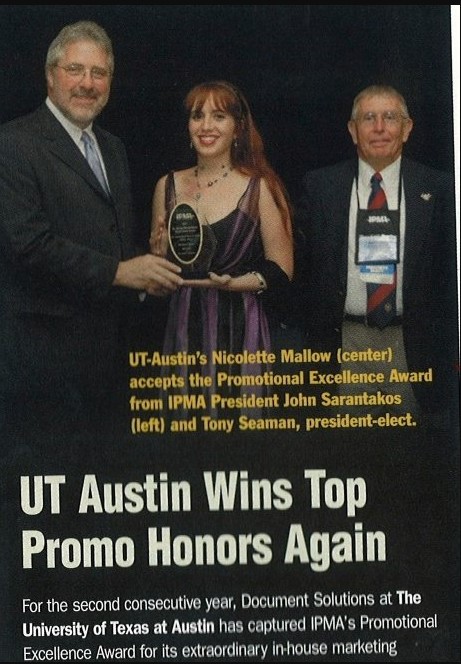
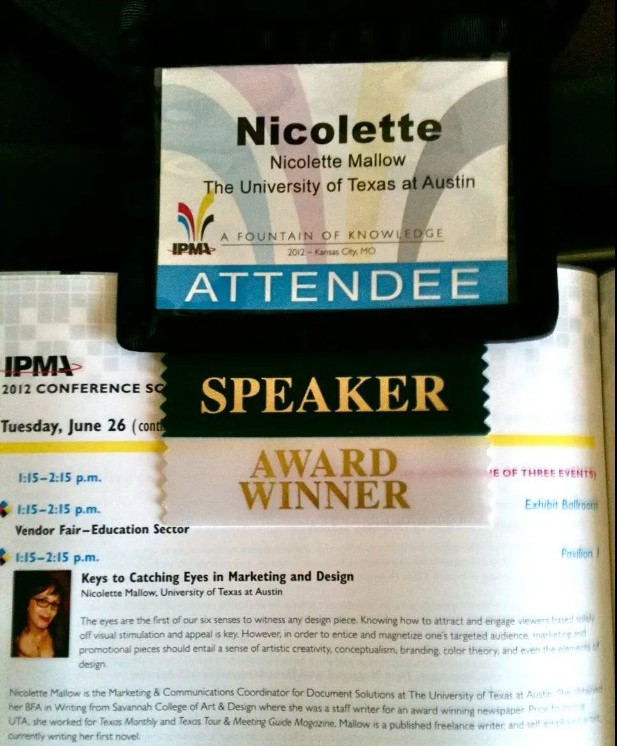
After Texas Monthly, I was hired as the Marketing and Communications Coordinator for the copy, mail, and print department at The University of Texas at Austin. I worked there successfully for a couple of years, and I obtained several awards on behalf of the company. I even landed a public speaking gig at a national conference because of a portfolio I created, winning the IPMA In-House Promotional Excellence Award for the second year in a row! Eventually, I realized that I terribly missed the arts. Copy, mail, and print weren’t my passions, even if I was excelling at them. Sadly, I felt something was missing. I will always be very grateful for my time and the opportunities at UT Austin, but I felt in my heart it was time to rekindle my relationship with the arts. As a result, I went back to grad school to get my Master’s degree. It was tough to decide where to enroll, because I was also accepted to Richmond University in London, England, but I accepted SCAD’s offer. Based on a thesis paper I submitted to SCAD Admissions about Ancient Greece, that paper awarded me academic scholarships to help with tuition. Since I realized that I could not juggle both UT Austin and SCAD— I took a voluntary demotion and resigned from my corporate, salary job with benefits at UT, and I started to work hourly with no benefits in the service industry in order to focus on my studies.

During graduate school, I was not only a student. In that time, I also completed two internships, on top of working at a waterfront country club, as well as freelance writing. In hindsight, I was juggling too much! Grad school was an intense time, even for me. However, when I finally graduated after two years of calamity and controlled chaos—I was relieved and proud of my accomplishment! Yet, I was also confused and astonished that after graduation, I had such difficulty getting back into the corporate world. Suddenly I felt stuck and invisible in the service industry. Although I loved many aspects of the service industry, and I think everyone should work in it at some point, that wasn’t my long-term goal. Or I wouldn’t have enrolled in graduate school.

Suddenly, I wondered if I should’ve played it safe instead of chasing my “silly” passions. I started to doubt my decisions. Growing up, I saw a lot of my elders sacrifice or abandon their dreams for duty, responsibility, and financial security. Since I wasn’t married, and I can’t have kids—I seized my moment and rationalized my decision to pursue my heart over my head. And I’m glad I did! Despite not knowing how difficult it was going to be to return to the corporate world after completing my Master’s degree: I now have zero regrets that I went back to the arts. I learned so much in that tough time, and I came out a stronger, more resilient, emotionally intelligent person from the challenges of starting over. Nevertheless, the truth is that pursuing my artistic desires came with a heavy price because I got stuck in the service industry much longer than I anticipated, and some people enjoyed watching me struggle. However, during this prolonged season of professional exploration, uncertainty, and angst, I never lost sight of my goals. Even if at times I temporarily lost hope or momentum in the future. At the end of the day, I kept looking up, I continued freelance writing, and I focused on my dreams—kind of like a slow-motion personal and professional glow-up.
Any advice for finding a mentor or networking in general?

I recommend gravitating towards people who are smarter, stronger (mentally, emotionally, physically, financially, etc.), and more experienced in skills than you are. Allow others to inspire you to grow, to flourish, and to become an optimal version of yourself. As we grow professionally, it’s important to emotionally mature, too. We need to train our mind and heart to be flexible, powerful, and resilient, the same way we train our body. I have learned so much from interviewing talent beyond my years and observing the masters of their craft! Reading is another powerful learning tool.

Keep your eyes open and trust your gut to find the right, healthy people who want to be a mentor or guiding light to you, and be willing to ask them questions. Mentors may come and go like seasons, but their valuable insight or impressions last a lifetime. Also, it’s lucrative to remain open-minded to listening and learning from people that think, act, and feel differently from us. Even if the lessons they teach us are what not to do. We still learned something valuable.

Be willing to put yourself out there and face rejection or criticism. Remember that mistakes are opportunities to improve. And be kind to yourself, especially when you fail.

https://voyageaustin.com/interview/conversations-with-nicolette-mallow

NY Weekly Magazine

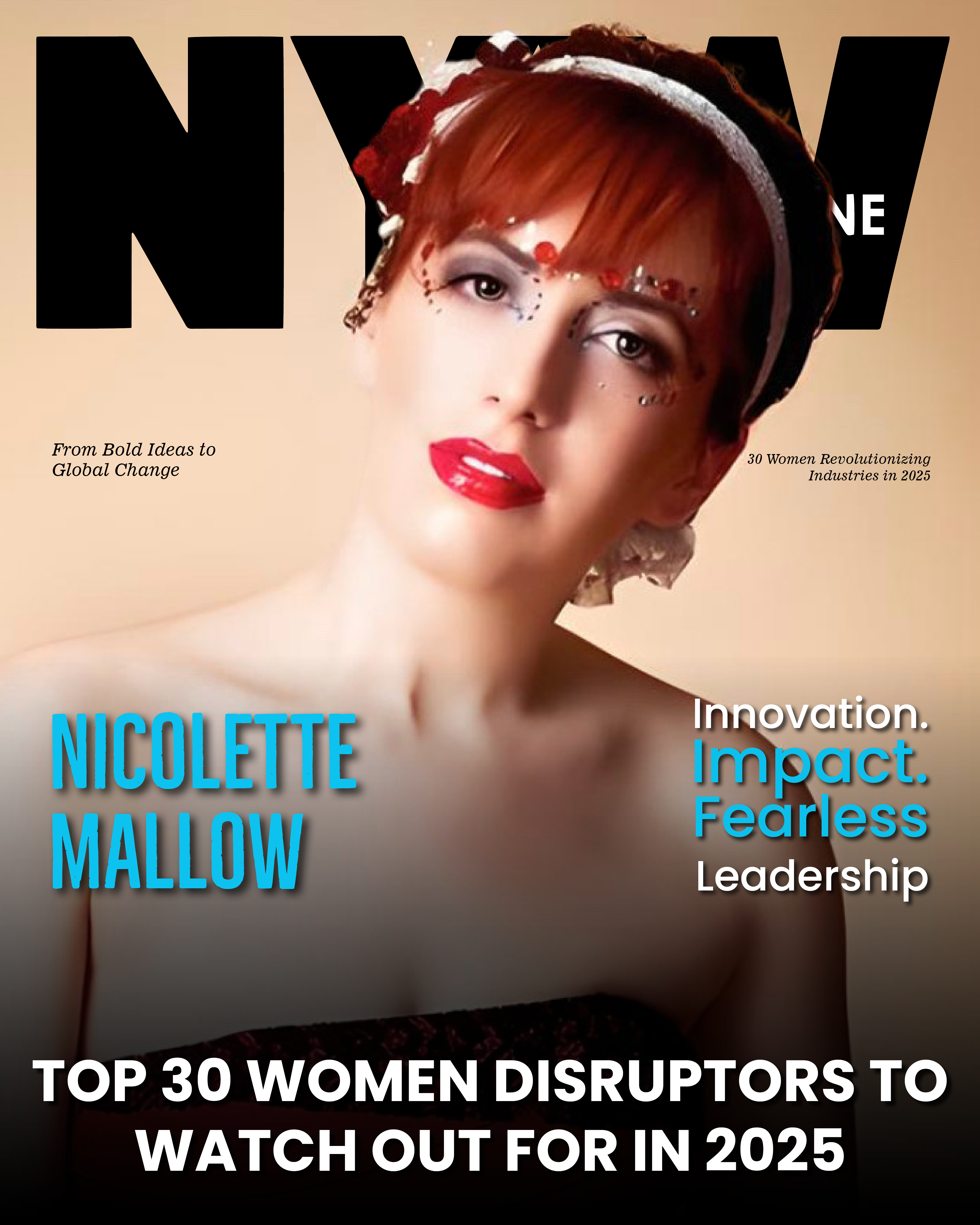
An editorial published by NY Weekly Magazine went live in March. I’m grateful to be featured in their “Top 30 Women Disruptors to Watch Out for in 2025” issue. Out of several headshots, the editor and publicist chose that one.

“Final Thoughts: The women on this list prove that real change happens when you dare to do things differently. They are solving problems, inspiring others, and opening doors for the next generation. Their stories remind us that disruption is not about breaking things, it’s about building something better. As they continue to shake things up, one thing is certain: the world is paying attention”.

Photography by Steve DeMent

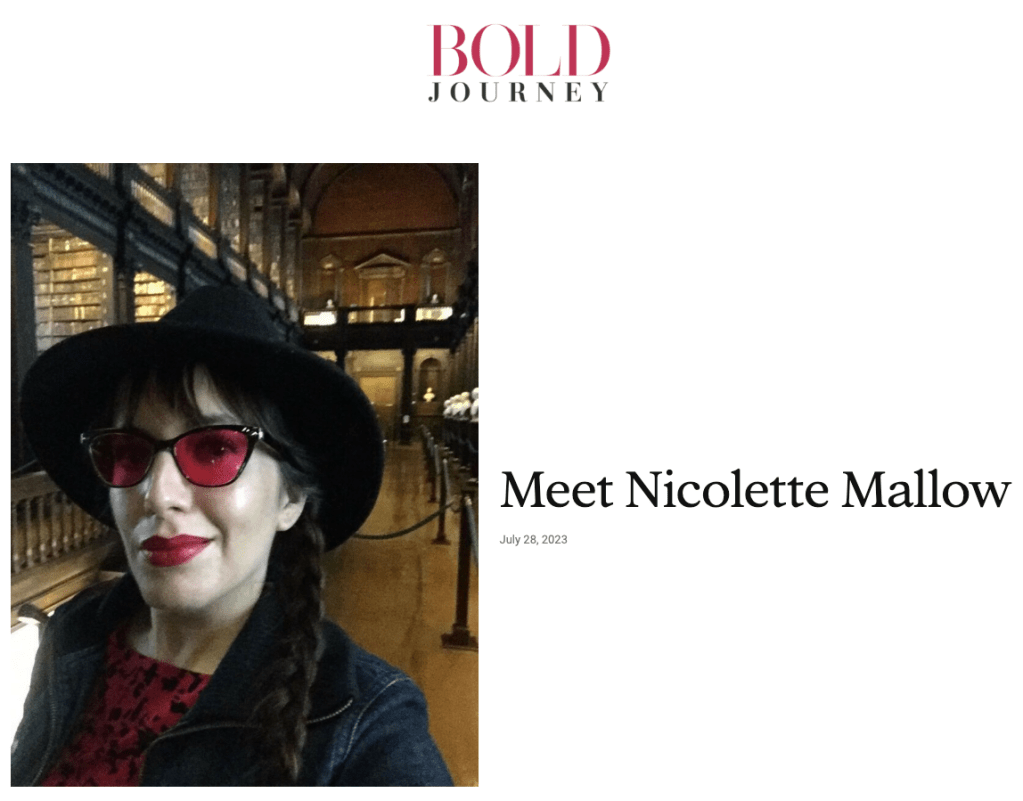
Bold Journey Interview

Alright – so today we’ve got the honor of introducing you to Nicolette Mallow. We think you’ll enjoy our conversation:

Nicolette, we’re thrilled to have you sharing your thoughts and lessons with our community. So, for folks who are at a stage in their life or career where they are trying to be more resilient, can you share where you get your resilience from?

From a very young age, I was fortunate to know my life purpose: to be an artist. However, that is not always a secure or stable journey. Even in high school, when I told people I was enrolled at Savannah College of Art & Design (SCAD) for my undergraduate—many adults looked at me like, “Oh, that’s cute, but what are you going to do for a real job after graduation?” These remarks were constant, and it felt condescending, hurtful, and often ominous, like, “You’re just a foolish kid chasing a childish dream, and it’s only a matter of time until you fail and join the real world”… True, the arts do not always pay well. You must be open-minded to accepting jobs outside of the arts. (I discussed some of this in my first interview with Voyage Austin and my second in your Canvas Rebel series.) But I pursued my dream and didn’t let others take that vision away from me.

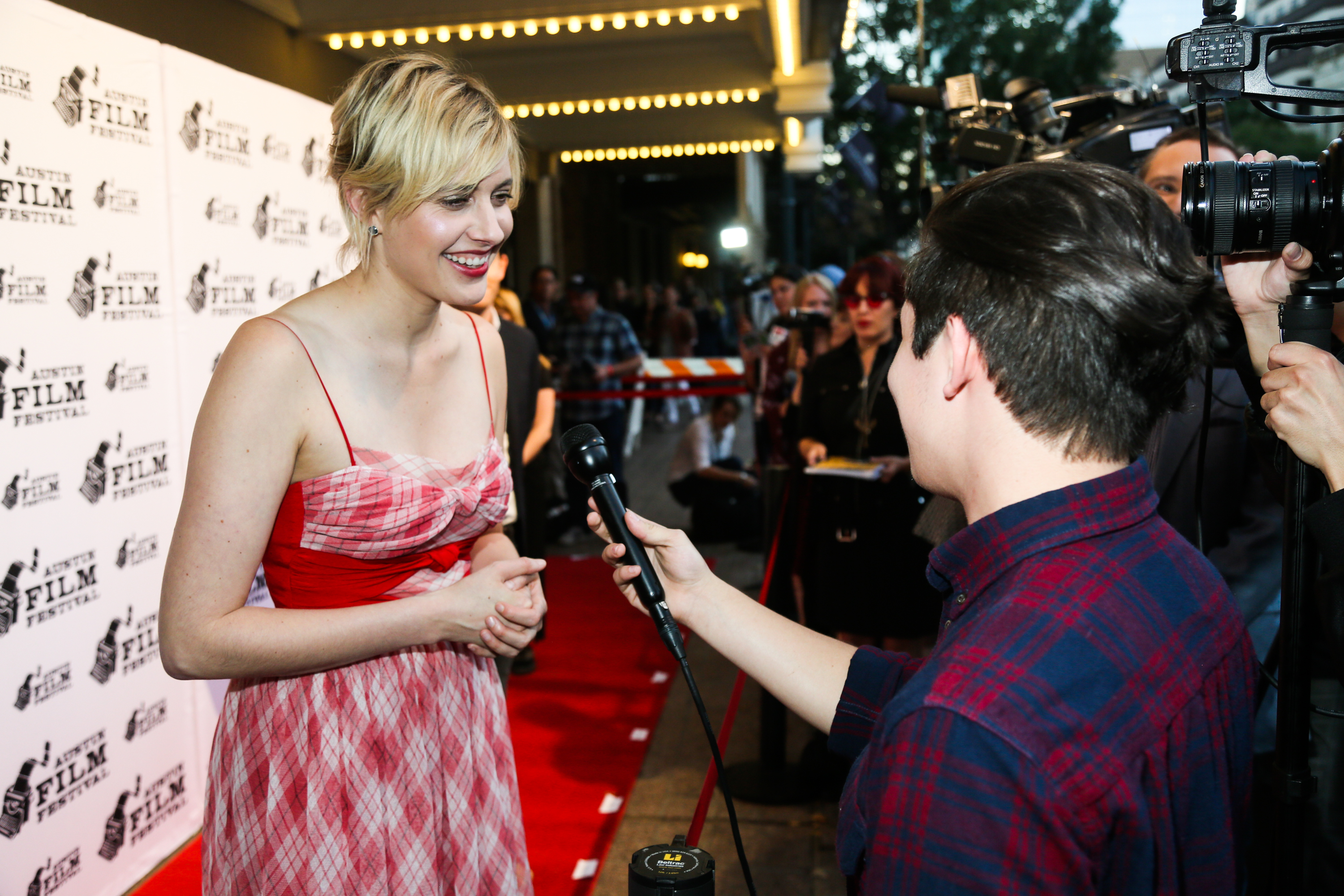
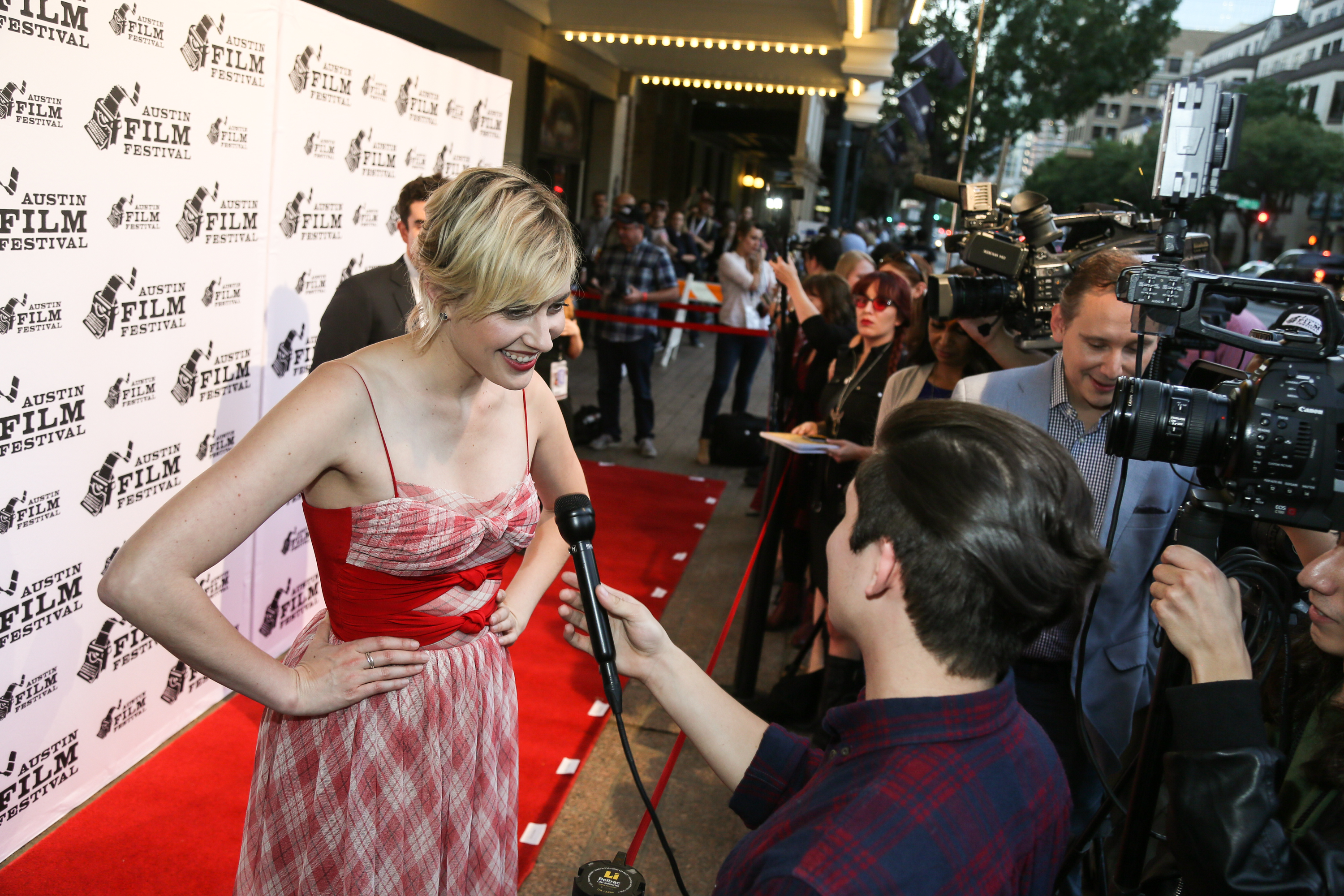
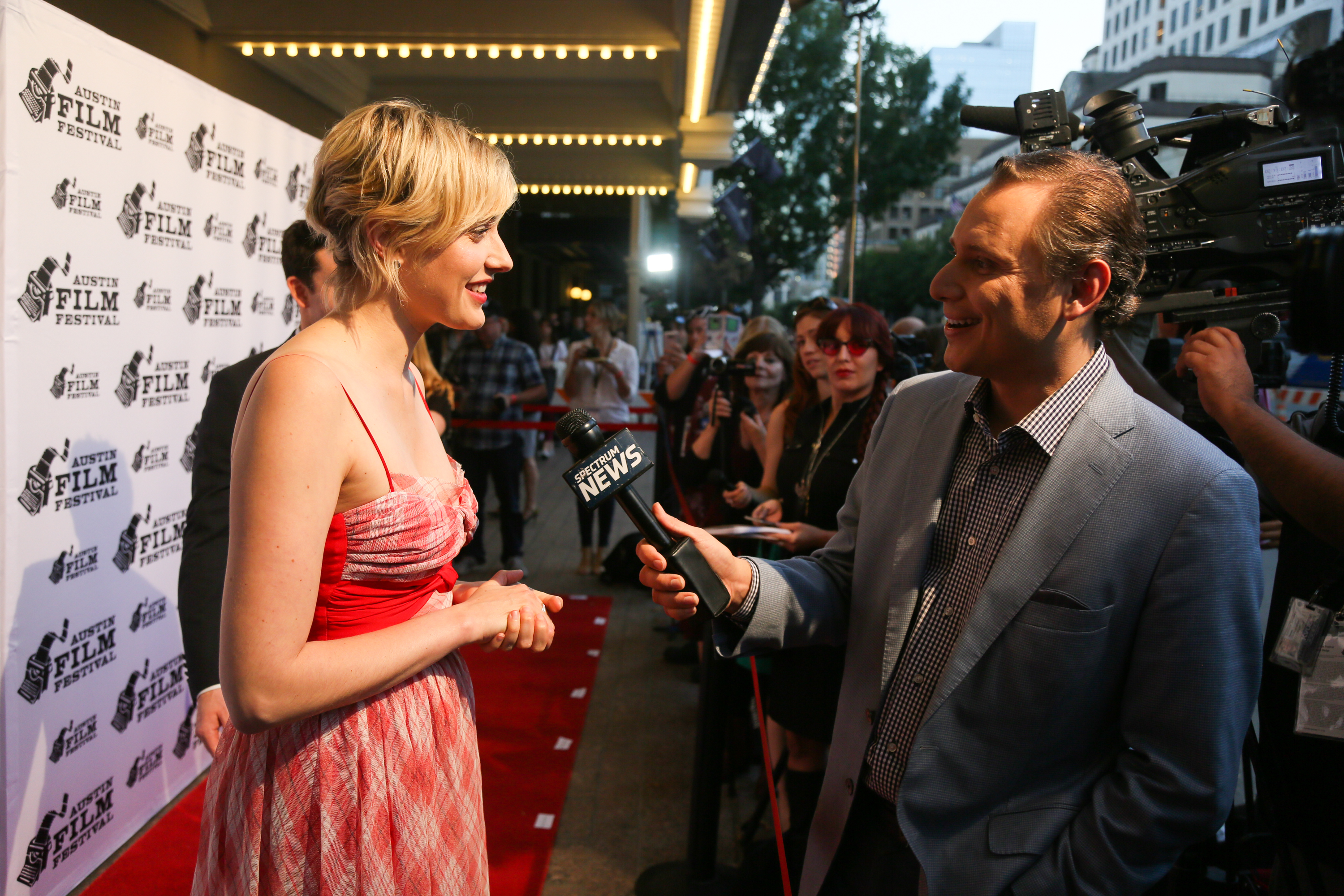
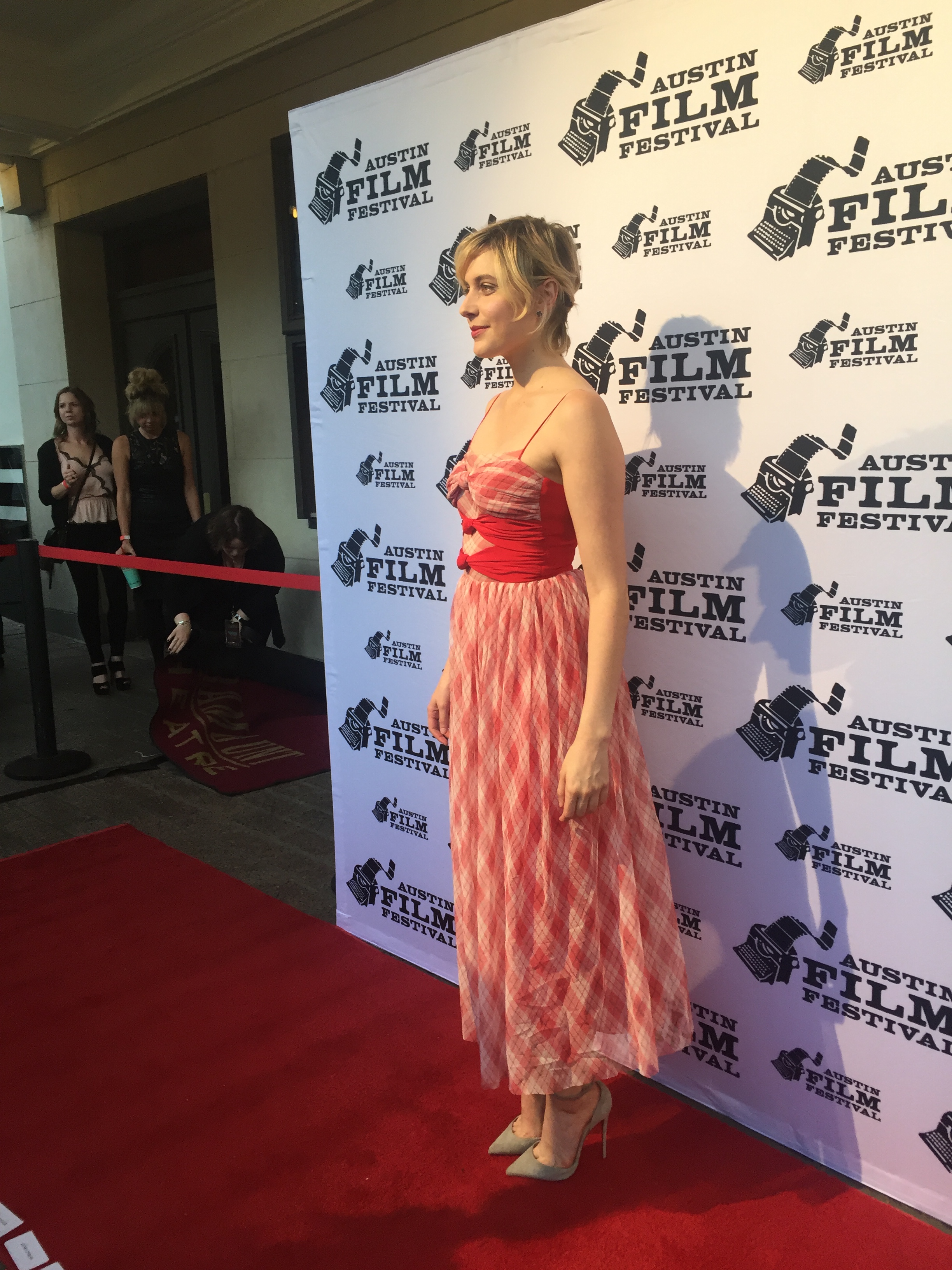
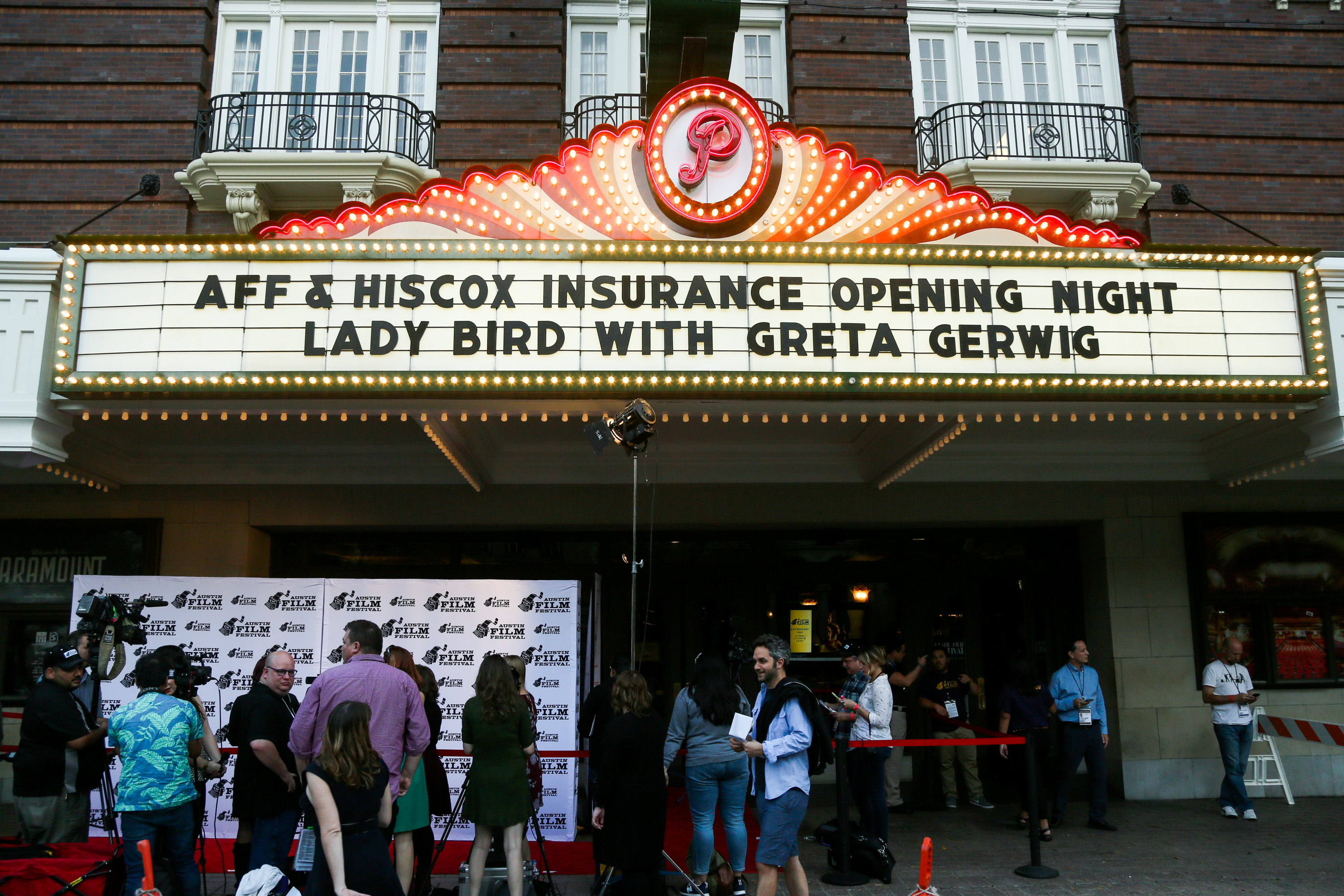
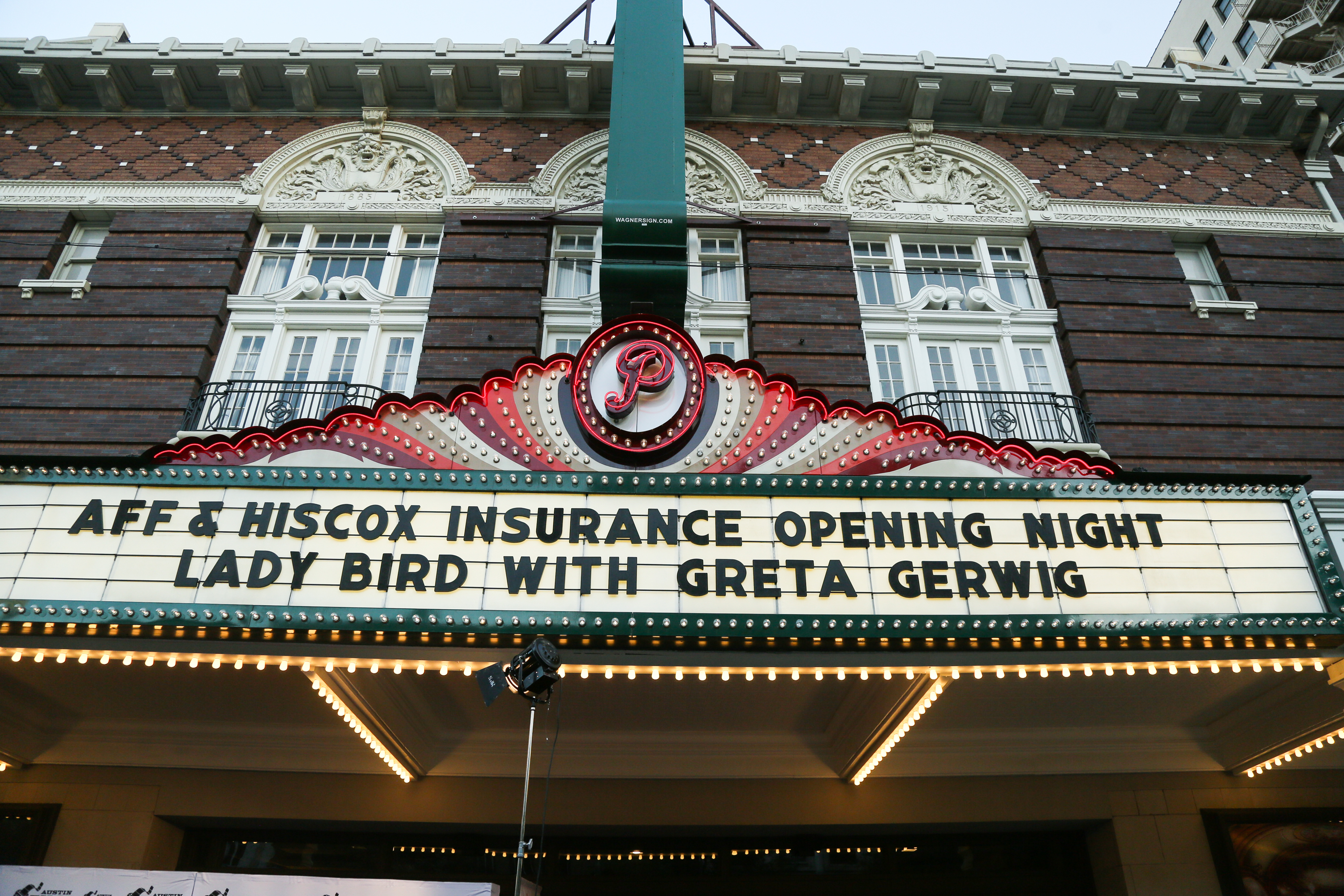
Do not let other people steal your light or your love for life. I’ve explored many other forms of employment to support myself financially. Regardless, I’m a published writer with over 110+ publications in the United States and Europe (including 12 national awards/scholarships based on individual or group projects). I’ve had the privilege of working with companies and media outlets, including The Hollywood Reporter, HBO Films, SXSW, Prevention Magazine, National Geographic, Texas Monthly, and more. So clearly, these naysayers weren’t totally correct. Admittingly, I wasn’t prepared for how arduous the journey would be, but I didn’t give up on my dream. Even if I sometimes felt lost at sea and as if the arts were drowning me rather than smooth sailing to exotic beaches. I remember this particular awards event many years ago, interviewing Hollywood talent as a member of the Press. Standing there waiting my turn to ask questions on the red carpet: I felt so unseen, undervalued, and disrespected by the Hollywood talent I was interviewing–I almost wanted to quit red carpet events for good. I was tired of working hard to help other famous people shine while being invisible and unappreciated. And for a while, I took a break. I only worked on my personal portfolio instead. Then I returned with an even better press gig, and I got to interview Greta Gerwig on the red carpet for the debut of her film “Lady Bird” at the Austin Film Festival. So, if you get burnt out, take a break. I personally love to seek out the water when I need to heal or decompress, which is why I recently explored San Diego, La Jolla, Del Mar, and more. It’s healthy to relax and give yourself recovery time. It’s O.K. to set boundaries and know your worth. Even if you’re an underground writer/performing artist – and nobody in Hollywood knows or cares about me – we all deserve to be treated with kindness and respect!1F14E3

Resilience is crucial to survive in the arts. As a published writer, the amount of rejections I’ve received compared to publications is startling! You must develop a tough exterior, like python snakeskin, in order to continue thriving in publishing or entertainment. I have vulnerabilities like any human, but I am resilient, fierce, and empowered. For instance, editors and critics are going to tear some of your writing projects to pieces—or simply ignore you altogether because the project wasn’t deemed worthy of their time – and you’ll need to be tough to learn from these experiences without letting them break your spirit. Ask for feedback if you’re ghosted. Ask the uncomfortable questions about why you weren’t selected or rejected – so you can work and excel at your craft to improve for the future. Accept that everyone won’t appreciate your artwork. It’s O.K. to be different. Find your tribe! But above all, stay loyal to you.

Appreciate the insights and wisdom. Before we dig deeper and ask you about the skills that matter and more, maybe you can tell our readers about yourself?

In my previous two interviews with Voyage Austin and Canvas Rebel, I delved deeply into my artistic background, story, and purpose. It would be repetitive to rehash all that once more, but those links are still live, and my Artist Bio on my website is a great reference point.

However, I am creating a digital space for my music and dancing and to feature my publications, other than my website. My business website is strictly publications and editorial. I am in the process of launching a social media page that is more expansive and showcases all my artistic talents beyond the workplace. I’m also really anxious to partake in podcasts! That’s all I wish to say until I bring a few more loose ends together.

Looking back, what do you think were the three qualities, skills, or areas of knowledge that were most impactful in your journey? What advice do you have for folks who are early in their journey in terms of how they can best develop or improve on these?

Self-confidence/self-love. Speaking my truth. Thriving after disappointment/ failures.

Self-confidence and self-love go hand-in-hand. Loving others is part of self-love, so the more (love) we give out, the more (love) we get in return. I know many people from all walks of life, not just artists, who possess gigantic (fragile), grandiose egos. Yet they do not truly love themselves. They just put up a good front to the world, like wearing a theatrical mask and being nice to people in public but hiding a dark persona behind closed doors.

Loving yourself isn’t the same as holding high regard for your talents, vanity, or God-given abilities. Self-love comes from within, not from awards, accolades, popularity, beauty, money and achievements. Finding that healthy balance of confidence and humility is challenging to master. On the other side of that coin toss lies fear (insecurity) and arrogance, which aren’t constructive to optimal success. Sometimes, we must learn to swallow our pride/ego and think beyond ourselves. Other times, we must use our voices to speak the truth and fight for what we believe in! Balance is an obstacle I’m still learning, like a dancer staying grounded at all times or else you’ll fall down.

Beware of never making yourself smaller or minimizing your light/skills/talents in order to suit others’ comfort levels; it’s another form of self-betrayal that will steal joy and distort your truth. Stand in your truth! Know that not everyone will like you, nor will they support you. You must accept that some people will desire to see you fail, some won’t be your advocate, and you do not want those people in your corner. Some people won’t have your back, even if they love you, whether it’s an employer, family member, friend, or lover. Because they don’t love themselves… Be your own number-one cheerleader! Quit waiting for someone to come to your rescue – quit seeking the approval of others – be the champion of your dreams! Move at your own pace. Find the people that love and support you. But most of all, be sure that you love yourself. Cliché but true because, in life, we don’t always like ourselves, but do you love yourself?

Lastly, do not be afraid to ask for help if you are struggling, whatever it may be. Keeping that burden a secret will eat you alive from the inside out. True, many employers will not hire people with disabilities or ailments. Even though it’s illegal, they lie and save face by advertising it’s a safe work environment, even when it’s not. Safeguard your private information until you can trust someone, do not overshare because manipulative people use that personal intel like ammunition to destroy you. But also make sure to have a support system where you can speak your truth! There is no shame in asking for help. Even kings/queens had people at their side to support their empires. We cannot do it all on our own. There are good, humane employers out there that are more concerned with your work ethic, work experience, and proven ability to excel – as opposed to whether or not you’re “perfect” outside work in your personal life. We all have a work persona and a personal life – don’t be fooled – everyone is facing their own inner demons, so don’t be afraid to be human. You are not a machine. Emotions are not a sign of weakness. I know athletes that are physical powerhouses but are so messed up in the head & the heart. Being healthy and whole – mind, body, and soul – is demanding, and if it were easy. We would all be healthy. Ergo, don’t be afraid to showcase the fact you’re imperfect. It doesn’t make you a failure. It means you’re human. People can relate to someone with an open, loving heart.

Is there a particular challenge you are currently facing?

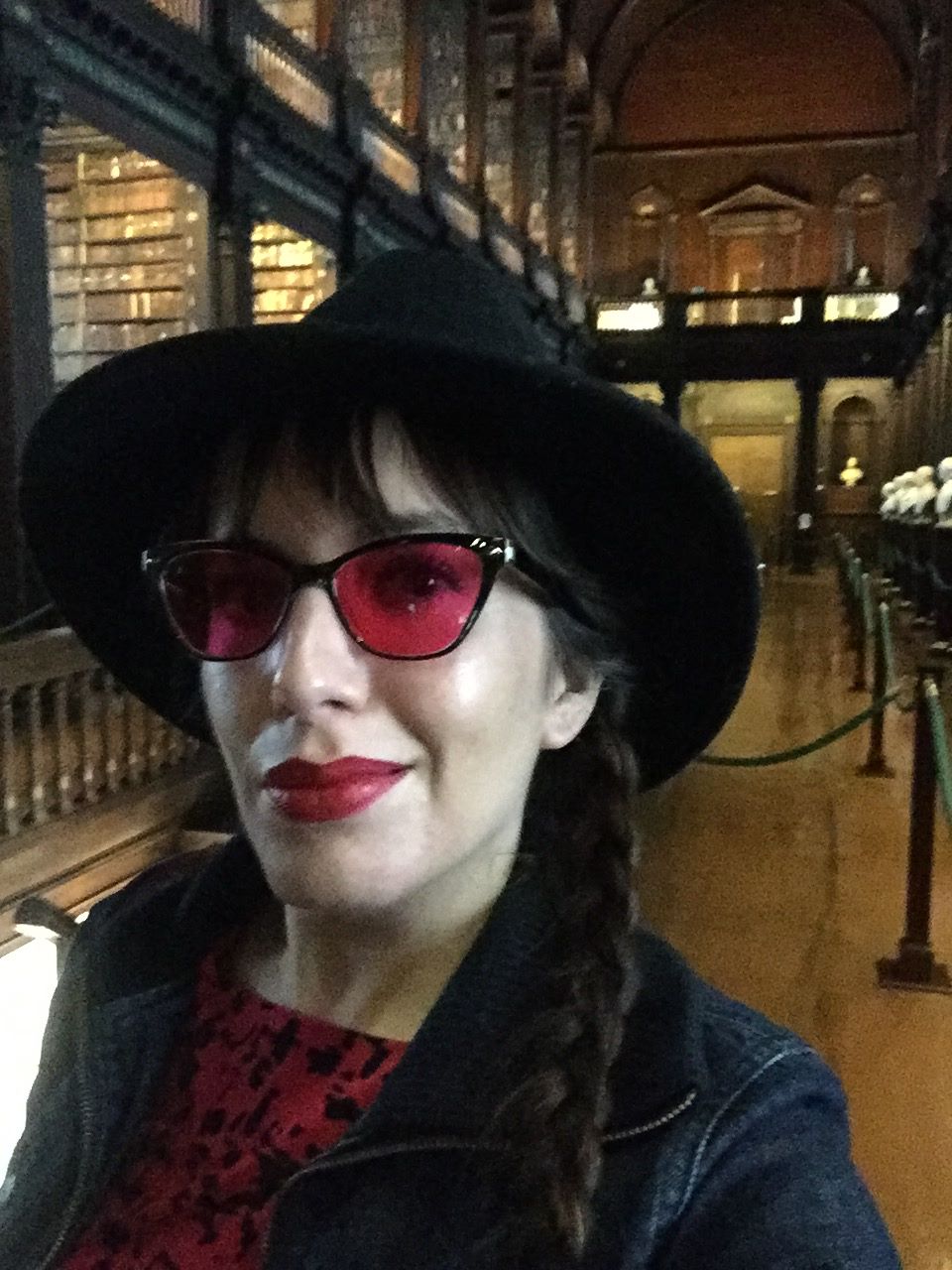
Out of all these closing questions – the number one obstacle or challenge I’m facing in my present life: People often see you how they want to see you, based on their beliefs, experiences, or life perspectives (often programmed from their childhood). You cannot control this false narrative, even if it’s inaccurate. Seeing ourselves through other people’s harmful, critical eyes can be scathing and disheartening. Often, as a woman, people will not take your intellect seriously if you also partake in modeling, the arts, music, etc. People often see me and make snap judgments from afar, like my rose-colored glasses, my love of Hello Kitty, my dyslexia (grammar errors), and my tender heart for animals, and think they have me all figured out. To many outsiders, I’m just a silly, daft airhead with s*x appeal who dreams of being talented and only obtained her success through luck or privileges. But I know I’m very smart and gifted, despite being dyslexic and having colorful grammar. I worked hard for my artistic achievements because I had zero connections to the publishing world. Regardless, I’m most empowered by my inner emotional/spiritual tenacity and all the things I’ve overcome behind the curtains when no one was watching. I grew up with mostly all males and generations of family in the military, which toughened me up from the get-go. I was sent to etiquette school for three semesters as a child, only so I would embrace my femininity. At heart, I’m a wild tomboy that can hold her ground and speak her mind: I just like wearing the costume of a fashionista, girlie-girl.

Shakespeare is not my favorite writer, even if a brilliant one. Still, it’s good to remind ourselves when it feels as if society wants to demonize you, falsely portray who you are, or change your identity to suit their conformity: “To thine own self be true.”

To view the original interview please visit: https://boldjourney.com/news/meet-nicolette-mallow/.

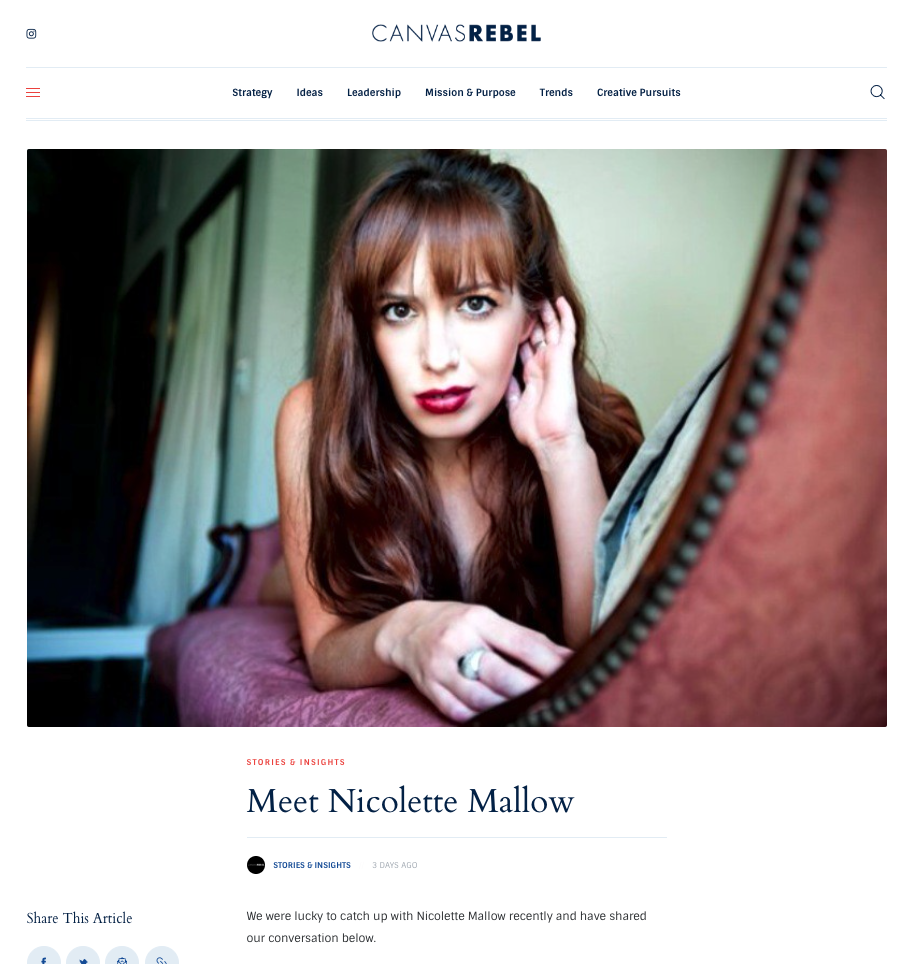
Canvas Rebel Interview

Before the end of summer, I received a letter from the editorial team at CanvasRebel to interview me a second time for their zine. “Their mission is to create a space for artists, creatives, and entrepreneurs to be able to learn from their peers through the magic and power of storytelling. The CanvasRebel series was designed to go beyond the personal story covered last time and to highlight more attention to the artists and creatives in the community.” In 2021, their team contacted me for an interview featured in VoyageAustin. So I was delighted to partake in another interview and hope you all enjoy the read!


Alright, Nicolette thanks for taking the time to share your stories and insights with us today. Are you happier as a creative? Do you sometimes think about what it would be like to just have a regular job? Can you talk to us about how you think through these emotions?

Yes, I’m happy to be an artist. Do I wish the path were (financially) easier for artists? Yes, of course. I’m an underground artist. Not a celebrity or an icon. Outside corporate, state, publishing, or PR gigs– I’ve worked many “regular” jobs for income: a hotel, a jewelry store, a country club, bars, restaurants, fine dining, cafes, and the list goes on and on. So yeah, I’ve wished that the road was shorter and more manageable for most artists to make a living based on their creative talents. I wish it were easier for artists to thrive in the corporate world and enjoy the same financial security as someone in tech or sales. Some people get lucky with connections or Fate–but most of us have to struggle along the way and work harder to achieve financial goals. Most artists have to invest a lot of time in a series of successes, setbacks and mistakes. And the struggle or the wait isn’t always fun; it can be scary and discouraging. But in the end, hard work always pays off through the ups and downs. So long as you keep going, even when you fail. And learn from each mistake. It’s O.K. to get jaded, but don’t give up. Focus on the positive and rekindle the spark, the light, the drive, and the passion to carry on.

Emotionally, I feel blessed and fulfilled with diverse artistic talents. Thankfully, I discovered my purpose in life early on. The arts help(ed) me express my voice and identity, which gave me self-confidence and self-empowerment. Art is transcendental and can heal us, give us a safe place to display emotions and create magic in what can be a melancholy world. I would be too repressed and lost without writing, singing, and dancing to my love of music. Without art, without the freedom of imagination or daydreaming, I would be a tormented spirit. Therefore, art is essential to me, like sleep, water, nutrients, fitness, money and oxygen.

Nicolette, love having you share your insights with us. Before we ask you more questions, maybe you can take a moment to introduce yourself to our readers who might have missed our earlier conversations?

My professional writing career began in 2005 at Savannah College of Art & Design (SCAD). I joined the District, an award-winning student newspaper, and started to get published in my undergraduate program. The Georgia College Press Association Conference awarded an article I wrote for District newspaper 2nd place for Best News Article – Objective Reporting. I was also the first SCAD student ever selected to serve as an Editorial Intern at Savannah Magazine. After graduation, I left Georgia to begin an internship with the Editorial department at Texas Monthly magazine in ATX. Then I was hired as a contract employee to work in their Custom Publishing department for the Texas Tour & Meeting Guide Magazine. I wrote three stories for the Texas Monthly website, which was exciting!

SCAD and Texas Monthly are the launchpads of my professional journey as a writer. First, however, I began my artistic journey in performing arts, tracing back to pre-k to college. Born and raised in Texas and NYC—I’m an artist: writer, dancer, vocalist, thespian & (amateur) photographer. I’ve done a little modeling, too, and was accepted by Barbizon Modeling in the 1990s but declined their offer. As a little girl, I was fortunate to be exposed to a colorful variety of music, artwork, and cultures. A third-generation American, I’m a Latina, Lebanese girl that has always adored theatre arts, dance and music. So, it began with theatre, music/voice classes, choir, and endless dance lessons, year after year. I tried the piano, too, but enjoyed singing and dancing far more than sitting still in one place. Although, I wish I had mastered at least one instrument. Initially, I was accepted to SCAD to study Performing Arts. Halfway through my sophomore year, I switched my major to Writing. I went from a mediocre GPA to qualifying for the Dean’s List five quarters in a row. It showed on paper how much I loved writing! Which was interesting since I am dyslexic.

Internationally published in the United States and Europe, I’ve obtained 110+ publications thus far. For 17 years, I’ve interviewed an extensive list of talent and collaborated with companies, directors, and PR teams from The Hollywood Reporter, National Geographic Channel, Prevention Magazine, HBO Films, SXSW, The David Lynch Foundation, Cine Las Americas, The University of Texas at Austin and more. Presently, my portfolio entails 12 national awards or scholarships, including both individual and group projects. Obtaining two degrees from the Savannah College of Art & Design (SCAD), I earned a Master of Arts degree in Arts Administration & a B.F.A. in Writing.

But yeah, I’ve loved performing arts and playing sports for as long as I can remember. As a kid, I was always torn between the arts and athletics.  I would bounce back and forth between my two greatest loves. I played many sports, but swimming, volleyball, and dance were my favorites! My first swim team in Kindergarten was the Shavano Sharks, then West Austin Athletics, until my Master’s swim team in college at St. Stephen’s. When I finally had to choose in college, I chose the arts. A decision I do not regret; alas, it was one of the most challenging choices of my young adult life. I am still an athlete—that energy in my heart will never die. But art heals me and gives me a purpose in a way sports cannot. However, dance is a sport, too, not just a form of art. As an adult, I took belly dancing classes with Stacey Lizette and still love to dance with my finger cymbals!

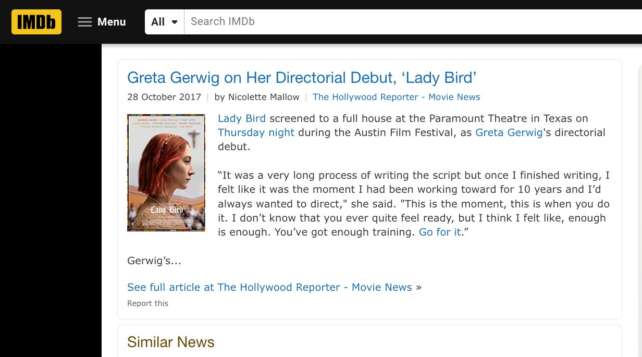
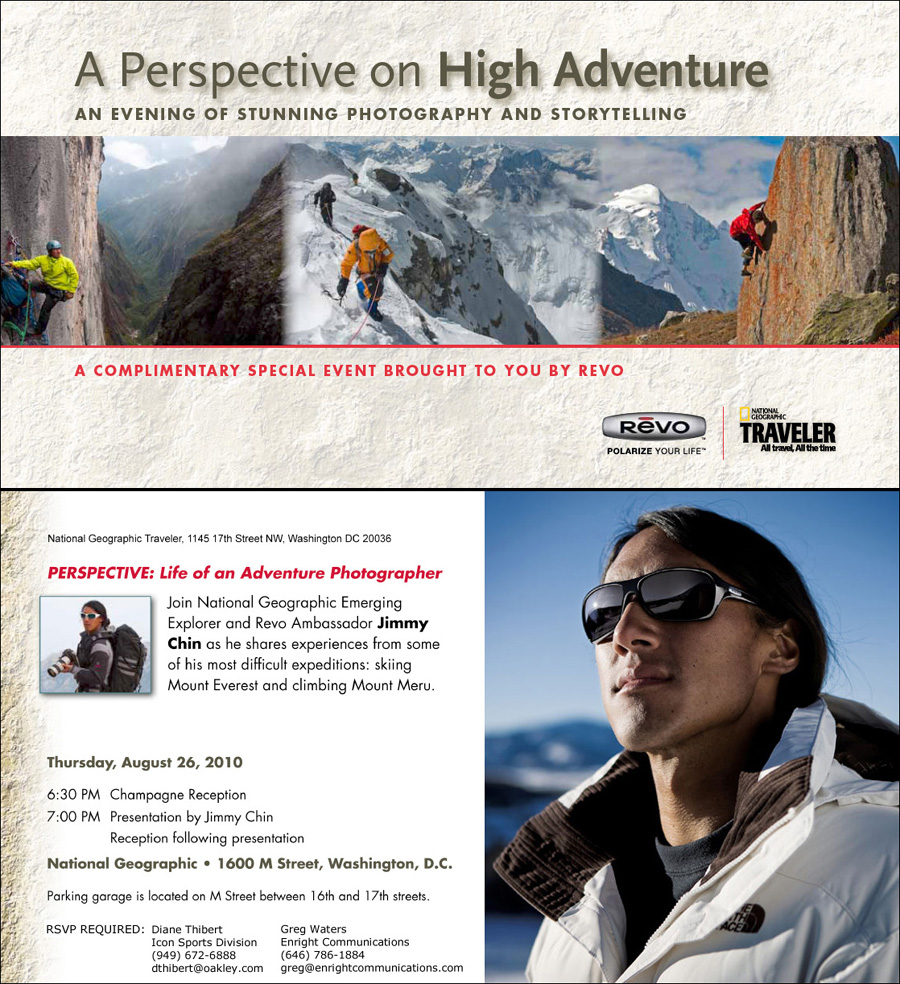
It’s been a wild adventure since I devoted my heart to the arts. One of the most incredible moments of my career was in 2010 when my editors at WideWorld Magazine in London, UK, commissioned me to interview a photographer for National Geographic and a sponsored athlete for The North Face, Jimmy Chin. They flew me to Washington, DC, where I interviewed Chin before attending a banquet at National Geographic headquarters in his honor. In 2019, he won an Oscar for his Documentary, “Free Solo.” It’s amazing! This interview made me internationally published in the US and Europe, a massive step in my career. Plus, I’ve adored Nat Geo since childhood, and this was a dream come true. Mr. Chin was also very kind to me, and I remember that kindness because I was so new to the game and trying not to look or sound like a rookie. Another great day was when I got to interview Greta Gerwig on the red carpet at the Austin Film Festival about her “Lady Bird” film debut. The story was published in The Hollywood Reporter and IMDb.com. I could keep going with happy memories from freelance writing!

In hindsight, my career is diverse and transcends many industries, but the end goal is the arts. Customer service and communications are another big focus in my career as I’ve worked for companies like Nordstrom, Hotel Van Zandt (Kimpton/IHG) and Kendra Scott. I love to transcend industries and learn new skills like event planning, sales, marketing, design, and promotional publicity. I’m a great assistant, too, as I’m very organized and efficient. Alas, some companies see my desire for knowledge and change as flighty, like a butterfly, but I choose to see it: I’m adaptable to environments. I’m intelligent and skilled. And I bring excellence, kindness, and intellect to anything I set my mind to.

Lastly, I enjoy all forms of writing, but my favorite writing genres to create entail arts & entertainment, literary journalism, travel, magical realism, and nonfiction. I’m eager to rekindle my spot on stage or behind the camera! Lately, I’ve been recording music. But I have a lot of goals to achieve in the next ten years, personally and professionally. I’ve been doodling costume ideas for my voice and dance routines. Due to the pandemic and personal reasons, I’ve been quiet for the last few years, and I’m ready for some noise and to meet some new creative talent. It took me a long time to realize that it’s OK to be an introverted writer and an extroverted performing artist.

What’s a lesson you had to unlearn and what’s the backstory?

A good writer can have dyslexia. Unfortunately, there is a stigma: all dyslexic writers are destined to fail due to bad grammar and the inability to read or spell. This is a false narrative I had to rebuke. It took time and still does, considering most of society holds misguided views about dyslexia. And dyslexia doesn’t go away. Thus, my dubious and faulty grammar will follow me all my life. I wrote a story about it called “Dare to Dream with Dyslexia.”

A dyslexic writer is an oxymoron for most. Dyslexia is often associated with incompetence. It took many years, tears, and accolades to believe that I’m a writer. When it came to my writing, my confidence was intermittent and inconsistent for years. One day I felt good and knowledgeable. Another day I felt lousy, often depending on the company I kept. People can enjoy talking over me and correcting my grammar, even when they understand me. Finally, after living with dyslexia my whole life, I sought an Educational Diagnostician for an official diagnosis. I fall into the category of 2E dyslexia, which stands for twice-exceptional. According to the International Dyslexia Association, “Twice-exceptional or 2e is a term used to describe students who are both intellectually gifted (as determined by an accepted standardized assessment) and learning disabled, including students with dyslexia.” Statistics estimate that about 2-5% of the population has this form of dyslexia, maybe higher.

It’s funny because I taught myself the alphabet and how to read when I was three. With the use of Hooked on Phonics and the guidance of my parents: I was fully literate before elementary school. By the time I turned four, I was reading chapter books on my own. I asked my parents to go to the library for fun. The catchy slogan, “Hooked on Phonics worked for me!” is true. So, how can society deem someone like me as lacking intelligence when I taught myself how to read at the age of three? And yet, they do question my abilities. C’est la vie!

Flash forward to adulthood, a story I addressed in detail within my previous VoyageAustin interview. After years of success, suddenly, no company would tell me why I wasn’t selected for writing or editorial work. Each time I came in silver or bronze, I kept asking about each rejection so that I could work on the issue. But I kept getting ghosted, or sent an insincere PR note without explanation. All that time, writing samples I’d submitted to prospective employers for free—writings that took hours, days, or weeks to complete—and the editors or hiring managers didn’t even reply as to why I wasn’t hired—only a generic rejection letter.

I asked myself: Does that seem right to you, Mallow? Do you want to work for a company that asks for free work without the respect of a critique or an honest rejection? The answer is a bonafide, no. Finally, last summer, a hiring manager from a book publishing company told the recruiter to inform me. I was not selected because I made too many grammar errors for hire. Sadly, I’ve heard these words since the seventh grade: your grammar is lacking. Ain’t nothing new. I’m aware that people love to hate on my grammar. I simply didn’t know how to fix it. No one knew I was dyslexic, even me, till my AP English teacher in 11th grade. Until then, I was able to fool the system and myself into believing that I knew grammar.

Last summer, when I read the email from the recruiter about my grammar or lack thereof. For the first time during the interview process, especially since I had nothing to lose, I confessed my secret: I am dyslexic. To much surprise, the recruiter told me that dyslexia is a superpower and nothing to be ashamed of. She advised me to check out Grammarly, which I now pay for and utilize. The recruiter also advised me to be forthright with employers about dyslexia. In private, I cried because I was heard, seen, and acknowledged. And I thanked her for the kindness and professionalism. They asked if I wanted special accommodations, but I declined.

Ultimately, I’m grateful because now I can use Grammarly and overcome these challenges. Finally, I found some peace of mind and ease with Grammarly. Yes, the truth hurts to read. I’ve heard it for far too long. It’s disheartening that my grammar can overshadow my accolades. And it makes me sad for younger generations, the children, because what kind of message does that send out? “Kids, you can be anything you want to be, so long as you don’t have a learning disability.”

Fact: A good writer can have dyslexia. Unlike grammar, a heart and a voice cannot be taught in schools.

How can we best help foster a strong, supportive environment for artists and creatives?

To better support artists, creatives, and a thriving creative ecosystem–we can accept others’ uniqueness and oddities rather than rebuke them. Artists are different. Society often wants everyone to be the same because differences can make us uncomfortable, afraid, or insecure. In the animal world, we have many species, and each is created in its own design. Why does society often expect humans to all be the same? Artists are their own kind of breed. Accept us for who we are. And as we become more accepting of others, we become more accepting of ourselves. Love begets love. This idea of acceptance applies to my fellow artists as well because we need reminders to be open-minded, too.

We can also better support artists and creatives by showing monetary support. Buy a ticket to a movie, go to a live music show or donate to NPR. Share the wealth. Sadly, many corporate environments (outside the arts industries) claim they like to hire artists/creatives but do not and will not. Just like a lot of companies say they don’t discriminate because of age, gender, disability, etc., yet they do. Please be open-minded to change and give us a chance and hire more artists; those who work hard will impress you with our creative thinking, work ethic and visionary ideas. We have far more skills than paintbrushes, music and drawings. Let us showcase your companies!

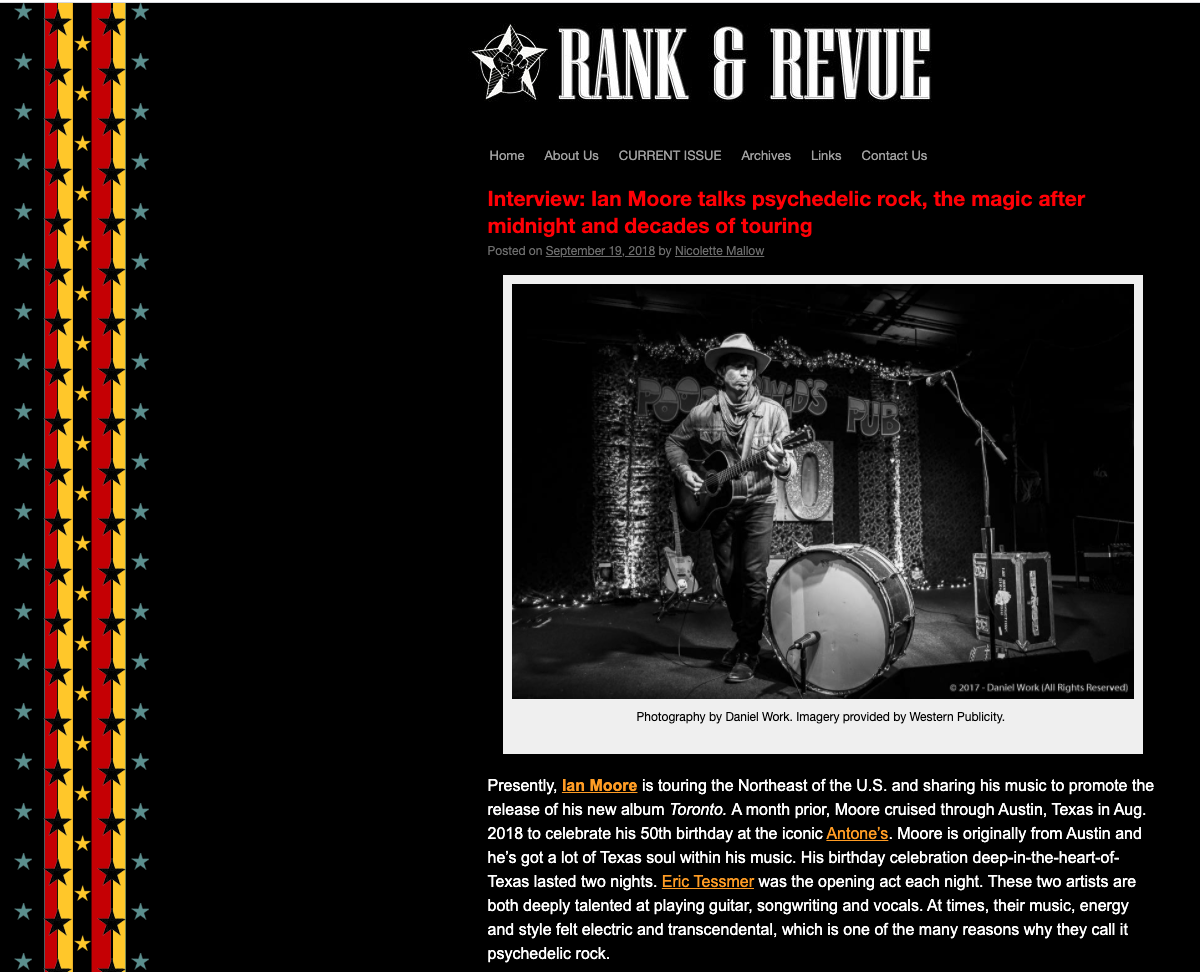
Interview: Ian Moore talks psychedelic rock, the magic after midnight and decades of touring

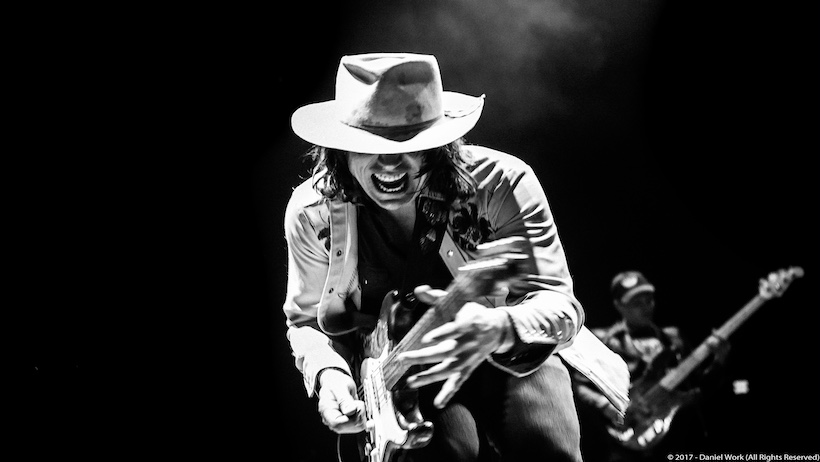
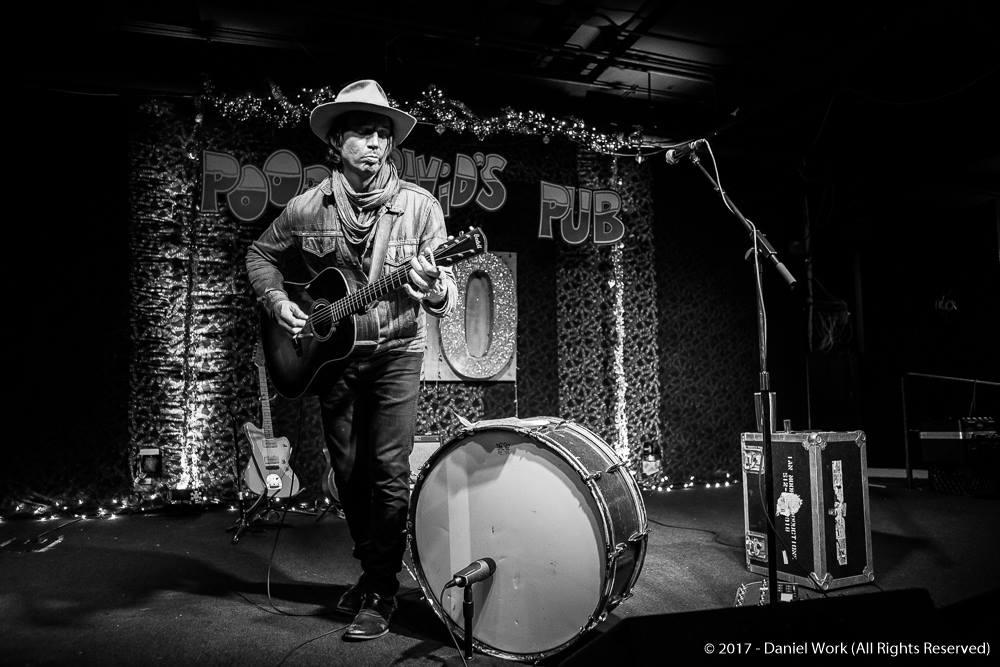
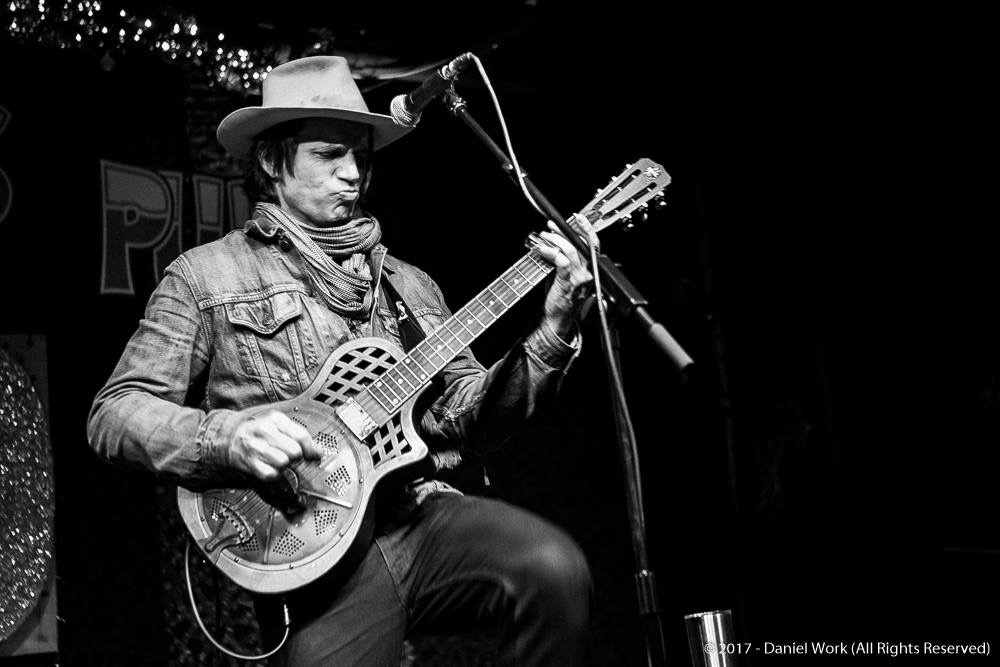
Photography by Daniel Work. Imagery provided by Western Publicity. 

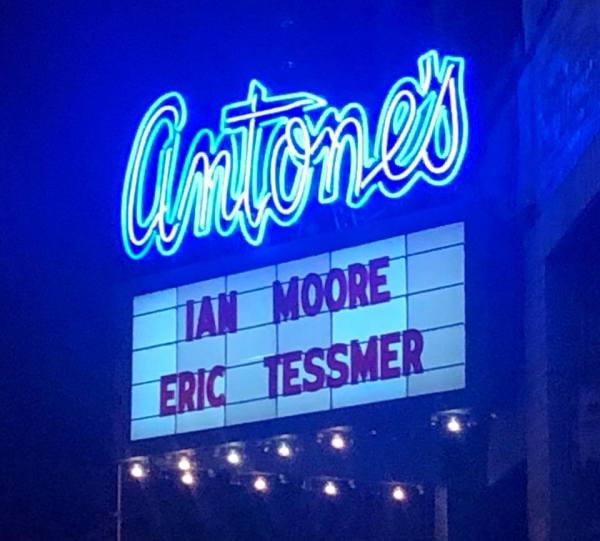
Presently, Ian Moore is touring the Northeast of the U.S. and sharing his music to promote the release of his new album Toronto. A month prior, Moore cruised through Austin, Texas in Aug. 2018 to celebrate his 50th birthday at the iconic Antone’s. Moore is originally from Austin and he’s got a lot of Texas soul within his music. His birthday celebration deep-in-the-heart-of-Texas lasted two nights. Eric Tessmer was the opening act each night. These two artists are both deeply talented at playing guitar, songwriting and vocals. At times, their music, energy and style felt electric and transcendental, which is one of the many reasons why they call it psychedelic rock. 

Before the ATX birthday shows that were filled to brim with many of Moore and Tessmer’s beloved fans, friends and family inside Antone’s: I interviewed Ian Moore over the phone. Another Rank & Revue (R&R) writer interviewed him years ago, but this time it was my turn to interview him. At random, my editor sent over a pitch to me from his publicist at Western Publicity to see if I wanted to conduct the interview. Once I read Moore’s bio, even though I had not heard of him before: I knew I wanted to book it. Clearly, the man has talent to venture on national tours with the Rolling Stones, ZZ Top and Bob Dylan. 

38452378_10102289768008747_2851857966716420096_n
Photography: Nicolette Mallow

“Ian Moore, the Seattle-based, Austin, TX-born guitar player, singer and songwriter makes the proverbial renaissance man look lazy. Coming on the heels of Strange Days, his most successful record since his eponymous debut. Despite a never-ending cycle of touring, Moore offers a new record of bright, blazing rock-n-roll that combines his legendary guitar prowess with radio-friendly songs that showcase his elastic, soul-inflected vocals. As always, Ian has his eyes on the challenges faced by musicians of every stripe, having experienced the spectrum of artist successes and tribulations over a nearly 30-year career. “It’s a very different climate right now. When we hit a city, it doesn’t matter that I have 14 records, radio hits, etc. The only thing that matters is if we can really show up and leave the people feeling they saw something amazing. Its keeps me hungry, and I like the challenge,” says Moore… You might have been surprised to hear Moore’s songs popping up on major network shows on prime time television this past year; several selections were prominently being featured as performances on both American Idol and The Voice (“Satisfied” and “Blue Sky”). He also founded the artist’s healthcare alliance SMASH (Seattle Musicians Access to Sustainable Healthcare) and has joined the board of NARAS for the Pacific Northwest as governor and head of the advocacy committee. Moore’s story is often told and probably familiar to most critics; his initial record on Capricorn propelled him to national tours with the Rolling Stones, ZZ Top and Bob Dylan, acting in the acclaimed indie feature “Sling Blade,” and having Ice Cube direct the video for his track “Harlem.” Moore deviated from his initial blues-oriented guitar sound on subsequent records, touching on graceful pop songs and the psychedelic as well as British pub rock and deep Americana. The Toronto record and its 6 tracks represents those influences in such a way that they have informed his songwriting, but is likely more recognizable as a strong collection of the kind of guitar rock his core fan base would respond to immediately”. 

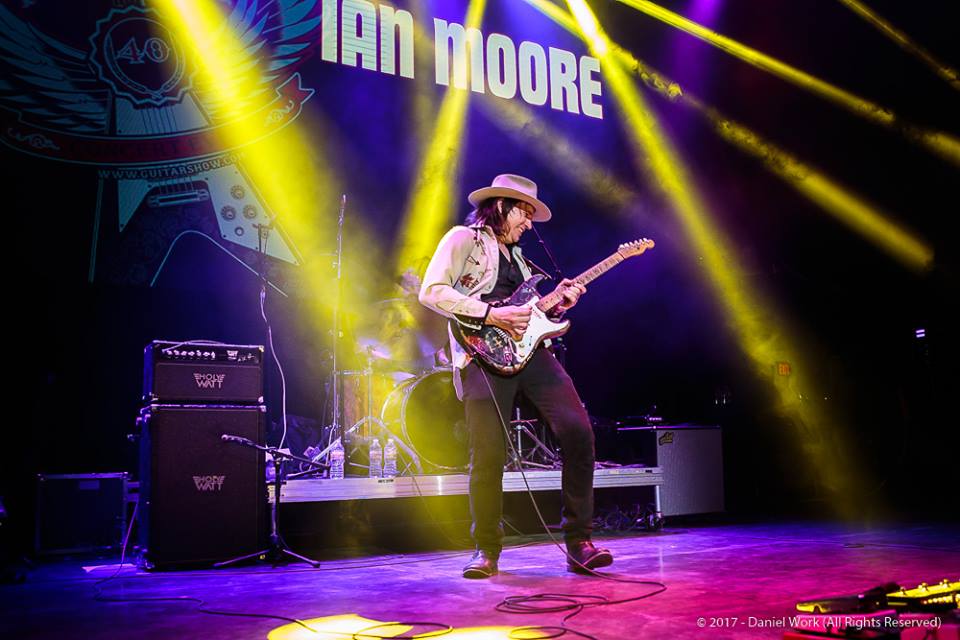
25438614_1926317220712040_5599809933720635409_o
Photography by Daniel Work. Imagery provided by Western Publicity. 

In advance to the interview, I was reading the information Ian Moore’s publicist sent me and researching other interviews of the past. I Google’d him to read about his older albums like Capricorn. Within the photos from then and now, I noticed that Moore had super long brunette hair in the 90’s and looked like a total rock star. Even though time has passed, he’s still strikingly handsome and very talented. I enjoyed listening to his musical style change from Capricorn to Toronto. I read a lot of lyrics. Watching his SXSW 2017 performance at Continental Club last spring in ATX: I could see Moore is in love with the guitar and the music. Texans are often known for being passionate and intense, especially the artists and athletes. 

As I read more and more, I realized that I was out of the loop, especially since I am an Austinite. Ian Moore has been around for three decades and I was shocked I’d never seen one of his shows. As a Texas girl and artista, I consider myself familiar with the local art scene. Obviously I was not up to track. Like many people, it seems the more I know, the less I know. There’s simply no way to keep track of all the great talent out there, and that’s sort of a beautiful thing: always discovering new artists and new music. I didn’t really know what angle to take the story. All of the music was new to me—I enjoyed many different songs from different albums—and I didn’t have much time to prepare for this last minute interview. Even though the story wouldn’t run on R&R until September. So, I figured since every other media outlet was going to be asking about Toronto and Antone’s—I decided to just get to know the artist, like any other stranger, and sort of assess what we called at SCAD, a character profile, a mini version of the artists career.

On the dot, all the way from Texas, I called Ian Moore on the number his publicist provided me with. Moore was sanding an old tour vehicle outdoors in Seattle. 

Nicolette Mallow: Growing up in Austin, did you always have a childhood fondness for music? I read you switched from guitar to violin. 

Ian Moore: Yes! One of the first times I kicked in the womb was at Vulcan Gas Company. Even though neither of my parents were musicians, they were both music enthusiasts. I started playing violin as a child and switched to guitar as a teenager. When I was 16 years old, unfortunately, I cut some tendons. Still makes me a little sad to think about because that ended my violin career… When I first started playing music in Austin, I had a real hard time starting a band. My peers were into other music. They were more into the punk rock culture, but I didn’t care much for it. I was more into soul music, blues and psychedelic rock – garage rock – 50’s music. Then I found a drummer from high school and we started making music. We were the first band to ever play at Black Cat Lounge. This was a biker bar and we brought in youth and kids from all walks of life to a new scene. It was cool because this was before Emo’s and there were limited music venue’s at this time. By ages 19-20, I started touring. But yeah, it’s my 50th Birthday and Austin is my hometown. My history is as deep as any musician there. Guitar lessons. Stages. Memories. Riding bikes to Antone’s on Guadalupe. I had to celebrate in Austin. 

NM: Your album Capricorn launched tours with Rolling Stones, ZZ Top & Bob Dylan. That’s really impressive! How long after the release of your first record did these tours come about. And do you recall the names of the tours?

IM: Capricorn. At the time, being a blues-influence guitar player was kind of unknown territory. There was no cool roots, rock scene. I had a difficult time finding people to put the record out. It was very hard to find a placement. The label who signed this deal had managed Otis Redding. Before that, one deal after another fell a part and took a while to find a place to put my record(s). After Capricorn was released, the radio success and decent tour numbers got past the agents. Once the agents caught notice, I began touring. I think, but am not certain, the tour name with Rolling Stones was The Blue Lounge Tour and I think with ZZ Top it was the Recycler Tour. But I’m not certain, it’s sort of a blur… My band was the biggest band of our generation in ATX for a good 10 years, 2000-3000 people a night at our shows. 

Screen Shot 2018-09-11 at 11.26.34 AM
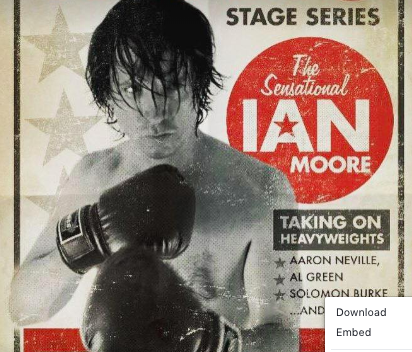
Imagery from IanMoore.com. 

NM: In regard to your newly release album Toronto, I read the lyrics for the songs “Satellite” and “Rock n Roll”. Tell me about the bright side and the dangers of living your life in the magic of midnight.

IM: The magic of midnight and the brutal reality of harsh dawn; we are all eternal dreamers. We are prone to think the next place, town, song or etc.—we think it’s gonna be the next thing to connect us. We can continue to dream and be dreamers, but it’s intense and a lot of people cannot sustain it. A lot of people lose themselves. I’ve been doing KXP radio and I talked about pitfalls of touring and how to survive. Being focused on the music helps. You can tell where the motivation is. If you want to party—and you’re focused on the physical attention—you will wear yourself out. It’s crucial to focus on the music to sustain sanity. It’s very rewarding and spiritually fulfilling. Just gotta keep focused on the prize. Don’t lose yourself in the illusion of midnight, thinking that something greater is right around the corner… My music has been a continued manifestation of what I wanted to do. When I was young, learning how to play and sing, I did a lot of wandering. Leaving scenes and drifting into the ether, a wanderer with temporary companions. It’s been an interesting journey. Even though my most successful record (thus far) was my 1st album: I think I’ve gotten quite a bit better and become more interesting. I never chased the fame. However, I’ve become an underground artist.

NM: I read your quote about the challenge of keeping the crowd enticed and how the music culture has changed. How do you sustain such energy while touring, so that you can always give the crowd the experience they’re seeking?

IM: This is the hardest time to survive with music, it’s so challenging. But I have a deep passion for music. I do it all, simply because I love music. Music is most deeply motivated for me, the actual music, not the attention and the success, that is peripheral for me. No matter what, I always want to get better and write a better song and feel like if I could just concentrate harder, it will manifest… When I am all beat up and tired and miss my family: the music keeps me going. That’s the thing, I can be completely exhausted and always dig in to find that passion. 

NM: The transition to Seattle from ATX, over the decades, based upon your observations—what changed most within the local scene between the two cities? 

IM: A lot of what I do is between Austin and Seattle. I live in both towns. We had nothing here (in Washington) when I arrived awhile back. There’s been a lot more drastic changes in Seattle. Obviously, all cities are enduring major changes right now, any cool city with artists. They’re all being priced out. However, Austin is one of the best for artists, right now. At least in ATX you have some people working for you and trying to make it better. ATX is weathering the storm best.

NM: Do you have any favorite or newfound cities in Europe that you look forward to touring this year?

IM: Europe: I love Spain and Italy. Amsterdam. Denmark. London… I’d like to play in Portugal. It’s so cool playing in different places, but what’s cooler is playing well in the places you play.

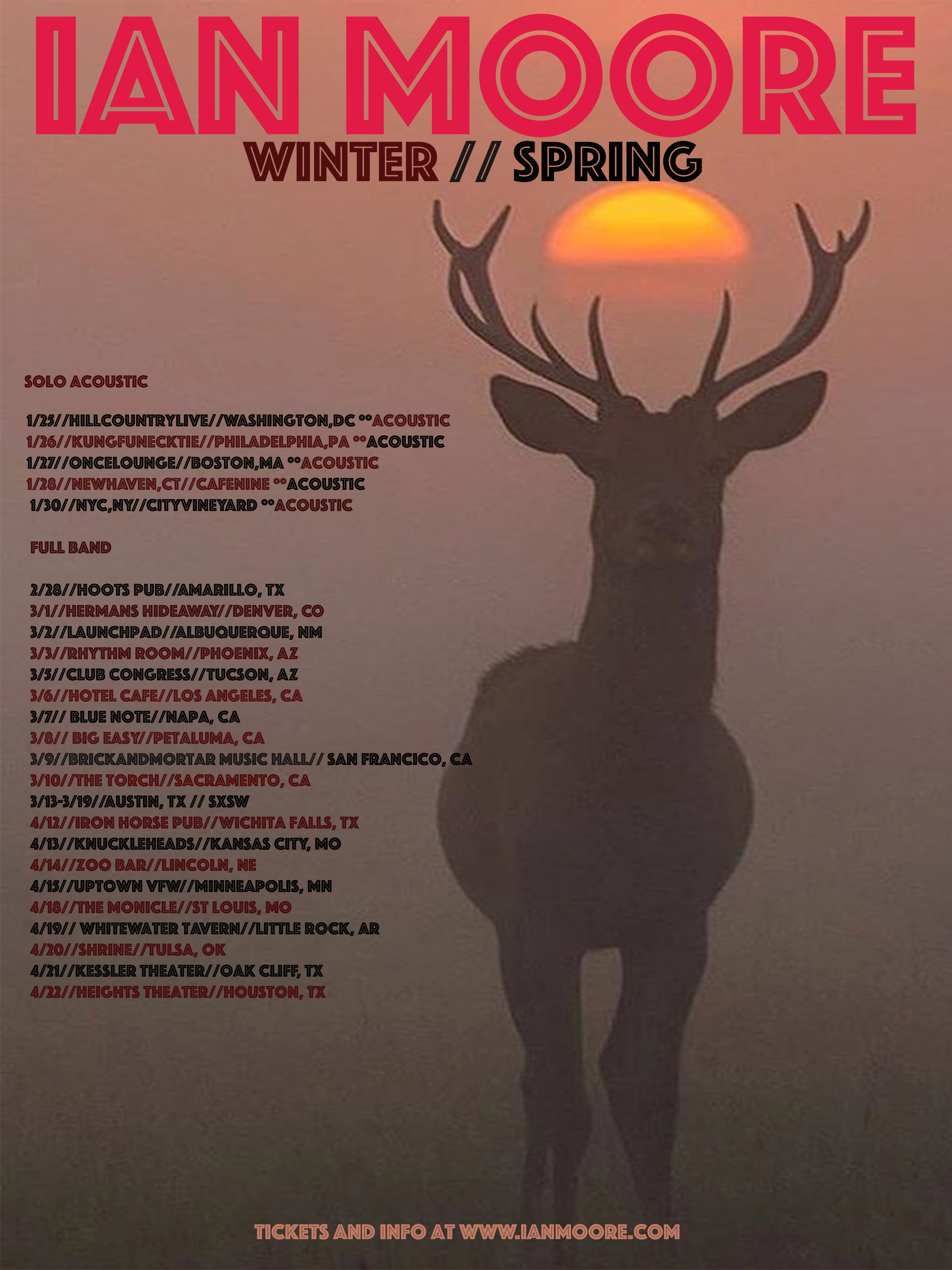
To view upcoming tour dates, listen to music and read about Moore’s songwriting workshop in Canyon Lake, Texas: please visit his website at www.IanMoore.com

Note: This article was originally published on Rank & Revue in Sept. 2018.

Interview: James White talks 54 years at the Broken Spoke

broken spoke

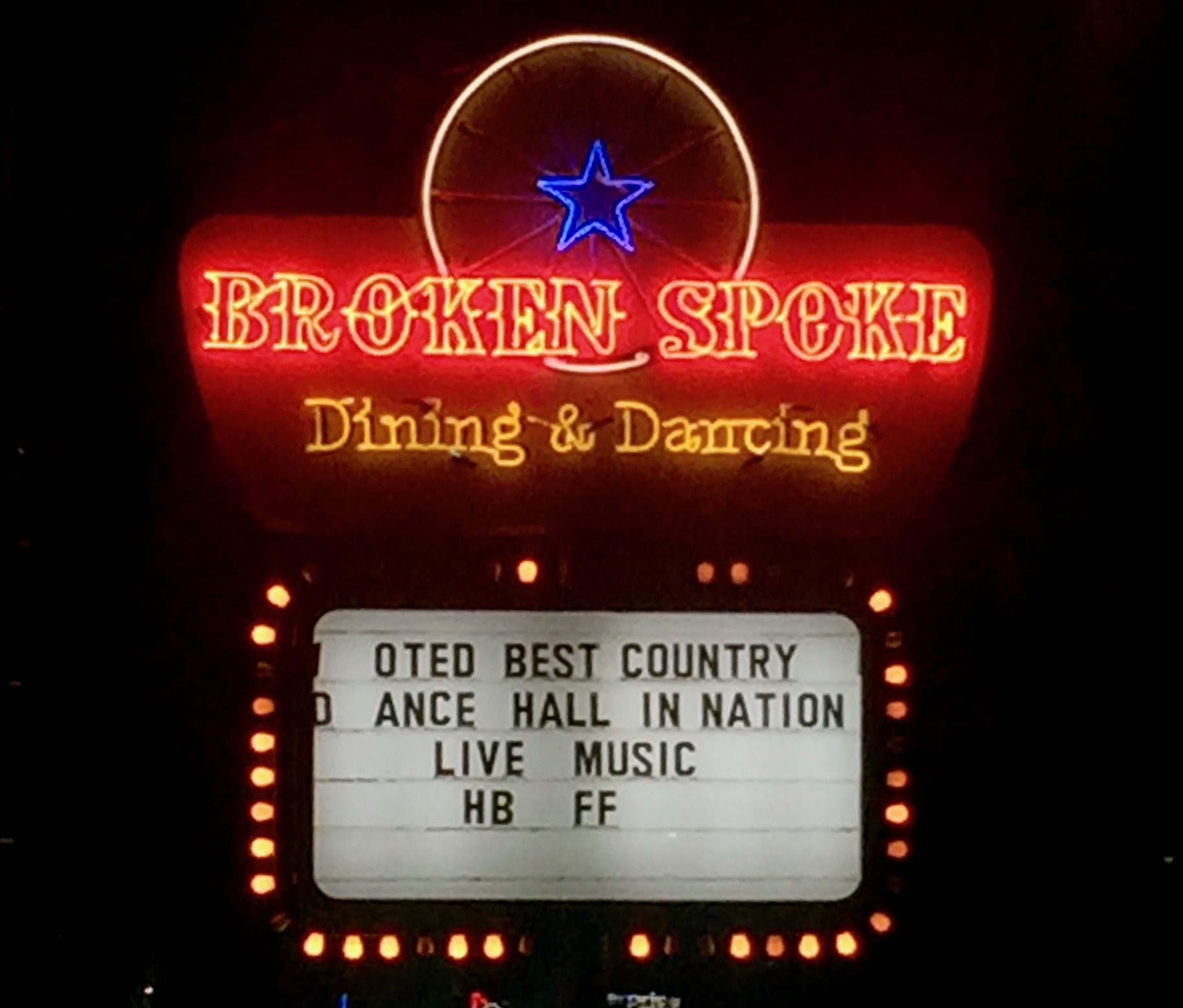
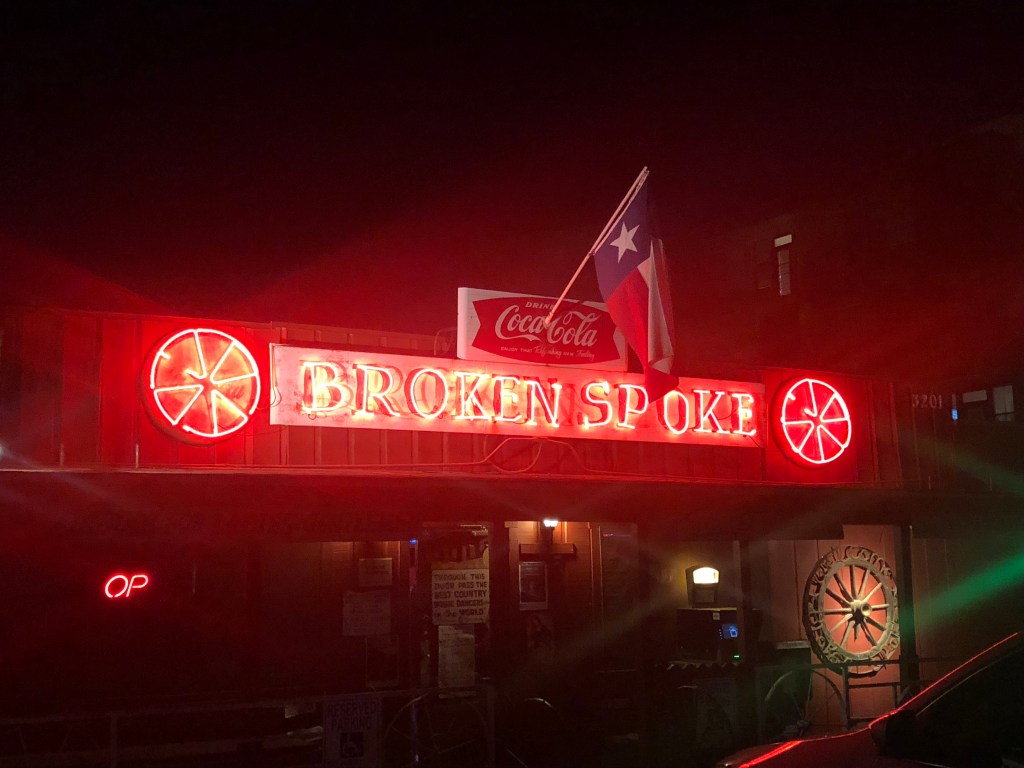
The Broken Spoke marquis. Photography by Nicolette Mallow.

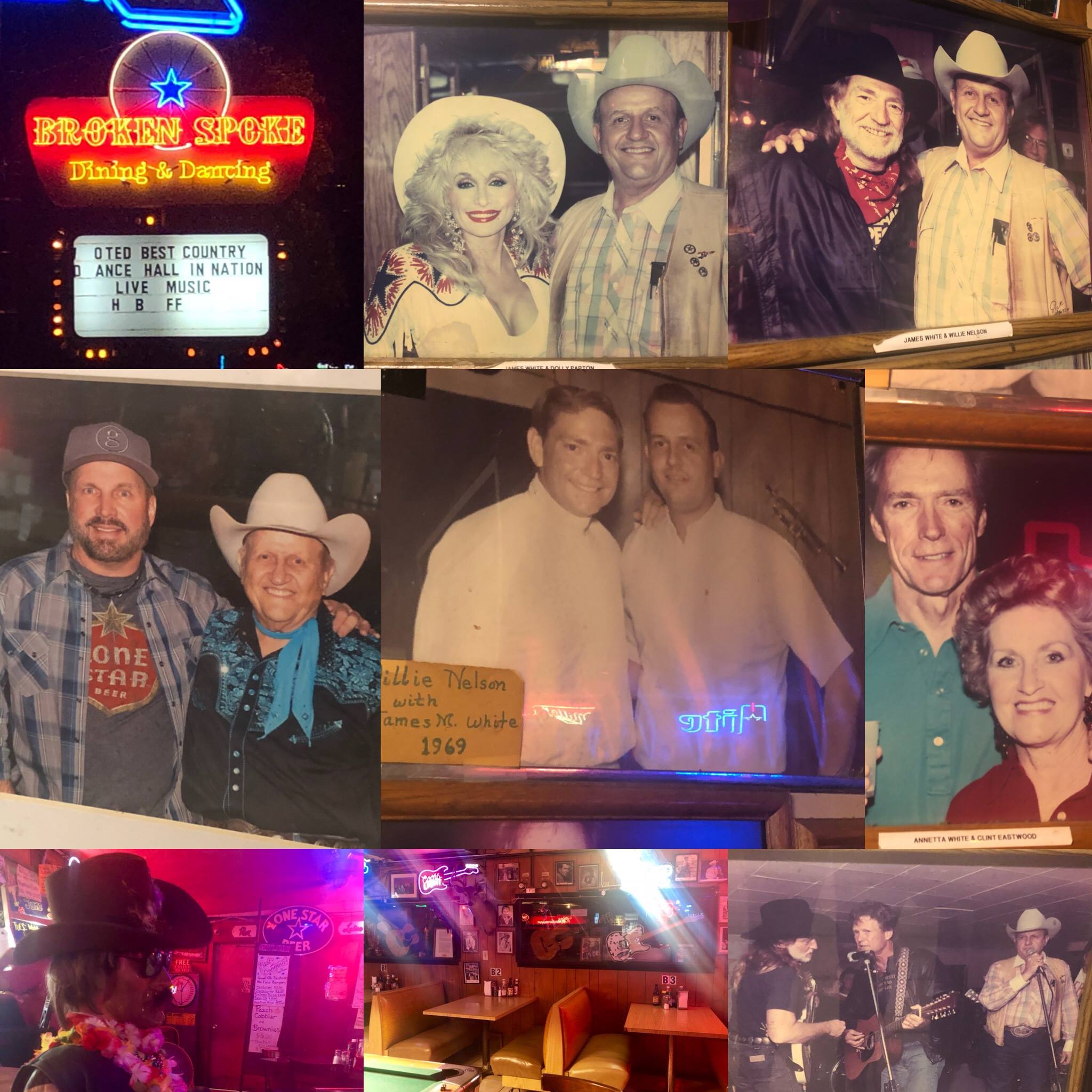
With only five cases of beer to sell, James White opened the Broken Spoke in 1964. After he was released from the U.S. Army at the age of 25 – Mr. White decided to pursue the quest, his dream, of opening a honky tonk in Austin, Texas to feature live country music and a dance hall. In the beginning, Broken Spoke was a local roadhouse where beer cost .25 cents a bottle and customers could get ice and a soft drink for .30 cents to chase down their liquor. Back in those days, before the peak of craft cocktails, people could bring their own liquor bottles to the bar in Texas. Now in 2018, over 54 years later, Broken Spoke has become a worldwide famous dance hall with a full bar and restaurant. By the late 80’s the Broken Spoke started to gain more and more fame. Featured in Texas Highways magazine, The Food Network, The New York Times, CBS News, Texas Monthly, the Smithsonian and more; Broken Spoke is a historical landmark. The Spoke has showcased talent like Willie Nelson, George Strait, Garth Brooks, the Derailers, Dale Watson, Alvin Crow, Weldon Henson and the list keeps going for decades. Many artists, icons and celebrities from all over have entered the front doors including Dolly Parton, Clint Eastwood and Quentin Tarantino. Hundreds of old and modern photographs catalog the years within Broken Spoke’s Hall of Fame.

The Broken Spoke is owned and operated by James and Annetta White (his wife). The two met at a dance hall in 1961 when she caught his eye and have been married 51 years. Annetta and her husband have worked together for decades to keep the Spoke running successfully. Amongst her many contributions to the Broken Spoke, I discovered that Annetta is the one responsible for the George Strait photographs covering the women’s bathroom, giving the ladies room some cowboy vibes. 

A lot of people ask me where I met my wife. Well, I met her at a honky tonk. There was an old dance hall in Oak Hill called the Sportsman Inn and I looked out on the dance floor and saw a pretty blonde lady dancing with a red dress on. It was a fast dance and she caught my attention. She caught me eye and I thought I’d ask that girl to dance. That’s where it all started right there.” – James White

35401119_10102247407853837_2517178313827418112_o
Photo collage of Broken Spoke photographs featuring Willie Nelson, James White, Dolly Parton, Clint Eastwood, Garth Brooks and Annetta White.

Walking into the Broken Spoke is like stepping back in time. Once you enter this classic Texas dance hall and see all of the antique photos from decades past, an intense feeling of nostalgia rushes over and fills the air. It looks exactly as it did when the doors opened in 1964. There is so much eye candy to choose from: a horse saddle, photographs, flags, neon lights, posters, woodwork and of course the dance hall. A replica of Willie Nelson’s guitar Trigger can be found at the Broken Spoke, too. As a Texas girl that’s driven by the Broken Spoke since the 1990’s and enjoyed libations as an adult, I was really excited to finally learn more about this dance hall and the reputable James White.

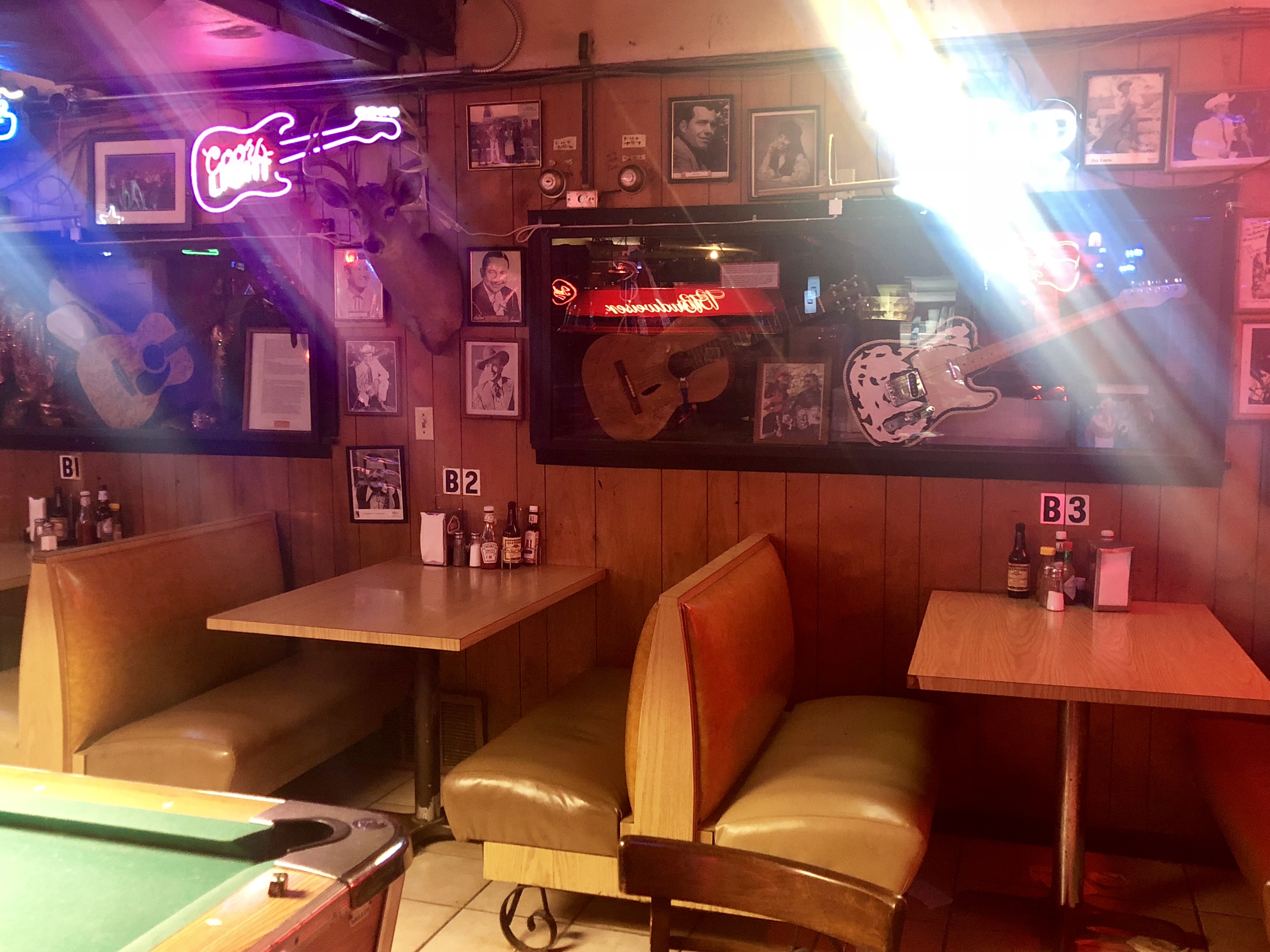
In May 2018, James White consented to an interview with me. I met him at the Broken Spoke on a weekday around lunch. He and I sat at table B2, which I came to found out is the same table where Willie Nelson and his wife Annie would frequent when they were regular visitors at the Spoke. I went to Lake Travis High School with Willie Nelson’s nephew, Trevor, so it was even more thrilling to be sitting in country western history.

Wearing a UT button-up shirt, a red baseball cap, gold watch and horseshoe ring made of diamonds, James White took me back to the beginning and covered as much history about the Broken Spoke as we could in one hour. Unlike most interviews, White naturally guided the majority of the dialogue exchange. I was simply a listener to keep the story on course, interjecting with questions along the way if things got off track. Before the interview began, White asked me if he could start at the beginning and then jump around in time wherever I wanted to. By listening, I could tell he had told this Texas story many times and it never gets old to tell, or to hear. [He insisted that I record the interview and I posted the audio online in a two-part segment via YouTube.]

James White: A lot of people, you know, they ask me, why did you go into this kind of business? All the way down to my childhood, my parents would take me to different dance halls in this area, and that’s where I got the love of country music in my veins… When I was in the Army, I didn’t know what I was gonna do when I got out of the Army. So I thought it would be kind of neat to open up a place of my own, similar to the places when I was growing up in Austin. It just became like a quest of mine the day I left the Army. And when I came out under the big ole oak tree out front (on South Lamar), I just kind of visualized a place like no other and when I got it built: I named it the Broken Spoke. The reason I thought up that name, I wanted something original. I wanted something country, I wanted something western. Texas style. In my mind, I had a list of different names in my head. When I got to thinking about Broken Spoke I was thinking about wagon wheels and they were kind of rolling around in my brain. And then I remembered this old Jimmy Stewart movie called “Broken Arrow” and I said hell, I’ll just find me a couple wagon wheels, I’ll knock a spoke out and I put one on each side of the door coming in and I named it the Broken Spoke. And I never looked back.

Volunteers made the Spoke by hand. A lot of heavy drinkers pitched in to build the Broken Spoke and one drunk man even fell off the roof. White had to open the doors a little early after running out of money, hence the modest five cases of beer. People even told White the business wouldn’t last six months, but he proved them wrong. It was about 20 years of hard work before the Broken Spoke became famous. Mr. White said it was many years of 16 hour days tending bar, seven days a week. The Broken Spoke is his life’s work and there is a ton of heart and soul poured into this building. 

Music, dance and cold drinks are the focus of this honky tonk, but there is also a strong sense of community and love. The Spoke has been described as “the country western version of Cheers” and it’s become part of Texas history within the arts. Many local Austinites or younger generations don’t know the intricate history of the Broken Spoke. I certainly didn’t and I’ve been here off-and-on since the 1990’s. So, after White’s introduction as to what inspired him to build and create the Broken Spoke. I asked him to tell me more about table B2: Willie Nelson’s table. Willie is one of the most notorious artists to perform at the Broken Spoke and it all starts back in the 1960’s. 

willie nelson
A replica of Willie Nelson’s guitar “Trigger” and Table B2. Photography by Nicolette Mallow.

JW: I first booked Willie Nelson in 1967. I booked Willie Nelson and The Record Men for $800. He had short hair, he was clean shaven and wore either a turtle neck, a vest or a sports coat. But he’s still the Willie Nelson you see today. His people love to see the one picture of Willie hanging on the wall, and he’s got a copy in his office too: the photo of he and I on stage at Broken Spoke when I first booked him back in the 60’s. He and I have always been friends. Willie has friends all over the world but he always remembers the Broken Spoke. He always comes back every chance he gets… Anyway, when Willie had a tax problem in 1990 and owed $16.5 million: my wife and I were sitting around and we got mad because we heard the IRS took all his pictures and they took all of his awards off the wall and put them up for auction. I didn’t think it was right to take his pictures, gold records, platinum records—and so we thought we’d take a collection and give it to Willie because they’d taken everything he owned. So I got a gallon pickle jar and put it on the bar and put a sign on it “Where there’s a Willie there’s a way”. Willie heard about it and called me up from Hawaii and thanked me. Meanwhile we had a fundraiser for Willie and I sent the money over to Hawaii by way of his daughter, Lana Nelson. His family said Willie talked about the fundraiser all day long and was very excited about it. He called me again and said “thank you from the bottom of my heart. I’m gonna come home for Christmas, and I’m going to bring my band, I’m going to eat some chicken fried steak, drink a cold beer, and I wanna do a little picking (at the Broken Spoke) and I’ll bring some friends with me”. And that’s when a lot of local country artists who knew Willie wanted to get involved. Some nights you never forget. He never asked for money, I did it from the heart. And he thanked me from the heart and he came out and played all night. That was in 1990… So we raised some money and I gave him every letter I received from Associated Press, they ran the story all over the world. We started getting money from Desert Storm, Desert Shield, Birmingham jail and Indian reservations… I never got one bad letter about Willie. All of them were complimentary and even if the donation was $1, Willie autographed every check as a thank you.

After he told me about the fundraiser, James White proceeded to share a song he wrote with Gary P. Nunn called “Where there’s a Willie, there’s a way”. Their song can be heard sung a cappella by Mr. White in Part One of the interview around the 18:00 minute mark. It’s rather clever and has a Willie Nelson-esque melody to it.

Suddenly, as I intended to shift gears from Willie Nelson to Dolly Parton. Her music serendipitously came on the jukebox and you can Dolly’s voice in the background. A series of her songs played at that perfect moment like the classic “Old Flames Can’t Hold A Candle To You.” Echoing in the background, it was a most befitting and true country, western moment in Texas. Back in 1987, Dolly Parton came out to the Broken Spoke to film “Wild Texas Nights” and James White even got to utter a few lines in the filming. There is a charming photo of Dolly Parton on display at Broken Spoke that many people love to photograph.

Bouncing around in time, James White talked to me about the booking process, musicians, family and the architecture of the Broken Spoke. It’s an older building that has a lot of character and endearing oddities. However, White mentions that perhaps if he built it today there would’ve been some changes, like installing larger bathrooms. Nevertheless, there is something beautiful about keeping history locked in a time capsule. Especially in a city like Austin where it’s losing a lot of its originality with the modern times. Broken Spoke has withstood all the changes in Austin and still stands strong with many more memories of live music and dancing to come. 

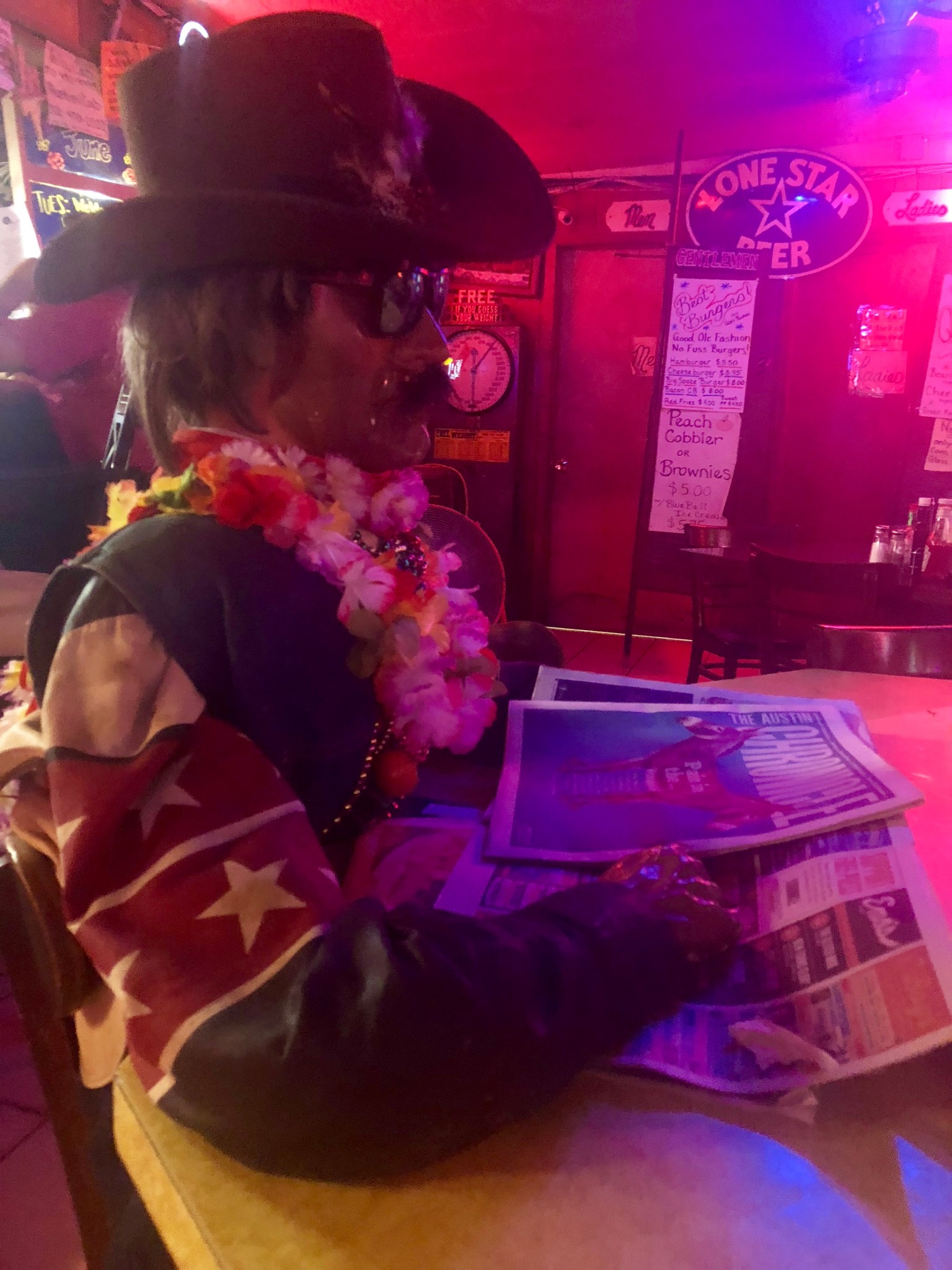
Over the years, there is one character that all regulars know about and that would be Rowdy. He never leaves the Broken Spoke and has never performed on stage. He doesn’t speak either but Rowdy sits at one of the tables with his sunglasses, bandana, blue jeans and he’s quite the ladies man. Sometimes people like to dance with him, too. Wait, did I mention Rowdy is a dummy?

JW: Rowdy’s skull has a crack now because people keep dropping him on something, or some drunk wants to dance with him or move him around. His knuckles are broken off right here. One time I used to write a newsletter. I talk about Rowdy like he’s a real person, like a living thing. People ask me where I got him and I tell ’em I picked Rowdy up hitchhiking out on 620. So I gave him a ride to the Broken Spoke and now he don’t want to leave and is here at the bar 24/7. When I pulled up to stoplights back then people would look at him, and I’d never do nothing I’d just stare straight ahead, but I knew they was looking at him. Rowdy is a funny guy. When they stole my dad’s silver saddle—the only thing funny in the whole thing (was Rowdy). After it took 14 days to get the saddle back. The first cop on the scene crawled in the same window as the burglars did and he came in and he said, “I almost shot Rowdy!” And I said “I wish you would have because he’d look cool with some powder burns”. But yeah Rowdy just sat there and didn’t say nothing and let them steal the saddle. So anyway when Rowdy broke his knuckles off, we were going to glue them back on. I’m writing about it in this newsletter (for the Broken Spoke) like he’s a person. And I wrote “hell, Rowdy broke off a few of his fingers and they fell onto the floor and the waitress swept it up and thought it was a dill pickle and threw it in the dumpster. When I heard about it I had to send the waitress out to retrieve his fingers out of the dumpster so we could glue them back on”. Soon after this waitress’ sister in a different city said “What kind of place are you working where people are breaking fingers off and gluing them on?” She thought it was a real story. 

5E5C861D-A3B7-45B3-8AF2-43568262A074
Rowdy reading the newspaper at Broken Spoke. Photography by Nicolette Mallow.

At the end of our interview, I asked James White if out of all the press coverage and all the years of memories, did anything stand out most? It was a tough question to answer and he drifted in time a bit, but eventually it all came back full circle to Texas Highways.

JW: It’s a heart thing you feel good about. At the end of the day, I take more pictures now than I ever took in my life before now. Hell, no one wanted my picture in 1964 but now everyone does and I’ll make up for lost time. There were fun times in the 1960’s and everything was new. I just had so much fun here at the Spoke. But I think the one (press) thing we did with Texas Highways stood out the most. It’s like the gift that keeps on giving. Now we’re on every roadside park in Texas at the rest stops. I mean you come in and there’s a picture of the Broken Spoke and the Cadillac outside. And then on the left there at the state Capitol, it’s right there you know. You got music, you got Texas and then you got the Broken Spoke. It’s a very good compliment to us. Since then we’ve been voted the Best Country Dance Hall in the nation, home of the best chicken fried steak in town, a lot of metropolitan awards. We’ve won a lot of awards. I’m in the Texas Hall of Fame and the Smithsonian. I’m in the Country Music Hall of Fame… I never expected it. All I really wanted was a honky tonk dance hall. So I got what I wanted, but then I got a lot more. Which is fine, it’s fun, a hell a lot more fun to have people brag about you than bitch about you. It’s always more fun to get compliments.

To hear more about Willie Nelson, Garth Brooks, Dolly Parton, the beer drinkers that built the Broken Spoke for free and much more, please check out the interviews in full on YouTubehttps://www.brokenspokeaustintx.net

Note: This article was published in Rank & Revue in June 2018.

Interview for The Hollywood Reporter: Greta Gerwig and her Directorial debut ‘Lady Bird’

AFF2017_LadyBird_HiRes-0099

Greta Gerwig. Imagery provided by Sunshine Sachs/Photography by Jack Plunkett.

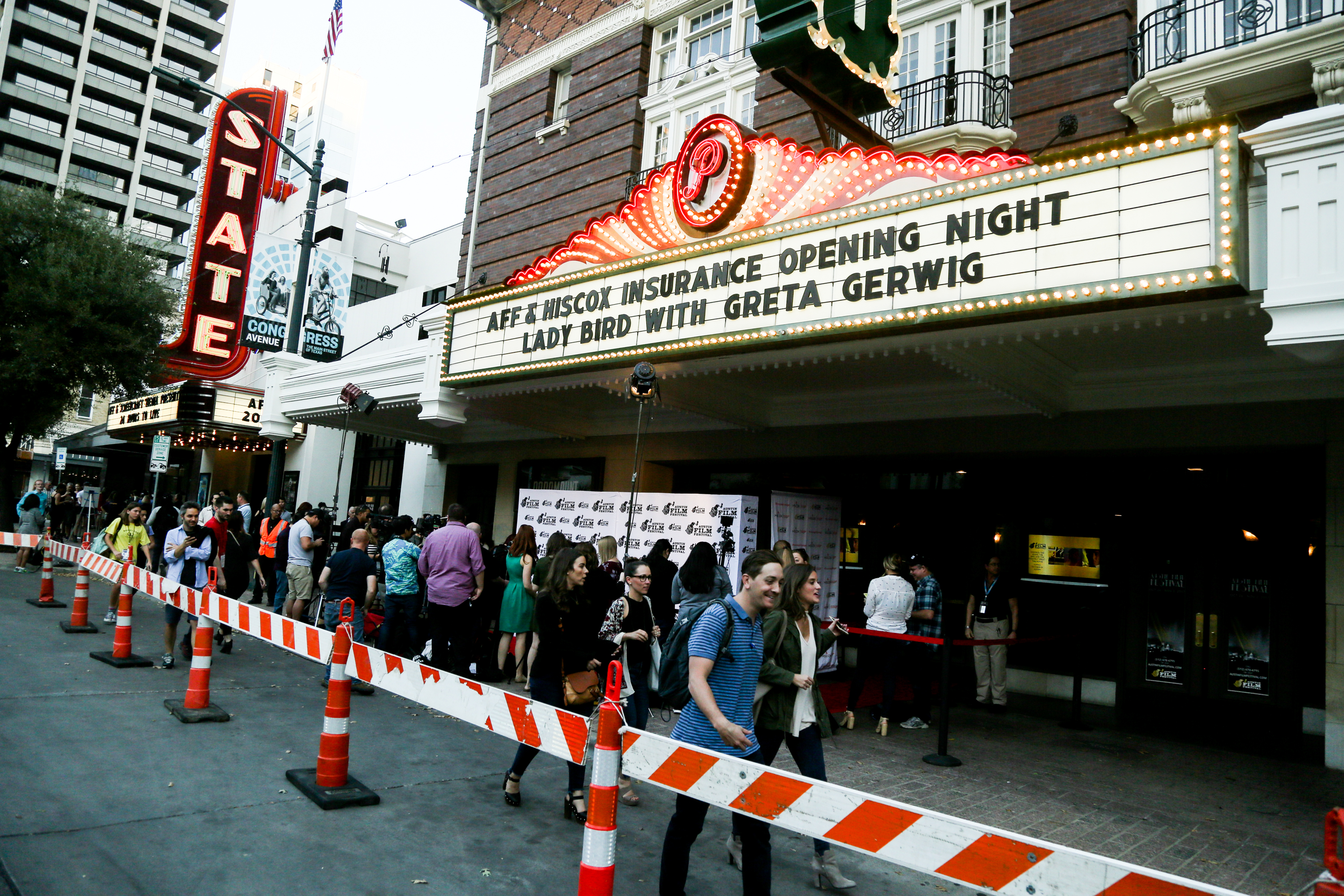
Last month I was commissioned by an editor in Hollywood to interview Greta Gerwig on the red carpet before the screening of her film Lady Bird at the Austin Film Festival in Texas on October 26, 2017. The Hollywood Reporter published the interview. (IMDb also redistributed the story.). I loved the film and it was a pleasure to interview Greta Gerwig. She was a smart, kind & articulate artist to interview. Therefore I was not surprised when I read this week that Lady Bird broke box office records.

“Lady Bird opened to limited audiences its first weekend, showing in four locations (making it a specialty box office release).” According to Jezebel “it blew past typical ticket sales for smaller box office openings of its kind, grossing $375,612 in fourtheaters, with a theater average of $93,903. That makes it the best speciality box office opening of 2017. For context, look at the numbers of comparable first weekend openings this year: Sofia Coppola’s The Beguiled earned an average $64,160 per theater in four locations the first weekend and The Big Sick grossed roughly $82,800 per theater it’s opening weekend in five locations. And, as IndieWire points out, since Katheryn Bigelow’s Zero Dark Thirty grossed roughly $83,430 per theater in five locations back in 2012, that makes Lady Bird the best ever limited debut for a movie directed by a woman. Since Lady Bird has already exceeded box office expectations, it will be interesting to see how well it does when it opens in more theaters during the next few months. And considering the rave reviews and ticket sales, I wouldn’t be surprised if the film lands several nominations around Oscar time, including Gerwig for best director.”

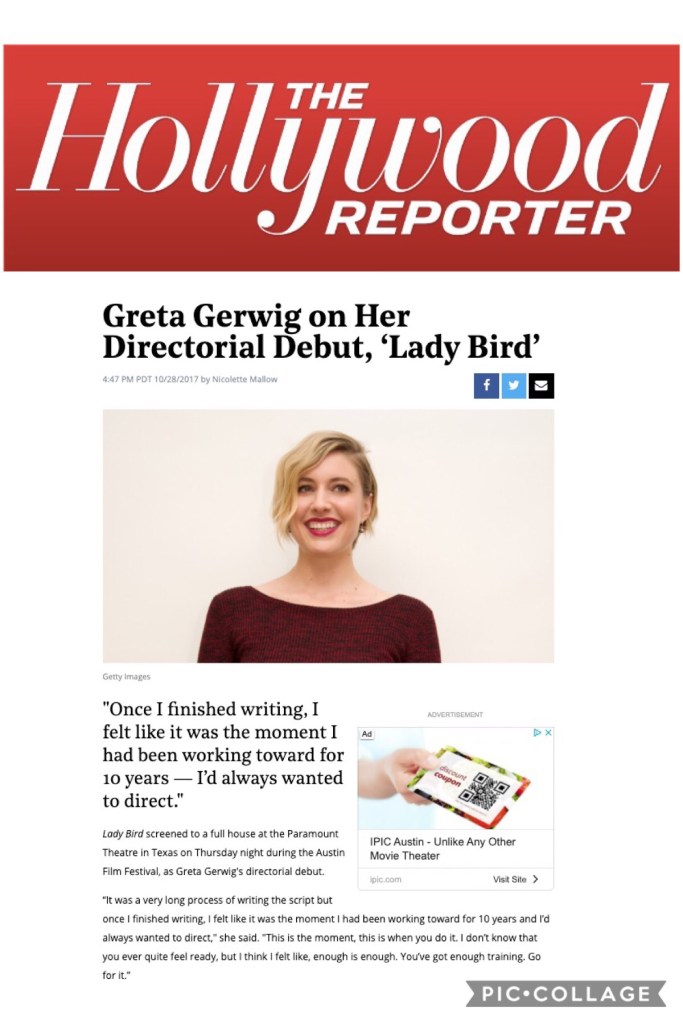
Known to most as an actress, Greta Gerwig has been part of the film industry in a multitude of roles both on-camera and behind the scenes during the last ten years: acting, writing, producing and directing. Within her recent film Lady Bird, Gerwig showcased her directorial debut as the exclusive writer and director. When I asked her on the red carpet when she knew she was ready to direct a solo project, Gerwig stated, “It was a very long process of writing the script but once I finished writing. I felt like it was the moment I worked toward for ten years and I’d always wanted to direct. And I thought, this is the moment, this is when you do it. I don’t know that you ever quite feel ready, but I think I felt like enough is enough. You’ve got enough training. Go for it.”

Gerwig’s movie has traveled to festivals worldwide, receiving accolades and high praises along the way. Lady Bird is a comedy about a young girl in Sacramento named Christine. She refers to herself as Lady Bird. It’s also a semi-autobiographical story about Greta Gerwig. The story revolves around Lady Bird’s senior year at a Catholic high school, figuring out how to leave home to pursue her life dreams in NYC because (she thinks) she hates California, only to realize how beautiful it is upon leaving. Lady Bird is a charming, evocative and beautifully stitched together film with hilarious, witty dialogue. Gerwig captures the melancholy, vibrant spirit of youth and the bond between mother and daughter.

To read more about Lady Bird and to watch the trailers, please visit the official Facebook page of the film at https://www.facebook.com/ladybirdmovie/.

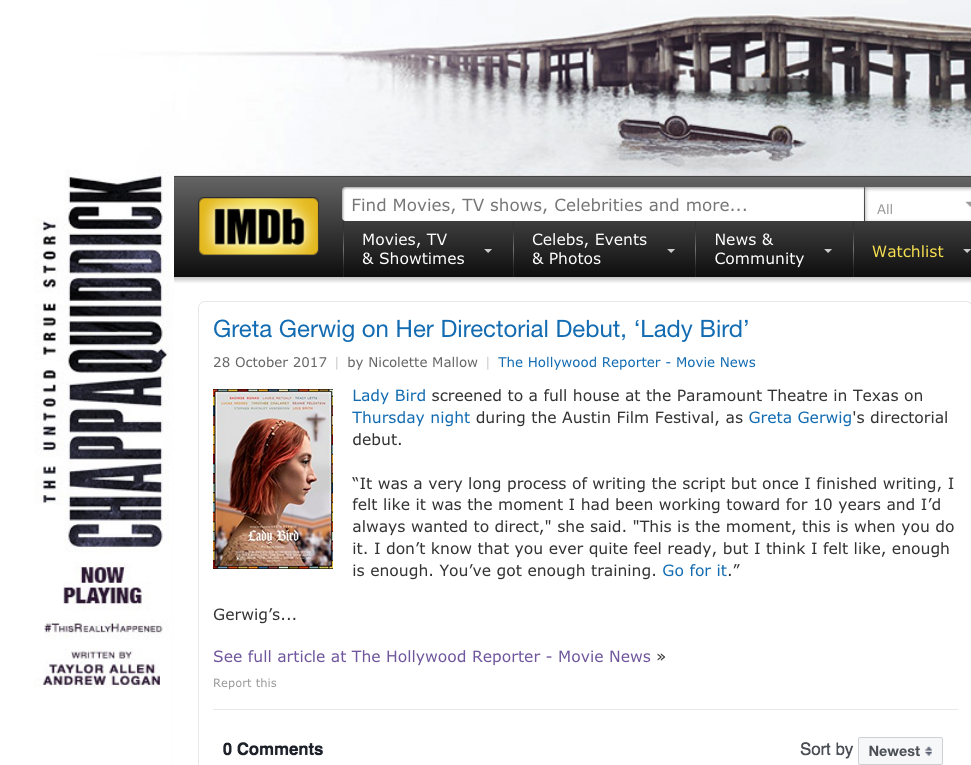
Note: The original publication can be found online at The Hollywood Reporter’s website and IMDb.com.

Screen Shot 2018-04-06 at 4.32.53 PM.png

Interview with National Geographic photographer, Oscar winner & explorer Jimmy Chin

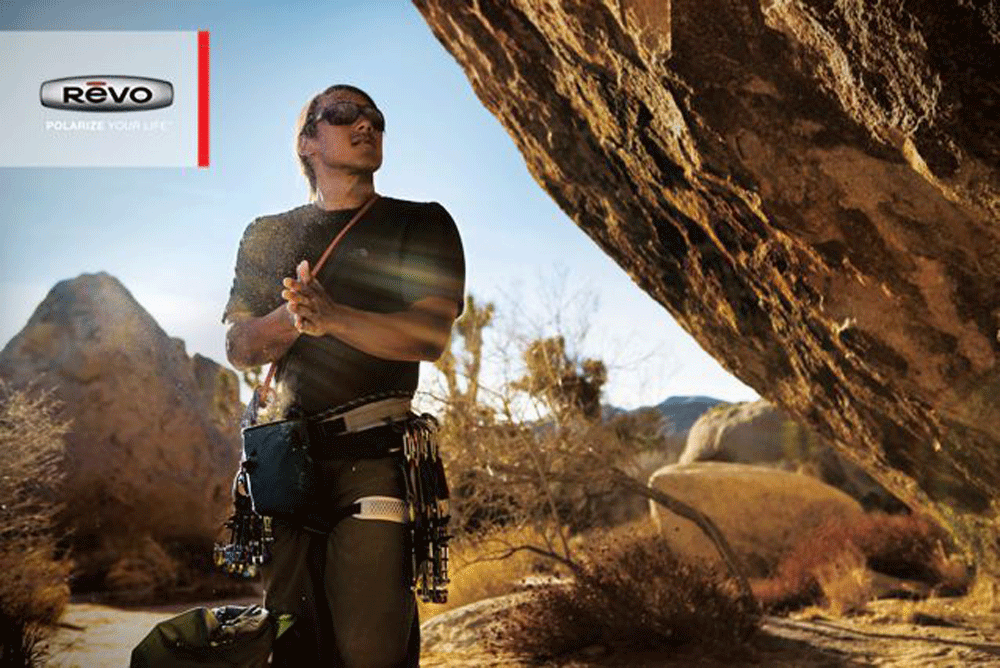
Jimmy-Chin-Revo

Photography provided by REVO. 

Jimmy Chin: A Photographer’s Eye View

WideWorld sent US writer Nicolette Mallow to Washington D.C., to interview 37- year-old National Geographic photographer and explorer Jimmy Chin at The Madison Hotel. Chin is also a sponsored athlete for The North Face. Throughout his career, he has shot climbers thousands of feet up in the air, glued to ice-capped mountains, with storm clouds billowing in the distance, and, as WideWorld discovers. Jimmy Chin’s ability to capture shadows and light, sunrises and sunsets and nature at its most breathtaking is nothing short of incredible. The interview took place prior to a banquet held in his honor at Nat Geo headquarters to showcase Chin’s career, life stories and photography. 

Nicolette Mallow: What was it about your first trips to the mountains that inspired your career?

Jimmy Chin: Well I always loved being outside. We had a ravine behind our house and I was always tromping around in the woods. When I showed up in Glacier National Park it was just like my ravine on steroids! I just knew then that I wanted to live a life in the mountains. Although the trails were very beautiful I didn’t ever want to stay on the trail. I wanted to explore.

NM: How exactly did you turn all this from a hobby into a lifestyle and a career?

JC: You know, there is a lot of pressure when you’re in college from peers and the professors and your parents to get an internship or to have this goal of becoming a lawyer, a businessman, or a doctor; I think it’s hard for anybody to aspire to them when the title sounds great but you don’t really understand what the day-to-day life of an attorney is. And I had no real connection to any of it. It just seemed like all these abstract ideas and it just seemed really boring to me. For some reason I was struck by the idea that you only live once and that you shouldn’t waste your time being something for other people or being something that other people wanted you to be. It didn’t seem fair. I struggled with that a little bit for sure. Education was hugely important for my parents. They were both librarians at a university and they had come from China and they had made a life for themselves here.

NM: What got you into photography?

JC: I always loved looking at photography, but I think that everyone does. I am a very visually stimulated person. But while I was visually oriented, I never thought of it as a career. I never took photo classes in school.

NM: So you’re self-taught?

JC: Oh yeah. Still teaching myself. Still learning. But, overall, photography felt really natural and probably one of the easiest things for me to learn or pick up. So in that sense I feel like, perhaps it was meant to happen.

NM: In one article you describe dangling above endangered antelope in Tibet, but what did it feel like when you guys found them?

JC: In some ways it was like we were chasing mythical creatures. It’s so funny because it was like being a kid, again, and trying to follow these animals across the Chang Tang plateau and hoping to find this supposed birthing ground. George Shallow, one of the greatest live mammal biologists and conservationists, couldn’t find these animals or their birthing grounds after two to three expeditions. My crew and I knew this was going to be extremely difficult. We’d been traveling for weeks and weeks and there was nothing. We lost them, once, and then we found them, again. When we finally found them and I saw the first baby chiru: it was a mind-bending experience.

NM: Is there any expedition in particular which you are most proud of in terms of your finished images?

JC: I think shooting Everest and skiing Everest. I was always trying to get this photo that no one has ever seen before and there were a couple photos in there that don’t necessarily have the best light or the best compositions ever but they’re just… Well, there is an image of Kit and Robert DesLauriers skiing down a slope over 28,000 feet. Two people on their skis, on the southeast ridge of Everest. And I just love that photo as there is also a storm cloud coming up in the distance.


NM: Throughout all the places you’ve seen, where is some of the most beautiful light to capture?

JC: Sunset when you’re up really, really high above base camp in the Himalayas holds perfect, mesmerizing light. Any mountain range up high where you can see the horizon line is amazing. After the sun has set and it gets that kind of blue mixed with pink –I love those colours; like pastels in the sky.

NM: In 2004 you had a close shave with death when you were on Everest and the avalanche came down and threw you guys back over 30 feet. Have you had any experiences as intense as that one since?

JC: Not as intense. I think as you get older you start to understand and become much more aware of all the different ways to die. I’m a lot more conservative these days, but there’s always the fluke accident. As a climber you have to take a certain stance in how you look at the world. When you do what I do, you must accept, “When you’re time comes, it comes.” I have to think like that otherwise I wouldn’t get out of bed!

To see a selection of Jimmy Chin’s images, see our gallery below. For more, visit: www.jimmychin.com

Note: This interview “Jimmy Chin: A Photographers Eye View” was initially published in Wide World Magazine in 2010. Wide World is an adventure travel magazine based in London, United Kingdom.

ill-ēsha: Canadian musician, producer, songwriter and vocalist will perform at 2017 Euphoria Music Festival in ATX

Konnexionbw

Imagery provided by ill-ēsha

Recently I had the pleasure to interview ill-ēsha. Music producer, vocalist, songwriter, composer, DJ, musician and more; ill-ēsha radiates artistic talent and the more I read her artist’s bio. It was evident how vast her range of art forms within various industries could be applied to. On April 9, 2017—ill-ēsha will be performing at the 2017 Euphoria Music Festival at Carson Creek Ranch in Austin, Texas. Euphoria Music Festival is showcasing over 70 artists this year and even though ill-ēsha has visited ATX many times for festivals like SXSW and feels at home in the capital of Texas. This will be her first show at Euphoria and Austinites are delighted.

Formally known as Elysha Zaide and casually known as Elle, “Vancouver-born and Colorado-based music producer, artist and DJ ill-ēsha has crafted a long-standing soundscape of electronic bass music throughout her career, continuously evolving her musical stylings and bridging gaps between hip-hop, dubstep, R&B and future bass music. Ill-ēsha is recognized as an extremely rare and diverse, burgeoning artist in the EDM scene. Her live set showcases her incredible talent to sing, DJ, and simultaneously rock her keytar. She is one of few electronic artists to blossom throughout the progression of different musical trends while still focusing on her artistic vision and authenticity. Constantly evolving a dynamic stage show, ill-ēsha is a perfect example of electronic music’s transition towards live instrumentation and indie pop sensibility.”

P4180111

Nicolette Mallow: You have one of the most interesting music backgrounds out of all the composers I’ve interviewed. Your skills are so extensive, and you’re so musically gifted. A producer, DJ, vocalist, composer, songwriter and more. I loved reading your Bio… Did you always know you wanted to make music? Or did music and the arts choose you?

ill-ēsha: I was always very drawn to many different forms of art. As much as I loved music. I was also into theater arts and that was a potential path for me. Even in high school when I was already DJ’ing, I also partook in a theater company and visual art. Performing arts was my artistic expression for a long time. But yes, I’ve had a tendency towards the arts since I was a kid. I was born into a  family with lots of artists. 

NM: I read you love classical, world jazz and cinematic music—and that you completed Royal Conservatory piano training. That program sounds so fancy and challenging. Is this where you began to learn music?

ill-ēsha: (she laughed) Well, it sounds fancier than it is. It’s just another method to learn music, like the Suziki method. Royal Conservatory is simply one of many systems similar to a competitive sport or grade levels. The more you learn and excel at each level you pass on to the next. My mother was passionate about piano and she always wanted to play. I began taking lessons at 4 years old. I continued to take piano classes until I was 12.

NM: You have a spectacular voice. I loved the demos, especially the animation video… How did all this begin? Can you tell me a little about Speech Level Singing?

ill-ēsha: Seth Riggs created Speech Level Singing (SLS) in the late 70’s. It was a school of thought to help train vocal muscles. Artists like Michael Jackson and Aretha Franklin studied it. Since I am a self-taught vocalist after years and years of rigorous piano. In my 20’s I got into Speech Level Singing to learn how to control my breath better. SLS was sort of a style that purely worked out your vocal chords. It appealed to me because I am not jazz or an opera singer. I’m not an Ariana Grande or Celine Dion with a big, booming voice. I am a musician of all types, not just vocals. Once you have a voice: you go all directions developing it and SLS was a way of developing mine. 

NM: What did it feel like to place in the top 3 finalists for The John Lennon International Songwriting Contest?

ill-ēsha: That was a long time ago, but the coolest thing about that award is I was given a few hundred dollars and I used it to buy my first Serato. (A DJ program with turntables and a laptop.) Up until then everything was pure vinyl, so, thank you John Lennon Songwriting Contest for helping me buy my first Serato. But yeah, songwriting is something else that I do. My roots is songwriting. 

NM: What is the title of the lyrics you wrote and submitted for the contest?

ill-ēsha: “Broken Windows”. 

NM: Vancouver is your hometown and I hear it is beautiful. I hope to visit Canada next year. Now that you’re based in Colorado, do you feel like it reminds you of Canada in any way? I would imagine it’s easy to miss the seaport of Vancouver but the climate in CO perhaps reminds you of home?

ill-ēsha: It’s 50/50. I love the mountain life in Colorado. Before I moved here, I lived in San Francisco. Honestly I considered moving to Austin because I love it so much there, too, but I chose Colorado. 

NM: Speaking of Austin, how did you come to be involved with Euphoria Music Festival? And what can we expect to enjoy during your live set at the festival? 

ill-ēsha: ATX is one of those cities that’s been supporting me for a long time, all the way back to my tracks with Gravitas. Over time I’ve interacted with most of the promoters. I feel very lucky to have played at SXSW and so many other venues. Austin has become a home for me. Really I was torn between Denver and Austin. Ultimately, the weather in CO won me over. But I love Texas and I feel like its one of my strongest markets. It’s very cool to be involved with the music scene in Austin… Euphoria is one of the first festival types I’ve performed, and I will be sharing a lot of new content. Anyone who sees me, even old fans, will have something new to look forward to. Over the years I have evolved. Now that I make so much music in the last few years. What I’ve found is that I want to divide the sets I do and remain conscious of the environment. Live shows are compelling and people enjoy festivals. But for instance, nightclub people want the DJ energy. They want to dance and they want the drum and bass. The booth is tall and people can’t see me or my live set up, they just hear me and my music. However, festivals are more intimate with an open stage. There are more live elements, like my keytar. I’ve been taking a lot of time in the studio to write, collaborate and create new art to suit the time and place of each set. 

NM: Will you tell me about your transition from DJ to headlining performer and Producer? I liked your quote about wanting to participate in the music and not just the culture. 

ill-ēsha: I’m not much of a bystander. I enjoy art from being part of the process. I love film but I don’t actually sit around for long periods of time watching movies. I want to score and write for them. I wanted to be part of it. I started off with singing and DJ’ing. I wanted to control beats and make music. The deeper I got into it, the more deeply I realized I wanted to be part of production… About 10 years ago was sort of the turning point. All in all I’ve been in this industry for 20 years, since I was really young. The first ten years were very much passion projects and you could really tour and do live shows. I worked other jobs, too, and went to college. Touring and other jobs helped pay off student loans. Right around 2008 or 2009, I started feeling discontent. I was not feeling inspired. So I decided to go back to music as contractor and post-production for TV shows and editing. I regenerated and began making a new style of music. It was fun and different. It wasn’t simply drum and bass. At that point I just kind of discovered new people without the pressure. Re-inspired an online chat forum and people became receptive and started signing it. And that’s when I moved to SF and production became a full time priority… Ultimately my passion project and my true underlying goal is to give back and inspire young creative people. I was sort of an angsty teenager. Bummed out by life. Music saved me. Being a mentor, a guide and to give connections to the young artists and young creatives means a lot to me. 

NM: What was it like touring with Bassnectar? I adore his track “Butterfly” featuring Mimi Page and listen to it all the time. 

ill-ēsha: Touring with Bassnectar was pretty magical. I feel so lucky I got to experience that. It was only a few Southern tour dates and New Year’s Eve shows. I loved it though! Bassnectar is a big symbol of my music scene. Bassnectar created the west coast music sound within the DJ world. It was an honor to get to open for him. This is the guy who took it from A to Z.

NM: Last question, listening to your music on SoundCloud I heard a track called “Ghostwriter” with opening audio talking about computer hacking. Why did you choose to write about a computer hacker? 

ill-ēsha: In the 1990’s there was a children’s TV show called “Ghostwriter”. A lot of the samples in that track are from a single episode that I found to be cute. “Ghostwriter” was an educational kid’s show and that episode was about early internet. Teaching kids about hackers. At the time I was learning more about computers and I definitely enjoy digital nostalgia of different era’s because I’ve been through them all. As a child of cross generation analog and digital and I remember both… it’s always on my mind. 

For more information about ill-ēsha:  please visit her website at www.ill-esha.com. To listen to samples of her music please visit ill-ēsha’s SoundCloud page at https://soundcloud.com/ill-esha