ill-ēsha: Canadian musician, producer, songwriter and vocalist will perform at 2017 Euphoria Music Festival in ATX

Konnexionbw

Imagery provided by ill-ēsha

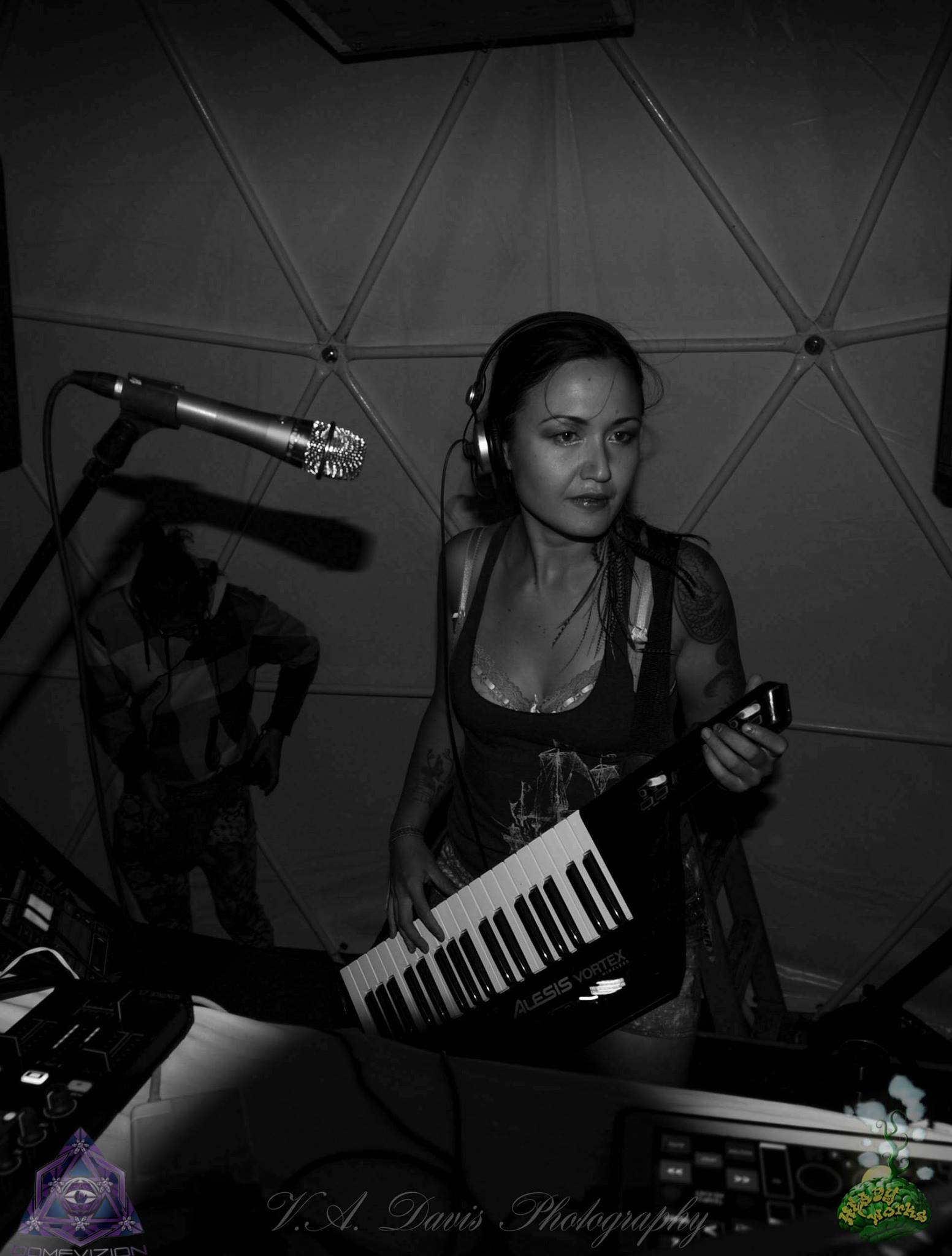
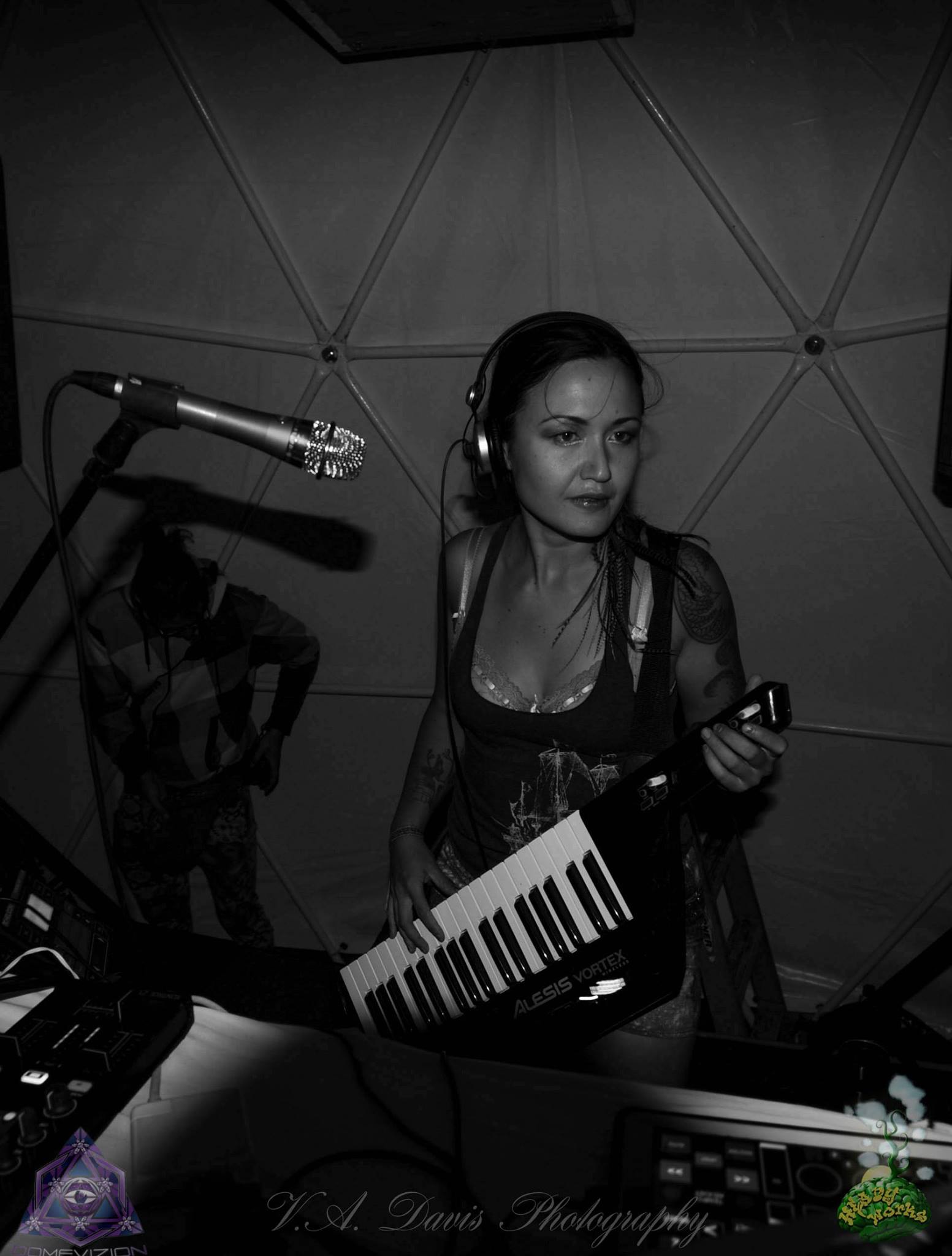
Recently I had the pleasure to interview ill-ēsha. Music producer, vocalist, songwriter, composer, DJ, musician and more; ill-ēsha radiates artistic talent and the more I read her artist’s bio. It was evident how vast her range of art forms within various industries could be applied to. On April 9, 2017—ill-ēsha will be performing at the 2017 Euphoria Music Festival at Carson Creek Ranch in Austin, Texas. Euphoria Music Festival is showcasing over 70 artists this year and even though ill-ēsha has visited ATX many times for festivals like SXSW and feels at home in the capital of Texas. This will be her first show at Euphoria and Austinites are delighted.

Formally known as Elysha Zaide and casually known as Elle, “Vancouver-born and Colorado-based music producer, artist and DJ ill-ēsha has crafted a long-standing soundscape of electronic bass music throughout her career, continuously evolving her musical stylings and bridging gaps between hip-hop, dubstep, R&B and future bass music. Ill-ēsha is recognized as an extremely rare and diverse, burgeoning artist in the EDM scene. Her live set showcases her incredible talent to sing, DJ, and simultaneously rock her keytar. She is one of few electronic artists to blossom throughout the progression of different musical trends while still focusing on her artistic vision and authenticity. Constantly evolving a dynamic stage show, ill-ēsha is a perfect example of electronic music’s transition towards live instrumentation and indie pop sensibility.”

P4180111

Nicolette Mallow: You have one of the most interesting music backgrounds out of all the composers I’ve interviewed. Your skills are so extensive, and you’re so musically gifted. A producer, DJ, vocalist, composer, songwriter and more. I loved reading your Bio… Did you always know you wanted to make music? Or did music and the arts choose you?

ill-ēsha: I was always very drawn to many different forms of art. As much as I loved music. I was also into theater arts and that was a potential path for me. Even in high school when I was already DJ’ing, I also partook in a theater company and visual art. Performing arts was my artistic expression for a long time. But yes, I’ve had a tendency towards the arts since I was a kid. I was born into a  family with lots of artists. 

NM: I read you love classical, world jazz and cinematic music—and that you completed Royal Conservatory piano training. That program sounds so fancy and challenging. Is this where you began to learn music?

ill-ēsha: (she laughed) Well, it sounds fancier than it is. It’s just another method to learn music, like the Suziki method. Royal Conservatory is simply one of many systems similar to a competitive sport or grade levels. The more you learn and excel at each level you pass on to the next. My mother was passionate about piano and she always wanted to play. I began taking lessons at 4 years old. I continued to take piano classes until I was 12.

NM: You have a spectacular voice. I loved the demos, especially the animation video… How did all this begin? Can you tell me a little about Speech Level Singing?

ill-ēsha: Seth Riggs created Speech Level Singing (SLS) in the late 70’s. It was a school of thought to help train vocal muscles. Artists like Michael Jackson and Aretha Franklin studied it. Since I am a self-taught vocalist after years and years of rigorous piano. In my 20’s I got into Speech Level Singing to learn how to control my breath better. SLS was sort of a style that purely worked out your vocal chords. It appealed to me because I am not jazz or an opera singer. I’m not an Ariana Grande or Celine Dion with a big, booming voice. I am a musician of all types, not just vocals. Once you have a voice: you go all directions developing it and SLS was a way of developing mine. 

NM: What did it feel like to place in the top 3 finalists for The John Lennon International Songwriting Contest?

ill-ēsha: That was a long time ago, but the coolest thing about that award is I was given a few hundred dollars and I used it to buy my first Serato. (A DJ program with turntables and a laptop.) Up until then everything was pure vinyl, so, thank you John Lennon Songwriting Contest for helping me buy my first Serato. But yeah, songwriting is something else that I do. My roots is songwriting. 

NM: What is the title of the lyrics you wrote and submitted for the contest?

ill-ēsha: “Broken Windows”. 

NM: Vancouver is your hometown and I hear it is beautiful. I hope to visit Canada next year. Now that you’re based in Colorado, do you feel like it reminds you of Canada in any way? I would imagine it’s easy to miss the seaport of Vancouver but the climate in CO perhaps reminds you of home?

ill-ēsha: It’s 50/50. I love the mountain life in Colorado. Before I moved here, I lived in San Francisco. Honestly I considered moving to Austin because I love it so much there, too, but I chose Colorado. 

NM: Speaking of Austin, how did you come to be involved with Euphoria Music Festival? And what can we expect to enjoy during your live set at the festival? 

ill-ēsha: ATX is one of those cities that’s been supporting me for a long time, all the way back to my tracks with Gravitas. Over time I’ve interacted with most of the promoters. I feel very lucky to have played at SXSW and so many other venues. Austin has become a home for me. Really I was torn between Denver and Austin. Ultimately, the weather in CO won me over. But I love Texas and I feel like its one of my strongest markets. It’s very cool to be involved with the music scene in Austin… Euphoria is one of the first festival types I’ve performed, and I will be sharing a lot of new content. Anyone who sees me, even old fans, will have something new to look forward to. Over the years I have evolved. Now that I make so much music in the last few years. What I’ve found is that I want to divide the sets I do and remain conscious of the environment. Live shows are compelling and people enjoy festivals. But for instance, nightclub people want the DJ energy. They want to dance and they want the drum and bass. The booth is tall and people can’t see me or my live set up, they just hear me and my music. However, festivals are more intimate with an open stage. There are more live elements, like my keytar. I’ve been taking a lot of time in the studio to write, collaborate and create new art to suit the time and place of each set. 

NM: Will you tell me about your transition from DJ to headlining performer and Producer? I liked your quote about wanting to participate in the music and not just the culture. 

ill-ēsha: I’m not much of a bystander. I enjoy art from being part of the process. I love film but I don’t actually sit around for long periods of time watching movies. I want to score and write for them. I wanted to be part of it. I started off with singing and DJ’ing. I wanted to control beats and make music. The deeper I got into it, the more deeply I realized I wanted to be part of production… About 10 years ago was sort of the turning point. All in all I’ve been in this industry for 20 years, since I was really young. The first ten years were very much passion projects and you could really tour and do live shows. I worked other jobs, too, and went to college. Touring and other jobs helped pay off student loans. Right around 2008 or 2009, I started feeling discontent. I was not feeling inspired. So I decided to go back to music as contractor and post-production for TV shows and editing. I regenerated and began making a new style of music. It was fun and different. It wasn’t simply drum and bass. At that point I just kind of discovered new people without the pressure. Re-inspired an online chat forum and people became receptive and started signing it. And that’s when I moved to SF and production became a full time priority… Ultimately my passion project and my true underlying goal is to give back and inspire young creative people. I was sort of an angsty teenager. Bummed out by life. Music saved me. Being a mentor, a guide and to give connections to the young artists and young creatives means a lot to me. 

NM: What was it like touring with Bassnectar? I adore his track “Butterfly” featuring Mimi Page and listen to it all the time. 

ill-ēsha: Touring with Bassnectar was pretty magical. I feel so lucky I got to experience that. It was only a few Southern tour dates and New Year’s Eve shows. I loved it though! Bassnectar is a big symbol of my music scene. Bassnectar created the west coast music sound within the DJ world. It was an honor to get to open for him. This is the guy who took it from A to Z.

NM: Last question, listening to your music on SoundCloud I heard a track called “Ghostwriter” with opening audio talking about computer hacking. Why did you choose to write about a computer hacker? 

ill-ēsha: In the 1990’s there was a children’s TV show called “Ghostwriter”. A lot of the samples in that track are from a single episode that I found to be cute. “Ghostwriter” was an educational kid’s show and that episode was about early internet. Teaching kids about hackers. At the time I was learning more about computers and I definitely enjoy digital nostalgia of different era’s because I’ve been through them all. As a child of cross generation analog and digital and I remember both… it’s always on my mind. 

For more information about ill-ēsha:  please visit her website at www.ill-esha.com. To listen to samples of her music please visit ill-ēsha’s SoundCloud page at https://soundcloud.com/ill-esha

Psyche Jewelry by designer Nina Berenato launches retail boutique on Barton Springs in ATX

psyche_grandopening7

Nina Berenato. Photography by Reese Vonderschmidt.

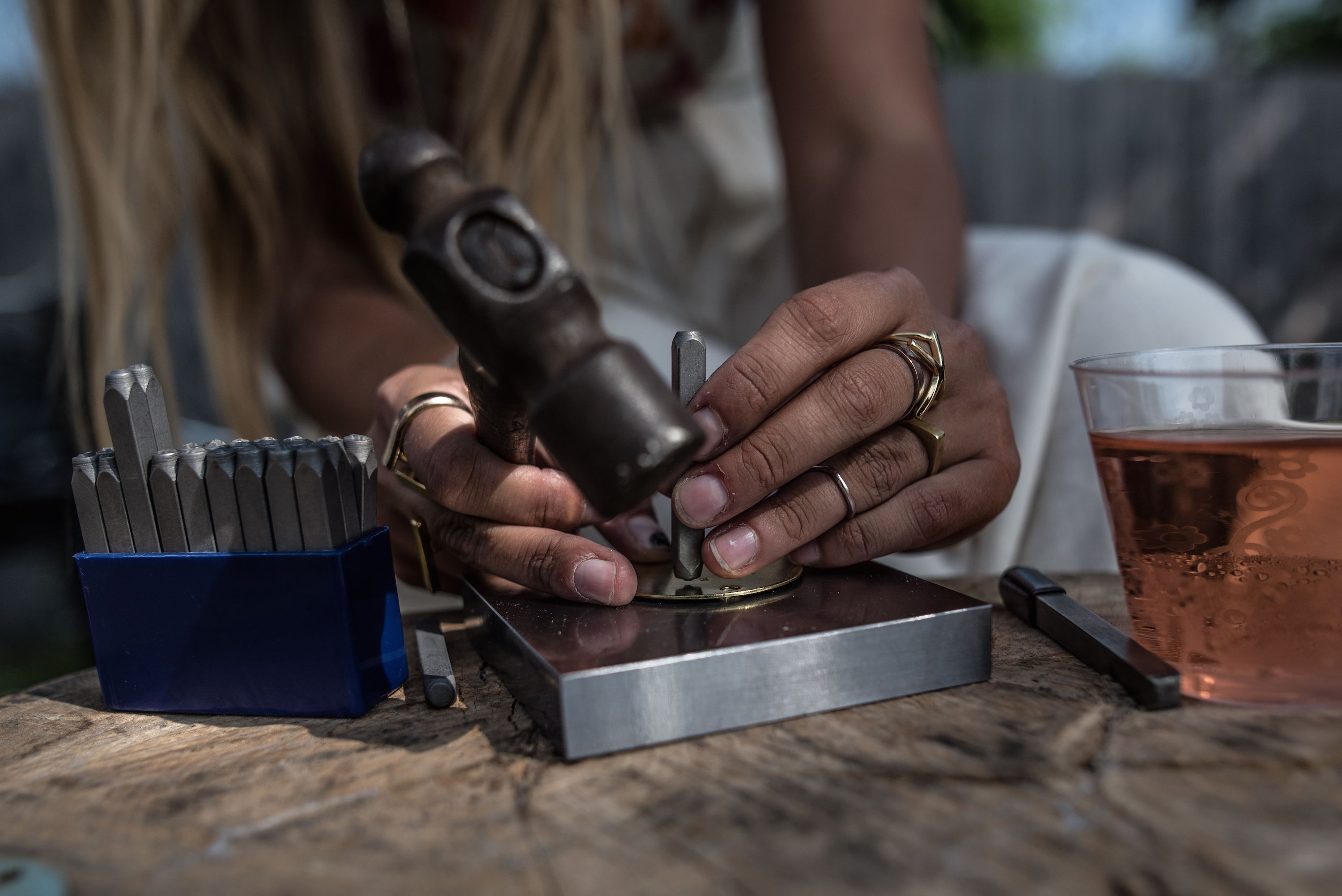
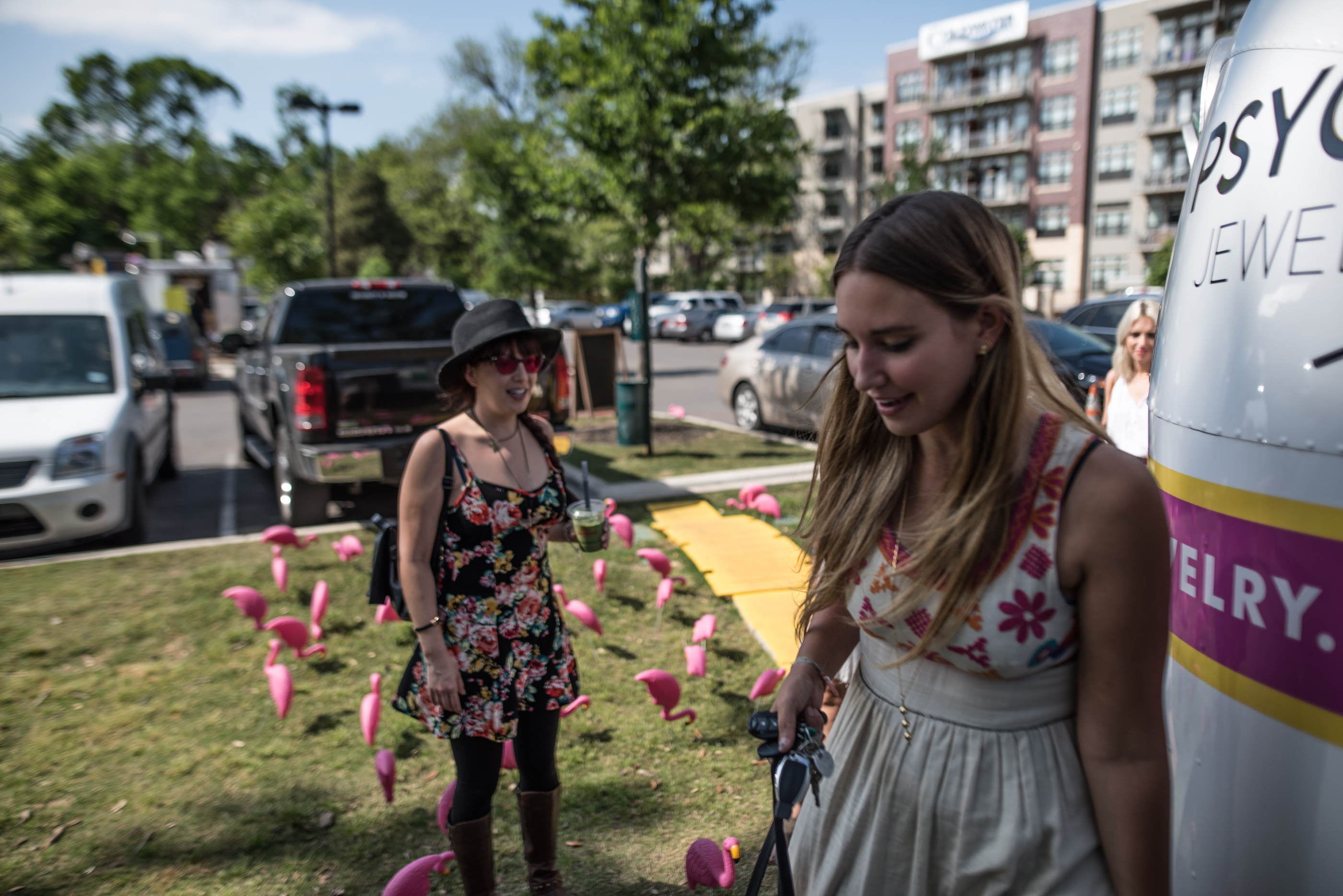
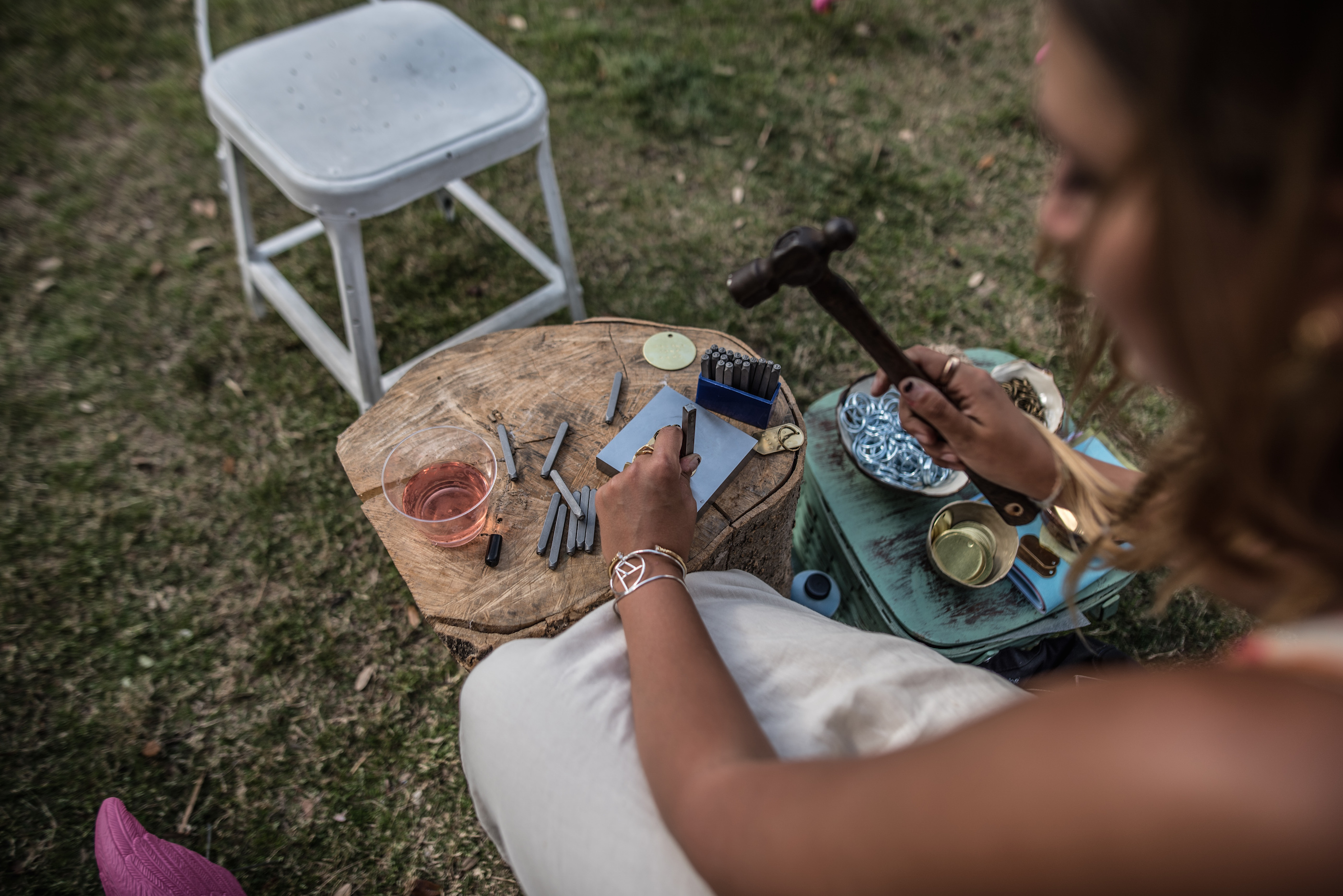
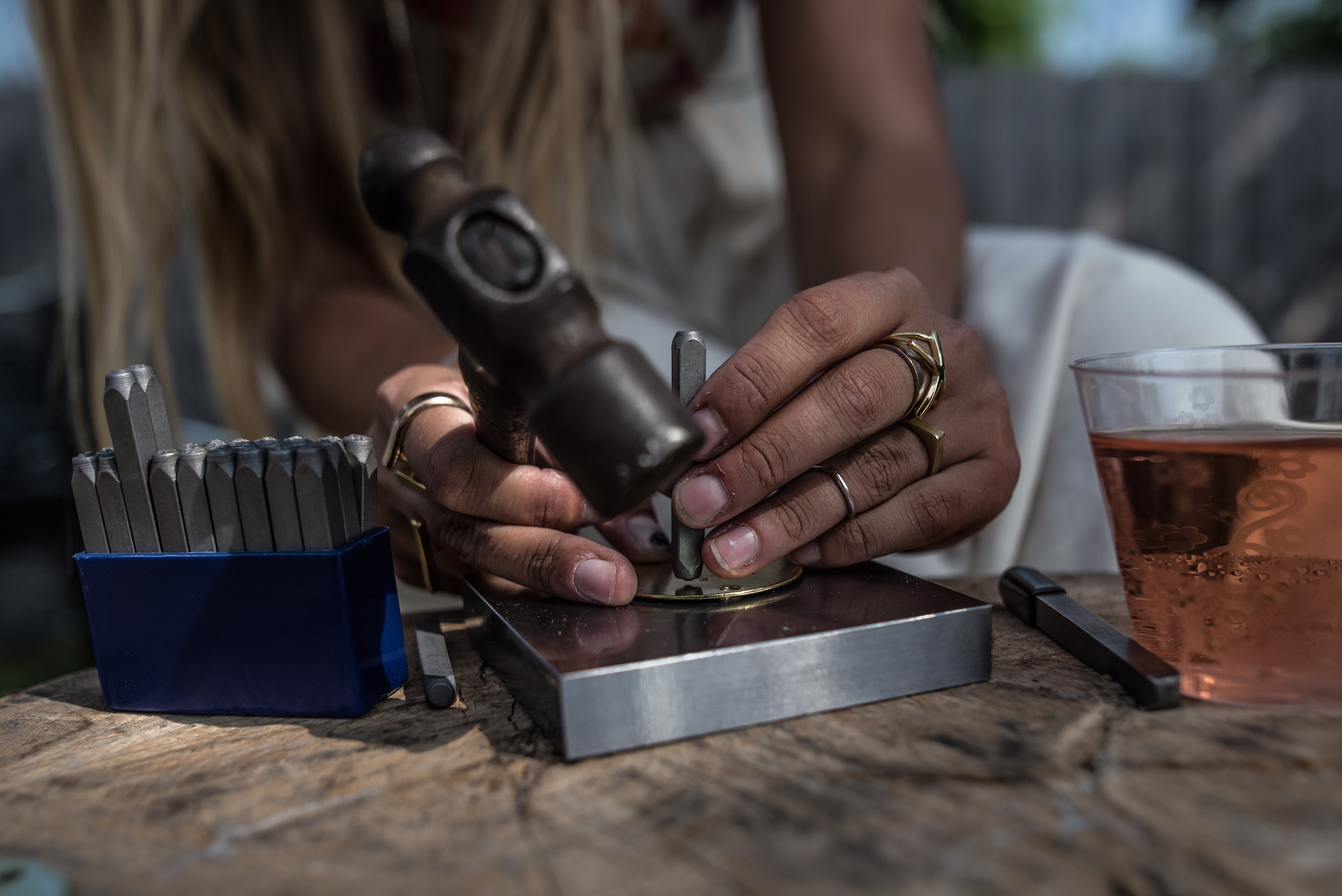
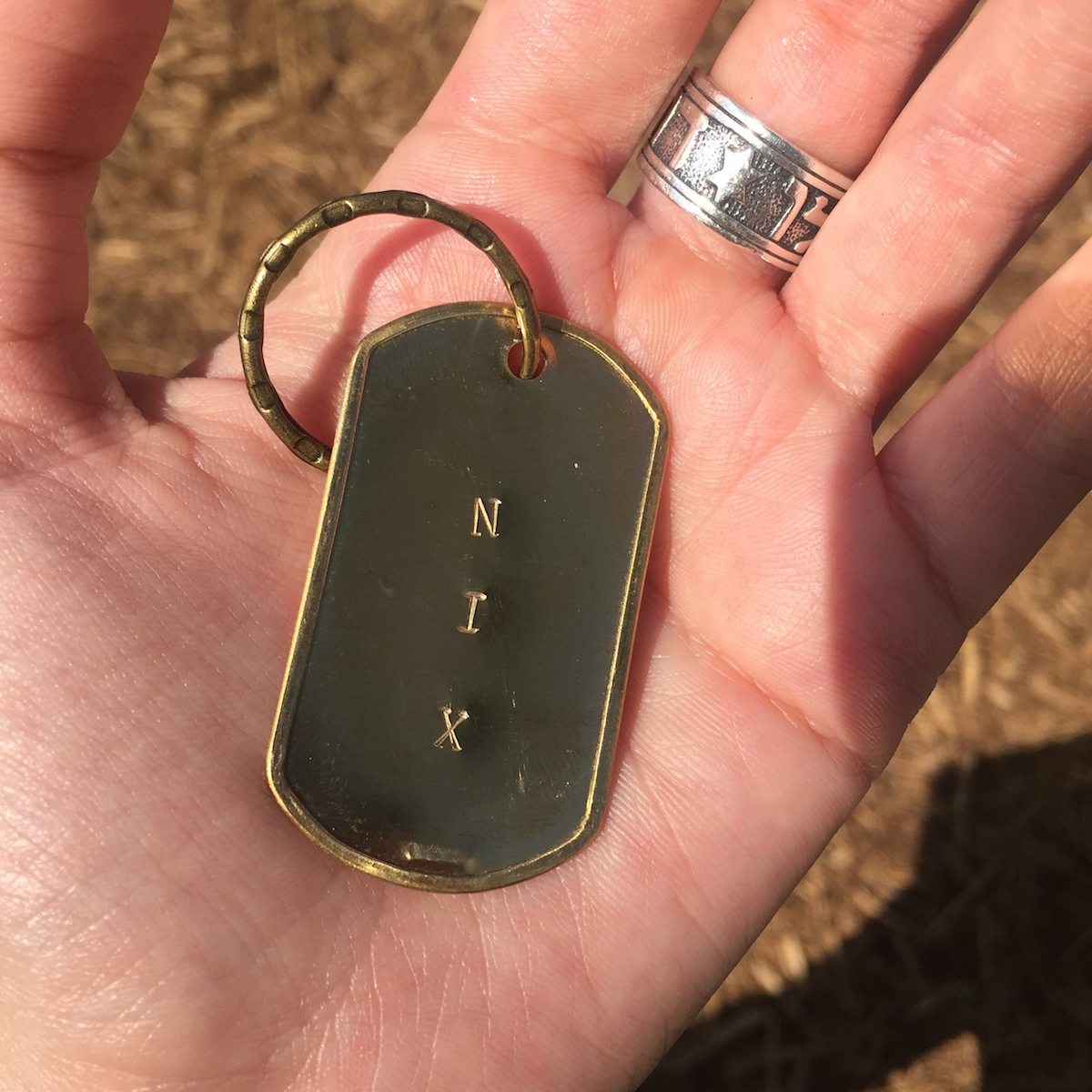
On April 9, 2016 an exclusive, media-only launch party was held to celebrate the opening of Psyche Jewelry’s first boutique. Designer Nina Berenato consented to an interview with writer, Nicolette Mallow for Examiner.com.Founder and Designer of Psyche Jewelry, Nina Berenato, has launched her first ever retail boutique in Austin, Texas and an exclusive, media-only opening party was held on April 9, 2016 during the late afternoon. Beginning a jewelry career in Brooklyn—Berenato has now made a debut in Texas and the party celebrated her arrival and showcase of Psyche design collections. To much delight, attendees of the party were offered the chance to have a piece of metal personally engraved by the artist. Nina Berenato hammered alphabetic letters, initials and quotes into the metal for all guests and it was a pleasure to observe her hands work. The party also featured a braid bar sponsored by PRIV, readings by Psychic Betsy, live music, dessert and wine. Tealights glowing in the background when dusk arrived.

To listen to a recording of their interview, please visit Mallow’s YouTube page or click here.

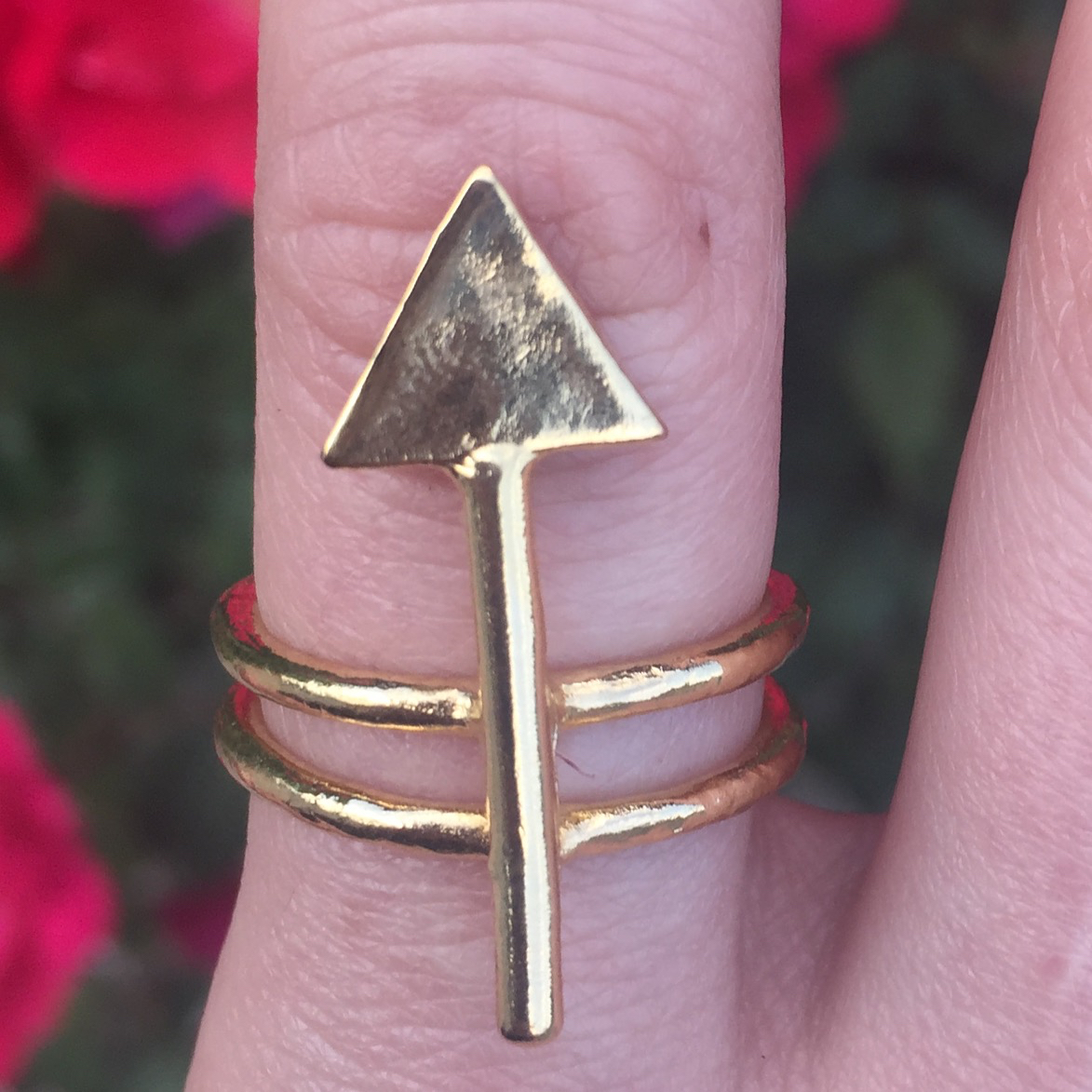
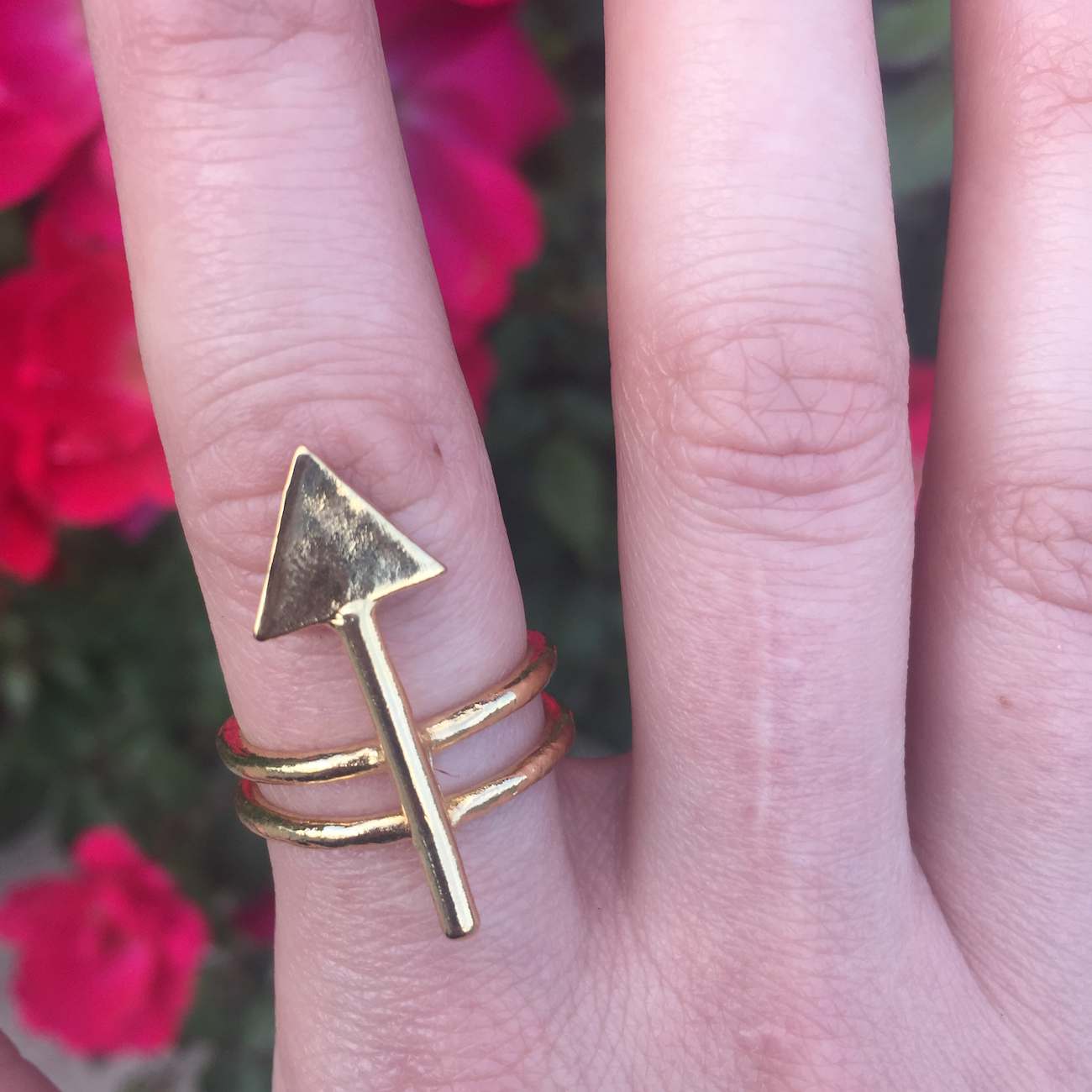
Psyche Jewelry’s mobile boutique is located at The Picnic near Zilker Park. “The Picnic is Austin’s premier food trailer park located on Barton Springs Road in the heart of Austin.” And Berenato’s mobile, to-go shop will be located here for the foreseeable future. Periodically, Austinite’s can also expect to find her at other local artisans fairs. Her jewelry designs possess a lot of metallic. A lot of gold and silver shines and tantalizes the eyes. Geometric shapes, keys, arrows and circles are evident, too. Despite the strong metallic presence, Nina Berenato intertwines colorful stones into the designs as well. Her designs are dainty and intricate, yet strong and bold. A mixture of Greek and modern day. Berenato has a refreshing skill of combining masculine and feminine to her collective.

  • nicolette mallow

The jewelry collections for Psyche include the following lines: Sophosyne, Hidden Universe, Anti-Symmetry, Time Traveler, Shaman’s Trance, and Warrior. A little more about the name itself, “Psyche is the muse of Designer, Nina Berenato. The myths of the Greek goddess inspire Nina’s designs and reflect the journey toward personal growth. Nina’s work is a reminder of the defining emotions, thoughts and experiences that make each of us unique. The collections evolve with each passing season. Bridges of experience allow the past to inform the present, creating something for this moment. Something wild and beautiful. Something for our journey.”

During the media party for Psyche Jewelry, Designer Nina Berenato took the time to chat with Austin Examiner, Nicolette Mallow. An audio recording of the interview is included above. Take a moment to listen to Berenato speak of her childhood, learning the Greek myths during bedtime stories and how this love of the story lead her to become a jewelry designer. Take a moment to listen to the start of a journey for a jewelry designer, metalsmith and goldsmith. Within the interview, Berenato talks about her passion for design, the launch of her own branding and the learning process of designing her artistic craft. The interview also entails discussion about Berenato’s affinity for time travel, romance, authenticity and cultural influences.

To view Nina Berenato’s collections or purchase jewelry and other design pieces, please refer to Psyche Jewelry’s website at www.psyche-jewelry.com.

  • nicolette mallow
  • nicolette mallow
  • nicolette mallow

Note: This article was originally published on Examiner.com in April 2016.  Since it was published, Psyche was changed to reflect the designer, Nina Berenato and the website is now https://www.ninaberenato.com/.

Crystal Mangano composed the score of documentary film “Asperger’s Are Us”

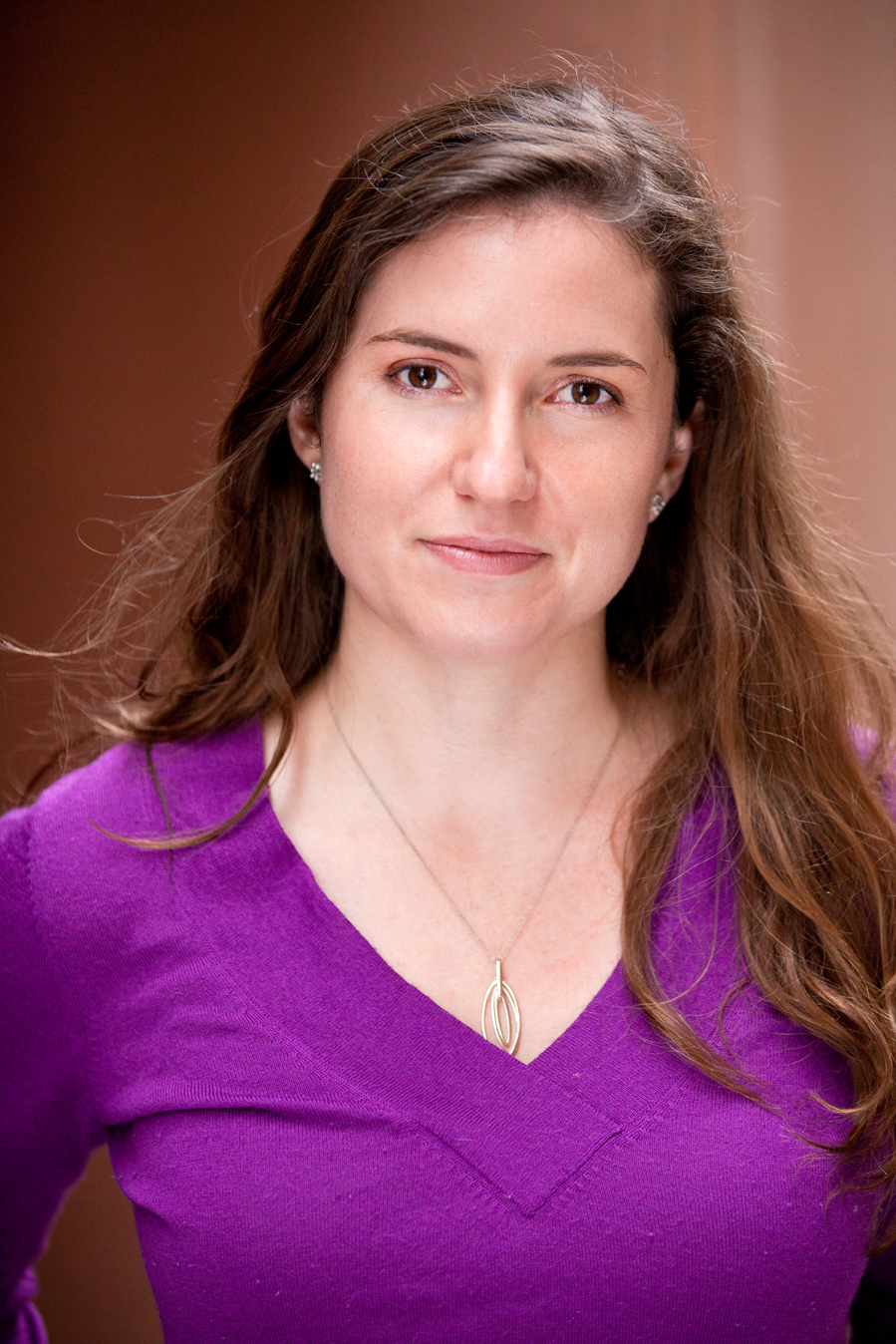
Photography provided by CW3PR.

Crystal Grooms Mangano is a composer that has created music for film and television, and her most recent project was for the documentary film “Asperger’s Are Us”. The film made its grande debut at SXSW 2016 in Austin, Texas. During this time: Netflix bought the global streaming rights to the documentary, “Asperger’s Are Us”.

To talk more about her musical background and composing the soundtrack for “Asperger’s Are Us”— Composer Crystal Grooms Mangano chatted on the phone with Austin Examiner, Nicolette Mallow. The phone interview took place shortly after the end of the The SXSW Music, Film and Interactive Conferences and Festivals 30th anniversary held in March 2016.

SXSW 2016 ran a synopsis of the film containing the following: “For the members of the comedy troupe “Asperger’s Are Us,” it’s easier to associate with a faceless audience than with their own families. No matter who the crowd, best friends Noah, New Michael, Jack and Ethan have one simple mantra: ‘We would much rather the audience appreciate us as comedians than people who have overcome adversity’. In this coming-of-age heartfelt documentary, this band of brothers finds themselves at a crossroad. With real life pulling them apart, they decide to plan one ambitious farewell show before they all go their separate ways. People with Asperger’s don’t deal well with uncertainty, and this is the most uncertain time in their lives.”

Nicolette Mallow: I read your biography about your compositions for film and television, but will you tell me the overview about how your journey as a musical composer unfolded?

Crystal Grooms Mangano: I began playing piano in the 1st grade. Then I added on the flute, the electric bass and I participated in as many music groups as I could while I was in school. Back then I started composing piano pieces. And I loved playing piano reductions of film scores, which I know frustrated my piano teacher. Like the time I brought a piano piece from “Seven Years in Tibet”. In college, I studied music and film together at Montana State University because I wasn’t sure what I wanted to pursue. Their dual degree program allowed me the freedom to learn both spectrum’s… I sort of created my own path by absorbing, learning and combining as much as I could from studying film and music. Practicing both at the same time. I met so many people in both departments. It gave me a great background into all aspects of filmmaking, editing, directing and music. Sort of like learning the ground base for what goes into making a film… When I got to LA, it was a big change and a bit of an adjustment. I was born in Casper, Wyoming and then moved to Montana. But I have grown to love Los Angeles. During the last four to five years is when I really started composing for film and television.

NM: Do you have a process when composing music for film and TV? Or does it alter depending on the project?

CGM: Yes, it depends on the project and the Director. A composer can come on at any point in the project. A composer can begin as early as the script, or as late as when the film is being edited at the end. I recently worked on a horror film and I read the script in advance and then submitted a demo to the Director while he was editing. And then once they were finished, I came back and created the complete score… During the making of “Asperger’s Are Us”—I came in close to the end when they were almost finished editing. I didn’t have much time to think about the music. Before writing anything down, I watched the film multiple times. Just because I really wanted to know as much about the story as I could, first. One of the first tracks I sent was “First Rehearsal” when the guys are looking for a place to rehearse. The scene shows their personalities and struggles; exterior influences. They so much want to focus on themselves and are having so much fun with it all. And I wanted to portray the spirit of their comedy troupe. They do it because they love it and their friendship becomes formed around this comedy troupe. But they don’t have a space so they keep getting kicked out of places and it’s not going smoothly. The score at times is a little off-kilter and a little unconventional as far as instrumentation. I wanted to show they’re having fun and that’s the point of what they’re doing.

NM: I listened to your tracks several times. The music is so playful, fun and it makes me want to go on a walk outside or take an adventure somewhere. There is something about the music that reminds me of youth and the playful mood of being young and free… Music is so powerful. When you’re creating music for a project, does it affect your mood? I would imagine the horror music was vastly different than this documentary.

CGM: Music is powerful and it does affect my mood. I really have to get into the same mindset as the music I am trying to write: anxious, happy, subdued. Whatever mood it may be, yes, it can be difficult because I really have to get into the film. “Asperger’s Are Us” was really light and cheerful as opposed to the darkness and eeriness of a horror film.

NM: I read that you run marathons… Does running help calm your mind and help you write?

CGM: Running clears my head. Running gives me space for my thoughts. First part of the run, I am thinking and stressing about projects. But once I get into the run, that space clears and I am able to enter a creative place. I come up with a lot of ideas and bring them into the studio after a run. The more you sit and work, the more you get where you don’t know if you’re having fresh ideas or not.

NM: Do you have any advice for up-and-coming artists entering the entertainment industry?

CGM: My advice would be that if you’re going to pursue something to remember why you want to do it. Always remember, never forget. For me, when I am getting upset or I am frustrated by the process of it all—whenever I feel burnt out or discouraged: I remember why I love this. I remember that it makes me happy and brings me joy. Keep that remembrance and the love of it all the focus if and when you get caught up in the politics of the industry. Don’t lose sight of why you want to be there. Always put that love and that positive energy into your work.

To read more about Crystal Grooms Mangano and her biography, please refer to her website at www.crystalmangano.com. Stay tuned for the film “Asperger’s Are Us” to appear on Netflix.

 Note: This article was originally published on Examiner.com in March 2016. 

nicolette mallow

Bob Roth talks Transcendental Meditation and dharma at Prevention’s R3 Summit

nicolette mallow

Bob Roth. Photo Credit: Jack Plunkett.

Transcendental Meditation teacher Bob Roth spoke on the opening night of Prevention Magazine’s R3 Summit at ACL Live at The Moody Theater in Austin, Texas on January 15, 2016. Self-transcending meditation was the focus of his speech. Bob Roth explained how this unique and timeless form of meditation could transform people’s lives for the better. Living in a such a stressful world where everything around us is moving at a hurried and constant pace, it can be immensely difficult, if not beyond overwhelming, for us to take complete care of ourselves: body, mind and soul. Through the course of his interactive presentation, Roth guided listeners through the scientific process as to how transcendental meditation and its sound mantra practice can help strengthen the brain and relieve trauma, stress or stagnant energy that’s locked in our minds. This form of meditation even lowers high blood pressure, reduces chronic pain and depletes excess amounts of Cortisol levels, a hormone that is directly related to stress. He described the end result like being in a state of dharma.

  • nicolette mallow

Sharing stories of healing and delivering an insightful overview of his life’s work. A career that began in 1968 around the age of 18, when Bob Roth started to change his diet and even studied Prevention Magazine. Roth emphasized and explained the immense empowerment and peace-of-mind that comes from transcendental meditation (TM). He expressed the ‘constellation of positive changes’ and scientifically described the peacefulness that comes from integrating TM® into the routine of our daily lives.

Bob Roth is one of the most experienced and sought-after meditation teachers in America. Over the past 40 years, Bob has taught Transcendental Meditation to many thousands of people and authored an authoritative book on the subject, fittingly entitled, Transcendental Meditation, which has been translated into 20 languages. Bob currently serves as the Executive Director of The David Lynch Foundation, a 501(c)(3) charity which has brought meditation to over 500,000 inner-city youth in underserved schools in 35 countries, to veterans and their families who suffer from post-traumatic stress, and women and children who are survivors of domestic violence.”

Fortunately, Mr. Roth also had a moment to speak with an A&E Austin Examiner, Nicolette Mallow, regarding this ancient form of meditation.

Nicolette Mallow: During your presentation, you mentioned that you’re deeply focused on helping children, homeless shelters and veterans suffering post-traumatic stress disorder (PTSD). And I do believe that people find immense peace and calm through transcendental meditation. The end results are obviously beneficial and worthwhile. But it can be hard for those who’ve endured such trauma to sit still in the silence and close their eyes. How do those beginning TM® overcome the struggle to find the patience and stillness to meditate with such internal angst? How do people overcome their turmoil and meditate in peace?

Bob Roth: That’s a beautiful question… Transcendental meditation doesn’t enter darkness and it’s a very forgiving practice that is practically effortless. Closing our eyes and looking into the dark can be scary. TM® is not scary nor is it a grueling process that sets off triggers or trauma. It’s a very charming, peaceful form of meditation. It does not evoke darkness on any level, and it feels like being in a state of dharma. Therefore people want to repeat it because it brings out positive feelings: a complete state of peacefulness.

NM: Does it take a lot of time to learn and is it hard to integrate into daily routine?

BR: It does not take much time to learn and it’s an easily acquired skill. This is why we have TM® teachers to help others begin the sound mantra meditations over the course of four days so it’s imprinted into memory… Frankly no one has the time. But what’s the alternative? Stress destroys life and it’s toxic. If we make the time twice a day to meditate, the results are remarkable and deliver an inner-calmness, ease, peace and state of happiness. Every aspect of our health and mental wellness improves after meditation. Transcendental meditation protects and regenerates the body. It’s very cleansing and the feeling of awakening and resilience is very purifying.

For more information regarding Transcendental Meditation and where to locate a TM® teacher in your area: please visit their website at http://www.tm.org. Lastly, if you are a veteran or know a loved one that served and is in need of cost-free healing: The David Lynch Foundation also has a division, Operation Warrior Wellness (OWW), that serves veterans in need of healing. Donations to sponsor a veteran can also be submitted on their website.

Note: This article was originally published on Examiner.com in January 2016.

nicolette mallow


Tears of Diamonds & A Heart of Silver: The Legendary Bill Carter and The Blame

nicolette mallow

Bill Carter. Photography by Pat Kondelis.

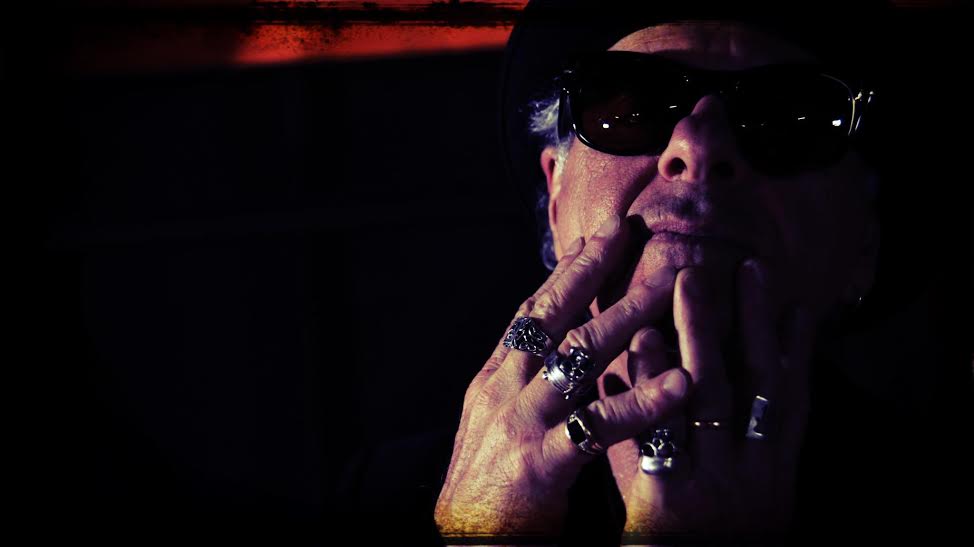
Walking into The High Road to see Bill Carter play music, I knew I would recognize him on stage but I was ambivalent whether or not he would recognize me in return. For six years at a distance, periodically on Wednesday nights I’ve seen and heard Bill Carter perform with other artists in the annex at Z Tejas on West 6th street in Austin, Texas. Everyone always loves the nights they perform at the Z, even the staff. Sometimes you cannot even get a seat because it’s so full. From a distance I noticed Mr. Carter always wore glasses, a hat of some sort, and I detected that he possessed a lot of tattoos on his hands and forearms with heavy-looking, silver and metallic jewelry adorning his wrists, fingers and neck. He looked like a rock star, and I always thought he must’ve been a cool cat to talk to. Come to think on it, I never actually had a direct conversation with Mr. Carter, or the band, even if polite hellos and friendly smiles were exchanged. Until today.

Stepping back in time a moment, there was one particular night at the Z when I was sitting at the edge of the bar, people watching. Musicians were on stage, silently setting up shop with their guitars, amps and other miscellany. Pretending to listen to my headphones and iPod so no one would bother me, when in actuality no music was playing at all. I heard a group of older men complimenting the musicians. Pointing out who Bill Carter was amongst the group, I also heard the men say that Johnny Depp once joined Carter on stage to play music at The Continental Club, which I found most interesting and exciting.

This slideshow requires JavaScript.

 Finally, after six years of watching from the crowd, I set forth to interview Mr. Carter, and he was kind enough to oblige after the show at The High Road on March 14, 2015. Walking into the room for an early daytime show, behind the stage were giant glass windows that opened up to a swimming pool and a lovely view of downtown Austin. The sky was so blue and there wasn’t a cloud in sight. Palm trees blowing in the wind. I was sitting and listening to Bill Carter’s first song – “Richest Man” – which almost made me cry, in a good way, and I had to fight the urge to show intense emotions of sadness and bittersweet nostalgia at the table before it’s even dusk. Something about the lyrics and the mood of this track reminded me of my favorite song by Bob Dylan titled “Boots of Spanish Leather”.

“If teardrops were diamonds from the African mines. If heartaches were silver.

My whole life would shine. And I’d be the richest man.

I’d be the richest man. In the world.” – Bill Carter

Right at that moment, I looked up the lyrics of Bill Carter’s song. I was reading the words as he was singing them at The High Road, something I had never done before at the Z. Suddenly it dawned on me that I had yet to do my research on his background – or even read his website – which I had intended to do later on in the day. Regardless, as I was reading his website off my iPhone and other various articles about him on the web while he music echoed in my heart and ears. Suddenly I realized just how gifted and innovative Bill Carter is within the world of songwriting and music. Suddenly I felt stupid for never having personally introduced myself to him before to show respect, artist to artist. Until then, I was unaware that I was in the presence of a legend, a keystone to the songwriting and music industry the past few decades. Even if I had known I was in the present of a talented musician.

According to his website, Bill Carter and The Blame has been a pillar of the Austin music scene for nearly three decades, helping shape the city’s rich musical history along with songwriting partner Ruth Ellsworth. Over 200 artists have found gold in the songwriting genius of this Texas Troubadour, including Stevie Ray Vaughan, The Fabulous Thunderbirds, Robert Palmer,The Counting Crows, Storyville, Omar and The Howlers, The Brian Setzer Orchestra, Ruth Brown, John Anderson, and Waylon Jennings. Bill Carter and The Blame’s evolving lineup has hosted some of the world’s greatest musicians, including guitarists Charlie Sexton and Denny Freeman (Bob Dylan Band), Chris Layton (SRV Double Trouble), Dony Wynn (Robert Palmer), Mike Thompson (The Eagles), Johnny Depp, Billy Gibbons, Brian Setzer and many others. Carter is also a founding member of the famed Hollywood band “P” with Gibby Haynes of The Butthole Surfers, Johnny Depp, and Sal Jenco. They released the eponymous album ‘P’ in 1995 on Capitol Records, featuring Steve Jones from the Sex Pistols, Flea, and Ruth Ellsworth.”
bill-late

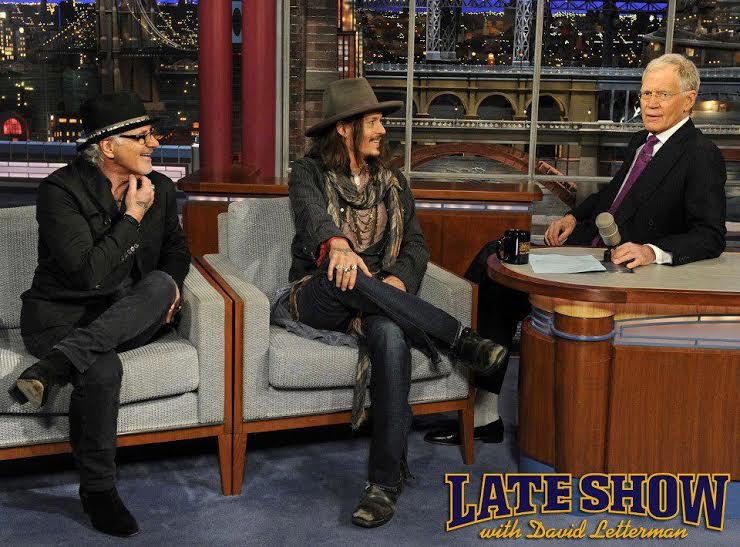
Bill Carter and Johnny Depp on The Late Show with David Letterman.

As the show at The High Road came to an end, I was almost too timid to walk up to the stage to introduce myself and kindly ask for an interview once he broke down his equipment on stage. Though I am glad I mustered up the courage to make a proper introduction and ultimately write a story about this great artist. Secretly I was also relieved that he recognized me from Z Tejas, which made the introduction less intimidating.

Nicolette Mallow: From the perspective of a songwriter and musician performing in the official SXSW showcase, do you enjoy the festival and how have you seen it change over time?

Bill Carter: Yes. I think it’s great and I think it’s come full circle from how it all began. SXSW has evolved so much over the years. I’ve been in Austin since 1976 and when the first festival took place in 1987: it was predominantly local musicians and it was very small in comparison to what it’s become today, a million times bigger than the start. As time went by, more and more big names came into town, which was nice because it built the festival into something much more powerful. As time went by, however, it seemed to become more about mainstreams artists and less about the local music scene. Now it seems to be an infusion of both, and I am certainly happy to see more local artists performing this year. My wife (and songwriting partner, Ruth Ellsworth) and I first got involved with SXSW through our mutual love for songwriting. She and I have written hundreds of songs together. Honestly I identify most with being a songwriter and I prefer to be recognized as a songwriter more so than I like to be described as a musician or performer.

NM: Regarding the upcoming SXSW show at The Continental Club, which other musicians will be performing with you?

BC: Accompanying me that night will include artists like Will Sexton, Dony Wynn and Charlie Sexton.

NM: Is the Continental Club your favorite venue in Austin to perform at?

BC: (He smiles.) Yes. It is my favorite venue. Many of the venues I grew to love are now long gone. The original Antone’s on West 5th was another place I loved to play music but then it was relocated and it wasn’t the same. They are going to reopen a new Antone’s downtown and I am anxious to see what it is like and if it will have the same vibes as the original location.

My next question was more a question of curiosity. Even though I worried it might seem counterproductive to ask Carter about another artist in the few minutes I had to interview him. I couldn’t help but wonder about the Johnny Depp rumor. I formed a silly, girlish crush on Johnny Depp decades ago after the film “Cry Baby” came out in the 90’s when I was a kid and was saddened when suddenly every girl in the world had a crush on him, too.

NM: I remember hearing at Z Tejas that Johnny Depp once accompanied you on stage at The Continental Club for a musical performance. Is this true?

BC: Yes. I’ve been playing music with Johnny for decades. I’m the godfather of his children and he’s a great friend of mine. We once formed a band in the spur of the moment in the 1990’s called “P”. We were the headlining band for the Austin Music Awards for SXSW. Johnny was in Texas, nearby Austin, filming “What’s Eating Gilbert Grape” and he came into town for the gig. The band included Gibby Haynes of The Butthole Surfers, Johnny Depp, Sal Jenco and I.

NM: You’ve won many awards and have obtained many prestigious recognitions, your career is remarkably full. I’m very impressed by all I’ve read and heard. Therefore I am curious, what aspect of your artistry and your career are the most rewarding and fulfilling?

There was a brief pause before he answered.

BC: Well, my wife and I have written so many songs together. Many of those songs we wrote have later on been covered by artists I respect and admire. Stevie Ray Vaughan covered our song “Crossfire” and Robert Palmer covered “Why Get Up”. To be acknowledged, appreciated and respected by great artists like these whom I esteem, value and respect has been the most rewarding and fulfilling aspect of my career. There was also one night on David Letterman I particularly enjoyed. Johnny Depp and I played “Anything Made Of Paper” together, which is a song my wife and I wrote. It’s about the West Memphis Three case. A case that involved three teenage boys who were accused of murder and placed in jail for life before they even hit adulthood. It’s a powerful story, check it out.

NM: Austin has changed so much in the 20 years I’ve lived here, off and on. Since you’ve been here so much longer than I, and have seen a lot more growth. Do you think you and your wife will stay in Austin with all the vast changes in the city?

BC: That’s a good question. The growth in Austin has been difficult for me over the decades. The venues changed. The music scene changed. The people changed. It used to be a funky, intermingled town that was quiet and serene with a booming music scene. It was cheap and easy to get around. It was so beautiful then. Around the late 80’s, maybe 1988 or 1989, that city died out and something else began to evolve. I’m sure you’ve seen the changes since the 1990’s. Even people who’ve only been here five years can see changes. Now there are 30 story buildings and it’s crowded, expensive and it’s just not the city that I came to know decades ago. I don’t know…I only come in town for shows. I am from Seattle and sometimes I think I would like to keep a place here, and have one there. But I really don’t know.

NM: My last question is a bit random, but is there a reason you’re only wearing two rings on the same fingers of each hand?

BC: (He laughed) Only because I didn’t feel like wearing the others. I own a lot of rings, cuffs and metalwork that I like to wear. It depends on the day or the mood I am in what I will wear. But there is one ring that I almost always wear, aside from my wedding ring. (He says as he extends his right hand). Johnny Depp gave me this ring when the first “Pirates of the Caribbean” was being filmed. It was the first ring made for the movie, and he told me that he wanted a new one made for him with a gold bandana and a pair of eyes made of rubies. So I got this one and I wear it everyday.

Be sure to catch Bill Carter at his upcoming SXSW performance at The Continental Club on South Congress from 11:00 PM to 11:40 PM on March 21, 2015. The official SXSW artist statement for Bill Carter entails the following: Legendary songwriter and Austin Music Hall of Fame inductee Bill Carter has been a pillar of the Austin music community for over three decades. His songs have been covered by over 200 artists from Waylon Jennings to Robert Palmer. Winner of an Austin Music Award for “Best Song of the Decade” and BMI’s Million-airs Award for Stevie Ray Vaughan’s only #1 hit “Crossfire” Carter and his world class band, The Blame, serve up a wicked stew of slyly crafted Americana. Look for a new album slated for release in 2015.”

For more information regarding Bill Carter, future shows and bookings – please visit his website at www.billcarterandtheblame.com.

Note: This story is originally published on Rank & Revue in July 2015.

logo1