Composer Kerry Muzzey talks about writing the score for ‘The Seer’ at SXSW

Kerry Muzzey _headshot

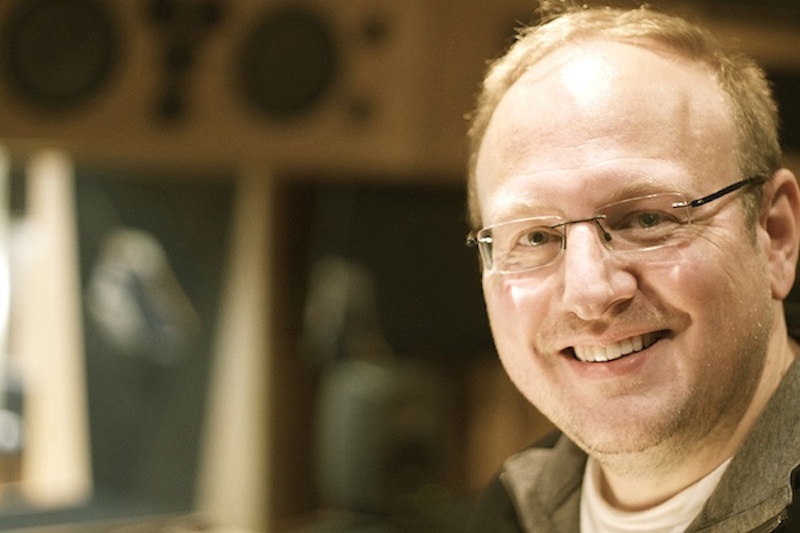
Kerry Muzzey. Photography by Simon Whiteside.

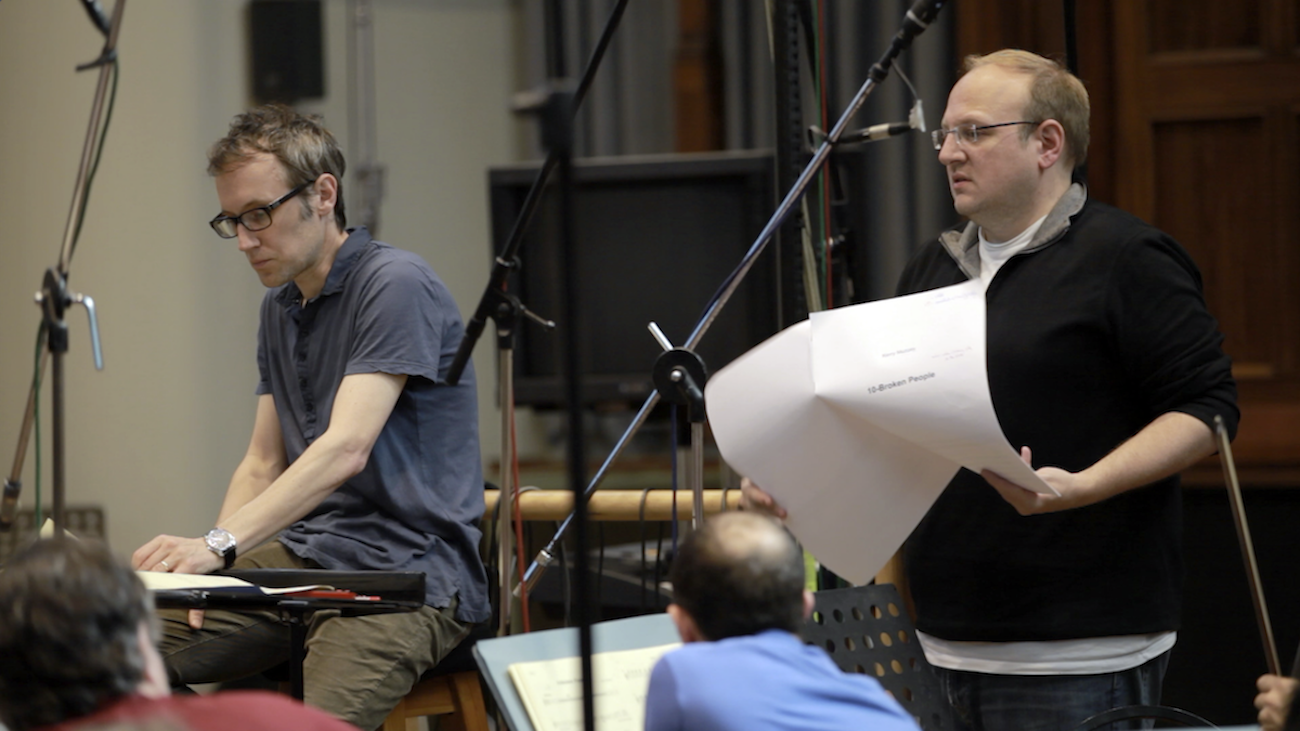
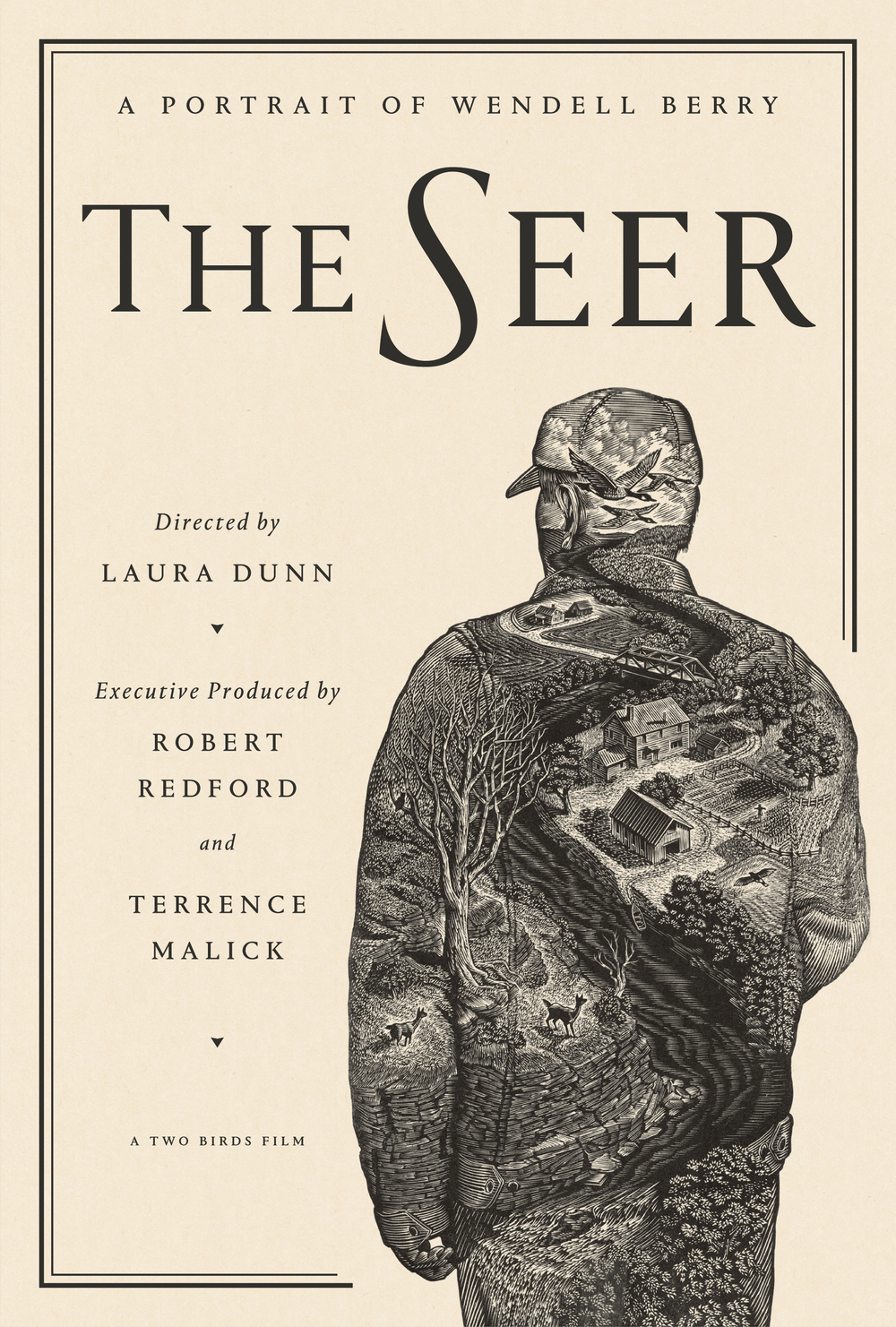
World-renowned modern and classical composer, Kerry Muzzey, wrote the musical score for “The Seer: A Portrait of Wendell Berry”, a documentary directed by Laura Dunn and executive produced by Oscar winner Robert Redford and Oscar nominee Terrence Malick. “The Seer” held its world premiere on Mar. 12, 2016 at SXSW in Austin, Texas. Composer Kerry Muzzey and the crew of “The Seer” hit the red carpet several times to promote their newly released, award-winning documentary. The SXSW Music, Film and Interactive Conferences and Festivals is celebrating its 30th year. And this year “The Seer” was awarded the ‘Special Jury Recognition for Cinematography’ for SXSW 2016.

Music is a key element within the world of cinema and Kerry Muzzey knows how to set the scene, musically, with his innate gifts of sound and music. The score for “The Seer” is absolutely lovely and befitting to the story without dominating or overpowering the documentary. On Mar. 15, 2016, Kerry Muzzey consented to a phone interview with Austin Examiner, Nicolette Mallow, to talk more about creating the score of “The Seer” and his musical background that lead him to Hollywood and SXSW.
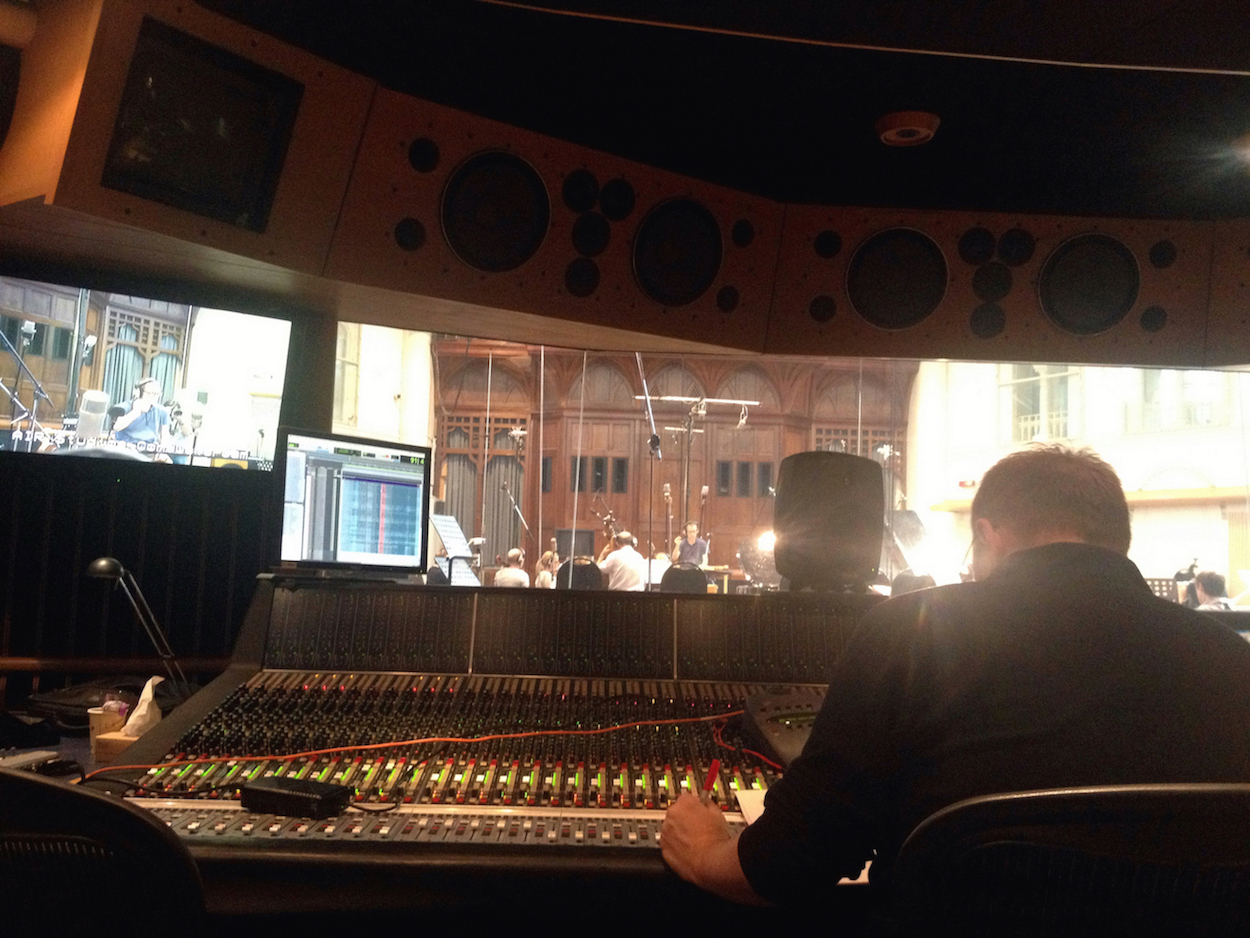
  • nicolette mallow

A little more about the synopsis of the film in preface to the interview: “The story of ‘The Seer’ revolves around the divergent stories of several residents of Henry County, Kentucky who each face difficult choices that will dramatically reshape their relationship with the land and their community… Henry County, Kentucky, like many rural landscapes across America, has become a place of quiet ideological struggle. In the span of a generation, virtues of simplicity, land stewardship, local economies and rootedness to place have been supplanted by a capital-intensive model of industrial agriculture characterized by machine labor, chemical fertilizers, soil erosion and debt—all of which have frayed the fabric of communities. Writing from a long wooden desk beneath a forty-paned window, Wendell Berry has watched this struggle unfold, becoming one the most passionate and eloquent voices in defense of agrarian life… Filmed across four seasons in the farming cycle, ‘The Seer’ blends observational scenes of farming life, interviews with farmers and community members with evocative, carefully framed shots of the surrounding landscape. Thus, in the spirit of Berry’s agrarian philosophy, Henry County itself will emerge as a character in the film – a place and a landscape that is deeply interdependent with the people that inhabit it.”

Nicolette Mallow: When did you begin playing music? Would you mind telling me a little bit about your artistic background?

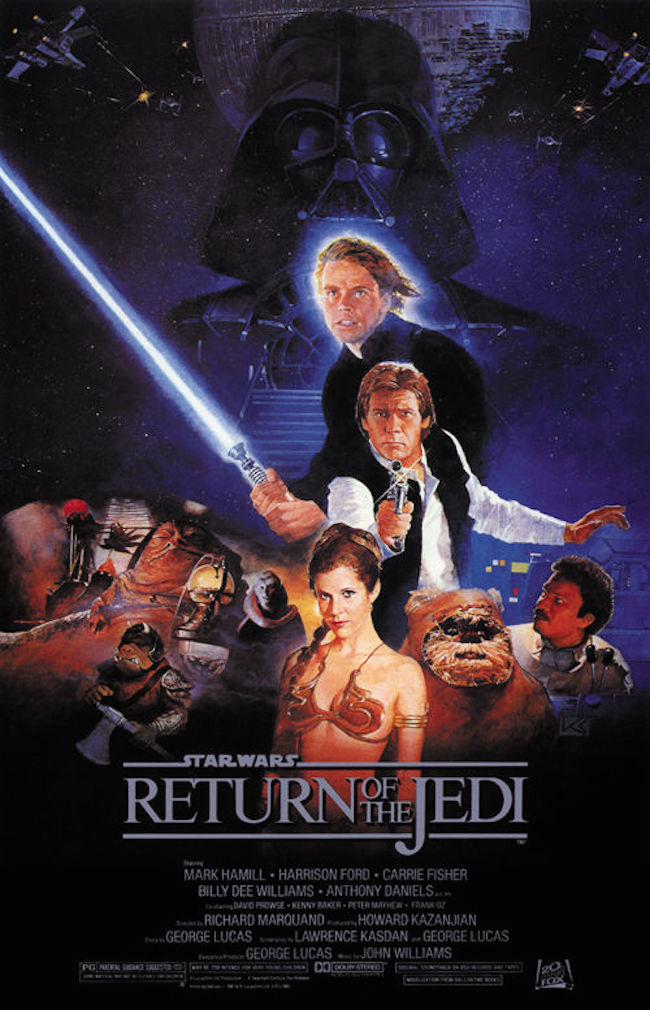
Kerry Muzzey: When I was 10 years old I started learning on classical organ. By the age of 11, I began writing music. But really it goes back even further than that because when I was 6 or 7 years old, I recall going to see “Star Wars”. Sitting there in the theater as a kid, when the film started rolling and the music came out of the speakers: it gave me goose bumps. I’ll never forget the feeling, even now. The music blew me away and all I could think about the rest of the day was “Star Wars” and its musical score. I have extreme reverence for John Williams. And I believe many composers can say that John Williams’ music was and is a true inspiration. Right after that movie I went out and bought the soundtrack on vinyl and listened to it on those giant headphones from the 1970’s. The music sounded like classical but it was more specific and inspiring. It was very intense and evocative for a child because it was focused and in conjunction with the picture… As a child I wanted to be a composer, a spy and an airline pilot. I dreamt of becoming many professions just like any little kid would. Yet I always kept coming back to music. My mother raised me entirely on classical and she told me that when I was in her womb: she played classical music for me and held the headphones next to her belly for 30 minutes a day for nine months.

NM: It seems as if you were destined to be a composer.

KM: Yes, and even though I started writing at the age of 11. It wasn’t until I turned 16 that my mother’s friend moved away and gave us their piano. I remember getting that piano and my family could not pull me away from it… Just the sound of a piano allured me. Complex piano compositions resonated with me so deeply even then. Because when you are playing a physical instrument: you can feel the hammers and strings inside its giant wooden case. It resonates in your heart and your hands. You can literally feel the sound as you’re playing music. It’s very powerful. That is around the time I began writing solo piano stuff. Playing the orchestra I heard inside my head. At the time, technology for music was not yet available to create an orchestra inside of a computer. So, it was a little different back then.

NM: I listened to the score you composed for “The Seer” in its entirety, twice. You wrote such beautiful music that compelled my mind to travel through time and feel nostalgic. The song “Daughter” struck a chord with me, in a good way… Was the music meant to be evocative? What is the biggest difference between writing music for a narrative feature versus writing a score for a documentary film?

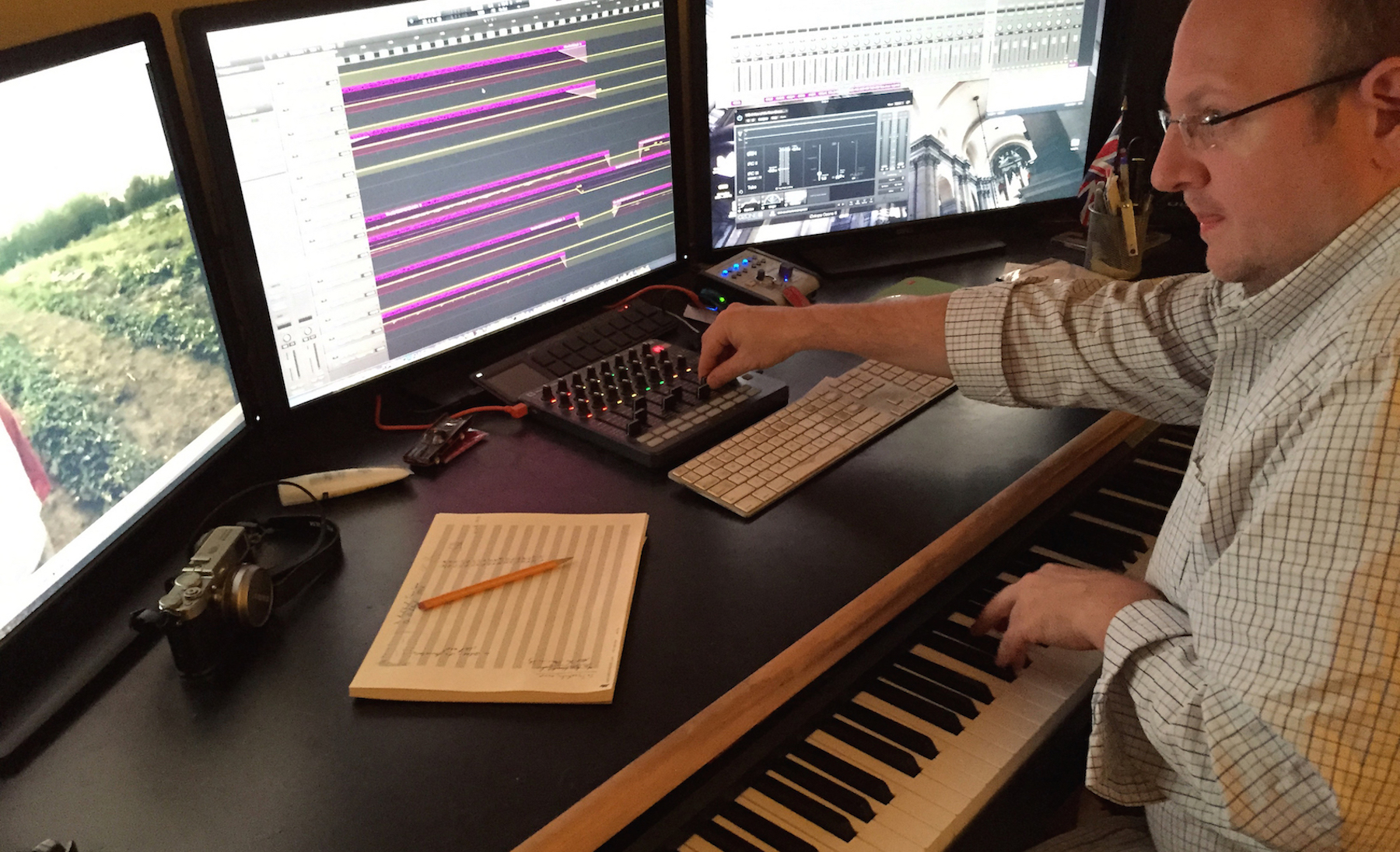
KM: That is an awesome question. Writing music for a documentary was a challenge that took me quite a few tries to overcome. A narrative film is a completely different process than composing music for a documentary. Writing music for a documentary has to be subtle. The music cannot overpower the picture and it has to stay out of the way of the picture. The score cannot be traditional. For instance, a narrative feature film has a soundtrack of very specifically engineered music. It is written to make the audience feel something at that moment, so when the hero saves the world or the couple finally gets their big kiss: you expect the soaring strings. When making music for a documentary, if you’re too on the nose, or if you’re trying to punch it up too much, it can become a distraction. The audience that attends documentaries and is loyal to documentaries is also a highly intelligent crew. And you cannot use music to try and manipulate the audience into feeling a certain way. The music is simply there to beautify and assist the story as it unfolds in its own natural state.

NM: If you had to pick one song from the soundtrack of “The Seer”, which track encapsulates the spirit of the film? I’m curious to know which song is the beating heart of your composition.

KM: Yes, I can pick one. I believe it’s the sixth track and it’s a song called “Forty Panes”. It’s also the Director’s favorite (Laura Dunn). It’s a song about Wendell Barry and it has piano and cellos in the melody. It was magical to write and it kind of came out of nowhere. I was so in love with it that I actually got my cellist to record it before I even played it for Laura. Which is kind of dangerous because I am paying the cellist for his time. But I loved this cue so much. The way it resonates with the picture and how it struck a perfect balance… It’s the crux of everything and it’s beautiful… I sent the piece out to the Director and I was stalking my email waiting for Laura’s response. Two hours passed by and I feared the worst. And then her email arrived with a response, “I keep watching it over and over—and I kept crying every time I felt the music—and I don’t know why.” Right then, I knew that I got it right… The Director of “The Seer” is not only a good person, but she’s extremely smart and talented. She’s amazing and cool and I wanted her to love the soundtrack. Talking to her the other day, we spoke of that piece in particular as it being the high point in the films soundtrack: simple and quiet, but against the picture it can’t be anything else but exactly that… This wasn’t my first project with Laura Dunn, either. About eight years ago, Laura made a film, “The Unforeseen” about over development in-and-around Austin. The core of it predicted the housing crash a year prior to the fact. At the time she had licensed a few pieces of mine to use. Years later we reconnected and in this case she wanted me to score the entire film. Obviously I said yes and it’s been an amazing project. Laura and her team are so great at what they do.

NM: Do you have any upcoming projects that we can look forward to?

KM: Yes, I do have future projects. Presently I cannot say much because it hasn’t been formally announced yet. What I can say is that I am writing a full-length ballet for a full orchestra. And it premieres in London next May of 2017. This job sort of came out of left field. It’s a very heavy lift for me, it’s a huge challenge, but I am so excited to work with this choreographer and their innovative team. I couldn’t say ‘yes’ fast enough.

For more information regarding Kerry Muzzey or the movie, “The Seer: A Portrait of Wendell Berry”: please visit www.kerrymuzzey.com or www.theseerfilm.com.

Note: This article was originally published on Examiner.com in March 2016. 
Stardust art legend David Bowie dies after his 69th birthday

nicolette mallow

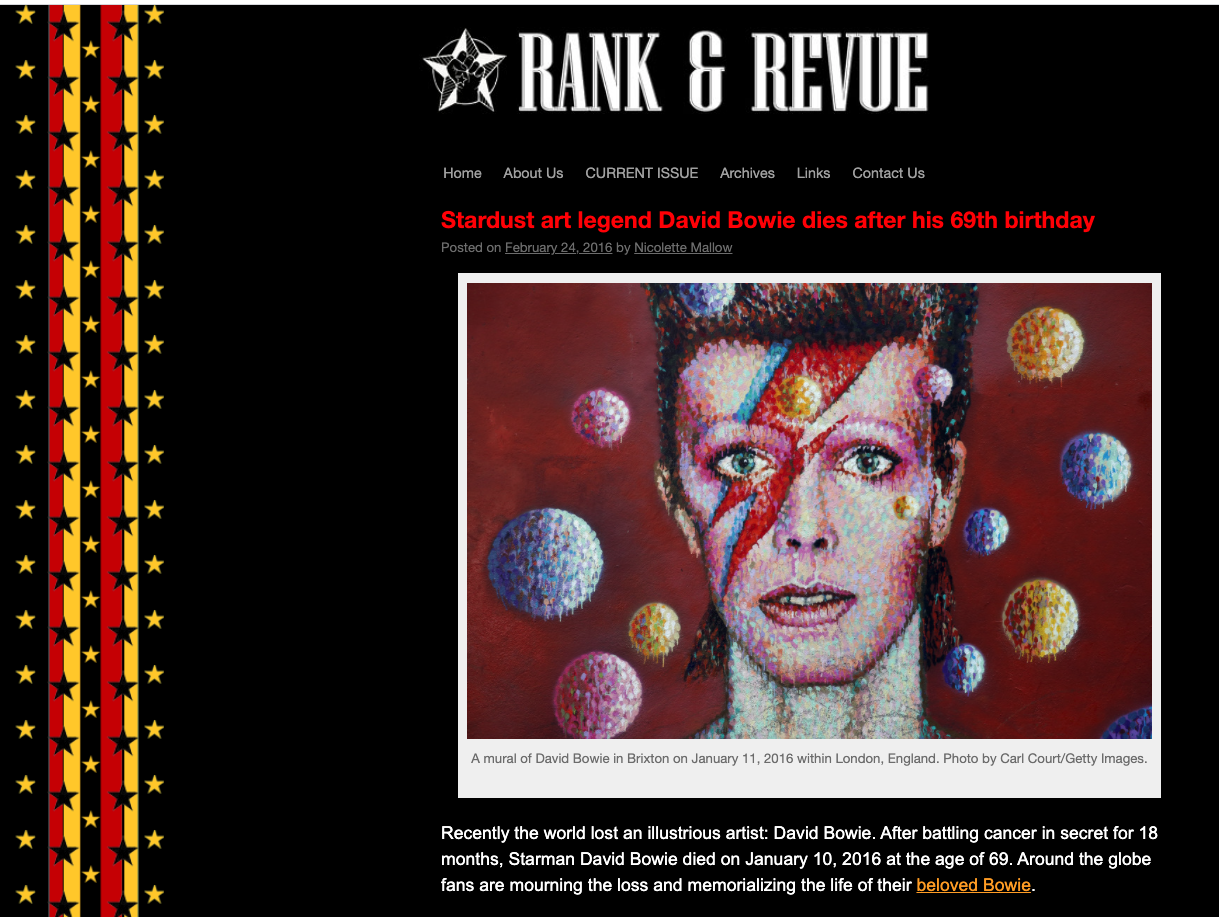
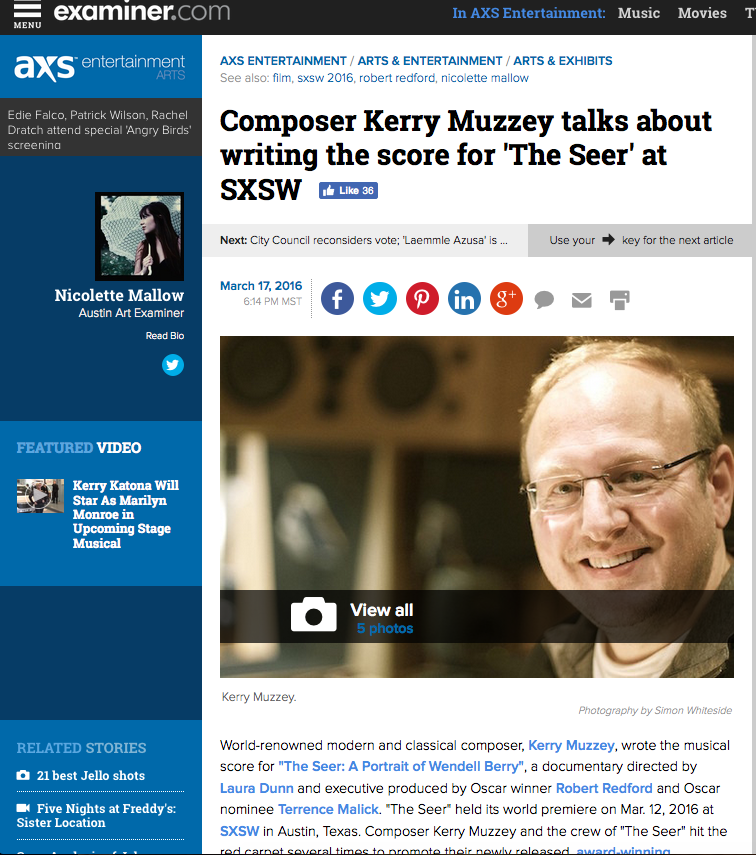
A mural of David Bowie in Brixton on January 11, 2016 within London, England. Photo by Carl Court/Getty Images.

Yesterday the world lost an illustrious artist: David Bowie. After battling cancer in secret for 18 months, Starman David Bowie died on January 10, 2016 at the age of 69. Around the globe fans are mourning the loss and memorializing the life of their beloved Bowie.

Since the 1960’s, David Bowie illuminated and fascinated the world with his magnetic and cosmic career in the arts. Born in England on January 8, 1947, David Robert Jones—better known by his stage name David Bowie—soon become a universal icon. Bowie’s distinct presence and energetic life force permanently transcended the music, art and fashion industries with his unique sound, vision and style. David Bowie is also recognized by his many alter-personas that include the following: Ziggy Stardust, Thin White Duke, Major Tom, Aladdin Sane, Halloween Jack, and Elephant Man. Partaking in various films as well, Bowie is notorious for his role as the Goblin King in the film Labyrinth which debuted in 1986.

On the day of Bowie’s 69th birthday—January 8, 2016—he released a final studio album titled Blackstar. A hauntingly beautiful album of seven songs, Blackstar almost reminds listeners of an artistic and modernized requiem. The Telegraph posted an article stating, “David Bowie’s final record was a carefully-orchestrated farewell to his fans, his producer has confirmed. Lazarus, released on the Bowie’s 69th birthday just two days before his death, opens with the lyrics: ‘Look up here, I’m in Heaven!’ Tony Visconti, the producer who worked with Bowie to complete his final album, has released a statement saying it was deliberately created and timed as a ‘parting gift’ for his fans.”

Even though David Bowie’s mortal life may have come to an end. Thankfully his spirit will live on forever within the art world and our hearts. Returning back to the stars that gleam in the galaxies above—David Bowie’s legendary artistic career will radiate eternally on planet earth.

Note: This article is originally published on Rank & Revue Feb. 2016.

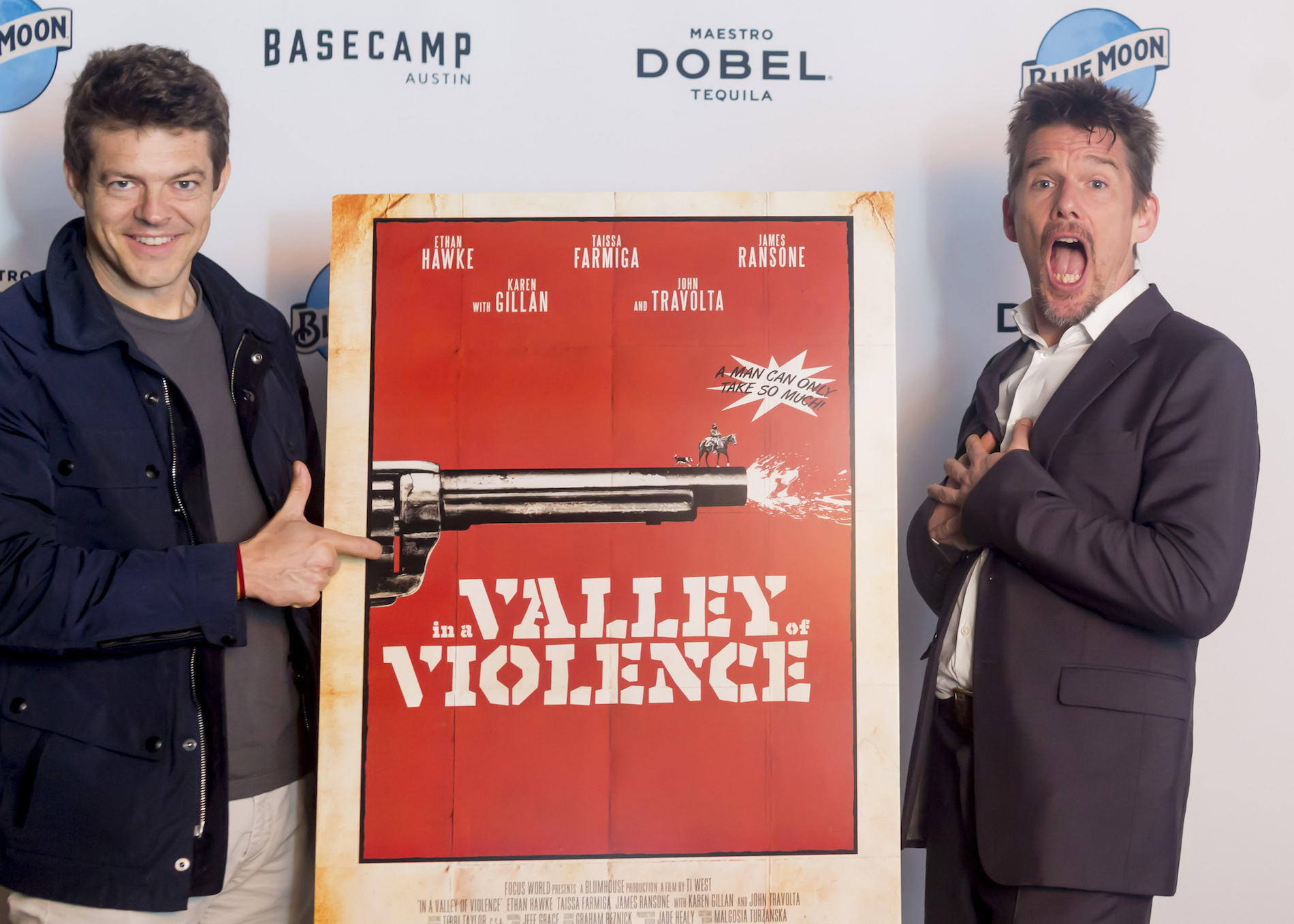
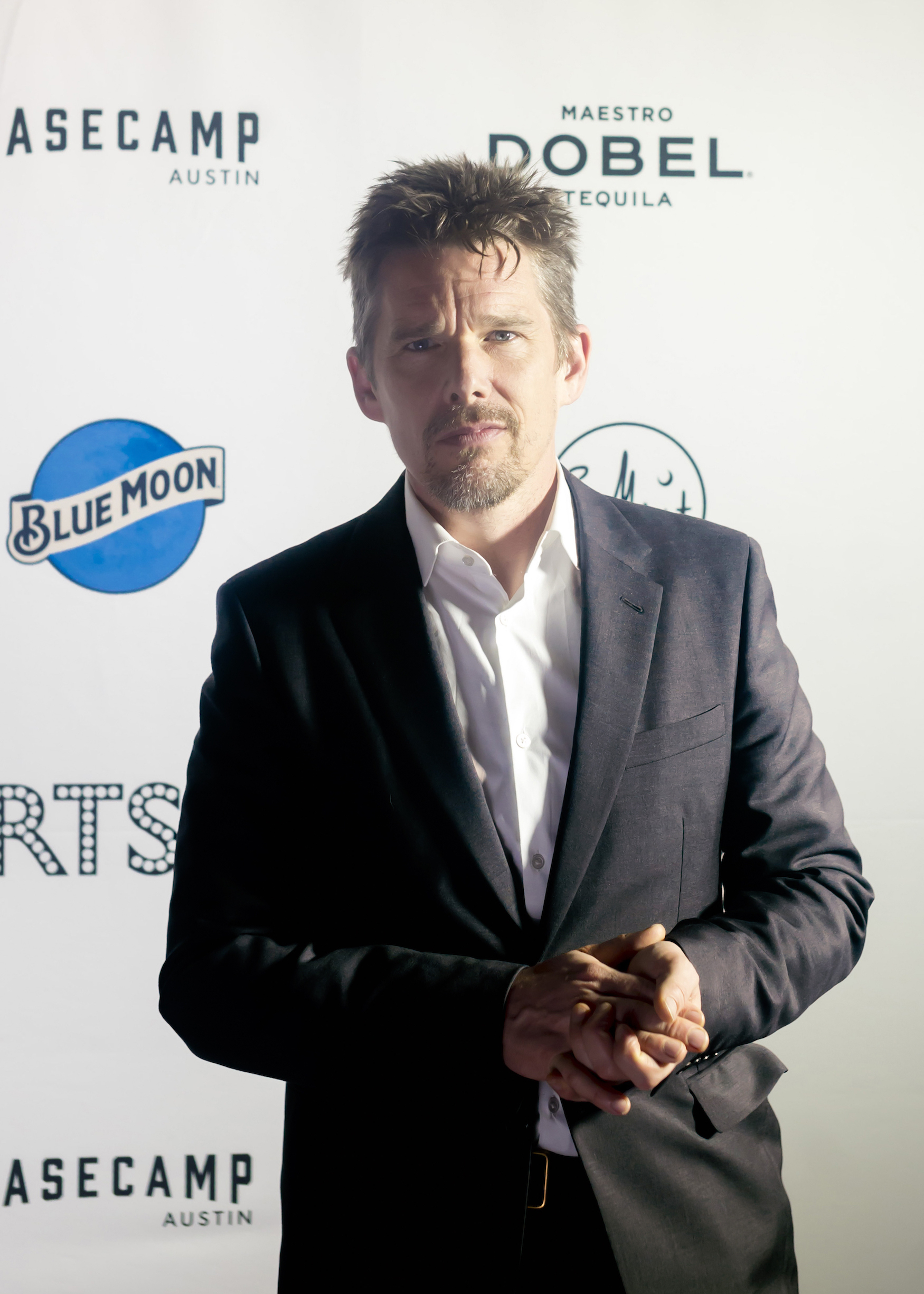
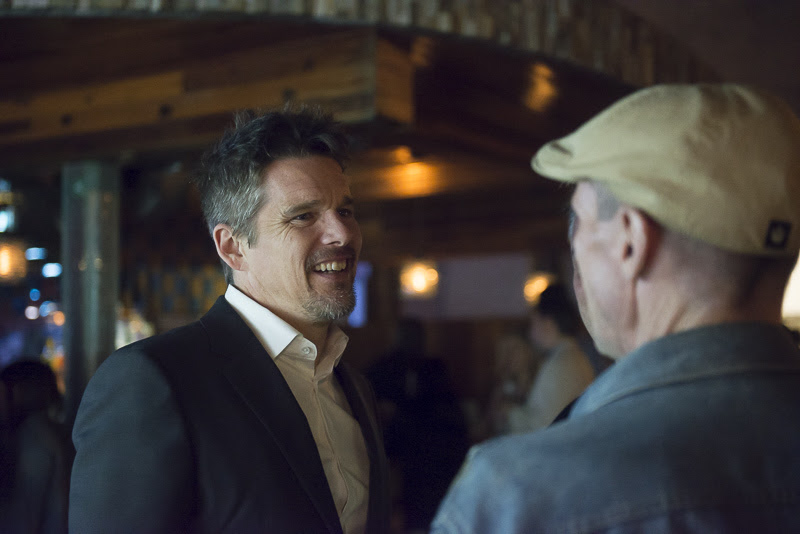
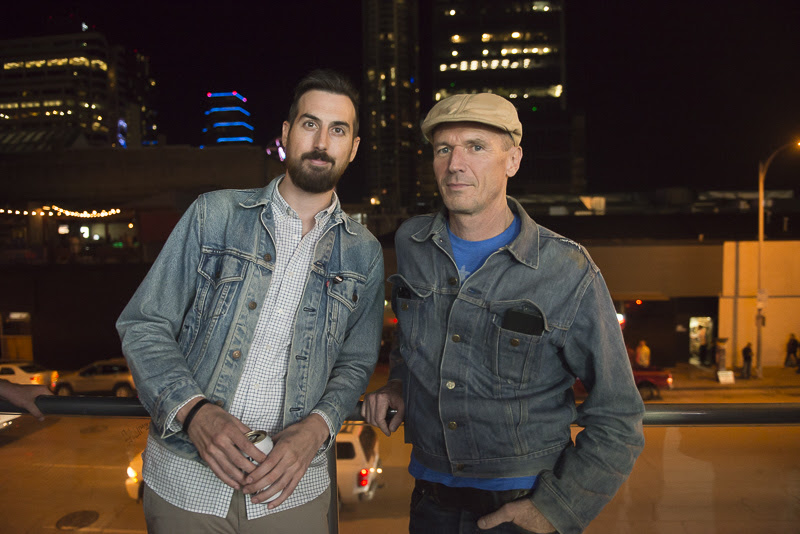
Ethan Hawke and crew from ‘In A Valley of Violence’ attend Arts & Cinema Centre

nicolette mallow ethan hawke

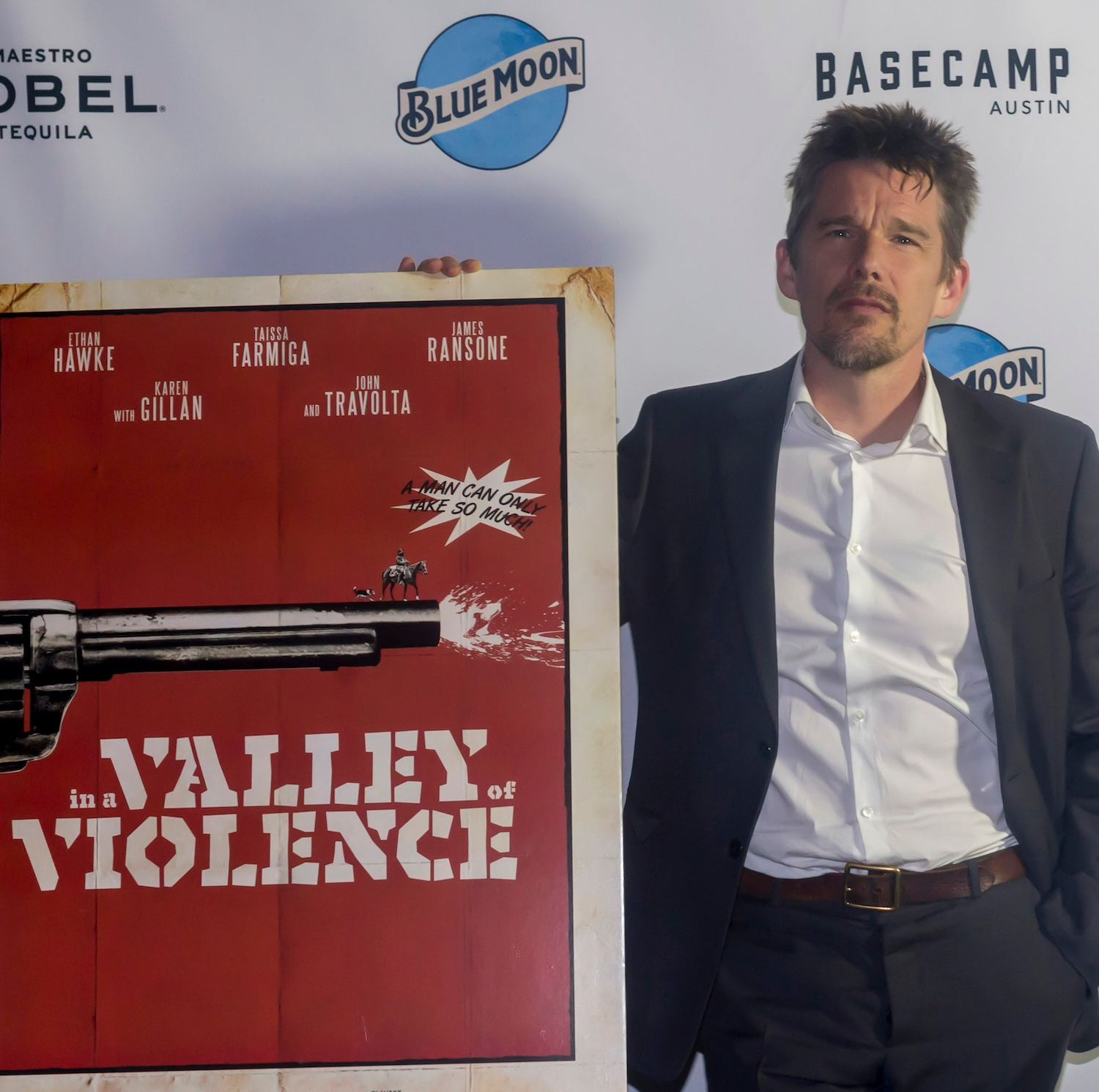
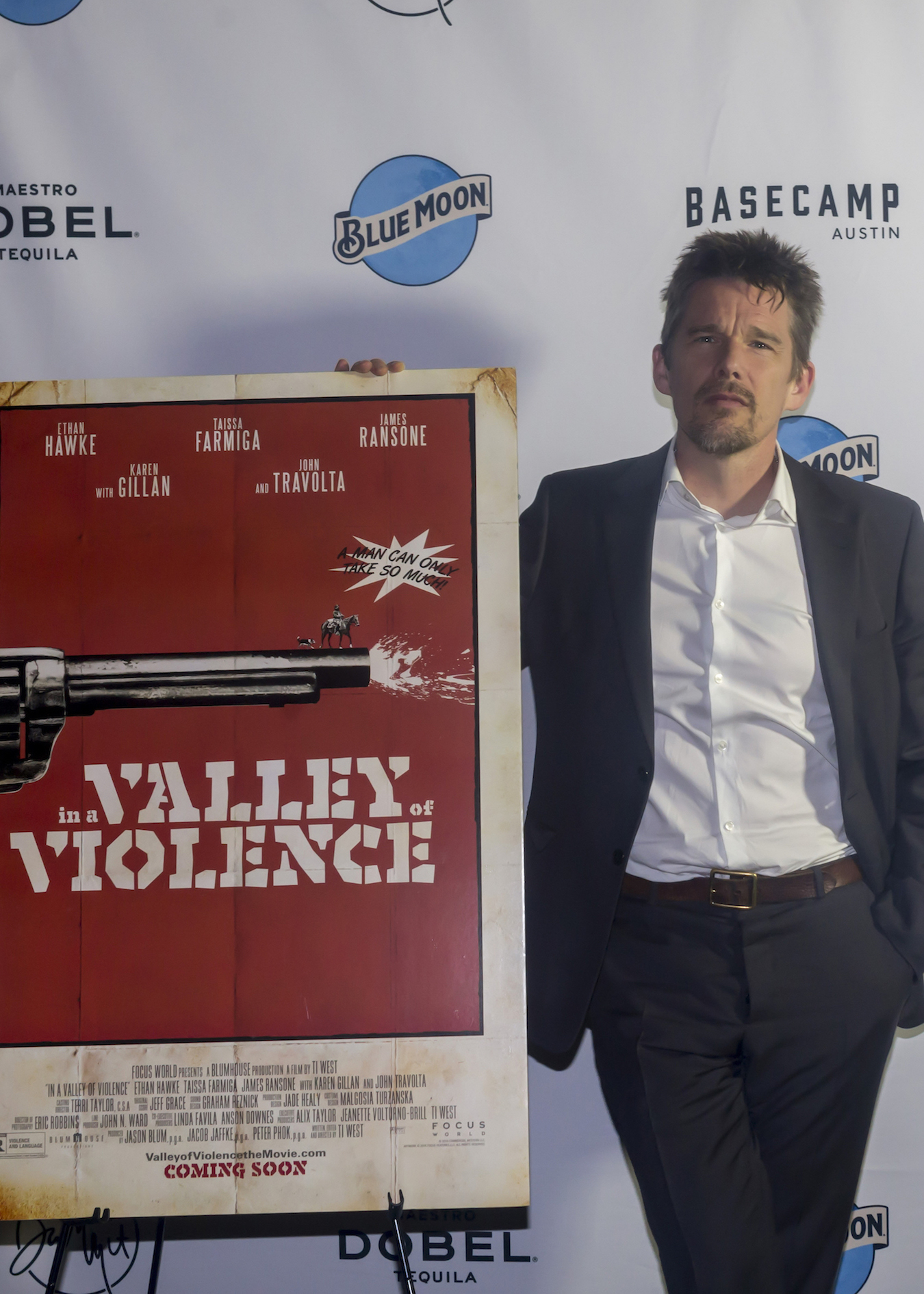
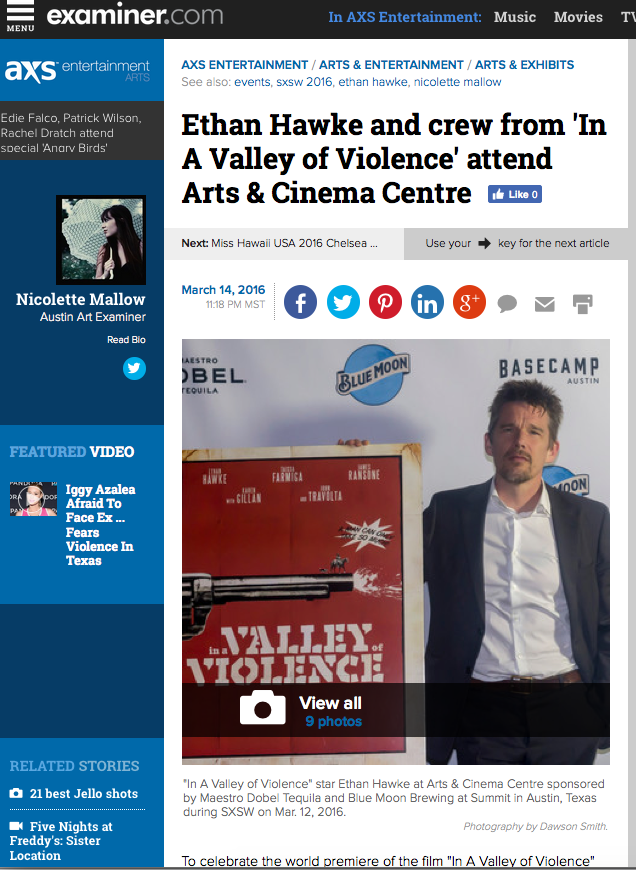
Ethan Hawke attending Arts & Cinema Centre premier party for “In A Valley of Violence”. Photo by Dawson Smith.

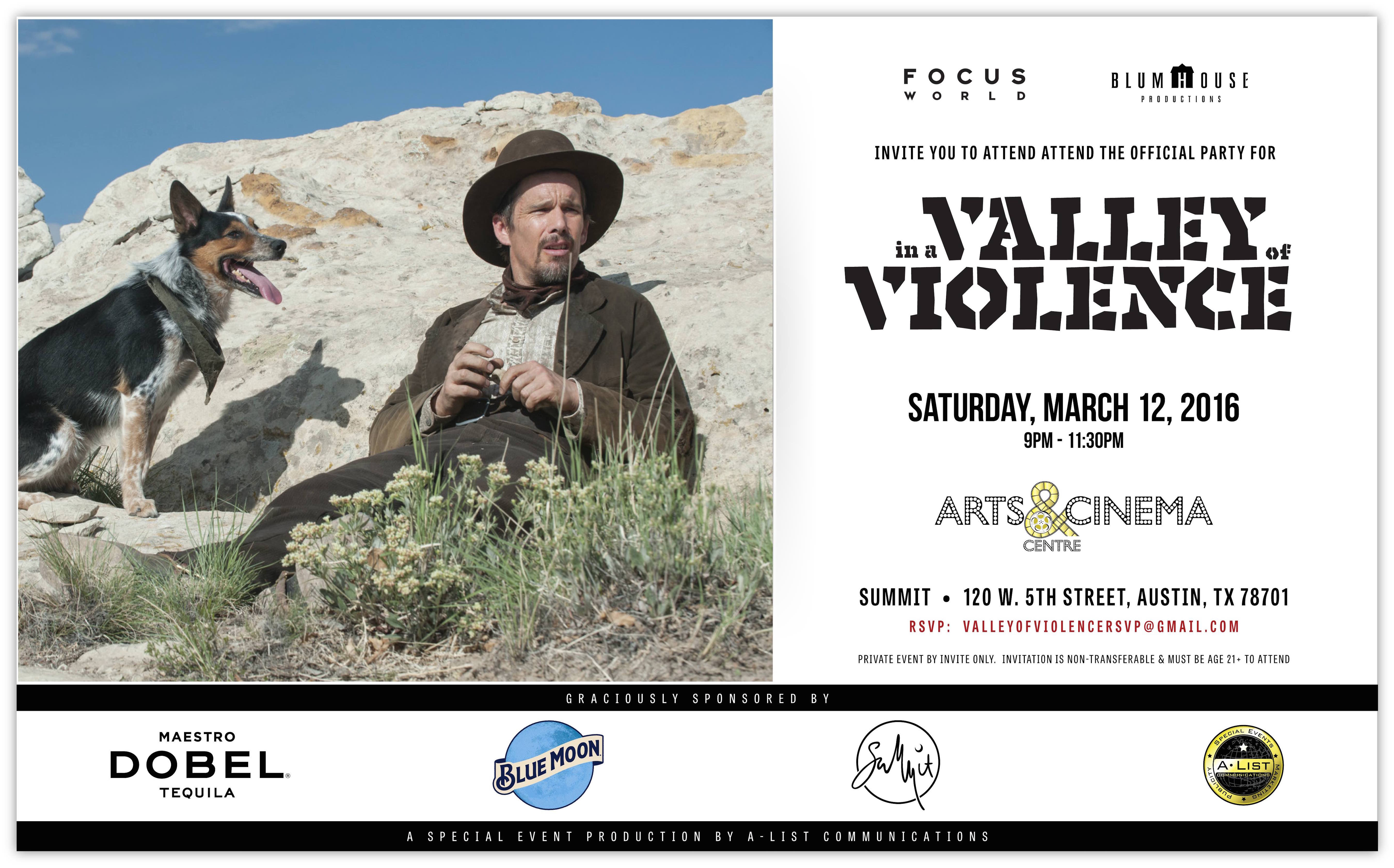
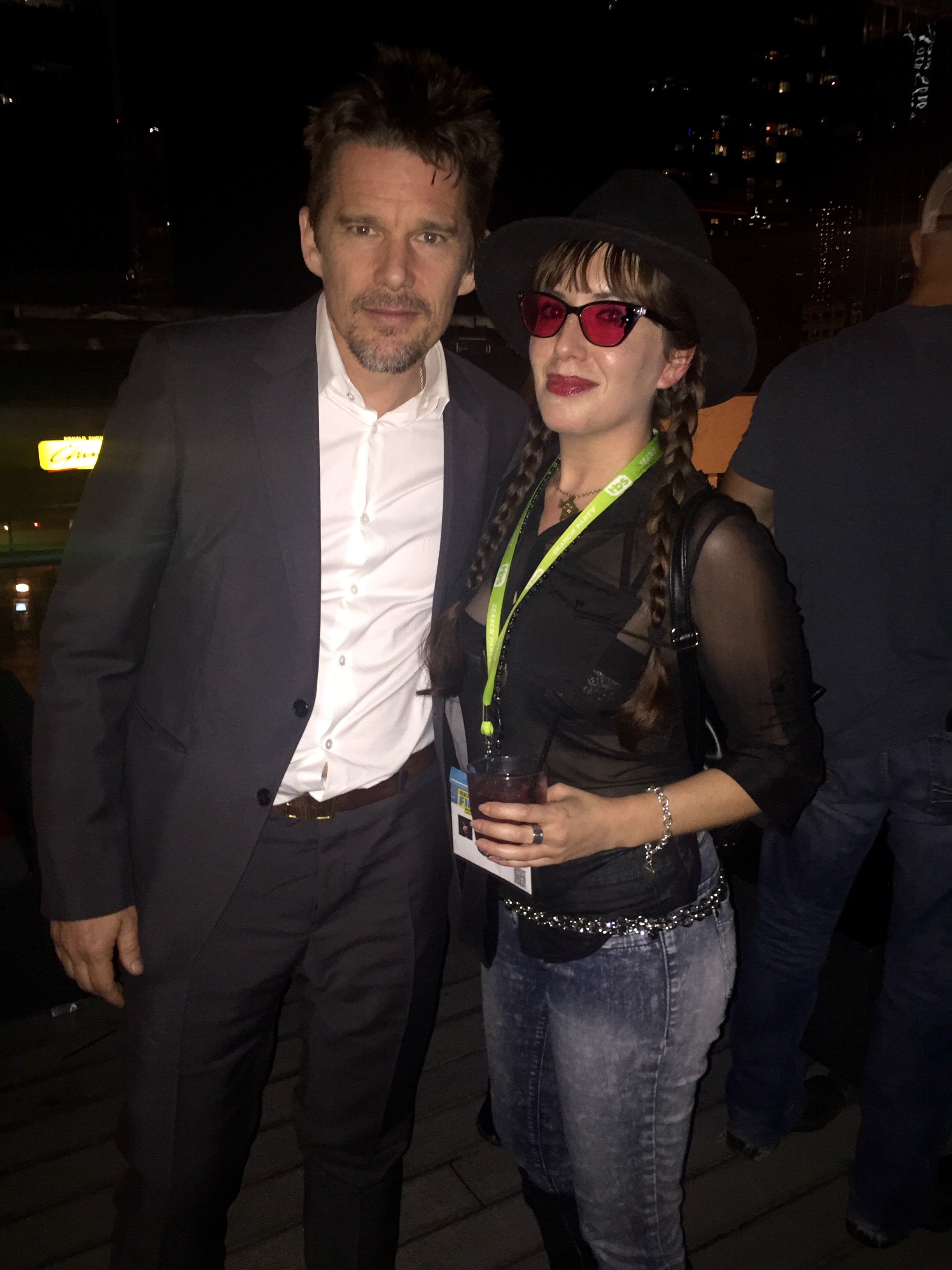
To celebrate the world premiere of the film “In A Valley of Violence” starring Ethan Hawke and John Travolta—Hollywood event company A-List Communications hosted its popular Arts & Cinema Centre with venue partner Basecamp and Summit in Austin, Texas on Saturday, Mar. 12, 2016.

The Arts & Cinema Centre cocktail party took place during the opening weekend of SXSW 2016 on the rooftop of the Summit venue located at 120 West 5th St. Overlooking the downtown skyline, the rooftop has a vibrant view of the Warehouse District and particularly Mr. Robot’s glowing and stellar 100 ft. Coney-island Ferris Wheel. Sponsored by Maestro Dobel® Tequila and Miller-Coors Brewing. Maestro Dobel® Tequila offered specialty cocktails including its signature “Black Diamond Margarita” and Miller-Coors provided its Blue Moon Brewing selections to A-list talent, media and filmmakers in attendance.

Film cast and crew in attendance of the cocktail party included Ti West (Director), Jason Blum (Producer) and stars Ethan Hawke and Toby Huss. Earlier that day at 6:30 P.M. CST—“In A Valley of Violence” had its world premiere for the 2016 SXSW Film Festival. The SXSW Music, Film and Interactive Conferences and Festivals is celebrating its 30th year. “In A Valley of Violence” is a narrative feature and headliner film that has three official screenings on the SXSW schedule.

  • nicolette mallow
  • nicolette mallow

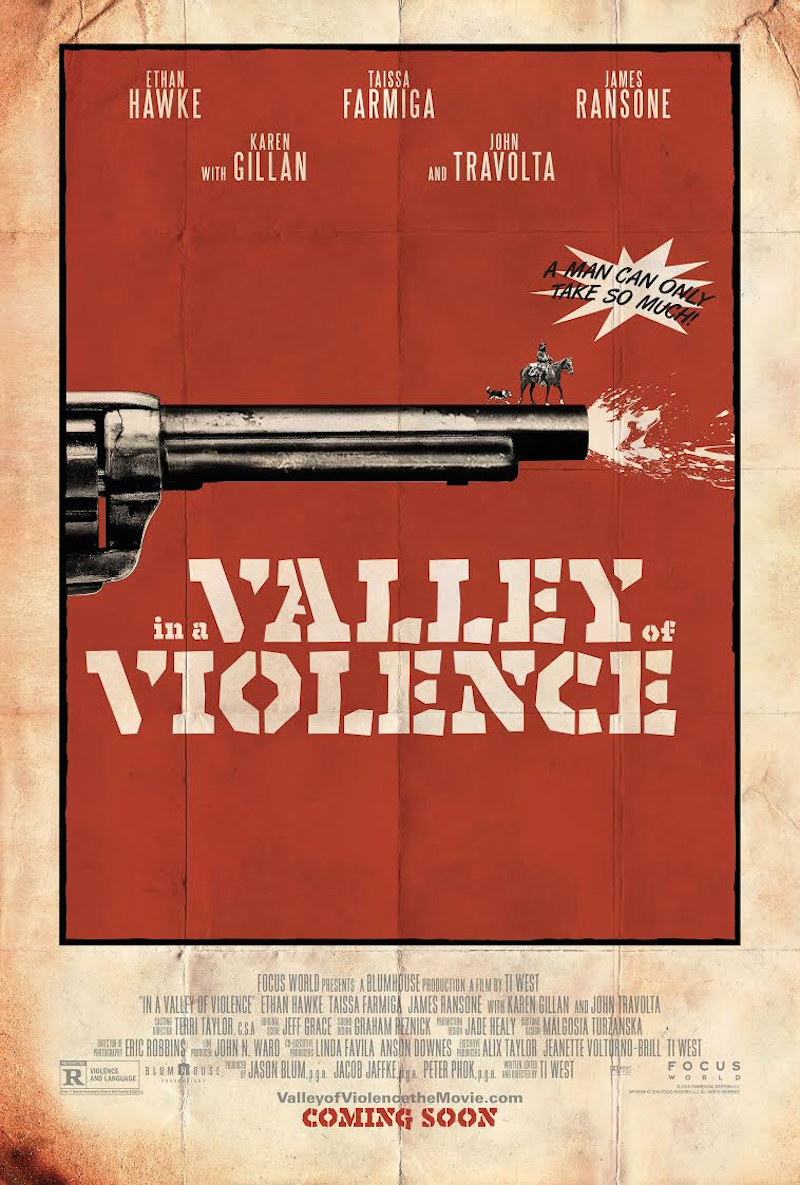
The official synopsis of the film released by Focus Features states the following: “A mysterious drifter named Paul (Ethan Hawke) and his dog Abbie (Jumpy) make their way towards Mexico through the barren desert of the old west. In an attempt to shorten their journey they cut through the center of a large valley—landing themselves in the forgotten town of Denton—a place now dubbed by locals as a valley of violence. The once popular mining town is nearly abandoned, and controlled by a brash group of misfits and nitwits—chief among them, the seemingly untouchable, Gilly (James Ransone) who is the troublemaking son of the town’s unforgiving Marshal (John Travolta). As tensions rise between Paul and Gilly, Denton’s remaining residents bear witness to an inevitable act of violence that starts a disastrous chain reaction, infecting the petty lives of all involved and quickly drags the whole town into the bloody crosshairs of revenge. Mary-Anne (Taissa Farmiga) and Ellen (Karen Gillan), two bickering sisters who run the town’s only hotel, try to find the good in both men, while desperately searching for their own salvation. Only the world-weary Marshal struggles to stop the violent hysteria, but after a gruesome discovery about Paul’s past… there is no stopping the escalation. From writer/director Ti West (“The House of the Devil”, “The Innkeepers” and “The Sacrament”) and Blumhouse Productions (“Insidious”, “The Visit”, “Whiplash” and “The Gift”)—”In A Valley of Violence” brings absurdist humor, unique dialogue and West’s shocking scenes of violence to the Western genre. The film also boasts a stellar supporting cast that includes Toby Huss, Burn Gorman, and genre darling Larry Fessenden.”

Note: This article was originally published on Examiner.com in March 2016. 
nicolette mallow

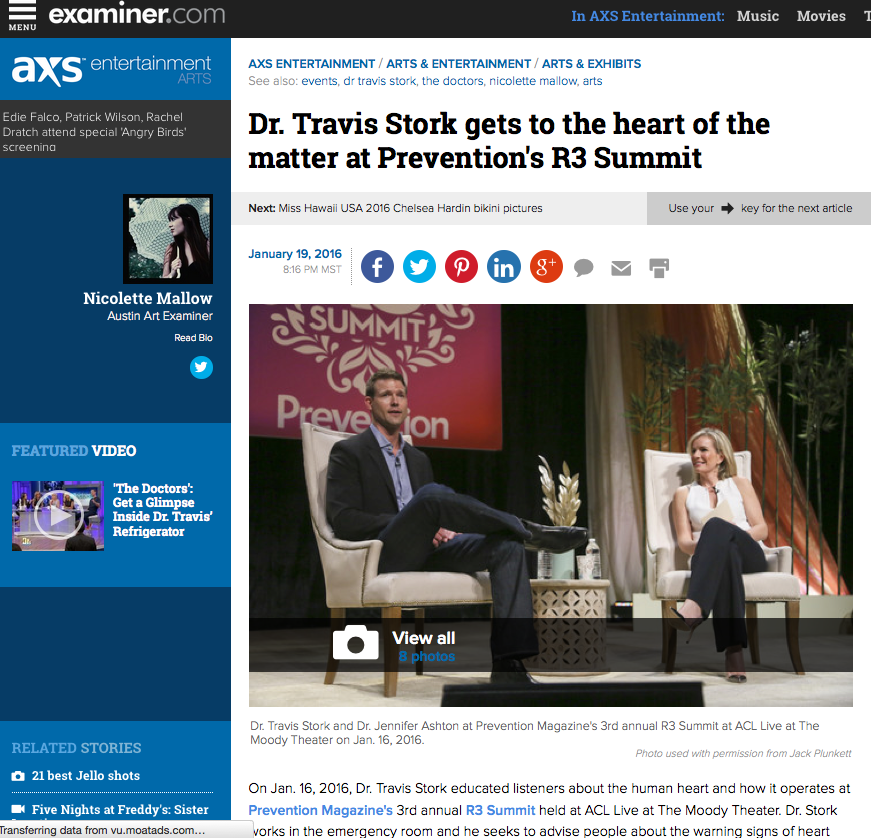
Dr. Travis Stork gets to the heart of the matter at Prevention’s R3 Summit

nicolette mallow

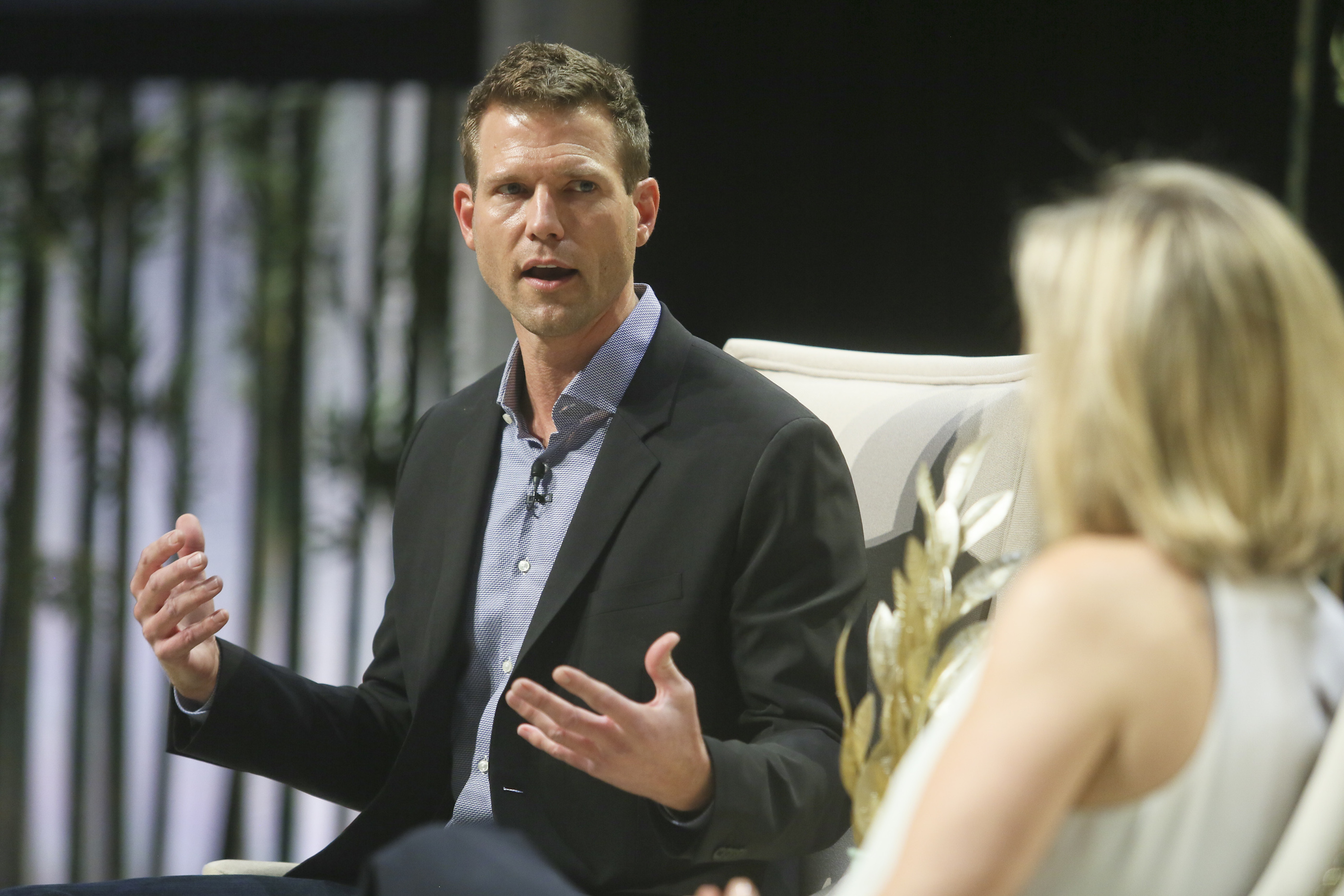
Dr. Travis Stork. Photography by Jack Plunkett.

Dr. Travis Stork educated listeners about the human heart and how it operates at Prevention Magazine’s 3rd annual R3 Summit held at ACL Live at The Moody Theater on Jan. 16, 2016. Dr. Stork works in the emergency room and he seeks to advise people about the warning signs of heart malfunction and when to seek immediate medical attention. Joining him on stage was R3’s Master of Ceremonies, Dr. Jennifer Ashton, a Board-certified ob-gyn and fellow co-host of the Emmy®- Award–winning show “The Doctors”, ABC Chief Health Correspondent. Together, the two doctors delivered a compelling, interactive, playful and graphic presentation regarding heart disease and other medical miscellany.

Heart disease is the number one killer for both women and men. And Dr. Travis Stork says that too many people neglect the warning signs or the red flags of heart-related health problems due to factors such as lack of knowledge or lack of awareness. Sadly a lot of people are unaware of the symptoms or they unknowingly confuse a heart attack for something less severe like fatigue, numbness, indigestion or nausea. Resulting in a heart that goes untreated, sometimes until it’s too late. “Time is muscle” and Dr. Stork wants everyone to be aware of the facts.

Dr. Travis Stork is an Emmy®-nominated host of the award-winning talk show, ‘The Doctors’, and a board-certified emergency medicine physician. He graduated Magna Cum Laude from Duke University as a member of Phi Beta Kappa and earned his M.D. with honors from the University of Virginia, being elected into the prestigious honor society of Alpha Omega Alpha for outstanding academic achievement. Based on his experiences in the ER, Dr. Stork is driven to teach people how to prevent illness before it happens. As a motivational speaker on the topic of health and wellness, Dr. Stork teaches people how to achieve optimal health by focusing on the 200-plus seemingly inconsequential health decisions people make throughout each day.”

Prior to his presentation at Prevention Magazine’s R3 Summit—Nicolette Mallow, an Arts & Entertainment Examiner within Austin—interviewed Dr. Travis Stork in the Press room.

Nicolette Mallow: Working as an ER doctor, obviously you deal with a lot of blood and trauma. You have numerous patients in dire pain and distress, sometimes on the verge of life or death. How do you handle such high volumes of pressure and chaos on a daily basis and remain calm all the while to serve and heal your patients?

Dr. Travis Stork: Being an ER doctor is a lot like anything else. A learned skill. For instance, I am sure when you began writing and interviewing people that it made you nervous. You had doubts, fears and hesitations. Everything can be scary in the beginning. As an ER doctor, I felt all those emotions and fears in the beginning. But as time went by it became more and more of a routine and I overcame my fear. When you have a patient gushing or squirting out massive amounts of blood: you have to learn to overcome the fear, manage the stress and work under pressure.

NM: What is one aspect of being a doctor that Medical school could not prepare you for?

DTS: The healthcare system. It’s a beast. Nothing at school could’ve ever prepared me for that and it’s most definitely a huge problem that I was not prepared for. Fortunately doctors are becoming more vocal about our dysfunctional healthcare system and seek to improve the inadequacies.

NM: A veteran who served our country overseas as a Combat medic in the US Army during times of war once told me that the heart is the most important organ in our body. People often think it’s the brain, but he told me that the brain can die and yet the heart stays awake. Which is what happens when people go into a coma. Do you agree that the heart is our most imperative organ?

DTS: Yes; without a doubt the heart is the most crucial organ. Let’s say someone’s brain is damaged after a heart attack or the brain stops functioning. The result is not because the brain died or was damaged on its own without cause. It doesn’t just happen for no reason. When oxygen flow is cut off from the heart to the brain, tissue dies. The effect of such scar tissue is damage (sometimes permanent damage) to the brain. Our heart pumps out blood and oxygen that flows into every particle, cell and organ within the body.

For those unable to hear Dr. Travis Stork’s live presentation at the R3 Summit, there is plenty of information provided by online. Please refer to his videos “Signs of a Heart Attack” and what happens to the body during a “Heart Attack”.

Note: This article was originally published on Examiner.com in January 2016.

Joan Lunden empowers others by sharing her stories of survival and life purpose

JP1_5354

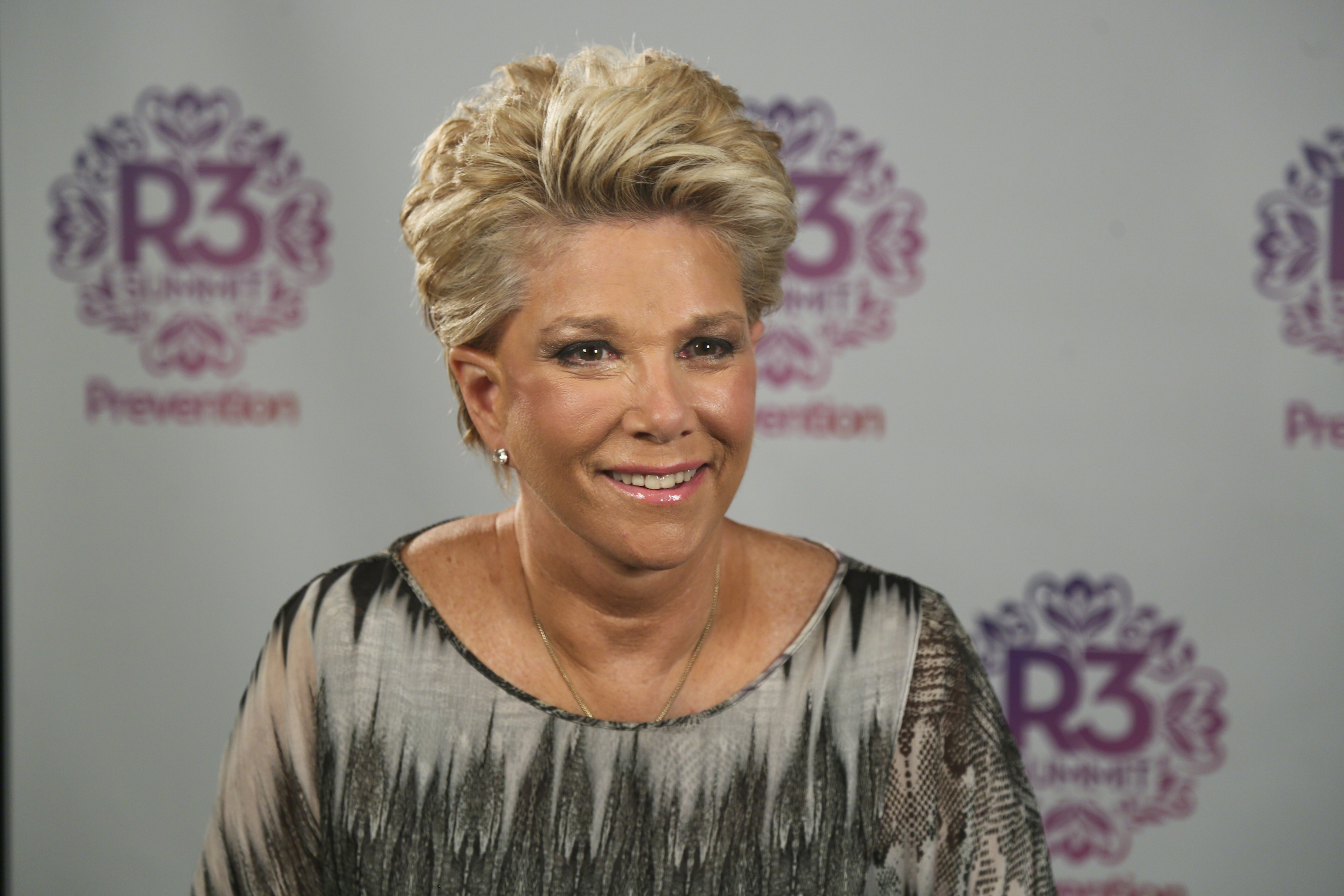
Joan Lunden. Photo Credit: Jack Plunkett.

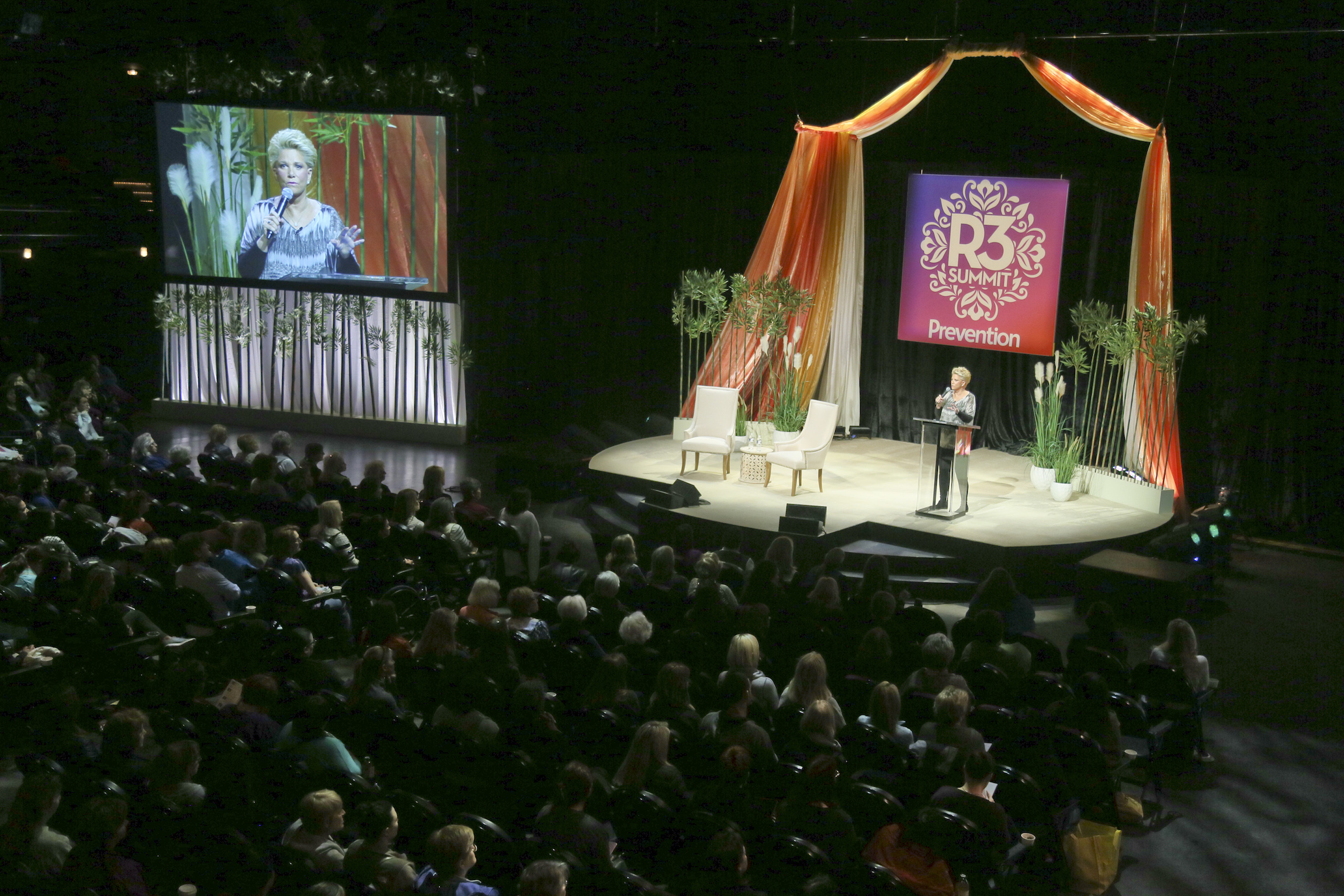
Joan Lunden delivered a vivacious and heartfelt keynote speech for Prevention Magazine’s third annual R3 Summit held at ACL Live at The Moody Theater within the Warehouse District of Austin, Texas on January 16, 2016. As she stood on the main stage under bright lights and gold curtains: Lunden’s words filled the room like fresh oxygen, purifying the air. Her message and its delivery focused on the vitality of self-care and self-love. Why all women need to discover their life purpose and how to follow our dreams. Lunden also emphasized the utmost importance of sustaining a positive attitude whenever life is feeling dark, dreary or defeating. Her message encouraged all women to take care of their health as if it were a second job in order to avoid a collapse or a burn out.

Ultimately, Lunden speaks out to pass on her life story in order to educate and empower all womankind. Joan Lunden speaks out in hopes of seeing the light within every woman shine bigger and brighter than ever before. To see the stars in every woman take flight. And to help other cancer survivors make it through the hardest of times. Many moments throughout the keynote speech, she addressed all the women in the audience as ‘us’ and ‘we’, unifying women of all age, nationality and ethnicity.

A survivor of breast cancer, Joan Lunden is also an award-winning journalist, bestselling author, health & wellness advocate, motivational speaker, successful entrepreneur and mom of seven children. Listening to Lunden’s life stories of survival, television, journalism, family, men, health, sex, life and death—listening to how she succeeded despite any or all challenges or tragedies—was a deeply inspiring message to hear. Prior to Lunden’s keynote, The Master of Ceremonies for R3 Summit, Dr. Jennifer Ashton (a Board-certified Ob-Gyn, author and co-host of the award-winning talk show The Doctors) introduced her colleague to the audience as “The Queen of Good Morning America” and it’s a most befitting, honorary title.

To much delight, after the keynote address Joan Lunden sat down for a brief interview with local A&E Austin Examiner, Nicolette Mallow, to briefly discuss motherhood and her own inner-light.

Nicolette Mallow: Motherhood was a big focus throughout your presentation. And while I do value, honor and respect family traditions. Do you have any advice for women (of any age) that are unable to bear children? Or do you have any words of encouragement for women that choose to not have children in a society where motherhood almost seems to be expected of us?

Joan Lunden: When I first became a mother, I bore three beautiful children the natural way. Later on in time when I wanted to have more children in my 50’s, it was not as easy to get pregnant. I began using fertility methods like in vitro. Eventually it became too complicated. One day my husband lovingly reminded me that it’s not a competition. And I quit in vitro. At that point we sought out a surrogate mother. Our surrogate mother has become like family to us. I now have two sets of twins in addition to my other three kids. And it’s wonderful. I love all seven of my children equally. So, no woman should think just because their body cannot facilitate childbirth that there is anything inadequate with them… On the other hand, I have many female friends that do not have children and are successful and happy individuals. Motherhood does not define a woman even if it can be an all-encompassing trait of what it means to be a woman.

NM: Your career is so impressive and I know you have even more to offer the world in the years to come. However, when was the time in your career that you knew you’d made it?… Your life is so magical on so many levels that it reminds me of Elizabeth Taylor’s line in the Hollywood film based on Tennessee William’s play Suddenly Last Summer. The line when she speaks of ‘the sunshine days’. The days everything was in perfect sync and harmony… When was it that you knew in your heart that it was only going upward in your career from then on?

JL: (she smiled) During my 30’s when I began co-hosting Good Morning America with Charlie Gibson. That was when I knew. He and I used to describe the feeling as “the best seat from which to view the world”. It was an amazing time of my life with such happiness that I will always cherish… Suddenly I was going to The White House, interviewing politicians, rock stars, celebrities and all sorts of prominent figures. I was traveling worldwide covering global news… The happiness we felt on the show is something I will always treasure. Charlie Gibson and I made a strong team and we co-existed together. Which really caught everyone’s attention: seeing a man and woman work together so wonderfully on national television. Having said this, I am sort of a Master of Reinvention, and so I look forward to new journeys and new thrills as I began new media campaigns.

For more information pertaining to Joan Lunden’s life story of survival and success. Or to find health, beauty and lifestyle tips, please visit her website Joan Lunden: Creating a healthy lifestyle for a better tomorrow at www.joanlunden.com.

Note: This article was originally published on Examiner.com in January 2016.

Star Wars exhibit presented at ART on 5th in Texas

nicolette mallow
“Battle of Endor” by Rodel Gonzalez.

A Star Wars artwork exhibition has made its way to Texas for the first time and will remain open to the public at ART on 5th in Austin until January 31, 2016. “The Art of Star Wars” features original paintings and hand-embellished giclees by four official Disney artists: James Coleman, Rob Kaz, Allison Lefcort, and Rodel Gonzalez. Portraying a star system from another dimension of space and time—like a parallel universe—the artists created cosmic artwork in their own individual style. The gallery also entails vintage posters from Belgium, Great Britain, Italy, and Japan. Posters and collectibles that once promoted the original Star Wars trio from the ’70’s and ’80’s. Partnering with Disney to bring this exhibit to Austin, every piece of art on display within “The Art of Star Wars” at ART on 5th is available for purchase.

  • nicolette mallow
  • nicolette mallow
  • nicolette mallow
  • nicolette mallow
  • nicolette mallow
  • nicolette mallow
  • nicolette mallow

“The Art of Star Wars” is a unique collective of mythological artwork. Reflecting stories of science fiction, magic and fantasy over a timeline that spans from the original three Star Wars films up to present day characters like Captain Phasma and BB-8. Guests may admire scenes and snippets from roaring intergalactic battles; explosions blazing from crossfire and torpedoes. Spaceships soaring in the sky and The Death Star looming like a gigantic, evil shadow. However, while the scenery and atmosphere in the artwork is booming with detail and fictional memories. The majority of this art gallery focuses on snapshots pertaining to the original characters and predominantly highlights their portraits and their stories: Luke Skywalker, Darth Vader, Han Solo, Princess Leia, Yoda, Obi-Wan Kenobi, Chewbacca, R2D2, C-3PO, Boba Fett, the Emperor, the Storm Troopers, and the Ewoks.

Befittingly, the four artists from Disney also place a great deal of emphasis on The Force and perhaps that is one of many reasons why the art exhibit is so powerful: a united energy of light and dark flowing from art piece to art piece.

The art gallery is not only enthralling for long-time Star Wars enthusiasts that adore “A New Hope”, “The Empire Strikes Back” and “Return of the Jedi”. The artists and their artwork bring the nostalgia, the history and the stories to life for guests that are unfamiliar with the previous movies or the books. There may only be captions to the art and there may not be any text, but the imagery helps tie all the pieces of numerous stories together. The art takes you along the adventure. Guests see the training and challenges of a Jedi—and the monsters and dictators of the dark side. The imagery helps guests identify the characters with their names—and it tells of the journey, the war and the life lived in space, on ice, the barren desert and the forest.

Located on 3005 South Lamar, admission to the gallery at ART on 5th is free of cost. Children and adults are welcomed to attend this exhibit; alluring fans of many generations. For more information regarding ART on 5th and their hours of operation, please call 512-481-1111 or visit their website at www.arton5th.com.

Note: This article was originally published on Examiner.com in January 2016.