Roc Chen: Music Composer and Asian Creative brings cultures together around the world with the magical power of music

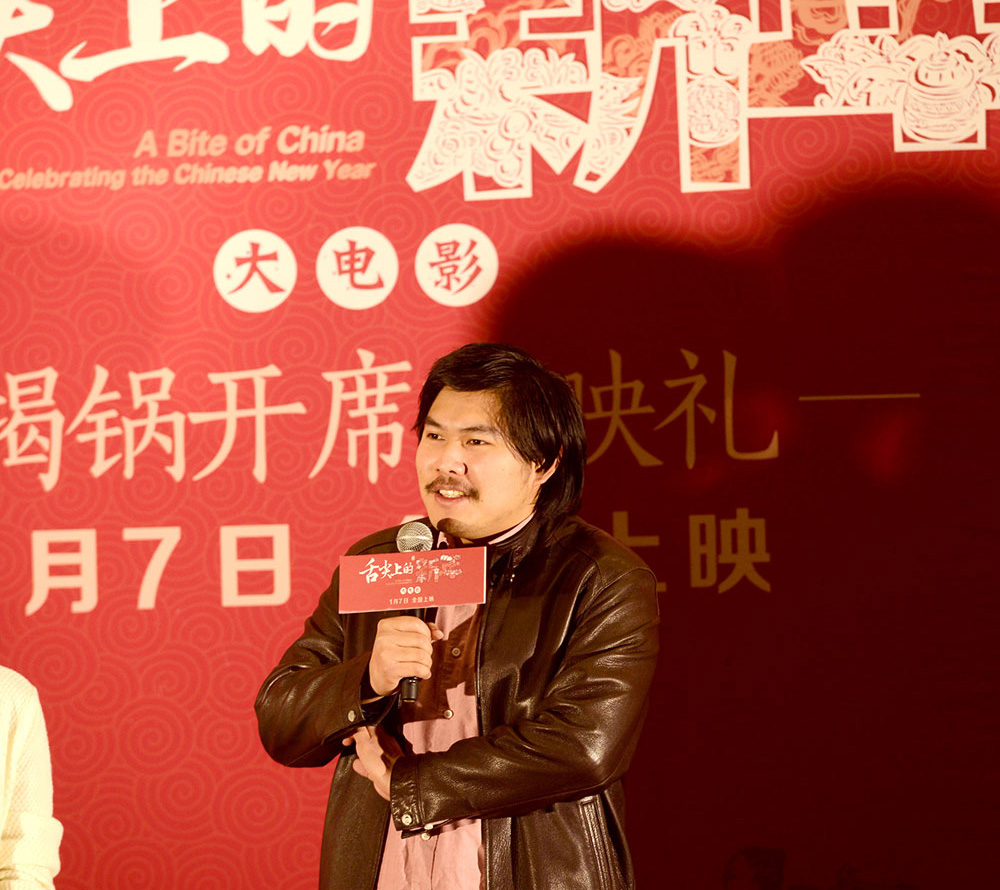
Roc Chen

Roc Chen. Photography provided by CW3PR.

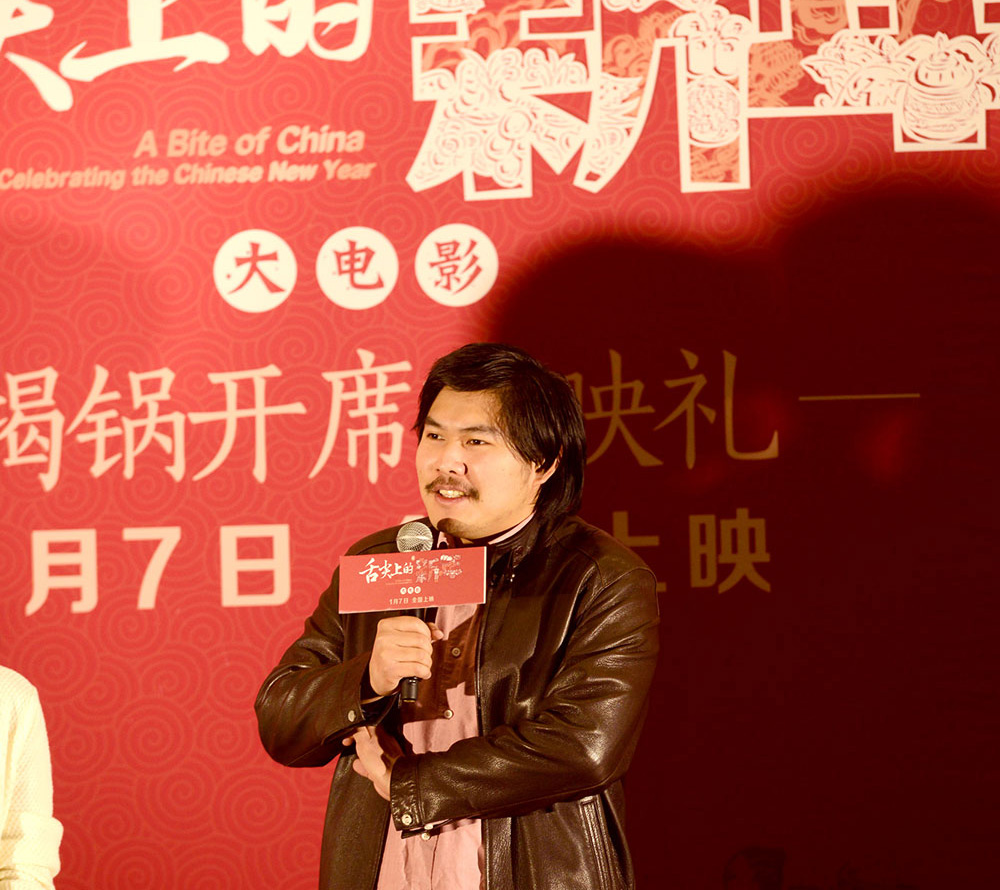
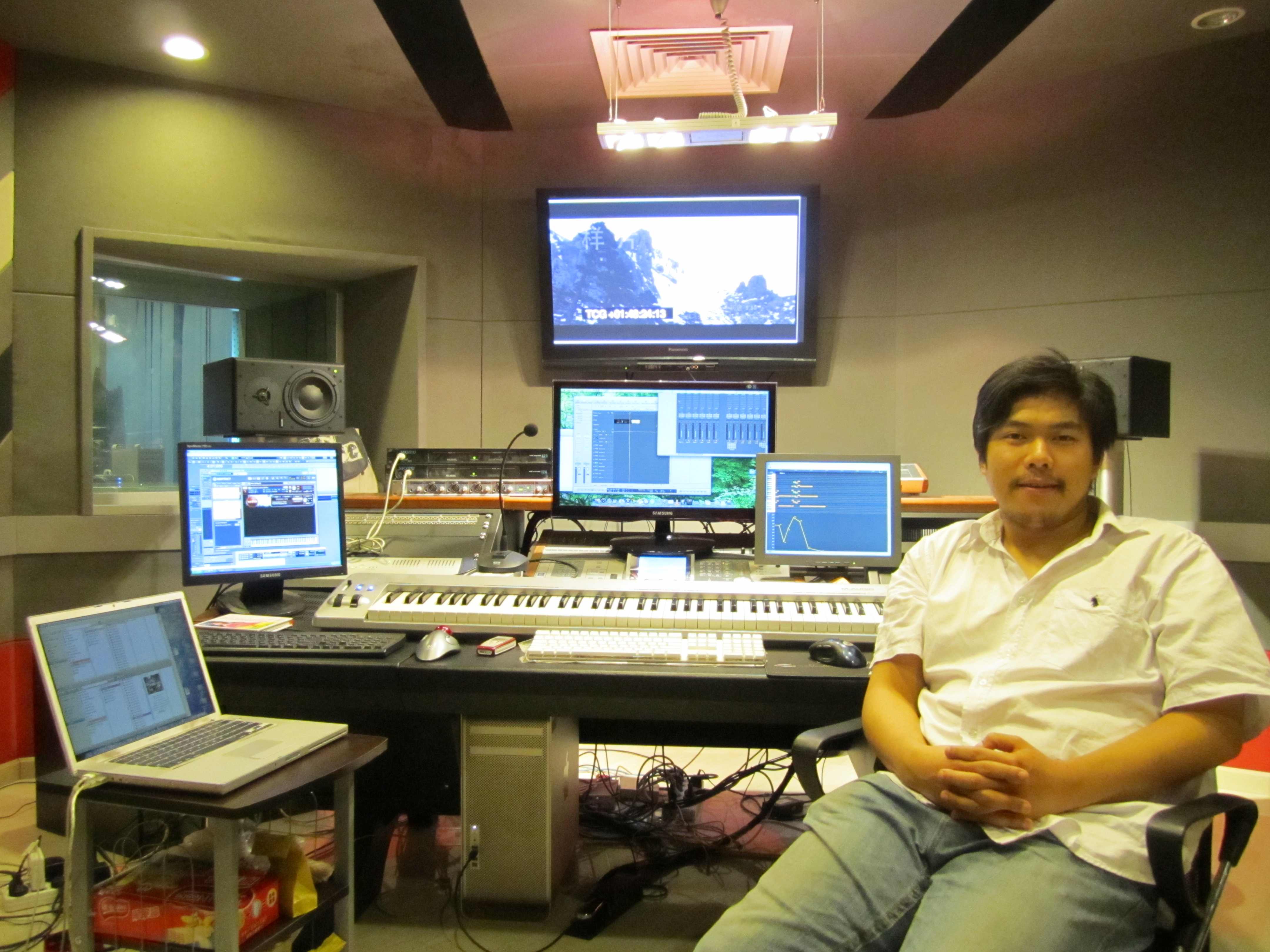
Roc Chen is a Sichuan-born, award-winning composer who has created music for film and gaming. Recognized within the U.S. and China, Chen’s music has the power and the beauty to bring cultures together from around the world, which is no easy task. His film roster includes “Chinese Zodiac” with Jackie Chan, “Forbidden Kiss” and the Chinese adaptation of “Everybody’s Fine” (American adaptation ft. Robert DeNiro). Roc also partnered with DreamWorks to create music for the film “Kung Fu Panda 3” and his music is present in the award-winning, internationally broadcasted documentary TV series “A Bite of China.” Chen’s video game work even dabbles into “World of Warcraft” and “God of War” orchestrasas well as the “Might and Magic” series and his latest work underway with “Prince Adventures.” Recently partnering with Danny Elfman to bring music to Disney Shanghai’s newest ride, Alice’s Maze; Roc Chen’s music brilliantly celebrates the fusion of the American storyline of Alice in Wonderland with Chinese culture native to the Shanghai location.

This summer Roc Chen was interviewed by Nicolette Mallow. The two discussed his background in music, technology, and the power of music and how it can feel like time traveling. Mallow also inquired about the challenges and rewards of merging Eastern and Western cultures for film, Disney, DreamWorks and much more. And Chen opened up about how his music can be like an invisible, magic mirror that reflects everything inside the listener’s heart. The written interview proceeded as follows.

Nicolette Mallow: Will you please tell me about your background in music? Did you always know that music composition was your life calling? When did you begin to play music and write music? As a child, what did music feel like?

Roc Chen: When I was a kid, sometimes I woke up in the middle of the night humming the melody from “The Godfather,” and I thought to myself, “Maybe I should be a film composer when I grow up!” Like many kids, I learned to play classical piano at the age of 4, but unlike many kids, I loved to keep the sustain pedal down to create a bigger reverberation (just like in film scores). And, of course, my piano teacher would always get mad at me for doing that. I’ve always known music, especially film music – it’s my life calling. However, I spent my college life in what is considered a Chinese Stanford (University of Science and Technology of China). We had a large and great orchestra band there and the conductor asked me to be the assistant conductor, so I’ve had the chance to learn from each and every different instrument – not from a book but from a real orchestra band. Later on I also obtained a Master’s Degree in Composition from the Conservatory of Music. I consider myself pretty lucky to have a background in both music and technology!

NM: Art has the power to take us places, particularly music. Music can take listeners back in time within seconds. Music can evoke feelings or fantasies within us and it’s almost like time-traveling… What do you feel are the most powerful components of music that allow us to transcend time, space and imagination?

RC: All the components of music such as melody, harmony, counterpoints are powerful enough to allow us to transcend time, space and imaginationbut personally I think the most powerful one is the abstract part within the music. Pop songs take us into a specific world because the lyrics/words are quite specific and straight-forward. But instrumental music such as film scores without any lyrics or words are abstract, so it takes people to their own and unique places, to the different secret places deep within each person’s heart. This is also the beauty of scores. Film scores, though there are specific picture/scenes synced with it, can allow us to re-create those scenes and characters in our own way when we hear music outside of the cinema. It’s like everyone is a director and everyone directing his own version of that film in his brain. This is the beauty of film scoring. And of course, there are certain skills and ways to evoke those feelings or fantasies in the way of composition.

There’s a music piece of mine, “Deep in Their Hearts,” originally composed for the most renowned documentary in China called “A Bite of China Season 2”. It has moved nearly a billion people in China and around the world. I tried to tenderly and beautifully play the piano with a melancholy and nostalgic melody. It was performed by beautiful strings, woodwinds, with some abstract inside harmony, fine orchestration and counterpoint. The result is this music cue, which has moved lots of people and has surpassed pop songs to reach the top of the Chinese billboard. Thousands of fans came to my Chinese Twitter to express their feelings hearing this music to me and it’s actually quite interesting to read those comments. Some people say it reminds them of their childhood loneliness; some say it reminds them of some moving moments in that documentary; some people say it makes them cry with happiness. Some people say the woodwinds in this cue are funny and playful. It’s all different – and I feel like my music is like a mirror – each person saw and found their secret place deep in their heart by hearing this magical mirror.
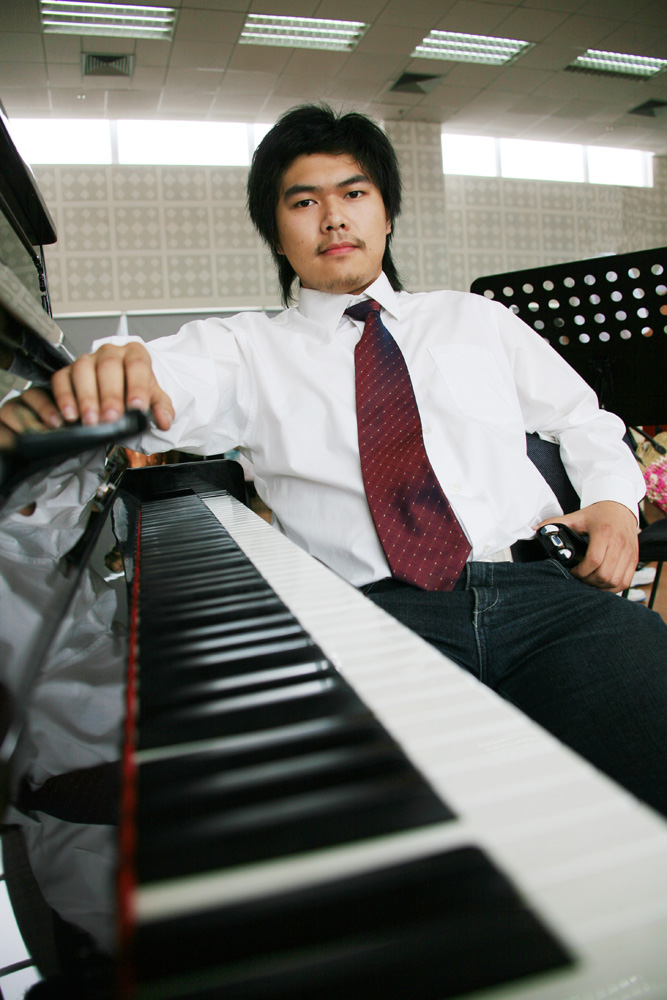
Roc Chen_Head Shot_1

Roc Chen. Photography provided by CW3PR.

NM: What are some of the distinct differences between Eastern and Western music styles pertaining to film?

RC: Well, this is a little bit of a huge topic that I could talk about for days and write a book about. The scale of notes and melodies are different between the eastern and western worlds. Still, as for the relationship between music and film: I think one of the most distinct differences is the eastern style is more implicit while western style is more straight-forward and passionate. As I’ve been traveling between LA and Beijing a lot, I also found this difference within people’s behavior between the two countries. I guess one of the benefits of my goal as trying to be the most international composer is I can always get to know more about people from both worlds.

NM: Would you please share with me the challenges of integrating Eastern and Western music? Is it difficult to please both audiences?

RC: Many Hollywood films with pure western music are also enjoyed by lots of eastern audiences, but most of this music hardly reaches their hearts. So sometimes with only a few elements from the East can really move the eastern audience and ironically enough it moves the western audience too! Also, each film project is different and I’m always very careful with this challenge by always listening to the director’s ideas regarding the direction of the film. I always offer my suggestions and opinions on the direction of music but I would respect my director’s opinion because it is the film – a combination of many arts. It’s a whole project we’re going to present to the audience, not just music. There’s a project I did, “Heroes of Might and Magic VII,” the 7th game of the famous “Heroes of Might and Magic” video game franchise. I write some of the cues in a pure-western style and some cues have a little bit of East and West combined flavour. It all depends on the specific occasion.

NM: What lead you to work for Disney Shanghai?

RC: I guess people loved what I did for “Kung Fu Panda 3” as a Chinese music consultant, and then I got introduced to Disney by my friends at DreamWorks. But really, I think it’s because of my specialty of knowing both East and West which lead me to work for Disney Shanghai.

NM: In regards to Asian American crossroads within the entertainment industry – how did you begin to infuse the American storyline of “Alice in Wonderland” with Chinese culture native to the Shanghai location of Disney?

RC: First of all, it’s always teamwork! It is done by Danny Elfman, myself and another beautiful lady from Disney Imagineer. We put Chinese lyrics such as the translation of “Alice Are You Lost” and other lyrics written initially by Danny into the melody and make sure it really sounds great in Chinese. A lot of times, you’ll hear directly translated songs sounding very, very weird after translation. This requires a lot of experience of the Chinese culture and customs along with musical experience of the tone, pitch and rhythm of each note and its relationship between other notes. We tried many different ways to avoid a common phenomenon in Chinese music which is called “Dao Zi,” meaning the pitch of the notes will not violate or conflict with the tone of the Chinese words. I also had my female choir friends at Beijing singing the melody in Chinese beautifully while we remote-recorded them here in Los Angeles. We also did a lot of tweaks during the recording session.

NM: Do you have a favorite genre of music that you love to write? You are talented at composing many forms of music. But do you have a favorite style?

RC: Well… It’s really hard to pick one favorite style for me as I’ve worked in a lot of different styles and genres. But my favorite one is the one that best supports the film. As long as the form of music can do a good job to support the camera and film – that’s my favorite!

NM: Your career is most impressive and I have watched many of these films. However, I must admit that I have a fondness for “Kung Fu Panda”… Was that your first time writing music for animation? What did you enjoy most about this DreamWorks project?

RC: With this film, Hans Zimmer is the music composer while I worked alongside him as the Chinese music consultant. I offered direction and guidance on the Chinese instruments, Chinese musicians, the articulations and specialty of Chinese instruments. I also consulted on how to combine the instruments with Western orchestra music to the DreamWorks music team. I enjoyed turning the song of the last scene of “Kung Fu Panda 3” into Chinese and recording 40 amazing pop choir singers from Shanghai so when the film was released. Everyone could hear the final product of “animal” singing in Chinese happily in the end scene!

NM: Do you have any upcoming projects you’d like to highlight?

RC: I just finished recording with an orchestra in Nashville for a new animation feature I scored, and I’m also going to score some new exciting feature films, animations and TV series but due to NDA reasons I’m sorry to say I can’t disclose them right now.

NM: Lastly, I grew up reading the book “Joy Luck Club” by Amy Tan about four Chinese American immigrant families living in San Francisco. It’s a bittersweet, tragic and beautiful story that I still enjoy reading in adulthood. Since I was a child, I’ve always been fascinated by the history of China and I hope to visit someday. And of course when the movie came out I enjoyed the soundtrack. My point in mentioning “Joy Luck Club” is because for years, I’ve always wanted to learn more about the roots of classical music in China. But I never know where to start… Is there a book you’d recommend or a certain time period to study for those who want to learn about the roots of music in China?

RC: This is a great question! But frankly, I personally think the best book of Chinese music history or Chinese musicology is not in English but in the language of Chinese. Just like if you wanted to learn the western musicology: you’ll have to read that greatest musicology book in English. When I was in the Conservatory of Music, there was a school book called “History of Chinese music” which nearly covers all different kinds of music from pre-Qin Dynasty times, to Tang Dynasty music, to Qing Dynasty and even modern music of China. It also covers the musicology of a lot of different areas of China such as the music from the north of China – which is so different from the south of China. Music from HeBei Province is also so different from the music from the ShanXi province or the ethnic Uygur group in Xin Jiang areas. I have this book in my Beijing studio and I’ve always wanted to purchase an English-translated version to keep in my Los Angeles studio. Without any luck, I Googled and searched Amazon and didn’t find this book or any book just as great. Maybe some book publisher could work with me to translate a classic book into a new one in English. For those who want to learn about the roots of music in China, most people will probably say the Tang Dynasty is the best time period to study as it is one of the most brilliant time for all kind of arts. But I would personally recommend the eras around the Qin Dynasty such as the Three-Kingdom era, Warring States period, etc. If you research it and dive deep enough, you’ll see music in those ages are clearly fundamental not only to Chinese music, but also to the music of the Eastern world.
www.rocchen.com

Crystal Mangano composed the score of documentary film “Asperger’s Are Us”

Photography provided by CW3PR.

Crystal Grooms Mangano is a composer that has created music for film and television, and her most recent project was for the documentary film “Asperger’s Are Us”. The film made its grande debut at SXSW 2016 in Austin, Texas. During this time: Netflix bought the global streaming rights to the documentary, “Asperger’s Are Us”.

To talk more about her musical background and composing the soundtrack for “Asperger’s Are Us”— Composer Crystal Grooms Mangano chatted on the phone with Austin Examiner, Nicolette Mallow. The phone interview took place shortly after the end of the The SXSW Music, Film and Interactive Conferences and Festivals 30th anniversary held in March 2016.

SXSW 2016 ran a synopsis of the film containing the following: “For the members of the comedy troupe “Asperger’s Are Us,” it’s easier to associate with a faceless audience than with their own families. No matter who the crowd, best friends Noah, New Michael, Jack and Ethan have one simple mantra: ‘We would much rather the audience appreciate us as comedians than people who have overcome adversity’. In this coming-of-age heartfelt documentary, this band of brothers finds themselves at a crossroad. With real life pulling them apart, they decide to plan one ambitious farewell show before they all go their separate ways. People with Asperger’s don’t deal well with uncertainty, and this is the most uncertain time in their lives.”

Nicolette Mallow: I read your biography about your compositions for film and television, but will you tell me the overview about how your journey as a musical composer unfolded?

Crystal Grooms Mangano: I began playing piano in the 1st grade. Then I added on the flute, the electric bass and I participated in as many music groups as I could while I was in school. Back then I started composing piano pieces. And I loved playing piano reductions of film scores, which I know frustrated my piano teacher. Like the time I brought a piano piece from “Seven Years in Tibet”. In college, I studied music and film together at Montana State University because I wasn’t sure what I wanted to pursue. Their dual degree program allowed me the freedom to learn both spectrum’s… I sort of created my own path by absorbing, learning and combining as much as I could from studying film and music. Practicing both at the same time. I met so many people in both departments. It gave me a great background into all aspects of filmmaking, editing, directing and music. Sort of like learning the ground base for what goes into making a film… When I got to LA, it was a big change and a bit of an adjustment. I was born in Casper, Wyoming and then moved to Montana. But I have grown to love Los Angeles. During the last four to five years is when I really started composing for film and television.

NM: Do you have a process when composing music for film and TV? Or does it alter depending on the project?

CGM: Yes, it depends on the project and the Director. A composer can come on at any point in the project. A composer can begin as early as the script, or as late as when the film is being edited at the end. I recently worked on a horror film and I read the script in advance and then submitted a demo to the Director while he was editing. And then once they were finished, I came back and created the complete score… During the making of “Asperger’s Are Us”—I came in close to the end when they were almost finished editing. I didn’t have much time to think about the music. Before writing anything down, I watched the film multiple times. Just because I really wanted to know as much about the story as I could, first. One of the first tracks I sent was “First Rehearsal” when the guys are looking for a place to rehearse. The scene shows their personalities and struggles; exterior influences. They so much want to focus on themselves and are having so much fun with it all. And I wanted to portray the spirit of their comedy troupe. They do it because they love it and their friendship becomes formed around this comedy troupe. But they don’t have a space so they keep getting kicked out of places and it’s not going smoothly. The score at times is a little off-kilter and a little unconventional as far as instrumentation. I wanted to show they’re having fun and that’s the point of what they’re doing.

NM: I listened to your tracks several times. The music is so playful, fun and it makes me want to go on a walk outside or take an adventure somewhere. There is something about the music that reminds me of youth and the playful mood of being young and free… Music is so powerful. When you’re creating music for a project, does it affect your mood? I would imagine the horror music was vastly different than this documentary.

CGM: Music is powerful and it does affect my mood. I really have to get into the same mindset as the music I am trying to write: anxious, happy, subdued. Whatever mood it may be, yes, it can be difficult because I really have to get into the film. “Asperger’s Are Us” was really light and cheerful as opposed to the darkness and eeriness of a horror film.

NM: I read that you run marathons… Does running help calm your mind and help you write?

CGM: Running clears my head. Running gives me space for my thoughts. First part of the run, I am thinking and stressing about projects. But once I get into the run, that space clears and I am able to enter a creative place. I come up with a lot of ideas and bring them into the studio after a run. The more you sit and work, the more you get where you don’t know if you’re having fresh ideas or not.

NM: Do you have any advice for up-and-coming artists entering the entertainment industry?

CGM: My advice would be that if you’re going to pursue something to remember why you want to do it. Always remember, never forget. For me, when I am getting upset or I am frustrated by the process of it all—whenever I feel burnt out or discouraged: I remember why I love this. I remember that it makes me happy and brings me joy. Keep that remembrance and the love of it all the focus if and when you get caught up in the politics of the industry. Don’t lose sight of why you want to be there. Always put that love and that positive energy into your work.

To read more about Crystal Grooms Mangano and her biography, please refer to her website at www.crystalmangano.com. Stay tuned for the film “Asperger’s Are Us” to appear on Netflix.

 Note: This article was originally published on Examiner.com in March 2016. 

nicolette mallow

SXSW interview with Director of ‘A Song For You: The Austin City Limits Story’

nicolette mallow

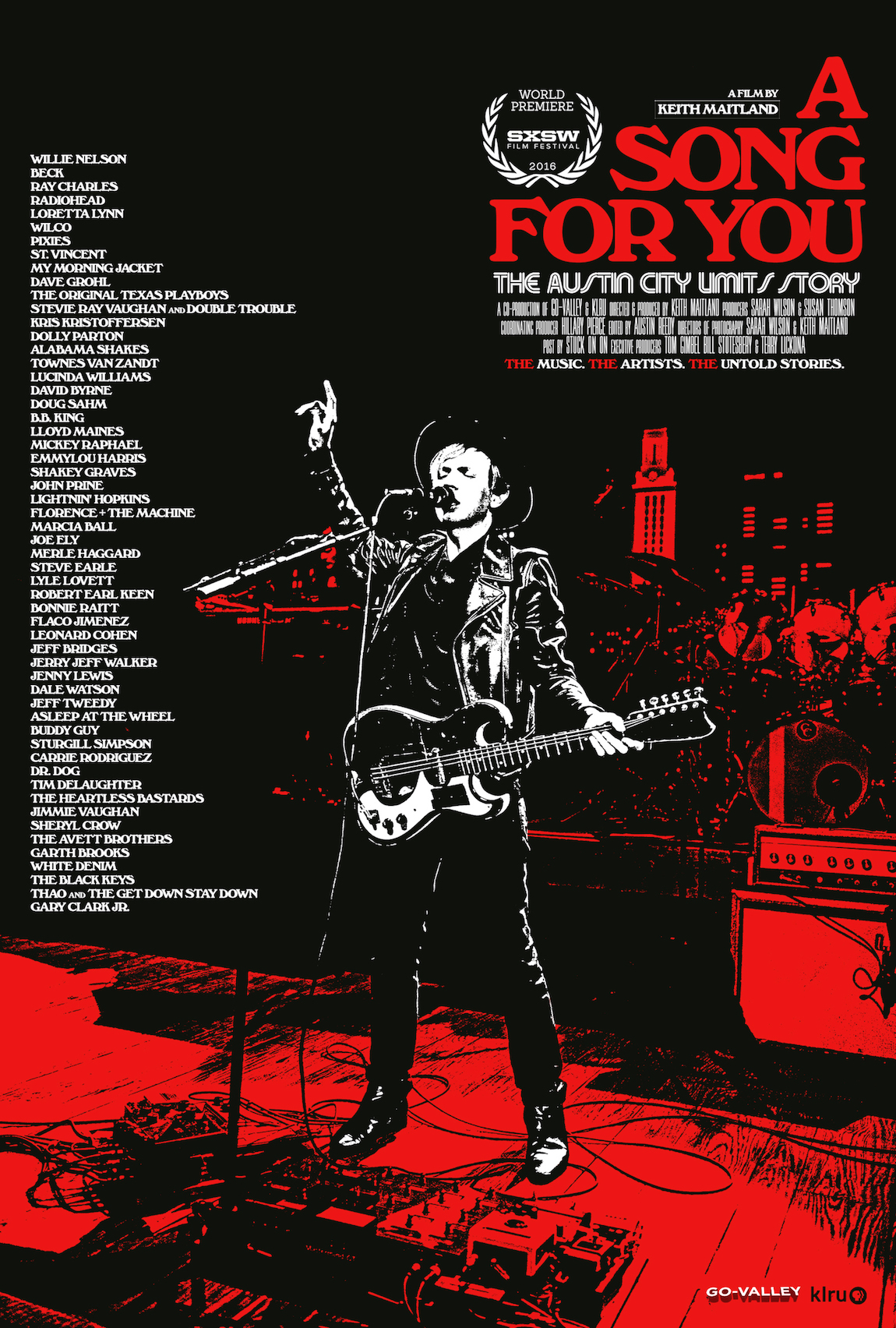
BECK. Imagery provided by Go-Valley Films.

Directed by Keith Maitland, “A Song For You: The Austin City Limits Story” held its world premiere at The Paramount Theatre in Austin, Texas during SXSW on Mar. 17, 2016. The SXSW Music, Film and Interactive Conferences and Festivals is celebrating its 30th year. And this year Keith Maitland and his teammates debuted two films for the first time at SXSW 2016. “A Song For You: The Austin City Limits Story” is a vibrant, intimate and engaging documentary covering 40 years and four decades of live music filmed for the beloved television show Austin City Limits (ACL). It’s a playful and raw story—an immaculate collection of great artists and their bands that took the stage at Austin City Limits. Director Keith Maitland shares the unique story of how ACL began with ‘janky’ sound equipment and soon morphed into the longest running music show in television history.

Artists that appear within the documentary include the following: Willie Nelson, Townes Van Zandt, Steve Ray Vaughan, Beck, Johnny Cash, Bonnie Raitt, Ray Charles, Emmylou Harris, Buddy Guy, Jeff Bridges, Matthew McConaughey, Lyle Lovett, Sheryl Crow, Dolly Parton, Radiohead, B.B. King, Lighting Hopkins, The Avett Brothers, Talking Heads, Garth Brooks, Thao Nguyen and more. “Long-time producer of Austin City Limits, Terry Lickona, also transcends the TV show and gives audiences a front-row seat and backstage pass to the greatest performances of the longest running music show in television history.”

One prime reason “A Song For You” is described as the ‘ultimate backstage pass’ to Austin City Limits is because it entails endless video clippings from numerous performances filmed live at ACL alongside annotations of those who were there first-hand to experience the performances. The audience is granted the inside track regarding many ACL shows, off-stage and-onstage. Watching the artists and the production team work their magic. Feeling as if we were there, too. Hearing about the highs-and-lows of the non-stop adventure—’the flood of memories’—it’s an adrenaline rush to the heart and soul. Listening to the music, hearing the interviews and seeing it all unfold and come to life at once makes the documentary unforgettable.

Director Keith Maitland did an immaculate job of intertwining 40 years of history into 96 minutes. “A Song For You” opens with Dale Watson solely because he was the featured artist on the final episode filmed for Season 39 by Austin City Limits. Once Maitland sets the scene in present day, the Director takes us all the way back to the beginning when Willie Nelson played for ACL in 1974 and tells the story in a retrospective way. Obviously, music is the core of Austin City Limits: their universal love of music and their never-ending desire to showcase musical masters and the up-and-coming talent. The title of the film is also befitting because without the audience, Austin City Limits wouldn’t have thrived. The show needs the audience as much as we need the show. You won’t want this film to end it’s that exciting, but when it does. As the credits come to a close, there is a video of Ray Charles singing “Deep In The Heart of Texas”. Which is where it all began, deep in the hearts of Texans. Or at least those living in Texans even if born elsewhere… Many of the artists in the film are still living, others have died and passed on. But the story of Austin City Limits will live on forever.

asfyou_acl__final_Hi copy

Imagery provided by Go-Valley Films.

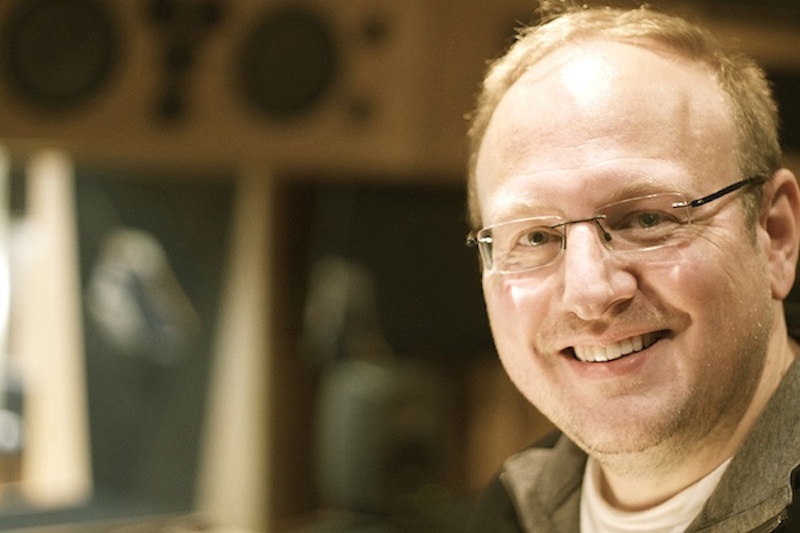
Fortunately, this week the Director Keith Maitland met with Austin Examiner, Nicolette Mallow, at The Driskill Hotel to talk about “A Song For You: The Austin City Limits Story” and how this delightful documentary came to fruition. Maitland also touched briefly on his other film, “Tower” that screened at the SXSW 2016 festival, too. [“Tower” is about the sniper in August of 1966 who rode the elevator to the top and held people hostage from The University of Texas Tower for 96 minutes, and at the end of his tyranny he’d taken 16 lives and wounded over three dozen.]

Nicolette Mallow: What compelled you to make a film about Austin City Limits? Do you simply love the show and what it stands for? Or do you have a strong affiliation with the city of Austin, too? I noticed both of your films pertained to Austin, Texas.

Keith Maitland: I attended The University of Texas at Austin from 1994 to 1998. Then I lived in NYC for ten years. About ten years ago, I moved back to Austin. And yes, live music is something I’ve always loved … In the 1990’s, I saw a few ACL tapings. I even sneaked backstage a few times. Once I snuck onto Willie Nelson’s tour bus in 1998. I had a knack for sneaking backstage. And that’s really what I wanted this documentary to capture: the energy and excitement of a wide-eyed fan… How this project came about is that I used to work at KLRU. And then a few years ago, a PBS Executive in DC called me about Austin City Limits and their 40th anniversary.

NM: How were you able to pick and choose a specific list of videos from an endless supply of ACL performances?

KM: That was no easy task and there was simply no way to honor all of the artistic talent that has premiered on the show. Austin City Limits has showcased around 800 performers and their bands. That’s a rough estimate and not an exact number, but my point is that it was impossible to include everyone in 96 minutes. I asked the production crew for a list of their favorites, and that was hard for them as well. So rather than pick out favorites, together, we oriented the set list around pivotal moments of the show.

NM: I noticed the documentary focused a great deal on Beck, Willie Nelson, and Stevie Ray Vaughan. All very big artists that are loved by Austin and around the globe… Personally I loved the footage in your film of Beck’s performance at ACL. And I actually went to middle school and high school with Willie’s nephew, Trevor. Any reason you chose those three to focus on?

KM: Beck is one of my absolute favorite artists and his presence in the film portrays the musical energy of present day. It was so cool to book an interview with him and quite rare for us to get the chance. Beck is very exclusive about interviews. I think it had been about ten years since Beck had consented to an on-camera documentary interview. So that was a huge honor and I know the only reason we were able to book it is because of Beck’s love for Austin City Limits… In regards to the other two artists. There are two statues of musicians in downtown Austin: Willie Nelson and Stevie Ray Vaughan. Their names were paramount to the story because they have each cast a shadow over the legacy of this town… Plus, Willie Nelson is the first artist to perform for the show and he’s from Austin. Also, the producers of ACL absolutely adore those two. And I can tell they had a very personal friendship with Stevie Ray Vaughan and that the absence of his presence still stings the ACL family.

NM: Did you enjoy interviewing the production crew, and specifically (the producer) Terry Lickona, from the ACL crew?

KM: Yes. I did. One of my favorite parts of the film is at the end when we are asking all the employees at ACL about what lead them to their job and what their role in the company is… Terry Lickona is just a great person in addition to being a fantastic producer. He is also a live music devourer. And he is always looking to the future and ‘what’s next’ which keeps the show fresh and exciting. He is a people’s people and is constantly out there absorbing the latest news pertaining to music. Terry’s loyalty to the show— and the loyalty of the entire ACL crew—it’s astounding. They’re an amazing team. And come on, it’s a pretty sweet gig to work.

NM: My last question is about your other film “Tower”. The other day I saw “A Song For You” at the Violet Crown and I adore it. But I’ve yet to see this one. My question is, many people have made movies or written stories about the 1966 sniper that murdered people from the UT Tower on the UT campus. What defines your story from all the rest and makes it so unique?

KM: Yes a lot of people have covered this story. What makes my take on it unique is that I don’t focus on the sniper. I focus on the witnesses, the heroes and the survivors of the story. The sniper is obviously mentioned and he’s part of the story. But he’s almost like the shark in the movie “Jaws” and how we don’t really see him until the end. We just hear the music and know what’s coming. “Tower” is a story of humanity at its best and worst. We get to see the people who put their lives at risk to save another. We also get to hear accounts from those who were frozen in fear, unable to help, and the shame they felt for being paralyzed with fear. But it’s very touching to hear the stories. A lot of people risked their lives to come to the rescue of those bloodied, bleeding and wounded… There is a little bit of us all in these characters and I wanted people to be able to relate to the story. Not the sniper.

For more information regarding “A Song For You: The Austin City Limits Story” please visit the official website at www.asongforyoufilm.com. To learn more about Austin City Limits (ACL) and to search upcoming performances: please check out their web page at www.acl-live.com.

Note: This article was originally published on Examiner.com in March 2016. 

nicolette mallow

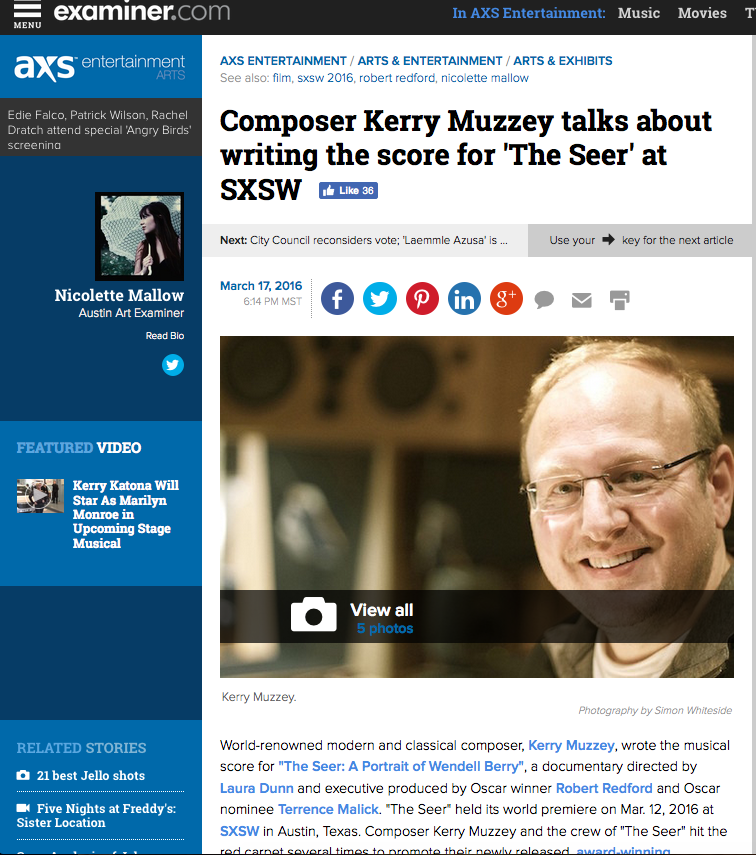
Composer Kerry Muzzey talks about writing the score for ‘The Seer’ at SXSW

Kerry Muzzey _headshot

Kerry Muzzey. Photography by Simon Whiteside.

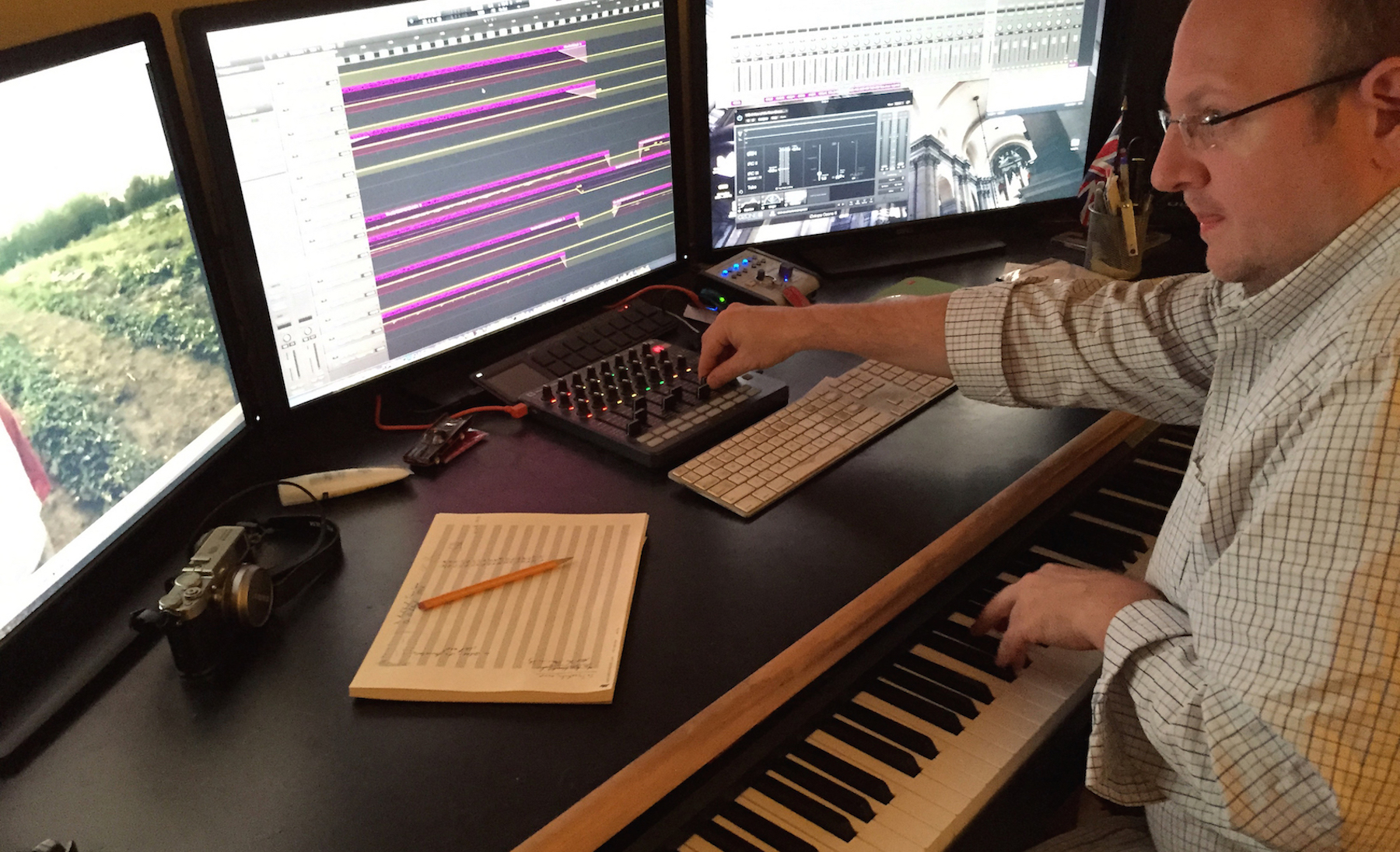
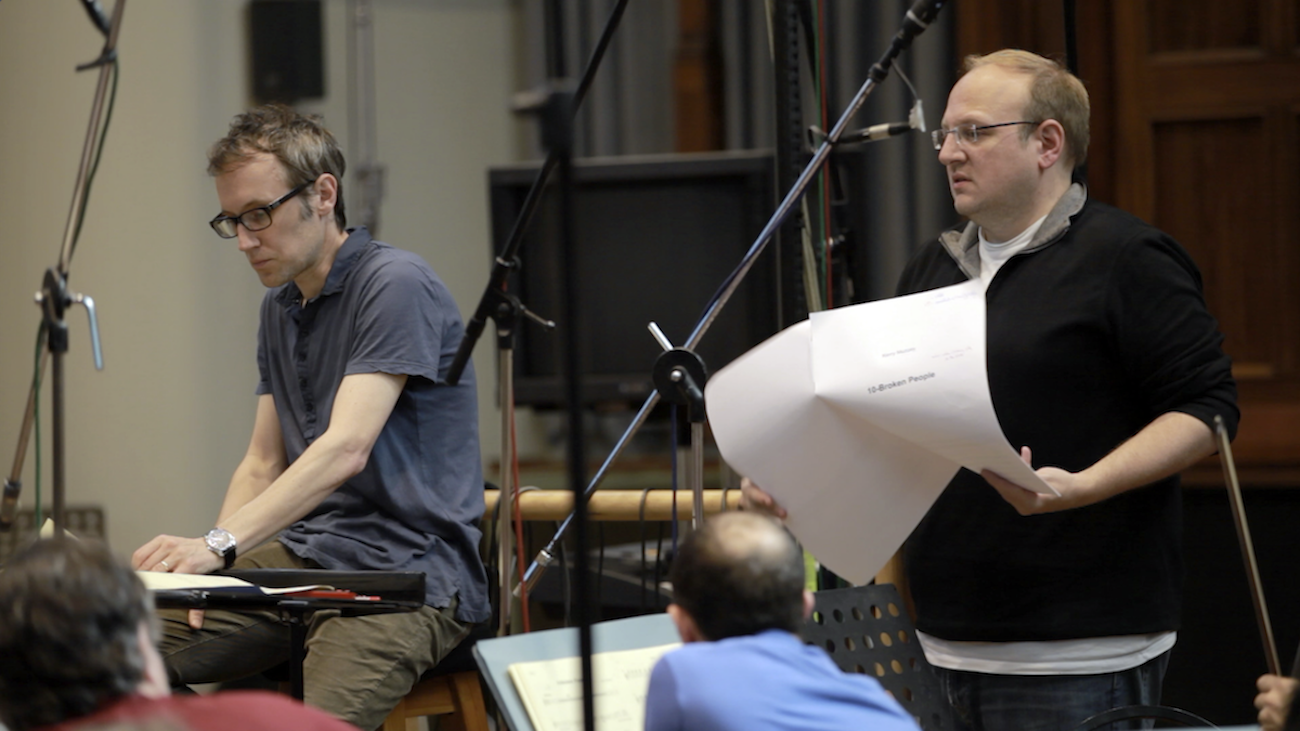
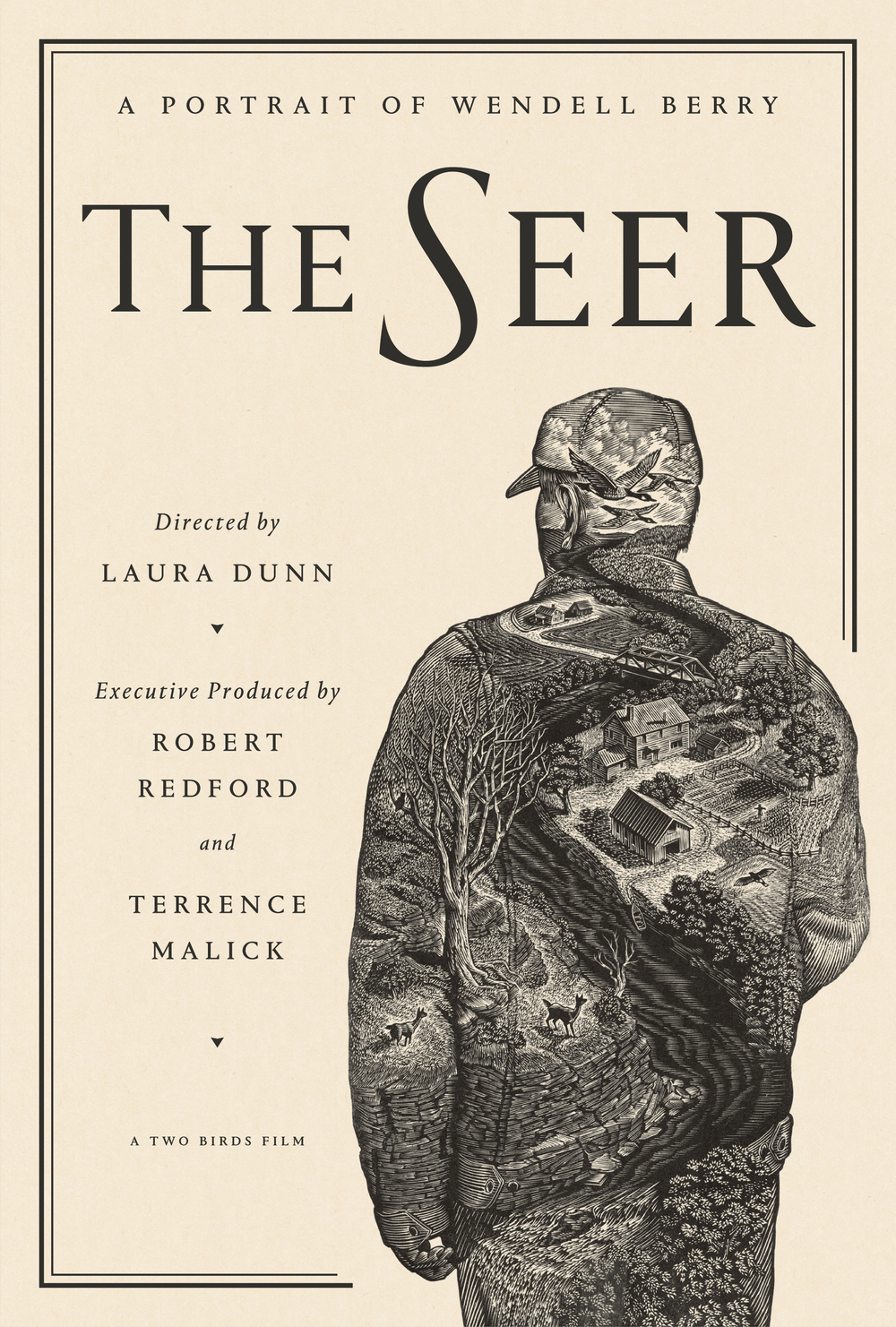
World-renowned modern and classical composer, Kerry Muzzey, wrote the musical score for “The Seer: A Portrait of Wendell Berry”, a documentary directed by Laura Dunn and executive produced by Oscar winner Robert Redford and Oscar nominee Terrence Malick. “The Seer” held its world premiere on Mar. 12, 2016 at SXSW in Austin, Texas. Composer Kerry Muzzey and the crew of “The Seer” hit the red carpet several times to promote their newly released, award-winning documentary. The SXSW Music, Film and Interactive Conferences and Festivals is celebrating its 30th year. And this year “The Seer” was awarded the ‘Special Jury Recognition for Cinematography’ for SXSW 2016.

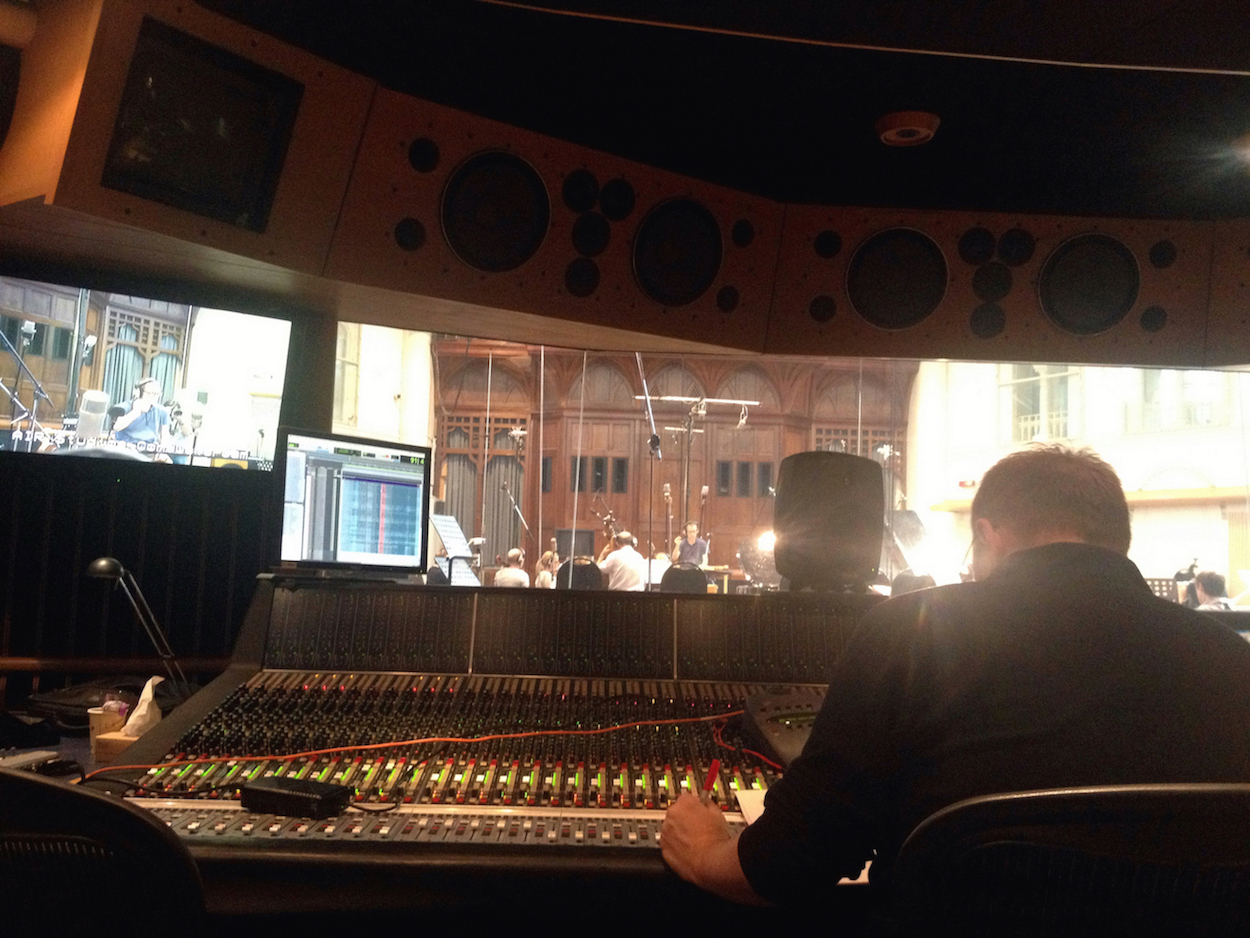
Music is a key element within the world of cinema and Kerry Muzzey knows how to set the scene, musically, with his innate gifts of sound and music. The score for “The Seer” is absolutely lovely and befitting to the story without dominating or overpowering the documentary. On Mar. 15, 2016, Kerry Muzzey consented to a phone interview with Austin Examiner, Nicolette Mallow, to talk more about creating the score of “The Seer” and his musical background that lead him to Hollywood and SXSW.

  • nicolette mallow

A little more about the synopsis of the film in preface to the interview: “The story of ‘The Seer’ revolves around the divergent stories of several residents of Henry County, Kentucky who each face difficult choices that will dramatically reshape their relationship with the land and their community… Henry County, Kentucky, like many rural landscapes across America, has become a place of quiet ideological struggle. In the span of a generation, virtues of simplicity, land stewardship, local economies and rootedness to place have been supplanted by a capital-intensive model of industrial agriculture characterized by machine labor, chemical fertilizers, soil erosion and debt—all of which have frayed the fabric of communities. Writing from a long wooden desk beneath a forty-paned window, Wendell Berry has watched this struggle unfold, becoming one the most passionate and eloquent voices in defense of agrarian life… Filmed across four seasons in the farming cycle, ‘The Seer’ blends observational scenes of farming life, interviews with farmers and community members with evocative, carefully framed shots of the surrounding landscape. Thus, in the spirit of Berry’s agrarian philosophy, Henry County itself will emerge as a character in the film – a place and a landscape that is deeply interdependent with the people that inhabit it.”

Nicolette Mallow: When did you begin playing music? Would you mind telling me a little bit about your artistic background?

Kerry Muzzey: When I was 10 years old I started learning on classical organ. By the age of 11, I began writing music. But really it goes back even further than that because when I was 6 or 7 years old, I recall going to see “Star Wars”. Sitting there in the theater as a kid, when the film started rolling and the music came out of the speakers: it gave me goose bumps. I’ll never forget the feeling, even now. The music blew me away and all I could think about the rest of the day was “Star Wars” and its musical score. I have extreme reverence for John Williams. And I believe many composers can say that John Williams’ music was and is a true inspiration. Right after that movie I went out and bought the soundtrack on vinyl and listened to it on those giant headphones from the 1970’s. The music sounded like classical but it was more specific and inspiring. It was very intense and evocative for a child because it was focused and in conjunction with the picture… As a child I wanted to be a composer, a spy and an airline pilot. I dreamt of becoming many professions just like any little kid would. Yet I always kept coming back to music. My mother raised me entirely on classical and she told me that when I was in her womb: she played classical music for me and held the headphones next to her belly for 30 minutes a day for nine months.

NM: It seems as if you were destined to be a composer.

KM: Yes, and even though I started writing at the age of 11. It wasn’t until I turned 16 that my mother’s friend moved away and gave us their piano. I remember getting that piano and my family could not pull me away from it… Just the sound of a piano allured me. Complex piano compositions resonated with me so deeply even then. Because when you are playing a physical instrument: you can feel the hammers and strings inside its giant wooden case. It resonates in your heart and your hands. You can literally feel the sound as you’re playing music. It’s very powerful. That is around the time I began writing solo piano stuff. Playing the orchestra I heard inside my head. At the time, technology for music was not yet available to create an orchestra inside of a computer. So, it was a little different back then.

NM: I listened to the score you composed for “The Seer” in its entirety, twice. You wrote such beautiful music that compelled my mind to travel through time and feel nostalgic. The song “Daughter” struck a chord with me, in a good way… Was the music meant to be evocative? What is the biggest difference between writing music for a narrative feature versus writing a score for a documentary film?

KM: That is an awesome question. Writing music for a documentary was a challenge that took me quite a few tries to overcome. A narrative film is a completely different process than composing music for a documentary. Writing music for a documentary has to be subtle. The music cannot overpower the picture and it has to stay out of the way of the picture. The score cannot be traditional. For instance, a narrative feature film has a soundtrack of very specifically engineered music. It is written to make the audience feel something at that moment, so when the hero saves the world or the couple finally gets their big kiss: you expect the soaring strings. When making music for a documentary, if you’re too on the nose, or if you’re trying to punch it up too much, it can become a distraction. The audience that attends documentaries and is loyal to documentaries is also a highly intelligent crew. And you cannot use music to try and manipulate the audience into feeling a certain way. The music is simply there to beautify and assist the story as it unfolds in its own natural state.

NM: If you had to pick one song from the soundtrack of “The Seer”, which track encapsulates the spirit of the film? I’m curious to know which song is the beating heart of your composition.

KM: Yes, I can pick one. I believe it’s the sixth track and it’s a song called “Forty Panes”. It’s also the Director’s favorite (Laura Dunn). It’s a song about Wendell Barry and it has piano and cellos in the melody. It was magical to write and it kind of came out of nowhere. I was so in love with it that I actually got my cellist to record it before I even played it for Laura. Which is kind of dangerous because I am paying the cellist for his time. But I loved this cue so much. The way it resonates with the picture and how it struck a perfect balance… It’s the crux of everything and it’s beautiful… I sent the piece out to the Director and I was stalking my email waiting for Laura’s response. Two hours passed by and I feared the worst. And then her email arrived with a response, “I keep watching it over and over—and I kept crying every time I felt the music—and I don’t know why.” Right then, I knew that I got it right… The Director of “The Seer” is not only a good person, but she’s extremely smart and talented. She’s amazing and cool and I wanted her to love the soundtrack. Talking to her the other day, we spoke of that piece in particular as it being the high point in the films soundtrack: simple and quiet, but against the picture it can’t be anything else but exactly that… This wasn’t my first project with Laura Dunn, either. About eight years ago, Laura made a film, “The Unforeseen” about over development in-and-around Austin. The core of it predicted the housing crash a year prior to the fact. At the time she had licensed a few pieces of mine to use. Years later we reconnected and in this case she wanted me to score the entire film. Obviously I said yes and it’s been an amazing project. Laura and her team are so great at what they do.

NM: Do you have any upcoming projects that we can look forward to?

KM: Yes, I do have future projects. Presently I cannot say much because it hasn’t been formally announced yet. What I can say is that I am writing a full-length ballet for a full orchestra. And it premieres in London next May of 2017. This job sort of came out of left field. It’s a very heavy lift for me, it’s a huge challenge, but I am so excited to work with this choreographer and their innovative team. I couldn’t say ‘yes’ fast enough.

For more information regarding Kerry Muzzey or the movie, “The Seer: A Portrait of Wendell Berry”: please visit www.kerrymuzzey.com or www.theseerfilm.com.

Note: This article was originally published on Examiner.com in March 2016. 

Elvis Costello’s memoir: Unfaithful Music & Disappearing Ink

nicolette mallow

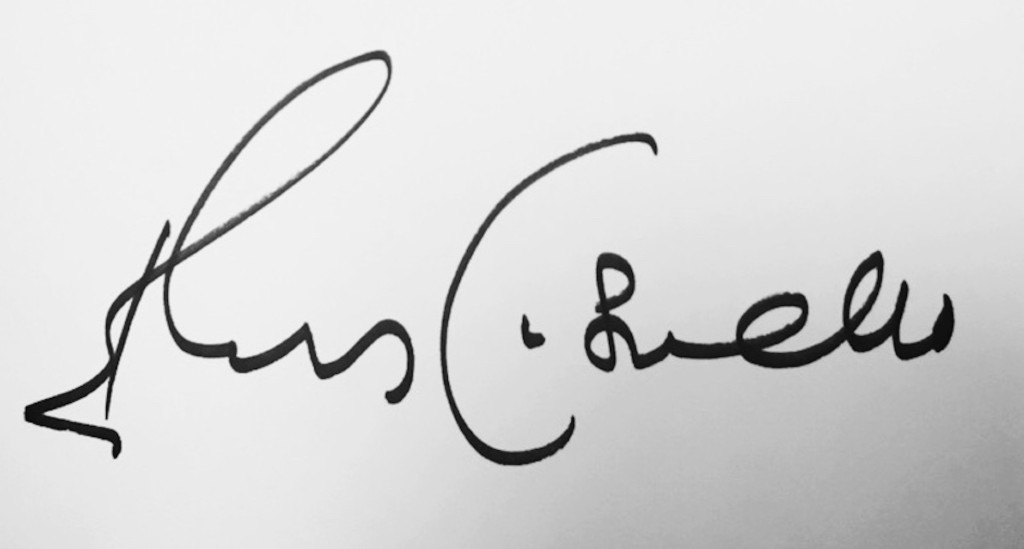
Autograph by Elvis Costello.

Elvis Costello was the featured guest for an interview with Evan Smith at Book People in Austin, Texas on October 20, 2015. Recently, Costello wrote a memoir titled Unfaithful Music & Disappearing Ink. This exclusive interview was part of his book tour. Entering the room with a light-colored hat, dark suit and vest, black-framed glasses, one gold ring on each hand and slick, black leather shoes: Elvis Costello descended the stairwell from the third floor to discuss the book and his life lived in music thus far. The entire second floor of Book People was filled with attendees and so many people were present that quite a few were listening in the back without a view of Elvis Costello; only able to hear voices echoing over the microphones. Fortunately I was able to grab a front row seat and sit on the floor.

Music is clearly the anthem of his life and the focus of his career. He’s been part of the industry over 40 years. The book is a collection of memoirs entailing his entire life, with a emphasis on his career. During the interview Elvis Costello answered numerous questions and mentioned various musical stories regarding Paul McCartney, The Beatles, T Bone Burnett, Tony Byrne, Jimmie Vaughan, and Jimi Hendrix. Reluctantly, he even rehashed the old SNL incident back in December 1977 that got him banned from the show for nearly 12 years. Additionally, he spoke of his favorite gigs played in Austin and the time they performed at the Armadillo Festival in 1978.

This slideshow requires JavaScript.

To much delight, Costello was also very open and willing to share the more personal stories of his past about family, his love and lust for women, or the curse of memory. Costello mentioned that memory, and the fear of losing memory, were two strong factors that compelled him to write the book. He discussed the long process of writing his autobiography and how the process was simplified with the patient support of his wife through her assistance to help organize old memories. Many of his relatives, he said, suffered dementia and Costello didn’t want any memories stolen away in the event that time or health altered his mind. Unafraid to go behind-the-scenes and express life offstage, it was interesting to listen to him speak about how he’s changed over several decades from when he began his musical career as a young man in his 20’s until now in his 60’s. I wanted my stories to be told by me, in accuracy. I didn’t want them retold in a way that didn’t hold true to my life,” he stated to Evan Smith.

In regards to Elvis Costello’s past, the topic of family and his memories of childhood were predominant, reoccurring themes throughout the interview. Many old photographs of times past were presented on a large screen, even a heartfelt video of his father performing live on television and dancing on stage whilst singing “If I Had A Hammer”. Elvis Costellospoke fondly about both his parents and there was great love and adoration in his voice when he shared old memories and his love for family. Nonetheless, there was a huge emphasis on his father, Ross McManus, a well-known musician and trumpet player. In fact, Costello made a point to inform the audience that October 20th, that very day, was indeed his father’s birthday. A particularly poignant memory of childhood included Costello telling the audience how he peeked around the back of the TV as a small boy to see if he might find his father behind the machine, only to realize that his dad was on stage in a studio. I found those sorts of memories to be the most endearing because only a child could think someone or something could transform into a miniature size and fit inside a TV. Costello’s honesty and his ability to tell old memories as if he were reliving it that very moment humanized his life story and made the interview all the more refreshing to hear.

Growing up in a house of music, all my life I’d heard the name ‘Elvis Costello’ and I knew he was a musician, singer-songwriter and record producer from England. I knew he’d been inducted into the Rock and Roll Hall of Fame and I knew he’d been to Austin many times to perform. The city of Austin has always loved hosting Elvis Costello shows and over the past 20 years: I’d seen his name printed all over line-ups in the press. But to be quite frank, I really had no idea how in-depth his career was or how influential he was until this interview and until I began reading his memoir. Not only did I walk away that night learning and absorbing new insights about a famous musician born in Europe. That evening I became an Elvis Costello enthusiast. Just listening to the stories during the interview had me intrigued, eager to finish the rest of his book I’d only obtained one day prior to the event. However, the moment when he surprised us with live music and began to play “Everyday I Write the Book” and I heard those lyrics for the first time only a few feet away from Elvis Costello in the flesh and blood: I felt a strong connection to the music. I wanted to hear more. My heart was so deeply moved by the words in his lyrics that it almost made me want to cry, in a good way. Since then I’ve started to read many of his lyrics and it’s clear to me now why he’s become a global success for 40 years. Elvis Costello is an artist whom posses a distinct voice and an edge. An artist that followed his heart and writes from the heart. A one-of-a-kind artist with innate gifts of articulation, imagination and passion. Gifts that cannot be taught nor bought.

Furthermore, Costello read a few chapters from his newly released memoir, Unfaithful Music & Disappearing Ink. Ending the evening on a high note, that’s when he played a bit of live music for the audience. We even got a little history lesson about his guitar in-between songs. A short video of his performance that I recorded from my seat can be found here on YouTube: Elvis Costello playing music at Book People.

Elvis Costello’s memoir was released in October 2015. The nearly 700 page story hasn’t been on the bookshelves that long but it’s already receiving quite a bit of positive feedback and attention from the media. Posted verbatim on his official website, “Born Declan Patrick MacManus, Elvis Costello was raised in London and Liverpool, grandson of a trumpet player on the White Star Line and son of a jazz musician who became a successful radio dance-band vocalist. Costello went into the family business and before he was twenty-four took the popular music world by storm. Costello continues to add to one of the most intriguing and extensive songbooks of our day. His performances have taken him from strumming a cardboard guitar in his parents’ front room to fronting a rock and roll band on our television screens and performing in the world’s greatest concert halls in a wild variety of company. Unfaithful Music & Disappearing Ink describes how Costello’s career has endured for almost four decades through a combination of dumb luck and animal cunning, even managing the occasional absurd episode of pop stardom. This memoir, written entirely by Costello, offers his unique view of his unlikely and sometimes comical rise to international success, with diversions through the previously undocumented emotional foundations of some of his best-known songs and the hits of tomorrow. It features many stories and observations about his renowned cowriters and co-conspirators, though Costello also pauses along the way for considerations of the less appealing side of fame.”

Unfaithful Music & Disappearing Ink can be purchased online or at your local bookstore. For more information regarding Elvis Costello, his book tour, list of albums or other miscellany: please visit the website at www.elviscostello.com.

“Don’t tell me you don’t know what love is. When you’re old enough to know better. When you find strange hands in your sweater. When your dreamboat turns out to be a footnote. I’m a man with a mission in two or three editions. And I’m giving you a longing look. Everyday, everyday, everyday I write the book. Chapter One we didn’t really get along. Chapter Two I think I fell in love with you. You said you’d stand by me in the middle of Chapter Three. But you were up to your old tricks in Chapters Four, Five and Six. The way you walk. The way you talk, and try to kiss me, and laugh. In four or five paragraphs. All your compliments and your cutting remarks. Are captured here in my quotation marks. Don’t tell me you don’t know the difference. Between a lover and a fighter. With my pen and my electric typewriter. Even in a perfect world where everyone was equal. I’d still own the film rights and be working on the sequel… Everyday I write the book.” – Elvis Costello

Note: This story is originally published on Rank & Revue in July 2015.

logo1

Tears of Diamonds & A Heart of Silver: The Legendary Bill Carter and The Blame

nicolette mallow

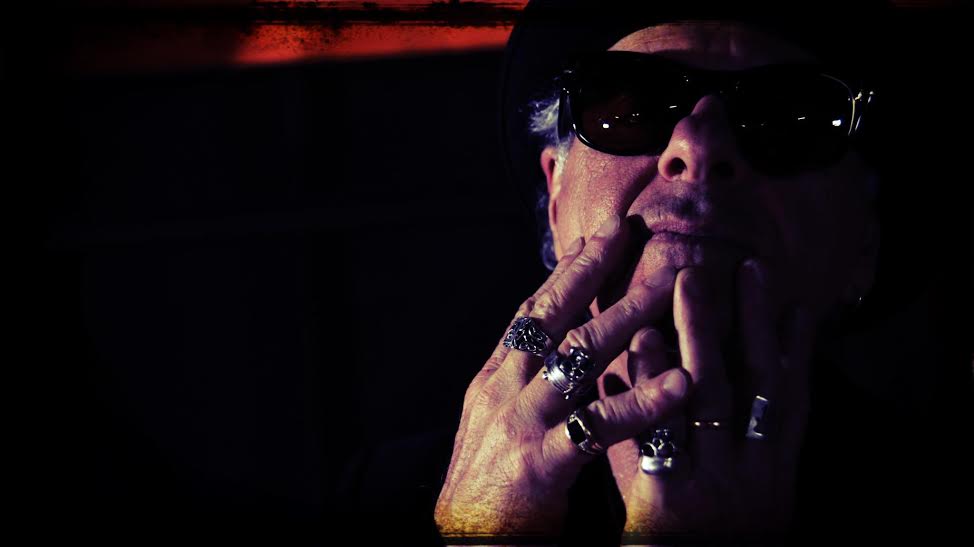
Bill Carter. Photography by Pat Kondelis.

Walking into The High Road to see Bill Carter play music, I knew I would recognize him on stage but I was ambivalent whether or not he would recognize me in return. For six years at a distance, periodically on Wednesday nights I’ve seen and heard Bill Carter perform with other artists in the annex at Z Tejas on West 6th street in Austin, Texas. Everyone always loves the nights they perform at the Z, even the staff. Sometimes you cannot even get a seat because it’s so full. From a distance I noticed Mr. Carter always wore glasses, a hat of some sort, and I detected that he possessed a lot of tattoos on his hands and forearms with heavy-looking, silver and metallic jewelry adorning his wrists, fingers and neck. He looked like a rock star, and I always thought he must’ve been a cool cat to talk to. Come to think on it, I never actually had a direct conversation with Mr. Carter, or the band, even if polite hellos and friendly smiles were exchanged. Until today.

Stepping back in time a moment, there was one particular night at the Z when I was sitting at the edge of the bar, people watching. Musicians were on stage, silently setting up shop with their guitars, amps and other miscellany. Pretending to listen to my headphones and iPod so no one would bother me, when in actuality no music was playing at all. I heard a group of older men complimenting the musicians. Pointing out who Bill Carter was amongst the group, I also heard the men say that Johnny Depp once joined Carter on stage to play music at The Continental Club, which I found most interesting and exciting.

This slideshow requires JavaScript.

 Finally, after six years of watching from the crowd, I set forth to interview Mr. Carter, and he was kind enough to oblige after the show at The High Road on March 14, 2015. Walking into the room for an early daytime show, behind the stage were giant glass windows that opened up to a swimming pool and a lovely view of downtown Austin. The sky was so blue and there wasn’t a cloud in sight. Palm trees blowing in the wind. I was sitting and listening to Bill Carter’s first song – “Richest Man” – which almost made me cry, in a good way, and I had to fight the urge to show intense emotions of sadness and bittersweet nostalgia at the table before it’s even dusk. Something about the lyrics and the mood of this track reminded me of my favorite song by Bob Dylan titled “Boots of Spanish Leather”.

“If teardrops were diamonds from the African mines. If heartaches were silver.

My whole life would shine. And I’d be the richest man.

I’d be the richest man. In the world.” – Bill Carter

Right at that moment, I looked up the lyrics of Bill Carter’s song. I was reading the words as he was singing them at The High Road, something I had never done before at the Z. Suddenly it dawned on me that I had yet to do my research on his background – or even read his website – which I had intended to do later on in the day. Regardless, as I was reading his website off my iPhone and other various articles about him on the web while he music echoed in my heart and ears. Suddenly I realized just how gifted and innovative Bill Carter is within the world of songwriting and music. Suddenly I felt stupid for never having personally introduced myself to him before to show respect, artist to artist. Until then, I was unaware that I was in the presence of a legend, a keystone to the songwriting and music industry the past few decades. Even if I had known I was in the present of a talented musician.

According to his website, Bill Carter and The Blame has been a pillar of the Austin music scene for nearly three decades, helping shape the city’s rich musical history along with songwriting partner Ruth Ellsworth. Over 200 artists have found gold in the songwriting genius of this Texas Troubadour, including Stevie Ray Vaughan, The Fabulous Thunderbirds, Robert Palmer,The Counting Crows, Storyville, Omar and The Howlers, The Brian Setzer Orchestra, Ruth Brown, John Anderson, and Waylon Jennings. Bill Carter and The Blame’s evolving lineup has hosted some of the world’s greatest musicians, including guitarists Charlie Sexton and Denny Freeman (Bob Dylan Band), Chris Layton (SRV Double Trouble), Dony Wynn (Robert Palmer), Mike Thompson (The Eagles), Johnny Depp, Billy Gibbons, Brian Setzer and many others. Carter is also a founding member of the famed Hollywood band “P” with Gibby Haynes of The Butthole Surfers, Johnny Depp, and Sal Jenco. They released the eponymous album ‘P’ in 1995 on Capitol Records, featuring Steve Jones from the Sex Pistols, Flea, and Ruth Ellsworth.”

bill-late

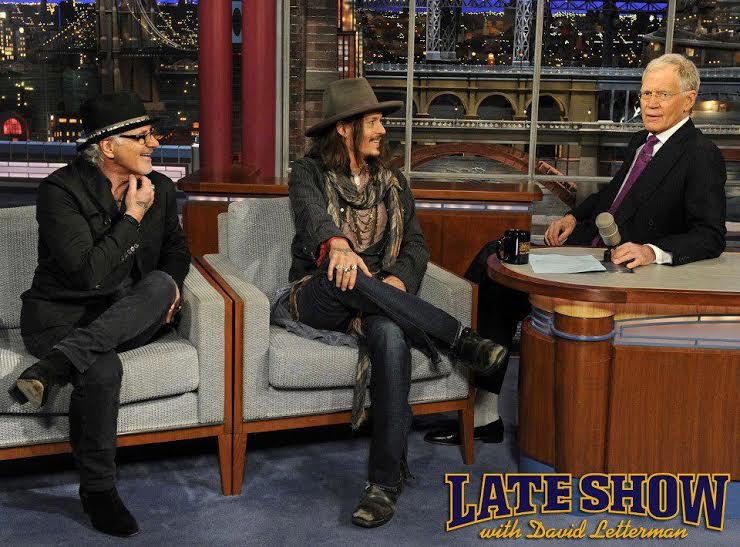
Bill Carter and Johnny Depp on The Late Show with David Letterman.

As the show at The High Road came to an end, I was almost too timid to walk up to the stage to introduce myself and kindly ask for an interview once he broke down his equipment on stage. Though I am glad I mustered up the courage to make a proper introduction and ultimately write a story about this great artist. Secretly I was also relieved that he recognized me from Z Tejas, which made the introduction less intimidating.

Nicolette Mallow: From the perspective of a songwriter and musician performing in the official SXSW showcase, do you enjoy the festival and how have you seen it change over time?

Bill Carter: Yes. I think it’s great and I think it’s come full circle from how it all began. SXSW has evolved so much over the years. I’ve been in Austin since 1976 and when the first festival took place in 1987: it was predominantly local musicians and it was very small in comparison to what it’s become today, a million times bigger than the start. As time went by, more and more big names came into town, which was nice because it built the festival into something much more powerful. As time went by, however, it seemed to become more about mainstreams artists and less about the local music scene. Now it seems to be an infusion of both, and I am certainly happy to see more local artists performing this year. My wife (and songwriting partner, Ruth Ellsworth) and I first got involved with SXSW through our mutual love for songwriting. She and I have written hundreds of songs together. Honestly I identify most with being a songwriter and I prefer to be recognized as a songwriter more so than I like to be described as a musician or performer.

NM: Regarding the upcoming SXSW show at The Continental Club, which other musicians will be performing with you?

BC: Accompanying me that night will include artists like Will Sexton, Dony Wynn and Charlie Sexton.

NM: Is the Continental Club your favorite venue in Austin to perform at?

BC: (He smiles.) Yes. It is my favorite venue. Many of the venues I grew to love are now long gone. The original Antone’s on West 5th was another place I loved to play music but then it was relocated and it wasn’t the same. They are going to reopen a new Antone’s downtown and I am anxious to see what it is like and if it will have the same vibes as the original location.

My next question was more a question of curiosity. Even though I worried it might seem counterproductive to ask Carter about another artist in the few minutes I had to interview him. I couldn’t help but wonder about the Johnny Depp rumor. I formed a silly, girlish crush on Johnny Depp decades ago after the film “Cry Baby” came out in the 90’s when I was a kid and was saddened when suddenly every girl in the world had a crush on him, too.

NM: I remember hearing at Z Tejas that Johnny Depp once accompanied you on stage at The Continental Club for a musical performance. Is this true?

BC: Yes. I’ve been playing music with Johnny for decades. I’m the godfather of his children and he’s a great friend of mine. We once formed a band in the spur of the moment in the 1990’s called “P”. We were the headlining band for the Austin Music Awards for SXSW. Johnny was in Texas, nearby Austin, filming “What’s Eating Gilbert Grape” and he came into town for the gig. The band included Gibby Haynes of The Butthole Surfers, Johnny Depp, Sal Jenco and I.

NM: You’ve won many awards and have obtained many prestigious recognitions, your career is remarkably full. I’m very impressed by all I’ve read and heard. Therefore I am curious, what aspect of your artistry and your career are the most rewarding and fulfilling?

There was a brief pause before he answered.

BC: Well, my wife and I have written so many songs together. Many of those songs we wrote have later on been covered by artists I respect and admire. Stevie Ray Vaughan covered our song “Crossfire” and Robert Palmer covered “Why Get Up”. To be acknowledged, appreciated and respected by great artists like these whom I esteem, value and respect has been the most rewarding and fulfilling aspect of my career. There was also one night on David Letterman I particularly enjoyed. Johnny Depp and I played “Anything Made Of Paper” together, which is a song my wife and I wrote. It’s about the West Memphis Three case. A case that involved three teenage boys who were accused of murder and placed in jail for life before they even hit adulthood. It’s a powerful story, check it out.

NM: Austin has changed so much in the 20 years I’ve lived here, off and on. Since you’ve been here so much longer than I, and have seen a lot more growth. Do you think you and your wife will stay in Austin with all the vast changes in the city?

BC: That’s a good question. The growth in Austin has been difficult for me over the decades. The venues changed. The music scene changed. The people changed. It used to be a funky, intermingled town that was quiet and serene with a booming music scene. It was cheap and easy to get around. It was so beautiful then. Around the late 80’s, maybe 1988 or 1989, that city died out and something else began to evolve. I’m sure you’ve seen the changes since the 1990’s. Even people who’ve only been here five years can see changes. Now there are 30 story buildings and it’s crowded, expensive and it’s just not the city that I came to know decades ago. I don’t know…I only come in town for shows. I am from Seattle and sometimes I think I would like to keep a place here, and have one there. But I really don’t know.

NM: My last question is a bit random, but is there a reason you’re only wearing two rings on the same fingers of each hand?

BC: (He laughed) Only because I didn’t feel like wearing the others. I own a lot of rings, cuffs and metalwork that I like to wear. It depends on the day or the mood I am in what I will wear. But there is one ring that I almost always wear, aside from my wedding ring. (He says as he extends his right hand). Johnny Depp gave me this ring when the first “Pirates of the Caribbean” was being filmed. It was the first ring made for the movie, and he told me that he wanted a new one made for him with a gold bandana and a pair of eyes made of rubies. So I got this one and I wear it everyday.

Be sure to catch Bill Carter at his upcoming SXSW performance at The Continental Club on South Congress from 11:00 PM to 11:40 PM on March 21, 2015. The official SXSW artist statement for Bill Carter entails the following: Legendary songwriter and Austin Music Hall of Fame inductee Bill Carter has been a pillar of the Austin music community for over three decades. His songs have been covered by over 200 artists from Waylon Jennings to Robert Palmer. Winner of an Austin Music Award for “Best Song of the Decade” and BMI’s Million-airs Award for Stevie Ray Vaughan’s only #1 hit “Crossfire” Carter and his world class band, The Blame, serve up a wicked stew of slyly crafted Americana. Look for a new album slated for release in 2015.”

For more information regarding Bill Carter, future shows and bookings – please visit his website at www.billcarterandtheblame.com.

Note: This story is originally published on Rank & Revue in July 2015.

logo1

KITTEN: Taste the Sugar in the Dark

nicolette mallow

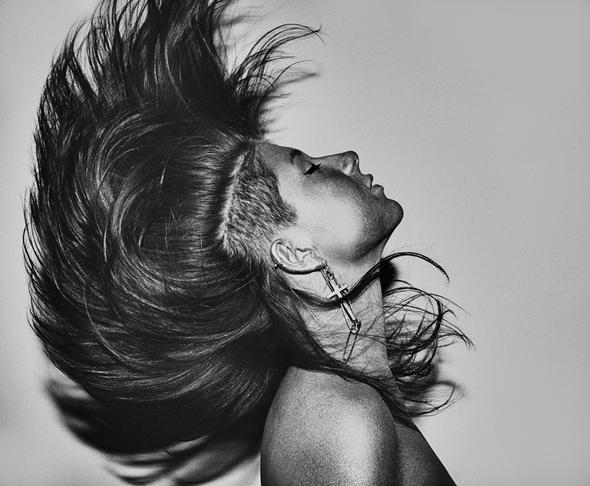
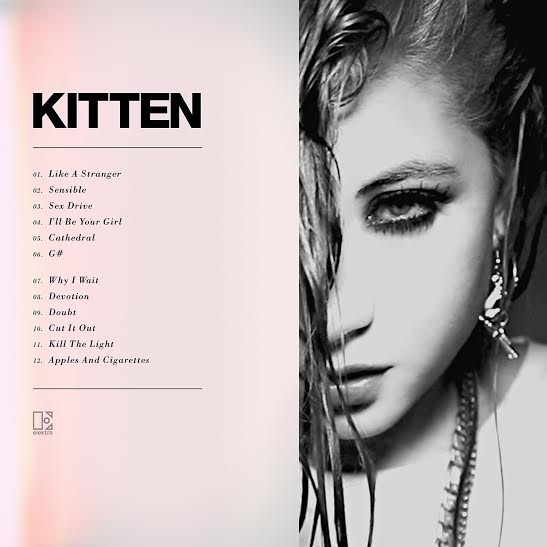
Chloe Chaidez: lead vocalist of the band KITTEN.

Attending Stubb’s to see KITTEN play was one of the highlights of my summer. Wearing a long-sleeve blouse, a black leather mini skirt and stockings that cut off at the ankles – Chloe Chaidez, the lead vocalist, entertained the stage with her two bare feet. Dark locks of hair swayed as her body flowed with the music.  Dancing on stage, on top of the amplifiers, or even on the drumming equipment (which made me nervous) – there was no space her two little feet didn’t cover. It wouldn’t take an expert to see the audience was in complete awe of this 19 year old beauty. Nearly everyone was dancing or smiling and hardly anyone left during the show. Even my friend May and I found ourselves shouting shamelessly in-between sets like groupies we were having such a blast, “We love you Chloe!”

Yes, that’s right; Chaidez is young. But don’t you dare let her age disenchant you. When this girl was 12 and playing bass, she opened with Band of Horses – and at Stubb’s I watched her take greater command of the stage than most grown adults. Chaidez was not only an engaging performer, but she knew what the audience wanted and was unafraid to let us have it full force. She connected with us and made attendees feel even more alive for an hour or two. Despite the fact she was singing her heart out whilst wearing thick clothing and black leather in the summer heat of Tejas – Chloe Chaidez had more energy than any vocalist I’ve seen in a good, long while. There was something raw and powerful about the sounds of their music, too. Best of all, Kitten even took us older folks back to more youthful days and made us all feel younger again when she sung the 80’s classic “Take My Breath Away” by Berlin.

“I tried to kill you in my dreams. Last night but now you’re calling me. A taste of sugar in the dark. Love dies. I’ll call you when the money’s right. I know you remember the deal, the fear, the love and kisses. A taste of sugar in the dark . Those left hand scars. A taste of sugar in the dark.”

kitten2

Chloe Chaidez.

There were four male musicians on stage with her, but due to the fact Kitten has dealt with a revolving door of bandmates – I am uncertain who was accompanying the vocalist that evening. Even the press releases do not disclose the band mates. However, the band originated in Los Angeles, California in 2009 and released their first album in 2010. Kitten has also opened for bands like Charlie XCX, Paramore and No Doubt. Earlier in May of this year, Rolling Stone published an article about Kitten to say, “Kitten sounds like Eurythmics’ synth-heavy ‘Sweet Dreams’ turned fever dream, with detours into sugary shoegaze and distorted power balladry”. I’m inclined to agree with this description.

Seeing as I grew up in Austin, Texas and I’ve lived here off and on since the late 1990’s – the Live Music Capital of the World – I’ve watched and heard the music scene morph and blossom. And I’ve seen a lot of shows. Too many to remember. Many of which were shows I saw at Stubb’s. Therefore I admit that at my worst that I can be a bit of a live-music snob – solely because I was blessed to be surrounded by some of the best musical artists from all over the world right here in my hometown. Frankly I was only going to stay for a few songs, take a few photos and then leave. Secretly, I admit that I wasn’t expecting much of a band featuring a 19 year old, playing a show on a Tuesday night in the Red River District. However, the joke was on me because Kitten proved my cynicisms to be wrong. I stayed for the entire show and I’m glad I didn’t miss a beat. From now on when I hear the band name Kitten, I will only think of these three words: Here, kitty kitty.

Dear Chloe Chaidez: Come back to The Lone Star State as soon as you can. Don’t stay away too long. I recall you saying on stage that ATX was your all-time favorite city to visit during a tour. And you’ve officially become one of my favorites in return and I wish you all the best in your career.  An artist as young, robust and talented as you is bound to have haters that will try to stand in your light. Stay beautiful, stay sweet, stay loose — and don’t let the entertainment industry ever taint your voice or steal your inner-fire as you evolve into an even more rockin’, empowered young woman.

For more information regarding the band Kitten please visit www.kittentheband.com.

kitten3

Note: This story is originally published on Rank & Revue in August 2014.