‡ Artist – Creative – Public Relations – Editorial ‡
Author: Nicolette Mallow
‡ Artist Bio: Nicolette Mallow is an artist. Her journey began in performing arts and athletics, but her love for writing led to a career! Since college, Nicolette has covered numerous press events as a (dyslexic) writer. Her portfolio reflects a vast array of creative content, and she’s obtained 110+ publications in the US and Europe so far.
Mallow has interviewed an extensive list of diverse talent that inspired her along the way, including Greta Gerwig, Jimmy Chin, Bob Roth, Dr. Travis Stork, Joan Lunden, Jay Roach, and Roc Chen. She’s collaborated with companies and PR teams from Texas Monthly, National Geographic, Prevention Magazine, HBO Films, The Hollywood Reporter, SXSW, The David Lynch Foundation, The University of Texas at Austin, and more. Presently, her portfolio entails 12 national awards or scholarships, including both individual and group projects. Working with Press and publicity teams from companies like Sunshine Sachs, Fons PR, Frank PR, and CW3PR — Mallow can liaise with publicists, entrepreneurs, and their brands.
Her career transcends many industries like AI content engineering, jewelry, publishing, sales, customer service, fashion, A&E, fine dining, and tech. But her focus always returns to the arts. Obtaining two degrees from the Savannah College of Art & Design (SCAD), Nicolette has a Master of Arts degree in Arts Administration and a B.F.A. in Writing. ‡
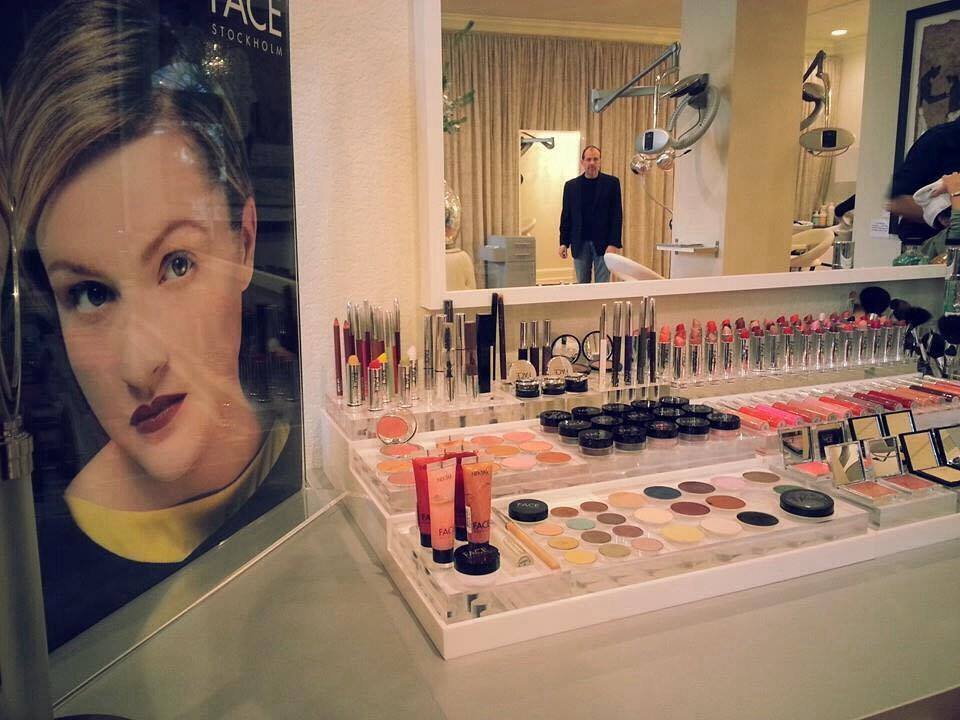
Photography of beauty parlor provided by Mark Thomas Studio.
Mark Thomas Studio will transform and beautify your hair, scalp and skin with their royal treatment. All guests will leave feeling refreshed, rejuvenated and more polished than ever before with the salon’s all-encompassing and luxurious products. Mark Thomas Studio provides exquisite services inside a fun, playful and relaxing atmosphere located in the heart of downtown Austin off West 38th Street.
This high-end salon is the only location in Texas that offers Philip Kingsley products and FACE Stockholm makeup together in one boutique. Mark Thomas Studio bestows exceptional service reminiscent of a lavish boutique infused with Southern hospitality, permeating luxury and gentility into one location. You will not find another boutique like it within all of Texas or the Midwest.
Photography of beauty parlor provided by Mark Thomas Studio.
Photography of beauty parlor provided by Mark Thomas Studio.
Photography of beauty parlor provided by Mark Thomas Studio.
Photography of beauty parlor provided by Mark Thomas Studio.
Photography of beauty parlor provided by Mark Thomas Studio.
“For those unaware of Philip Kingsley, he coined the phrase ‘bad hair day’ and is the world’s most respected authority on hair and scalp health. With over 55 years of Trichological experience, Philip Kingsley’s past and present clientele include politicians, royalty and celebrities. Called the ‘Hair Doctor’ by The Sunday Times and the ‘Hair Guru’ by The New York Times, Philip has written many publications on both sides of the Atlantic. Philip has recognized the need to bridge the gap between science and hairdressing as well as providing solutions for the most extreme hair and scalp problems, and those who just want the best from their hair.”
Whether you are in need of a new cut and color – or whether you seek a bikini wax and a deep pore facial – or whether you simply want to have a makeover. Mark Thomas Studio will cater to your every need without the stress. This intimate salon is perfect for men and women of all ages. And they offer the best products and services– striving for every client to leave satisfied.
Pieter Schlosser is an award-winning television, film and video game composer known most recently for scoring NBC’s hit show You, Me and the Apocalypse. Based in Los Angeles, Schlosser grew up traveling the world with his family, enriching his musical vocabulary with each new culture and each new country.
This summer Pieter Schlosser was interviewed by a writer in Texas, Nicolette Mallow, to discuss topics like how world-traveling influenced his music, the differences between scoring for the UK versus the US, what lead him to study at Berklee College of Music in Boston and other miscellany.
“Pieter spent a great deal of his childhood traveling, living in Guatemala, Austria, Panama and Costa Rica. He attended Berklee College of Music in Boston before moving to Los Angeles to pursue a career in television, film and video game composing. A multi-instrumentalist and polyglot, Pieter has had his work featured in the music of Grammy-nominated world music group Editus. Last year, he worked with the Costa Rica National Symphony Orchestra, arranging a full orchestral performance of his original music. In 2014, he won the ASCAP award for Top Television Series for his work on Freeform’s The Lying Game. Pieter Schlosser also composed the music for Lifetime’s The Client List and provided additional music for ABC’s Resurrection and The Astronaut Wives Club. Pieter worked on Desperate Housewives and is credited with bringing the signature Latin musical styling to the show. Currently, he is composing the music for the highly anticipated IMAX film, In Saturn’s Rings. He is also scoring the major motion picture, What About Love, starring Sharon Stone and Andy Garcia, set for release in 2017. Pieter worked in Hans Zimmer’s Remote Control Productions studio for 5 years alongside many high profile composers on various projects, such as Friday The 13th and the Transformers film and video game franchise. In addition to Transformers: The Game, Pieter demonstrated his versatility by providing additional music for some of the most popular video games of this generation with Gears of War 2 & 3 and The Sims 3.”
Nicolette Mallow: Will you tell me about your childhood background in music and how growing up in so many countries influenced your career?
Pieter Schlosser: Music was always around when I was growing up and it was always playing in the house. My mom played the piano; it was an old upright piano that ended up in our home. My dad was always a big fan of music, too. Dad loved to play jazz. My mom favored classical. The love of music was inherited from my parents. When I was in Guatemala, I didn’t play an instrument. I just listened to music and sometimes I even stole my mom’s tapes and records. When we moved to Austria, I was eight and that’s when I began to start playing the piano. There is a mecca of music in Austria. Everyone plays music. I wanted to join the choir and that’s where it all really began. After spending three years in Austria, my family and I moved to Panama. I kept singing in the choir. It was a Swedish choir in Panama and we sang around Christmas time. There was one person who played saxophone and I thought it looked cool and so I began lessons. Then we moved to Costa Rica and I made a friend with someone on the island and I joined band and played jazz. As I became obsessed with music, my grades began dipping… I loved moving around the world, even if my brother didn’t like it so much. My dad worked for BHL and that’s why we moved around the globe so much.
NM: Did you have a favorite place out of all the countries you and your family resided? Was there one musical style or culture that inspired you the most, or did they all equally fulfill your musical talents?
PS: It’s hard to say because, as a kid, it was pretty normal having all these different cultures and musical styles around me. I can’t say or pinpoint one thing that influenced me most. Growing up in Guatemala, Austria, Panama, and Costa Rica is like having a little book of musical notes and rhythms that I can use—and the combination of all these things is a nice balance that enriches my craft.
NM: What lead you to Berklee College of Music in Boston?
PS: While I was in Costa Rica, the Costa Rican-North American Cultural Center had a series of Universities do a Master class followed by a concert. Berklee College of Music in Boston was always there, including many other amazing programs from Miami and Texas. At one point I called or wrote a letter “Hey can u send me a Berklee sticker with the logo?” And I put it on my saxophone case. Suddenly I decided that’s where I wanted to go. It was the only college I applied to and I sort of felt a calling to enroll. Austria was a back-up to study jazz, but I was set on Berklee. So I applied and sent in an audition tape to Admissions and eventually I was offered a partial scholarship to attend. I accepted.
NM: How did your professional career in film and television begin?
PS: After college, I moved to LA. “The Record Plant” (a recording studio) in Hollywood was my first gig and I was a runner: food orders, trash, coffee and other office errands. During that time I met a scoring mixer who works with a ton of composers including Hans Zimmer. At the time he was working on the remake of “Italian Job”. Eventually we reconnected, and he hired me for little things in the studio. I got to attend a scoring session which was amazing. Ultimately, through him and my contacts with Berklee: I became an intern at Hans Zimmer. There’s no other place like working at Remote Control Productions. Anyway, that’s when I met Steve Jablonsky and later on Jablonsky hired me for “Transformers”. And then I started working on other film & TV projects.
NM: What is one of the most significant variations between scoring for television in the US versus music composition the UK?
PS: When we scored the UK version of “You Me and the Apocalypse” there are no commercial breaks. In the US version of the show, it’s 45 mins divided into 5 acts. Most shows in the US have commercials breaks, excluding HBO or Netflix.
NM: Have you always liked video games?
PS: Yes, I like video games. When I was younger, I enjoyed watching my brother play video games much more than I wanted to play myself. I am not entirely sure why I didn’t enjoy participating, but I preferred to watch.
NM: In regards to The Costa Rica National Symphony Orchestra, what original music of yours did they play? Is there a link or audio to hear this performance?
PS: The music community in Costa Rica is relatively small, so everyone knows each other. I became friends with members of a band called ‘Editus.’ In 1998, they were putting an album together titled ‘Calle Del Viento’ and released in 1999. I was just starting to write music then and I dared to pitch them the first piece of music I ever wrote. They loved it and included it in their album! Fast forward 16 years to 2015 and I got an e-mail saying they would be putting on a concert over three nights of that very album but this time, playing with the Costa Rica National Symphony. They asked if I’d make an orchestral arrangement of the piece. You can find the original recording of this piece called ‘El Sendero Menos Caminado’ (or ‘The Road Less Travelled,’ which is a line in a Robert Frost poem called ’The Road Not Taken’). The orchestral piece recorded in 2015, I believe, is currently being mastered and prepared for release. The song can be found on iTunes and Spotify.
NM: Now that you’ve obtained success and first-hand experience within the industry, do you have any advice or helpful insights for other aspiring composers?
PS: The best bet when it comes to writing music to picture, whether its film or television, the best route is to find some sort of mentorship with another composer so you can hopefully be getting paid while learning on the job. I wish there were a more solid answer. But I think it’s different for everyone and you have to figure it out as you move forward. It’s important to remember that there is not one way or one path to success in this field. Just remain passionate and even stubborn to your craft, but keep a smile. It’s tough but hang in there and you’ll persevere.
For more information about Pieter Schlosser, please visit his website atwww.pieterschlosser.com. Schlosser also has aSoundCloud pagethat features various tracks of his music.
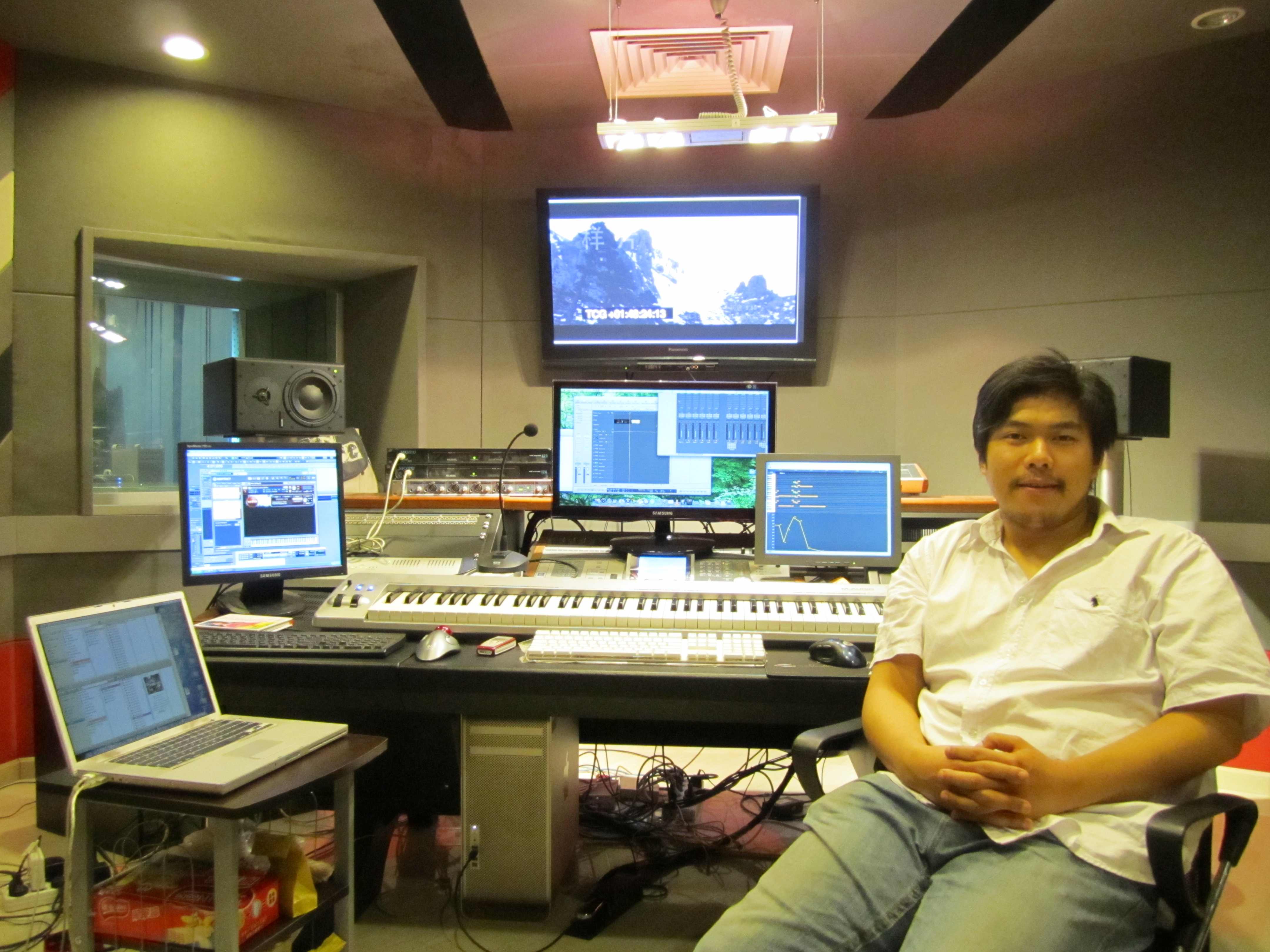
Roc Chen is a Sichuan-born, award-winning composer who has created music for film and gaming. Recognized within the U.S. and China, Chen’s music has the power and the beauty to bring cultures together from around the world, which is no easy task. His film roster includes “Chinese Zodiac” with Jackie Chan, “Forbidden Kiss” and the Chinese adaptation of “Everybody’s Fine” (American adaptation ft. Robert DeNiro). Roc also partnered with DreamWorks to create music for the film “Kung Fu Panda 3”— and his music is present in the award-winning, internationally broadcasted documentary TV series “A Bite of China.” Chen’s video game work even dabbles into “World of Warcraft” and “God of War” orchestras—as well as the “Might and Magic” series and his latest work underway with “Prince Adventures.” Recently partnering with Danny Elfman to bring music to Disney Shanghai’s newest ride, Alice’s Maze; Roc Chen’s music brilliantly celebrates the fusion of the American storyline of Alice in Wonderland with Chinese culture native to the Shanghai location.
This summer Roc Chen was interviewed by Nicolette Mallow. The two discussed his background in music, technology, and the power of music and how it can feel like time traveling. Mallow also inquired about the challenges and rewards of merging Eastern and Western cultures for film, Disney, DreamWorks and much more. And Chen opened up about how his music can be like an invisible, magic mirror that reflects everything inside the listener’s heart. The written interview proceeded as follows.
Nicolette Mallow: Will you please tell me about your background in music? Did you always know that music composition was your life calling? When did you begin to play music and write music? As a child, what did music feel like?
Roc Chen: When I was a kid, sometimes I woke up in the middle of the night humming the melody from “The Godfather,” and I thought to myself, “Maybe I should be a film composer when I grow up!” Like many kids, I learned to play classical piano at the age of 4, but unlike many kids, I loved to keep the sustain pedal down to create a bigger reverberation (just like in film scores). And, of course, my piano teacher would always get mad at me for doing that. I’ve always known music, especially film music – it’s my life calling. However, I spent my college life in what is considered a Chinese Stanford (University of Science and Technology of China). We had a large and great orchestra band there and the conductor asked me to be the assistant conductor, so I’ve had the chance to learn from each and every different instrument – not from a book but from a real orchestra band. Later on I also obtained a Master’s Degree in Composition from the Conservatory of Music. I consider myself pretty lucky to have a background in both music and technology!
NM: Art has the power to take us places, particularly music. Music can take listeners back in time within seconds. Music can evoke feelings or fantasies within us and it’s almost like time-traveling… What do you feel are the most powerful components of music that allow us to transcend time, space and imagination?
RC: All the components of music such as melody, harmony, counterpoints are powerful enough to allow us to transcend time, space and imagination—but personally I think the most powerful one is the abstract part within the music. Pop songs take us into a specific world because the lyrics/words are quite specific and straight-forward. But instrumental music such as film scores without any lyrics or words are abstract, so it takes people to their own and unique places, to the different secret places deep within each person’s heart. This is also the beauty of scores. Film scores, though there are specific picture/scenes synced with it, can allow us to re-create those scenes and characters in our own way when we hear music outside of the cinema. It’s like everyone is a director and everyone directing his own version of that film in his brain. This is the beauty of film scoring. And of course, there are certain skills and ways to evoke those feelings or fantasies in the way of composition.
There’s a music piece of mine, “Deep in Their Hearts,” originally composed for the most renowned documentary in China called “A Bite of China Season 2”. It has moved nearly a billion people in China and around the world. I tried to tenderly and beautifully play the piano with a melancholy and nostalgic melody. It was performed by beautiful strings, woodwinds, with some abstract inside harmony, fine orchestration and counterpoint. The result is this music cue, which has moved lots of people and has surpassed pop songs to reach the top of the Chinese billboard. Thousands of fans came to my Chinese Twitter to express their feelings hearing this music to me and it’s actually quite interesting to read those comments. Some people say it reminds them of their childhood loneliness; some say it reminds them of some moving moments in that documentary; some people say it makes them cry with happiness. Some people say the woodwinds in this cue are funny and playful. It’s all different – and I feel like my music is like a mirror – each person saw and found their secret place deep in their heart by hearing this magical mirror.
Roc Chen. Photography provided by CW3PR.
NM: What are some of the distinct differences between Eastern and Western music styles pertaining to film?
RC: Well, this is a little bit of a huge topic that I could talk about for days and write a book about. The scale of notes and melodies are different between the eastern and western worlds. Still, as for the relationship between music and film: I think one of the most distinct differences is the eastern style is more implicit while western style is more straight-forward and passionate. As I’ve been traveling between LA and Beijing a lot, I also found this difference within people’s behavior between the two countries. I guess one of the benefits of my goal as trying to be the most international composer is I can always get to know more about people from both worlds.
NM: Would you please share with me the challenges of integrating Eastern and Western music? Is it difficult to please both audiences?
RC: Many Hollywood films with pure western music are also enjoyed by lots of eastern audiences, but most of this music hardly reaches their hearts. So sometimes with only a few elements from the East can really move the eastern audience and ironically enough it moves the western audience too! Also, each film project is different and I’m always very careful with this challenge by always listening to the director’s ideas regarding the direction of the film. I always offer my suggestions and opinions on the direction of music but I would respect my director’s opinion because it is the film – a combination of many arts. It’s a whole project we’re going to present to the audience, not just music. There’s a project I did, “Heroes of Might and Magic VII,” the 7th game of the famous “Heroes of Might and Magic” video game franchise. I write some of the cues in a pure-western style and some cues have a little bit of East and West combined flavour. It all depends on the specific occasion.
NM: What lead you to work for Disney Shanghai?
RC: I guess people loved what I did for “Kung Fu Panda 3” as a Chinese music consultant, and then I got introduced to Disney by my friends at DreamWorks. But really, I think it’s because of my specialty of knowing both East and West which lead me to work for Disney Shanghai.
NM: In regards to Asian American crossroads within the entertainment industry – how did you begin to infuse the American storyline of “Alice in Wonderland” with Chinese culture native to the Shanghai location of Disney?
RC: First of all, it’s always teamwork! It is done by Danny Elfman, myself and another beautiful lady from Disney Imagineer. We put Chinese lyrics such as the translation of “Alice Are You Lost” and other lyrics written initially by Danny into the melody and make sure it really sounds great in Chinese. A lot of times, you’ll hear directly translated songs sounding very, very weird after translation. This requires a lot of experience of the Chinese culture and customs along with musical experience of the tone, pitch and rhythm of each note and its relationship between other notes. We tried many different ways to avoid a common phenomenon in Chinese music which is called “Dao Zi,” meaning the pitch of the notes will not violate or conflict with the tone of the Chinese words. I also had my female choir friends at Beijing singing the melody in Chinese beautifully while we remote-recorded them here in Los Angeles. We also did a lot of tweaks during the recording session.
NM: Do you have a favorite genre of music that you love to write? You are talented at composing many forms of music. But do you have a favorite style?
RC: Well… It’s really hard to pick one favorite style for me as I’ve worked in a lot of different styles and genres. But my favorite one is the one that best supports the film. As long as the form of music can do a good job to support the camera and film – that’s my favorite!
NM: Your career is most impressive and I have watched many of these films. However, I must admit that I have a fondness for “Kung Fu Panda”… Was that your first time writing music for animation? What did you enjoy most about this DreamWorks project?
RC: With this film, Hans Zimmer is the music composer while I worked alongside him as the Chinese music consultant. I offered direction and guidance on the Chinese instruments, Chinese musicians, the articulations and specialty of Chinese instruments. I also consulted on how to combine the instruments with Western orchestra music to the DreamWorks music team. I enjoyed turning the song of the last scene of “Kung Fu Panda 3” into Chinese and recording 40 amazing pop choir singers from Shanghai so when the film was released. Everyone could hear the final product of “animal” singing in Chinese happily in the end scene!
NM: Do you have any upcoming projects you’d like to highlight?
RC: I just finished recording with an orchestra in Nashville for a new animation feature I scored, and I’m also going to score some new exciting feature films, animations and TV series but due to NDA reasons I’m sorry to say I can’t disclose them right now.
NM: Lastly, I grew up reading the book “Joy Luck Club” by Amy Tan about four Chinese American immigrant families living in San Francisco. It’s a bittersweet, tragic and beautiful story that I still enjoy reading in adulthood. Since I was a child, I’ve always been fascinated by the history of China and I hope to visit someday. And of course when the movie came out I enjoyed the soundtrack. My point in mentioning “Joy Luck Club” is because for years, I’ve always wanted to learn more about the roots of classical music in China. But I never know where to start… Is there a book you’d recommend or a certain time period to study for those who want to learn about the roots of music in China?
RC: This is a great question! But frankly, I personally think the best book of Chinese music history or Chinese musicology is not in English but in the language of Chinese. Just like if you wanted to learn the western musicology: you’ll have to read that greatest musicology book in English. When I was in the Conservatory of Music, there was a school book called “History of Chinese music” which nearly covers all different kinds of music from pre-Qin Dynasty times, to Tang Dynasty music, to Qing Dynasty and even modern music of China. It also covers the musicology of a lot of different areas of China such as the music from the north of China – which is so different from the south of China. Music from HeBei Province is also so different from the music from the ShanXi province or the ethnic Uygur group in Xin Jiang areas. I have this book in my Beijing studio and I’ve always wanted to purchase an English-translated version to keep in my Los Angeles studio. Without any luck, I Googled and searched Amazon and didn’t find this book or any book just as great. Maybe some book publisher could work with me to translate a classic book into a new one in English.For those who want to learn about the roots of music in China, most people will probably say the Tang Dynasty is the best time period to study as it is one of the most brilliant time for all kind of arts. But I would personally recommend the eras around the Qin Dynasty such as the Three-Kingdom era, Warring States period, etc. If you research it and dive deep enough, you’ll see music in those ages are clearly fundamental not only to Chinese music, but also to the music of the Eastern world.
June 27, 2016— “Unsolved Murders: True Crime Stories”released a thrilling, new podcast episode this week titled “Lights, Camera, Murder.” “Unsolved Murders” is a recently launched podcast series Produced by Parcast and co-Founded by Max Cutler and Ron Cutler (son and father). Parcast created this multi-dimensional podcast network as a flagship series with an acute focus on cold case files. The first three episodes of “Unsolved Murders” pertain to “The Axeman,” a serial killer in New Orleans. And the second series of podcasts within most recent episodes revolve around “Hollywood’s First Murder.” Please bear in mind these episodes are not intended for children—the podcast contains a great deal of graphic and bloody details—therefore, viewer discretion is strongly advised.
Nonetheless, “Unsolved Murders” is an enticing and haunting mixture of a classic radio show, a theatrical script and a murder-mystery-book-on-tape that morphed into the form of a modern-day podcast. Narrated by Carter Roy and Wendy Mackenzie, “Unsolved Murders” combines the beauty of audio and sound design with the articulate eloquence of literature and storytelling. The professional sound effects, dialogue and delivery within each episode of the show are compelling—and the audio is very clear and precise to the ears. Listeners can almost hear the amount of time, heart and energy that Parcast’s talented crew of employees dedicated into this podcast just by the quality of presentation and sound.
Reminiscent of a riveting and spooky time machine, “Unsolved Murders: True Crime Stories” take us back, safely, to mysterious cold cases like The Axeman from the 20th century in New Orleans when his murderous and diabolical rampage in Louisiana began. Actors and a sound crew portray all the voices of the witnesses, the victims, the locals and the police. The footsteps in the dark and the screams in the night. The audience can feel the fright, and yet the lovely melodies from the jazz era that trickle in throughout the podcast add a sense of playfulness and lightness in the midst of a dark, heavy story. Listeners come to know the presence of The Axeman by the bone chilling audio of his weapon hacking into flesh and bone after carving his way in the back door with a blade. Even though the murderer is a mystery, the audience comes to learn about his obsession for jazz music and the fact he was a deranged man who believed he was inhuman. And by the end of “The Axeman” episodes, the narrators swap theories as to who they believed to be the violent serial killer.
Max Cutler, Co-founder and President of Parcast, consented to a phone interview in June 2016 with Arts & Entertainment Writer for Examiner, Nicolette Mallow to discuss “Unsolved Murders: True Crime Stories”, the launch of Parcast and The Axeman of New Orleans.
Nicolette Mallow: Will you tell me about your love for radio and storytelling? How did this all begin from childhood to adulthood?
Max Cutler: I’ve always loved radio and I was born into it. But I remember when I was 4 to 5 years old that it really became part of me. My dad (Ron Cutler) worked in radio and operated 12 national radio shows when I was growing up called Cutler Productions. His company was also the #1 in comedy. However, my love for storytelling happened as I got older and then I grew an interest in true crime and mysteries. Looking back, my dad had a profound impact on my career. He was also a storyteller that wrote a novel titled “The Secret Scroll” … As an adult I wanted to start my own company and I wanted to pursue the entertainment business. Obviously I love radio for many reasons but what I hope to gain from “Unsolved Murders” is not only to share crime stories and top quality audio productions, but I want to bring people together and help take away the daily stress of life. People are very stressed out sometimes and to help lessen the stress of others in the form of radio and storytelling for 20 minutes, or an hour, is a very good thing. Its important to relax and unwind.
NM: Will Parcast and its podcasts networks focus solely on “Unsolved Murders” or do you and your team intend to cover and produce other topics of interest?
MC: “Unsolved Murders” is the first show but there will be five to seven new shows within the next year that cover other topics than cold cases, such as education or history. We started with this genre because I love mystery and true crime stories 100%. And there is also a large community that appreciates cold cases. So from a business standpoint it’s also a hot topic that has a market. “Unsolved Murders” is about my passions and entertaining the interests of others… Parcast came to be so that we could take audio and radio to the next level. There are many great, high quality podcasts out there that are up to par. But a large majority of the podcasts these days are lacking in sound quality and production with a lot of holes to be filled. Parcast has the most talented crew working with us and I am so grateful for my team that my father and I assembled. The whole company is very gifted and talented. We spent a lot of time searching and recruiting voice actors, writers, and we have a great digital engineer (Ron Shapiro) that brings the sound of the axe to life. It took about 3 to 4 months to get it right, but we are just very overwhelmed and excited about this start. “Unsolved Murders” already ranked #5 out of 300,000 podcasts. It’s just a really humbling experience and we all look forward to the future.
NM: “Unsolved Murders” begins with the story of “The Axeman” and all the podcast episodes about this cold case are so captivating. I didn’t want to stop listening to the audio. Although I admit I probably will not listen to the podcast right before bedtime. Anyway, the sound quality is amazing and I love the voice actors and the narrators. Y’all did a great job and I look forward to more episodes… How did you come to hear of The Axeman?
MC: Thank you. I am glad you enjoy it and I appreciate the compliments… The Axeman is ranked among the Top 10 serial killers to never be caught. Our podcast focuses on serial killers and cold case crimes that aren’t as well known as criminals like Jack The Ripper or The Zodiac Killer. We didn’t want to focus on the commercial cases the media already had a field day with. A lot of research lead me to the launch of this series about The Axeman. Another reason I chose this story is because it gets me upset when someone gets away with a crime and justice is not served, so this podcast is also a way to never forget the case. It’s just a very interesting and scary story about a clearly deranged criminal.
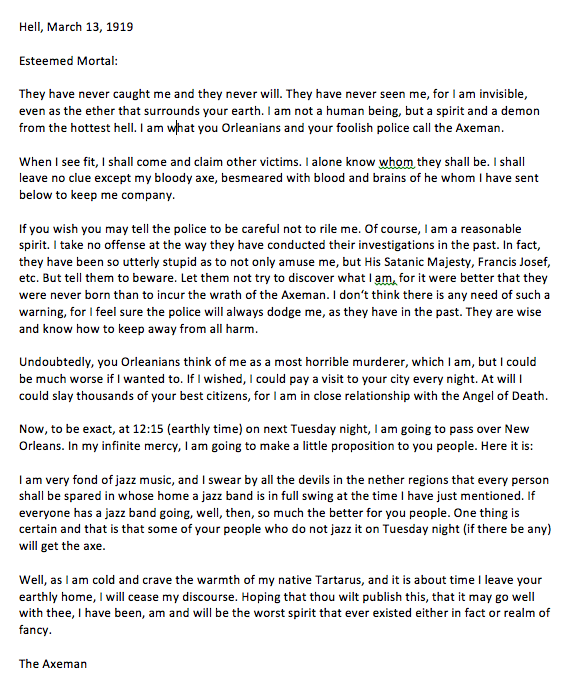
NM: Yes, he is very deranged. That episode entailing the letter written by The Axeman to himself and when its read aloud in that sinister voice on the podcast. The letter he wrote to the police. It was very creepy and disturbing how he claims that he is a demon, inhuman. And The Axeman even writes the return address as being from ‘hell’ just like the infamous Jack The Ripper… Did people really believe this guy was a demon? And was it ever made clear why he demanded people go to jazz halls and listen to jazz music in order to be spared from his axe?
MC: Actually, yes, many people did believe he was a demon. And many people even thought The Axeman was somehow Jack The Ripper manifesting in another continent at another time. You can’t make this up! We have to remember this is the early 20th century in New Orleans, a very superstitious place. When the newspaper in New Orleans published his letter in 1919, locals and immigrants were terrified and became very scared of this ‘inhuman’ criminal. Which is why most of the city went out that one Tuesday night to listen to jazz music at “12:15 earthly time” just as The Axeman demanded. However, there is a common theory that perhaps the The Axeman was actually a musician and needed to get paid. Regardless, The Axeman had a sense of control over this town and the fact he was never convicted only added to the stigma that he was supernatural. It was a huge topic all around Louisiana and a #1 hit jazz song about The Axeman was written about him.
For more information about “The Axeman” series, Parcast network and the podcast “Unsolved Murders: True Crime Stories” please visit their website, iTunes or SoundCloud. (The podcast is also available on Google play for those with Androids.) Stay tuned and subscribe to receive the latest information of new episodes and upcoming shows.
Note: This article was originally published on Examiner.com in June 2016.
Letter from the Axeman written to The New Orleans Police Department. March 13, 1919.
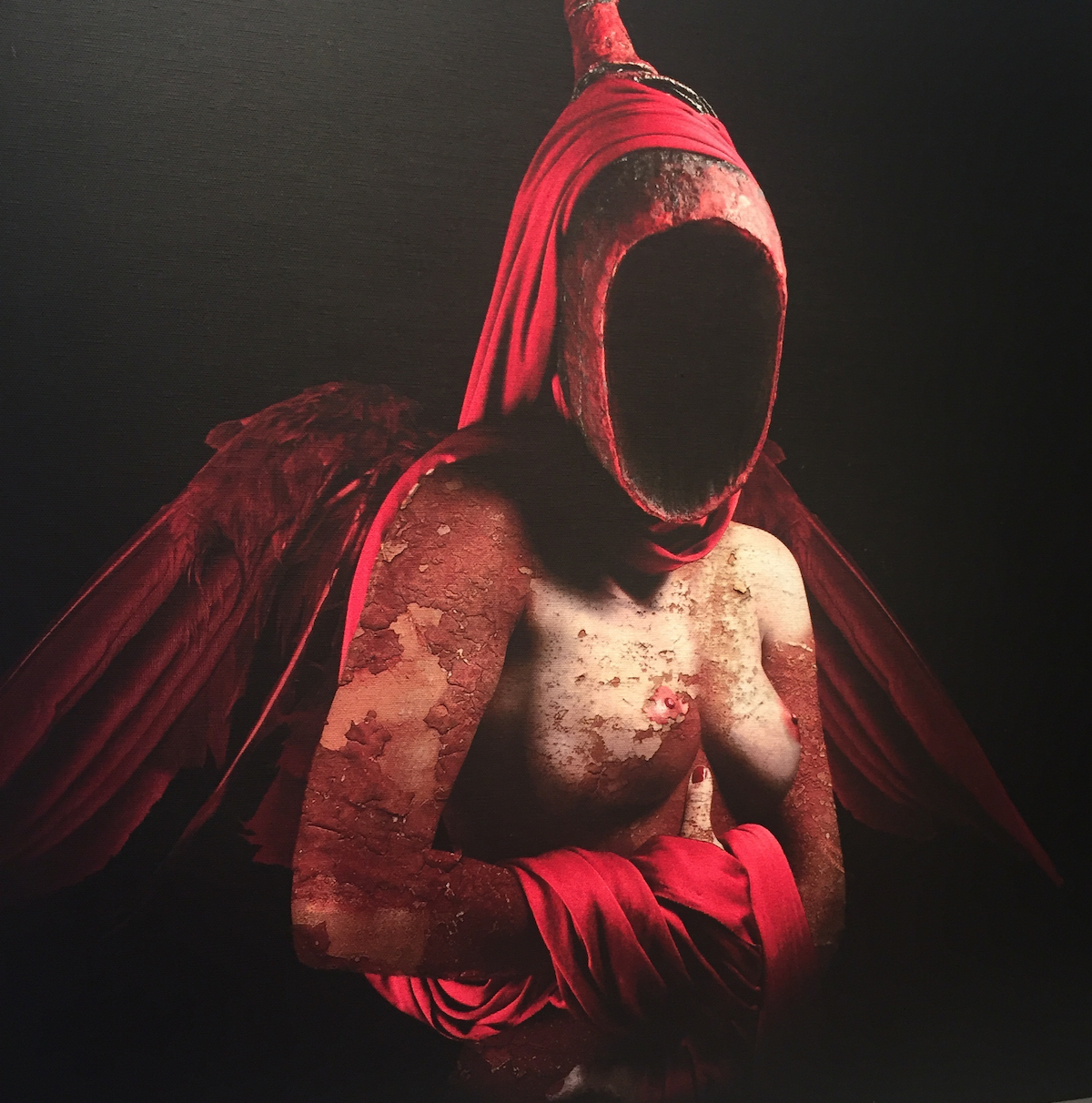
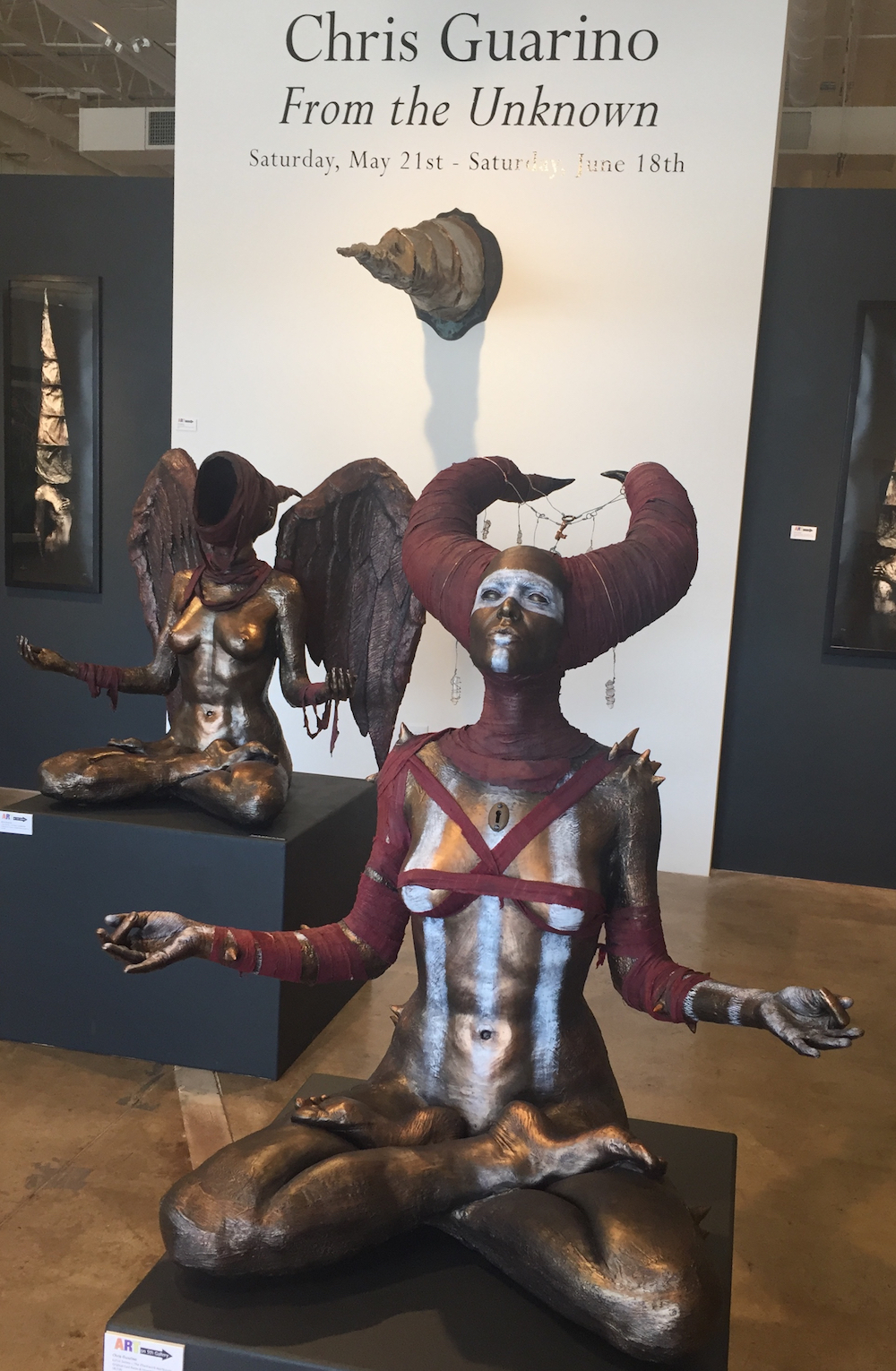
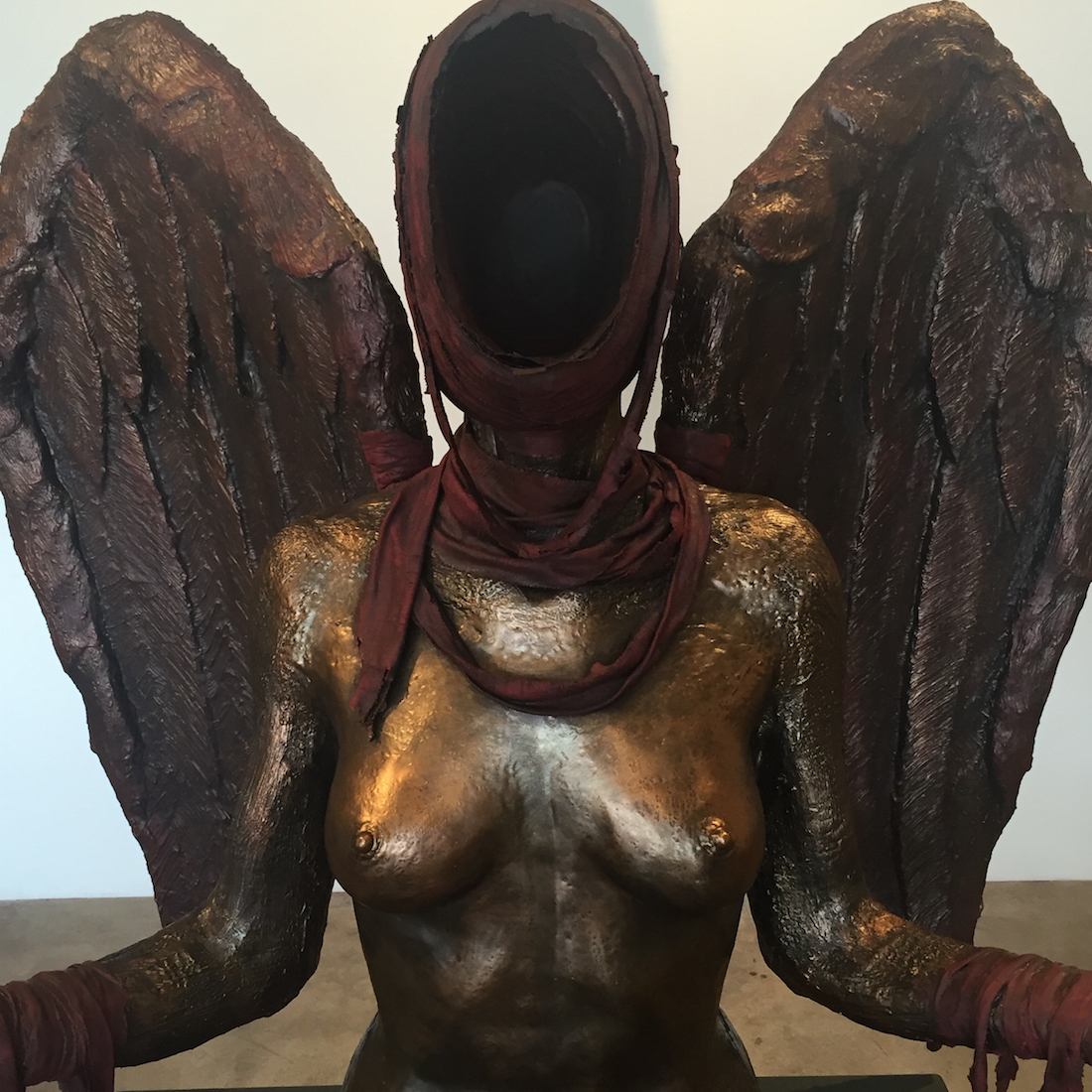
“Masquerade Series – The Void” created by Chris Guarino. {Photo by Nicolette Mallow}.
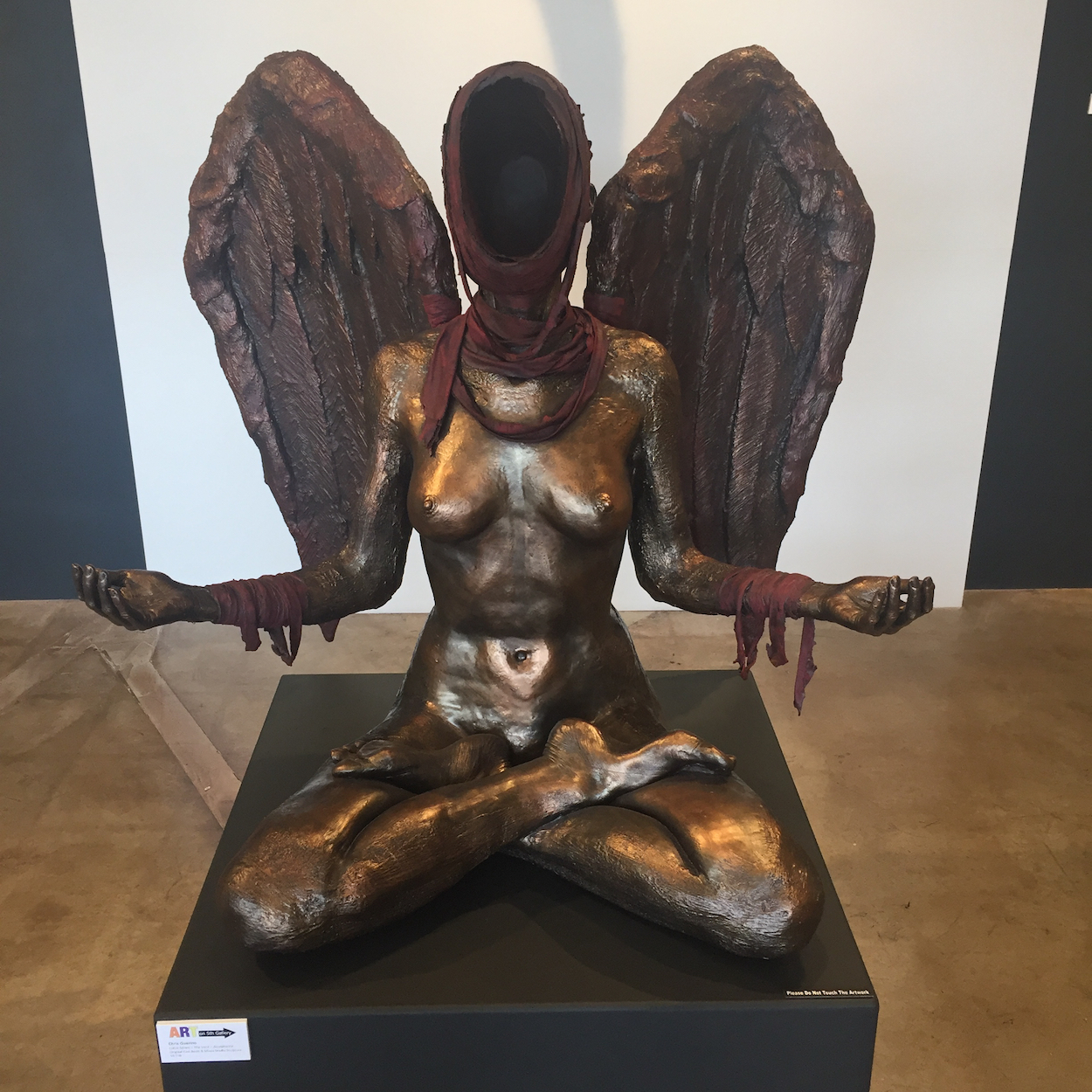
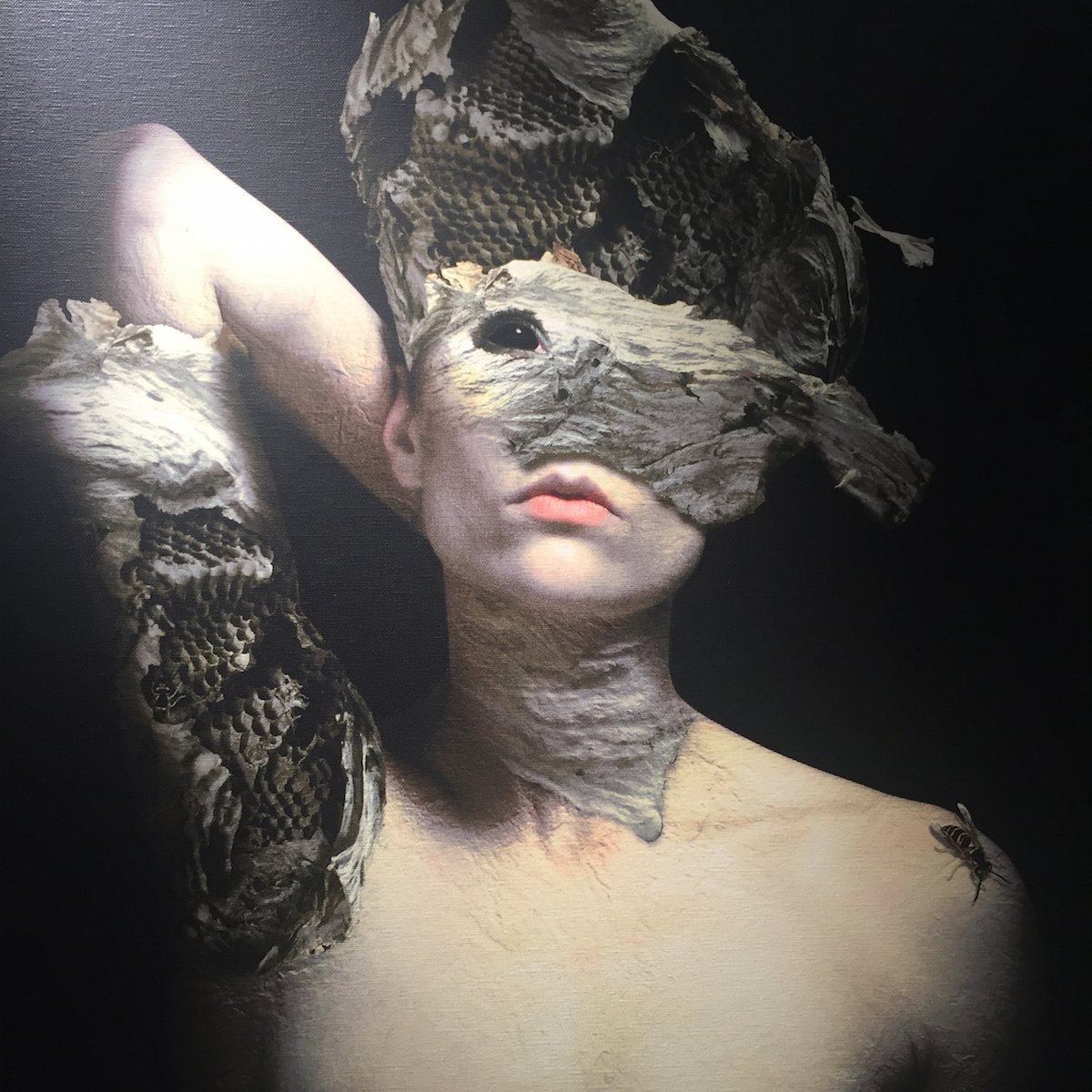
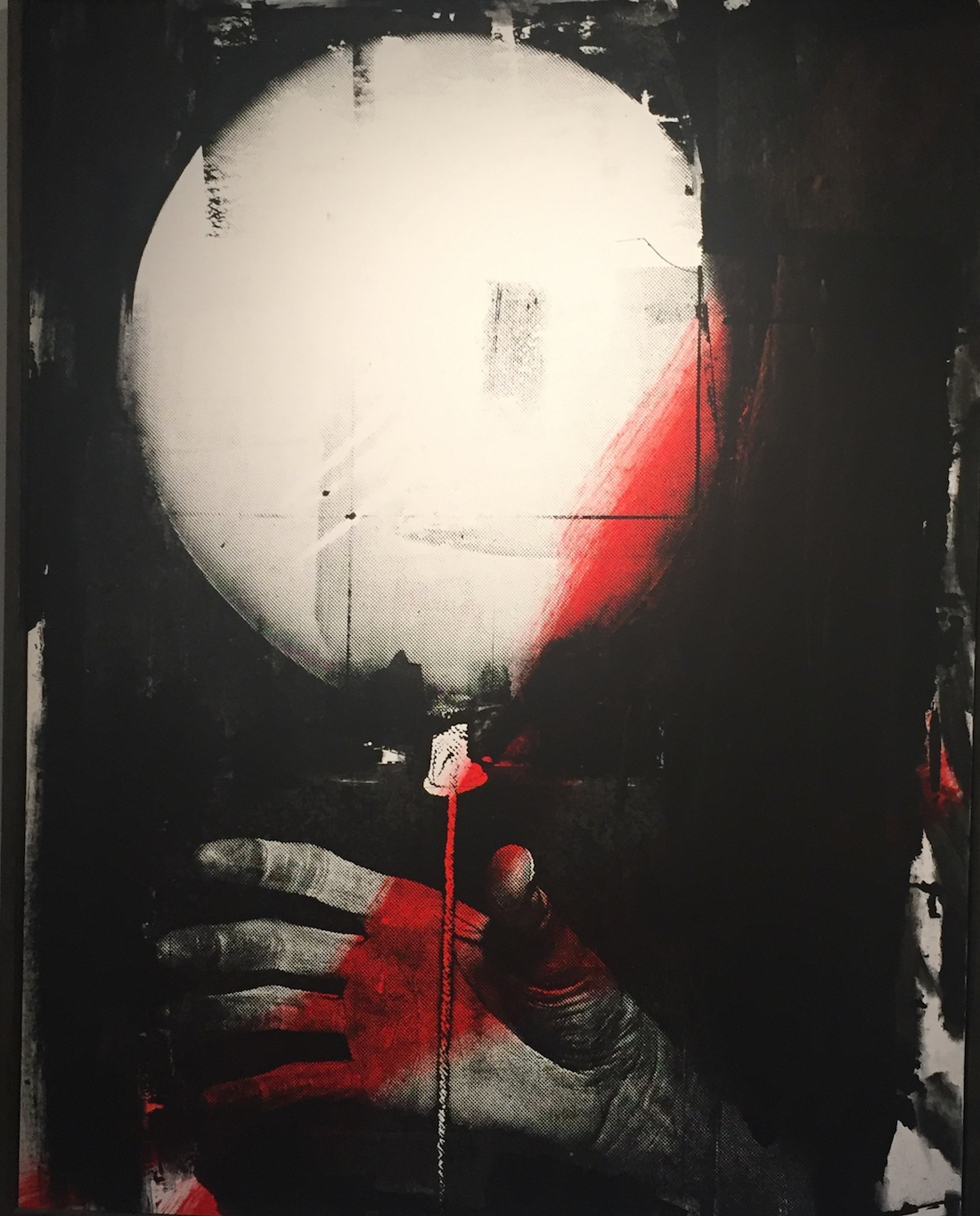
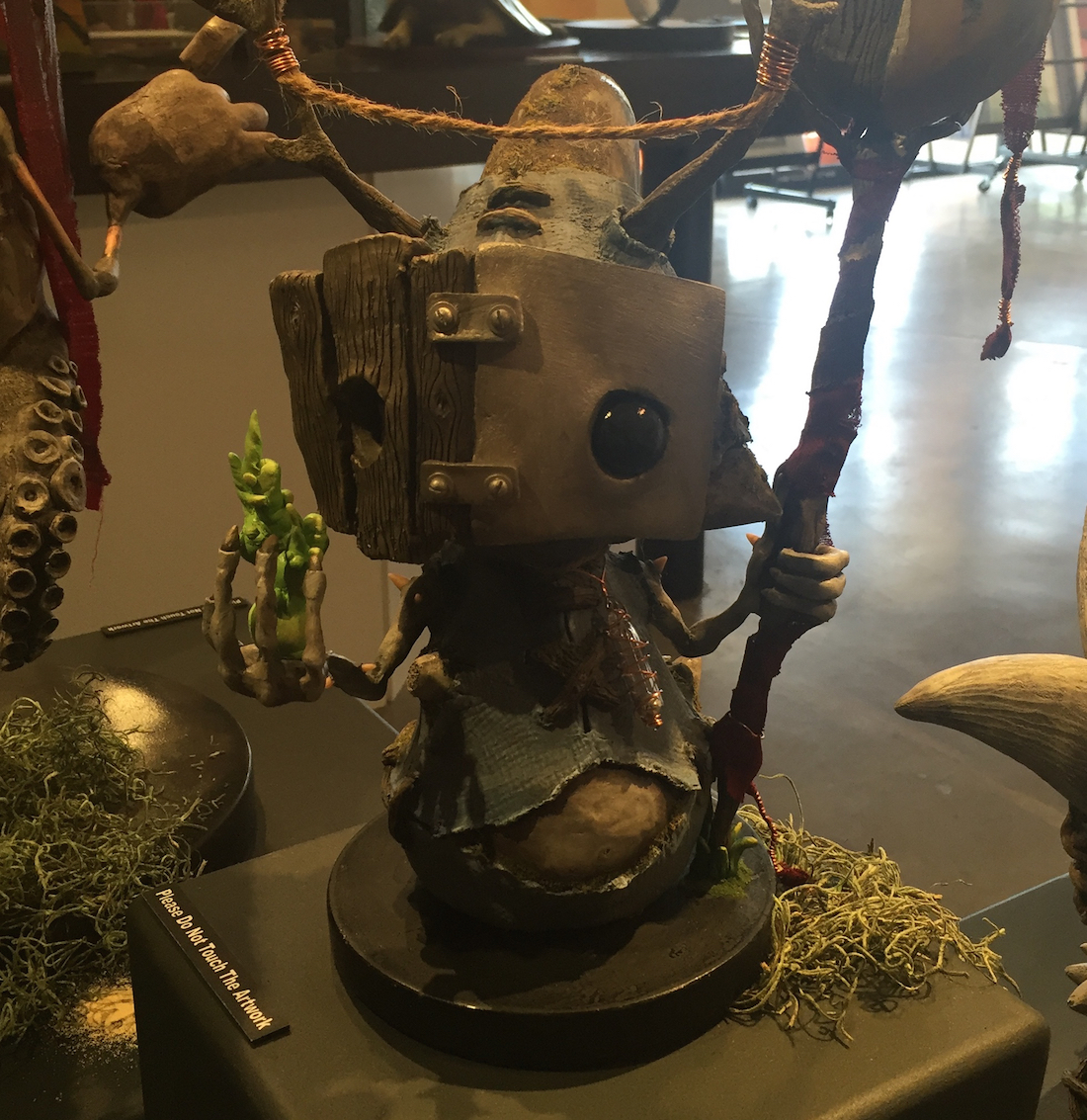
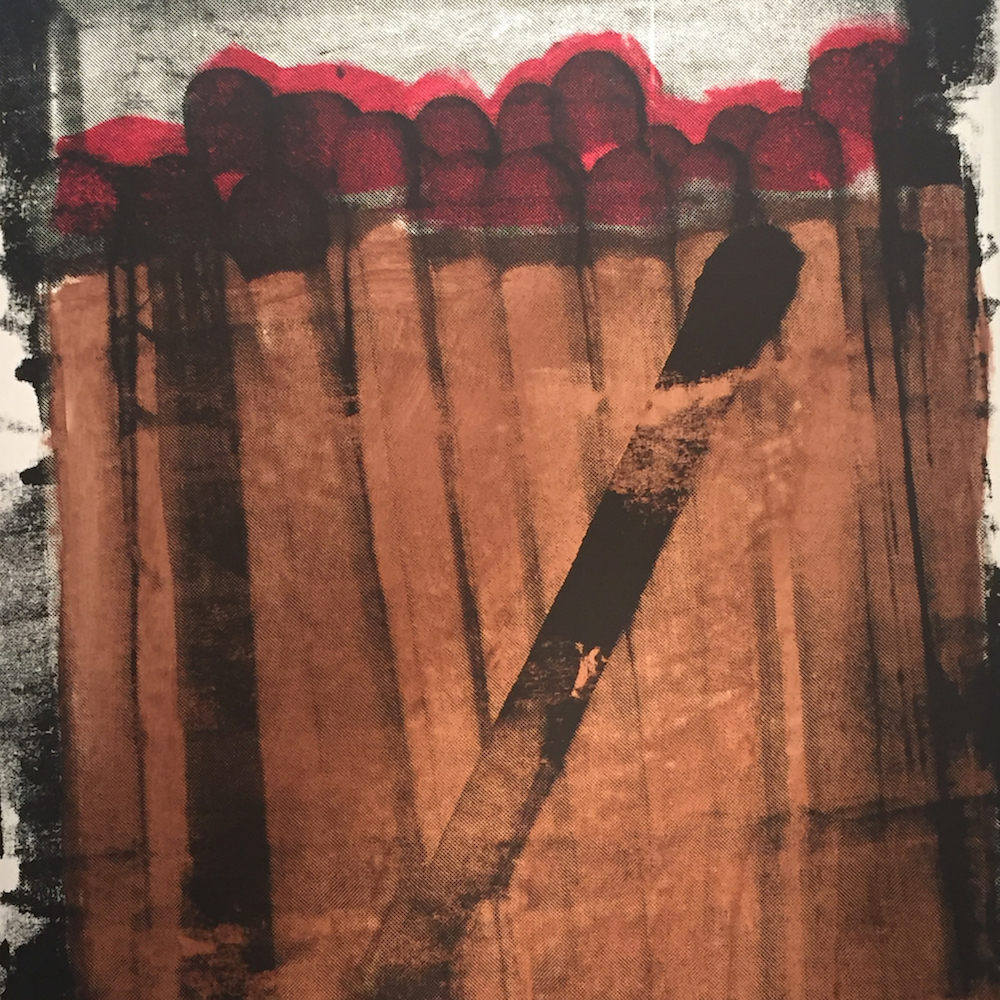
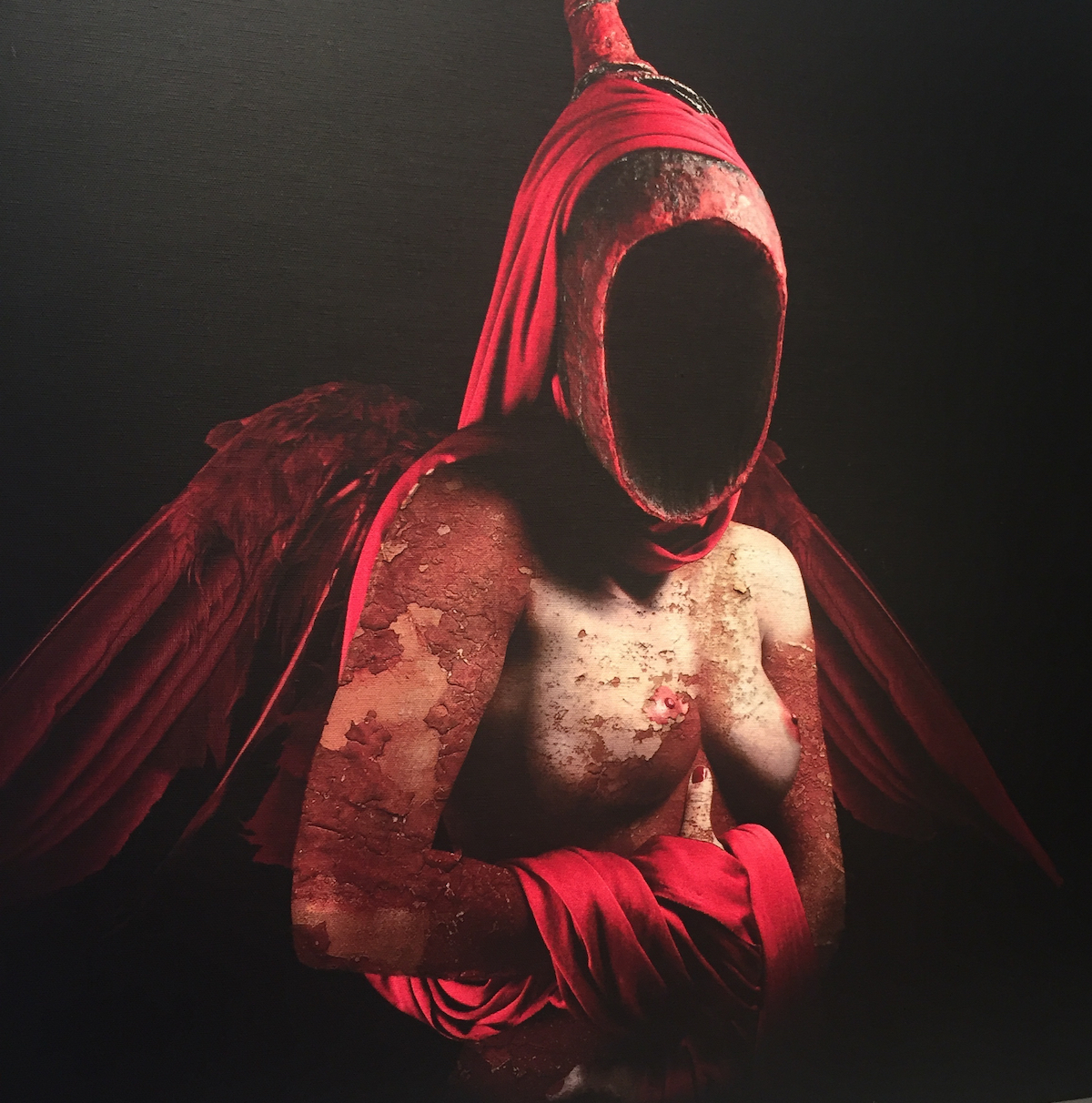
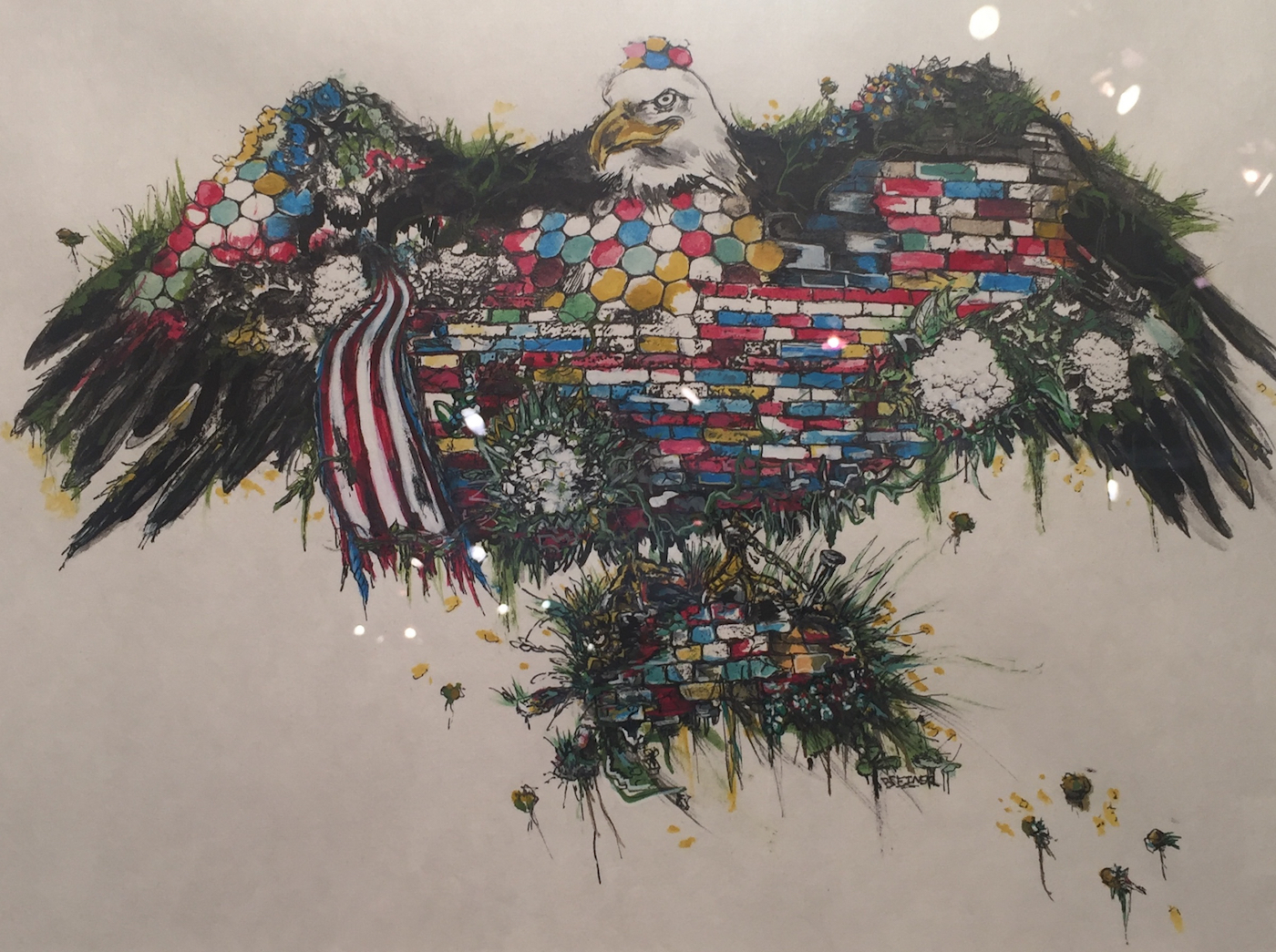
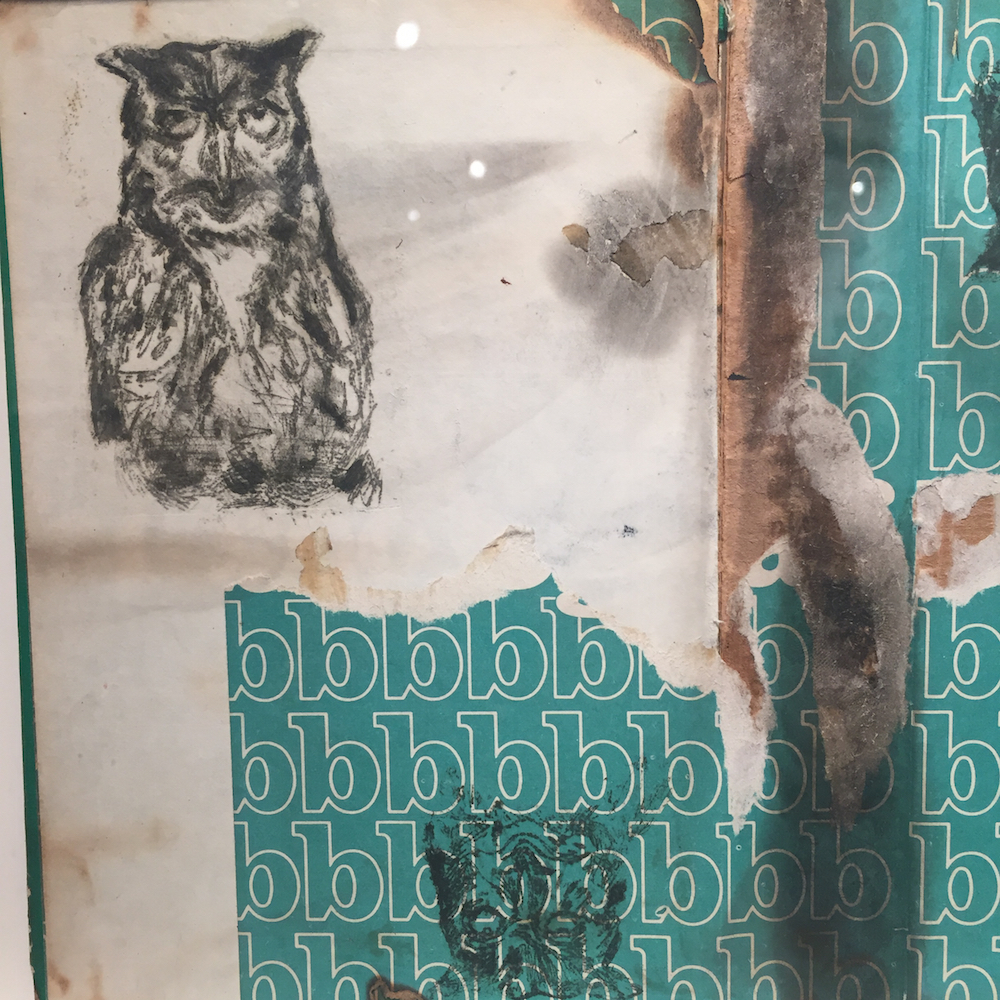
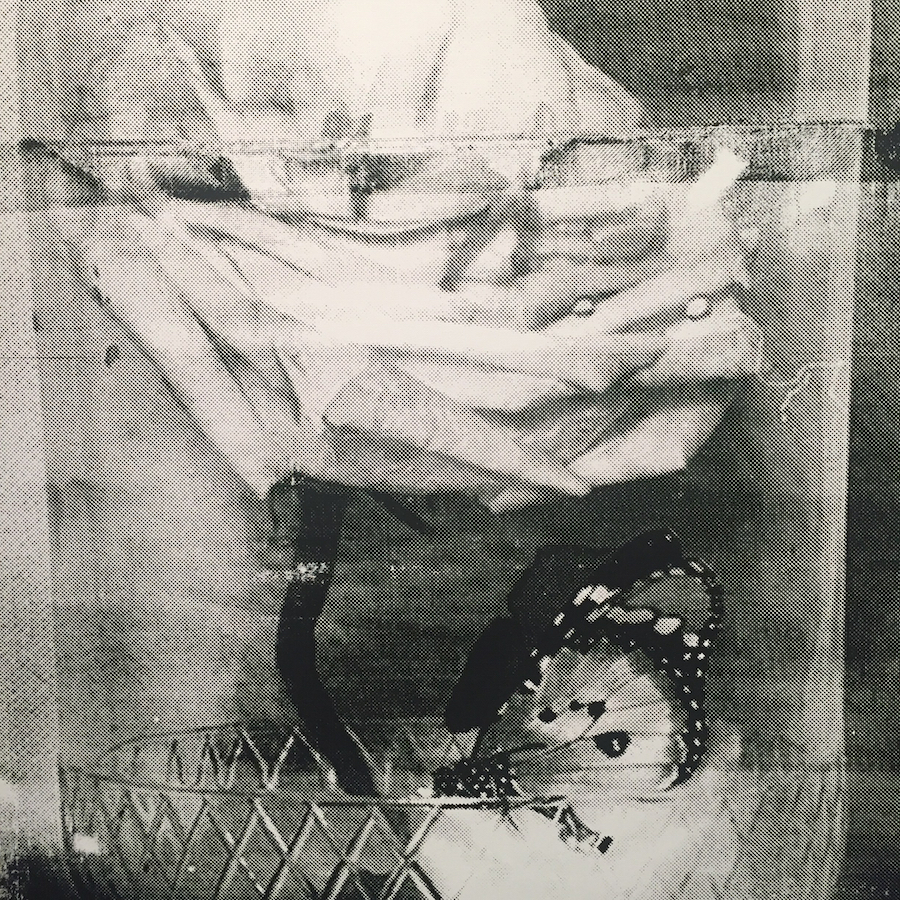
June 2016—ART on 5th revealed three exhibitions by artists Brandon Snow, John Breiner and Chris Guarino. Each artist creates a unique style from the heart. However, Brandon Snow’s pieces can be recognized by his bold use of the colors black and red, butterflies, roses, matches and a balloon. The works of John Breiner are a bit more playful and extensive with bright colors, including images like an eagle, a Native American and an owl. The collection by Chris Guarino reflects a fantasy world of magic, darkness, nature and masks. All three exhibitions and all three artists displayed by the gallery are listed below in fuller details.
“Life, Death, and Beauty”: The strength of Brandon Snow’s work stems from the simplicity of his imagery. Each piece is conceptualized by photographing an everyday object. These are then translated from film to canvas via a large-format silkscreen printing method which he has developed through years of experimentation. This will be the artist’s first solo exhibition in Austin. “Brandon Snow is an Austin-based self-taught artist. Out of a desire to infuse his work with a new type of energy and excitement, Brandon began merging lo-fi film photography and silkscreen printing. When Snow discovered that he could print his photographs using large format silk screens, he immediately began the tedious process of teaching himself through trial and error. This silk screen method also allows room for unique and unplanned characteristics to develop in each piece during its creation”. Snow’s works are on display until July 7, 2016. www.brandonsnowart.com
“Aetheria”: John Breiner’s work revolves around the reuse of found paper, including book covers and old maps. By utilizing a unique print transfer method, Breiner combines photographs and original drawings. He finishes the image with a myriad of techniques, including acrylic, spray paint, and collage. The result is an ephemeral surface which transcends traditional print media. John Breiner is from New York, and this will be his second exhibition at ART on 5th. “John Breiner’s love of the ephemeral surface has kept him painting and illustrating for close to two decades. While the focus of his personal work revolves around the reuse of found items (specifically old paper, books and book jackets), John has also painted large-scale murals, numerous illustrations, and album covers over the years”. Briener’s works are on display until July 7, 2016. www.johnbreiner.com
“From The Unknown & The Masquerade Series”: Chris Guarino, the winner of our 2015 Bombay Sapphire Artisan Series Contest, is currently the featured artist at ART on 5th. Guarino’s sculptures and digital photography are no longer on display. For information about prints, please contact ART on 5th. “From the Unknown is a solo exhibition of work by internationally recognized sculptor and digital media artist, Chris Guarino. Chris was also the winner of our 2015 Bombay Sapphire Artisan Series Contest. His work has been exhibited in Chicago, Miami, and Berlin. This show will feature original cast resin sculptures as well as prints of his digital photography work.” “From the Unknown” ended on June 18, 2016. Viewers can still see artwork by Chris Guarino at the gallery, however the full exhibit is no longer up in its original form. www.chrisguarino.com
Additionally, please bear in mind that ART on 5th is encouraging a Call for Entries from artists that have yet to be featured at the gallery. “ART on 5th will once again be hosting the Bombay Sapphire Artisan Series. The Artisan Series is a national search to find the next big name in visual arts, and offers under represented artists a national platform to showcase their work. Artists residing within 150 miles of the city center will be considered for the Austin semi-finalist exhibition to be held at ART on 5th this October”. For more information regarding hours, location or upcoming exhibits at the gallery of ART on 5th: please visit their website at www.arton5th.com or call (512) 481-1111.
Note: This article was originally published on Examiner.com in June 2016.
Teenage Mutant Ninja Turtles and April. Photography used with permission from Nickelodeon.
Composer Sebastian Evansis scoring the music for Nickelodeon Animation Studio’s “Teenage Mutant Ninja Turtles” TV series. Based in California, Sebastian Evans learned music theory as a kid and began to play piano when he was 10 years old. Evans’ mission to pursue music began after watching “Return of the Jedi” when he was seven. After participating in various musical entities until he reached college: a jazz band, concert orchestra, drum line and musical theater. Over the course of time Sebastian Evans also taught himself how to score music as a working professional.
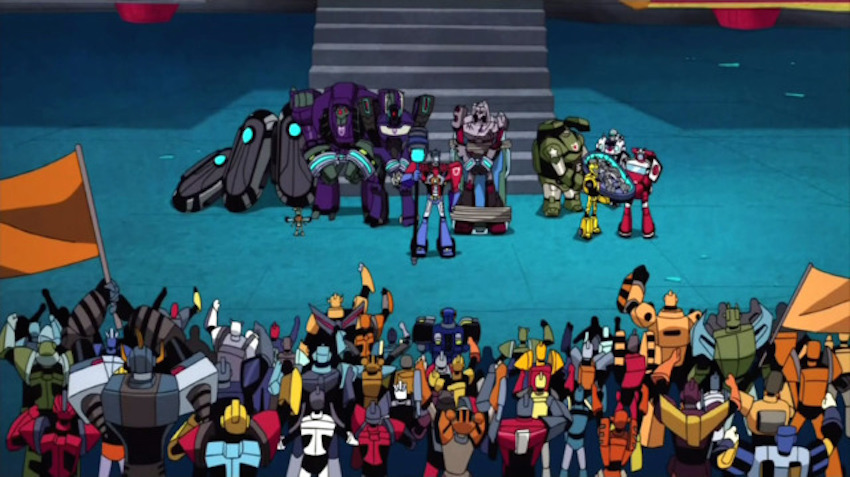
“Sebastian Evans is one of the only black Composers in the industry, and he’s quickly rising in the competitive world of TV and film music. Evans is a creative type who is rapidly gaining accolades within the industry. Invigorating several hit animated television shows with his unique style, Sebastian has received considerable acclaim from fans and critics alike. Most recently, Sebastian’s distinct sound has helped reinvent the “Teenage Mutant Ninja Turtles” franchise starring Seth Green and Sean Astin. From his head-bob inducing main title theme to his seamless blend of Far East and Western musical styles, Sebastian provides a lively score that’s helped reinvent Nickelodeon’s Emmy-winning series for a whole new generation. Sebastian has also created scores for other hugely popular shows including “Cartoon Network’s Ben 10: Omniverse”, starring Yuri Lowenthal and Joe DiMaggio, “Transformers: Animated”, starring David Kaye and Tara Strong as well as “Super Robot Monkey Team Hyperforce Go”, starring Greg Cipes and Mark Hamill for Disney. He has also worked on various projects for “Warner Brothers” and “Adult Swim”. Also, in case you were wondering, his favorite Ninja Turtle is Donatello.”
Teenage Mutant Ninja Turtles: Donatello, Michelangelo, Raphael and Leonardo. Photography used with permission from Nickelodeon.
Transformers Animated. Photography provided by CW3PR Inc.
Transformers Animated. Photography provided by CW3PR Inc.
Cartoon Network’s Ben 10: Omniverse. Photography provided by CW3PR Inc.
Teenage Mutant Ninja Turtles (Raphael, Leonardo, Michelangelo and Donatello) and April. Photography used with permission from Nickelodeon.
Earlier this week in June 2016, a phone interview was booked between Sebastian Evans and Writer for Examiner, Nicolette Mallow.
Nicolette Mallow: When was the moment you realized the power of music and that you wanted to make music? How did you know that you were meant to be a composer?
Sebastian Evans: The day I saw “Return of the Jedi” for the first time when I was 7. That was when I really remember feeling something from the music and I wanted to replicate it myself. Specifically it was the moment when Admiral Ackbar says “It’s a trap!”… Right then and there I wanted to learn music. I wanted to know how to make the audience feel a certain way just by hearing the sounds. That scene in “Star Wars” stuck with me and I started taking music lessons soon after. By the time I was 10, I could play the piano and as time went by. I learned all kinds of musical styles. Eventually I moved out to L.A. with my band, but that didn’t work out. So then I got a job after sending demos to various studios. Warner Bros. hired me for “Cartoon Monsoon” which was an animated pilot program online. Later I made some connections standing in the “Star Wars” line at Mann’s Chinese Theater to see “The Phantom Menace”. Then I pitched to Disney. Along the way I met Ciro Nieli (Executive Producer of “Teenage Mutant Ninja Turtles” for Nickelodeon) and we began working together on various projects.
NM: Do you have a music ritual or a method of operation for when you create and compose? Or do the projects flow naturally and you write from the heart as it comes along?
SE: I used to write a lot more from the heart when it was personal, like for the band or my own art portfolio. But when it’s a project for a team: my style is based around the desire to reflect the Director’s vision. I want to support the film or the story. I try to stay flexible because you don’t always know exactly what the team wants. My focus for work projects are dictated by the team and how I can bring my own musical style to meet their vision.
NM: I am unfamiliar with writing music and putting audio or soundtracks onto film. What is it like writing for “Teenage Mutant Ninja Turtles”?
SE: Ninja Turtles has a lot of underground hip hop influences and a lot of loops. The music is often subtle and grey as to not overpower the story, dialogue or the characters. But the Director is also seeking to get something across that emotes something in a scene that would not be as prevalent without the music accompanying it. Music foreshadows events that are about to happen, or perhaps it uplifts the mood or makes the tone more serious. It all depends on the situation at hand. We have a couple of meetings every episode and we discuss what the scene needs. This helps me create a score that will benefit the character building of the story within each episode.
NM: Did you always intend to write for animation, comics or cartoons? Or did this path sort of unfold naturally?
SE: Yes, it all sort of unfolded naturally. My end goal in the future is to work on movies, but I really love working on animation for television. It’s been a learning experience and very rewarding because I never imagined that I would be where I am now. My roots in music are very scattered and I grew up listening to classical, like Mozart and the greats. Yet I also love metal and alternative. I will play Mos Def, Timbaland and Wu Tang during the same duration as I listen to Bjork or classical. So, yeah, I would like to explore as many characters as possible through TV and film in the future. But I am grateful for where I am right now and enjoy working on animation.
NM: Out of all four ninja turtles (Leonardo, Raphael, Donatello and Michelangelo), why is Donatello your favorite?
SE: Donatello seems like the outcast. He’s the brains and the nerd of the group. Donatello is also a romantic yet he’s very shy. And I just like him because he’s cool with being different and I felt a kinship to his character.
NM: Interesting. I relate most to Raphael because he’s the most fiery, hot tempered and yet also the most sensitive. Do you have any favorite hobbies outside of composing music?
SE: I watch a lot of comedy shows and I build LEGO® bricks a lot.
NM: That is awesome. I love LEGO® models. Thank you so much for your time. I enjoyed interviewing you and look forward to watching the TV series with my godson, Micah. He loves “Teenage Mutant Ninja Turtles”.
SE: You’re welcome. I’m glad to hear kids like the show. Thank you for interviewing me today.
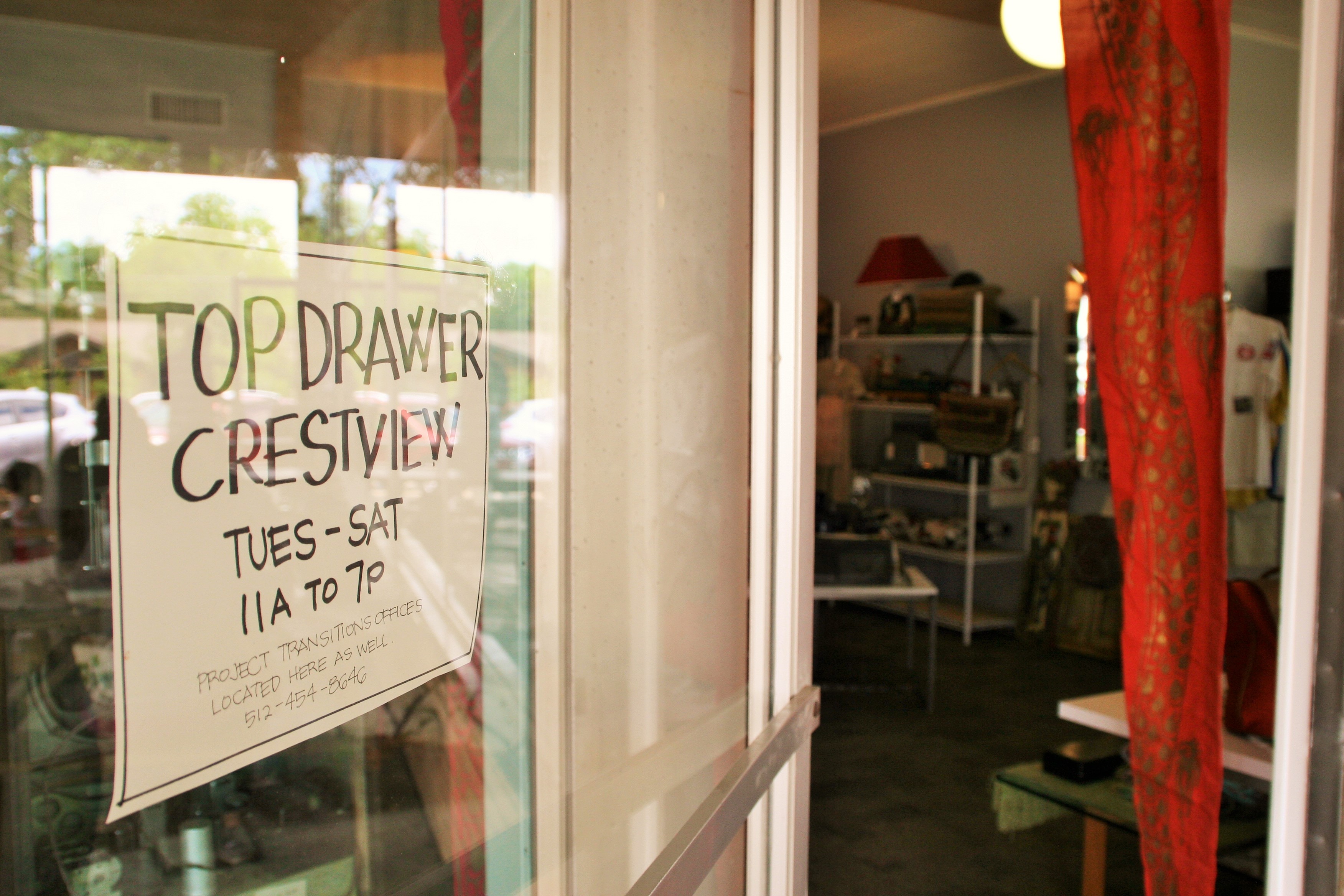
Photography provided by Top Drawer and Project Transitions.
A welcome party was held in honor of Top Drawer’s second thrift shop located in the Crestview neighborhood within the heart of Austin, Texas. This newly released thrift shop operated by Top Drawer opened its doors earlier this spring. However the official party was hosted at 7101B Woodrow Avenue on May 15, 2016, the exact date as the International AIDS Candlelight Memorial. Top Drawer Thrift is the social enterprise arm of Project Transitions. “Since 1988, Project Transitions is a non-profit dedicated to serving people with HIV and AIDS by providing supportive living, housing and hospice in compassionate and caring environments.” Top Drawer’s original location on Burnet Road has been open since 1993, always sustaining a focus to sell items in support of Project Transitions. To this day, all proceeds directly benefit the programs of this nonprofit and volunteers mostly run the shops.
Arts and Entertainment Writer, Nicolette Mallow, interviewed the Manager of Top Drawer thrift shop, Karin Kokinda. The two spoke of donations, the history of the shop and how the employees often get sentimentally attached to the pieces. (An audio recording can be found on YouTube.)
“I can’t begin to tell you how excited Project Transitions is to dive into this new experiment. For over 20 years we’ve had the Top Drawer location at 49th and Burnet and it has been amazingly successful and popular,” said Karin Kokinda, Top Drawer’s manager. “The new store gives us the opportunity to showcase some of the more special and unusual items that are generously donated.”
The welcome party at Top Drawer’s second shop in Crestview featured complimentary wine, fruits, cheeses and crackers. All items were 20% off during the party. Entering the thrift shop, guests will notice it’s like an infusion of a high-end fashion boutique, antique library, art gallery and a retro thrift shop with vinyl records and other goodies of the past. Inside the store there is something to be desired for purchase by anyone and everyone. Top Drawer is beautifully decorated and arranged to where the space is filled top-to-bottom with inventory, and yet it does not feel crowded or scattered. The room is neatly organized and the eyes can never get bored. Boots, dresses, books, tables, lamps, giant mirrors, old cameras, artwork, imported goods and other miscellany are available for purchase.
Arts and Entertainment Writer for Examiner, Nicolette Mallow, attended this special event and purchased a lovely, handmade Italian brown leather notebook as a keepsake and a literary diary. After the purchase, Mallow interviewed the Manager of Top Drawer, Karin Kokinda. The two spoke of donations, the history of the shop and how the employees often get sentimentally attached to the pieces. To hear the interview, please click on the video above.
To contact Top Drawer Crestview about acceptable items or more information, please call 512-454-5161. The store hours of operation are 11 A.M. to 7 P.M. every Monday through Saturday. Donations will continue to only be accepted at the Burnet location. For more information about Project Transitions, please visit www.projecttransitions.org or call 512-454-8646.
“It’s a collaboration between the community and Project Transitions. It starts with our donors who provide our inventory, then our loyal customers that come shop in our store, and finally, our clients who directly benefit from 100% of the proceeds,” said Madge Whistler, Project Transitions Financial Administrator.
Note: This article was originally published on Examiner.com in June 2016.
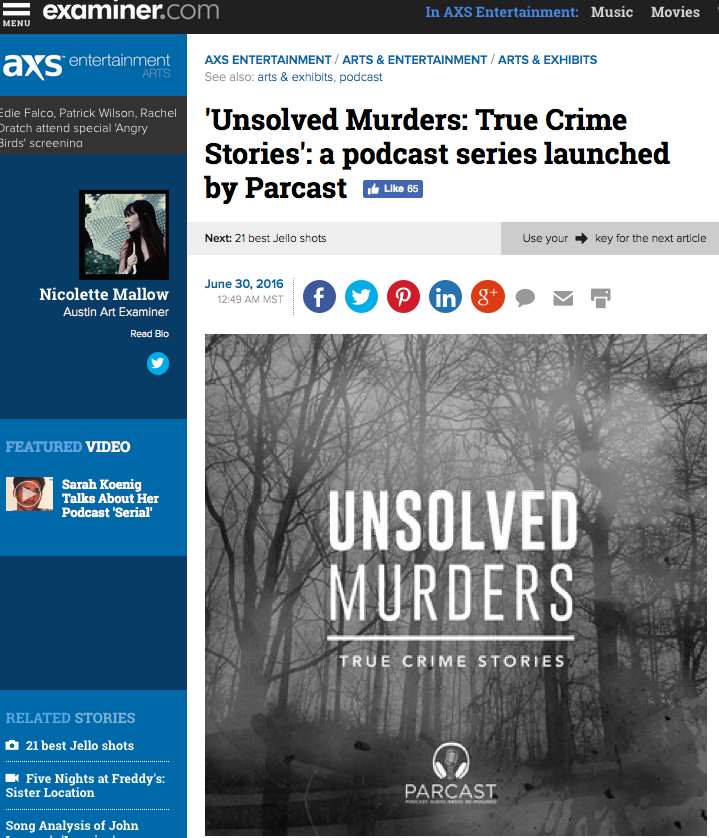
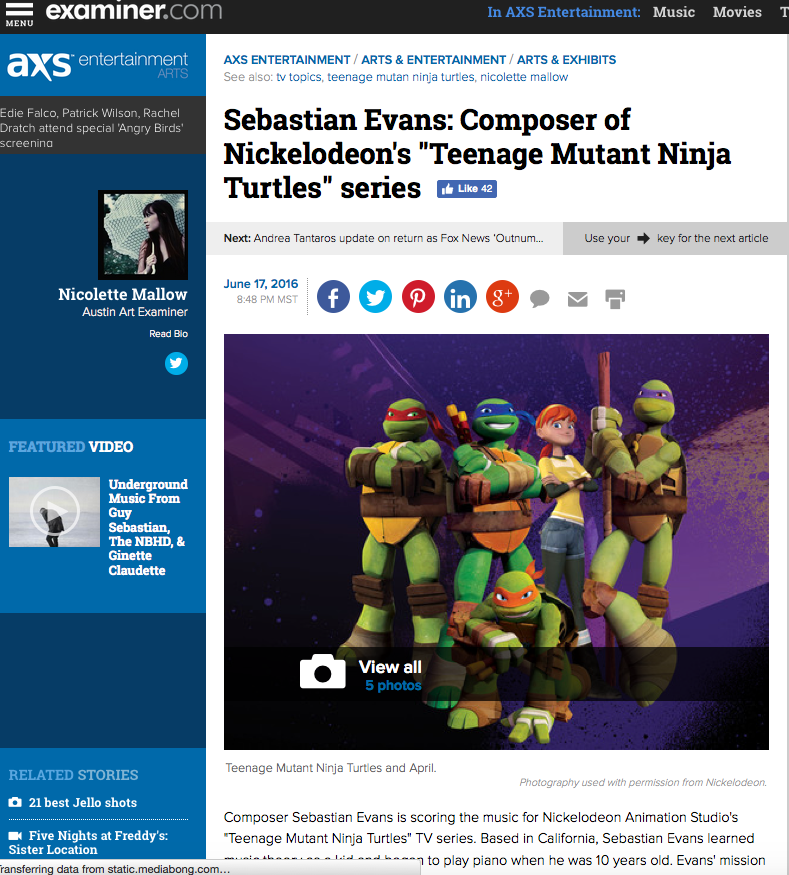
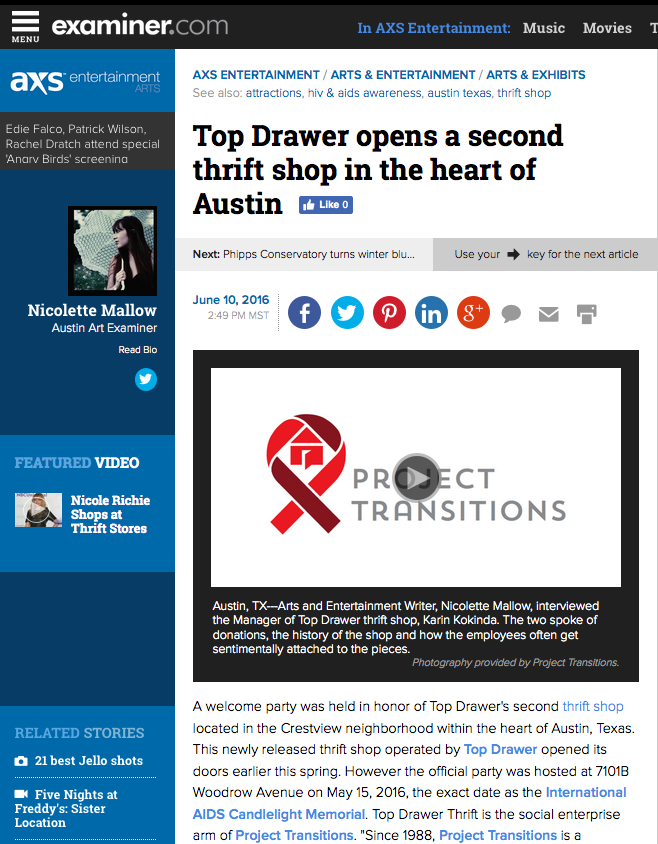
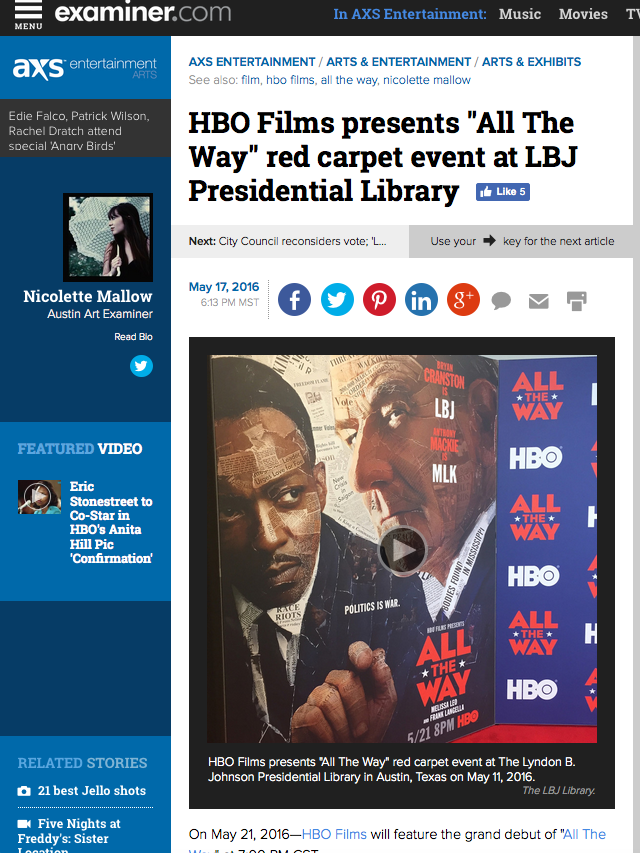
Screenshot from the original publication on Examiner.com.
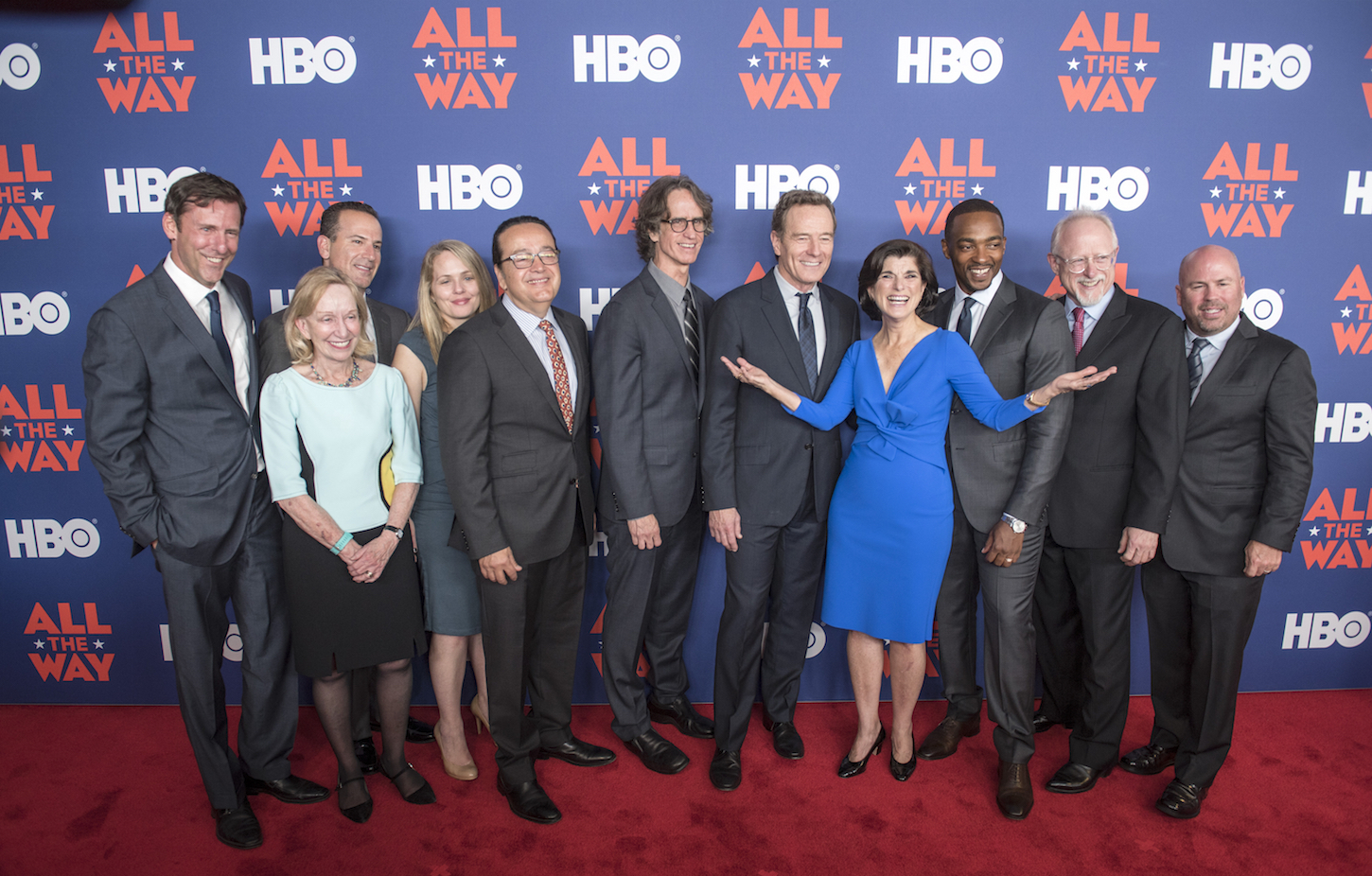
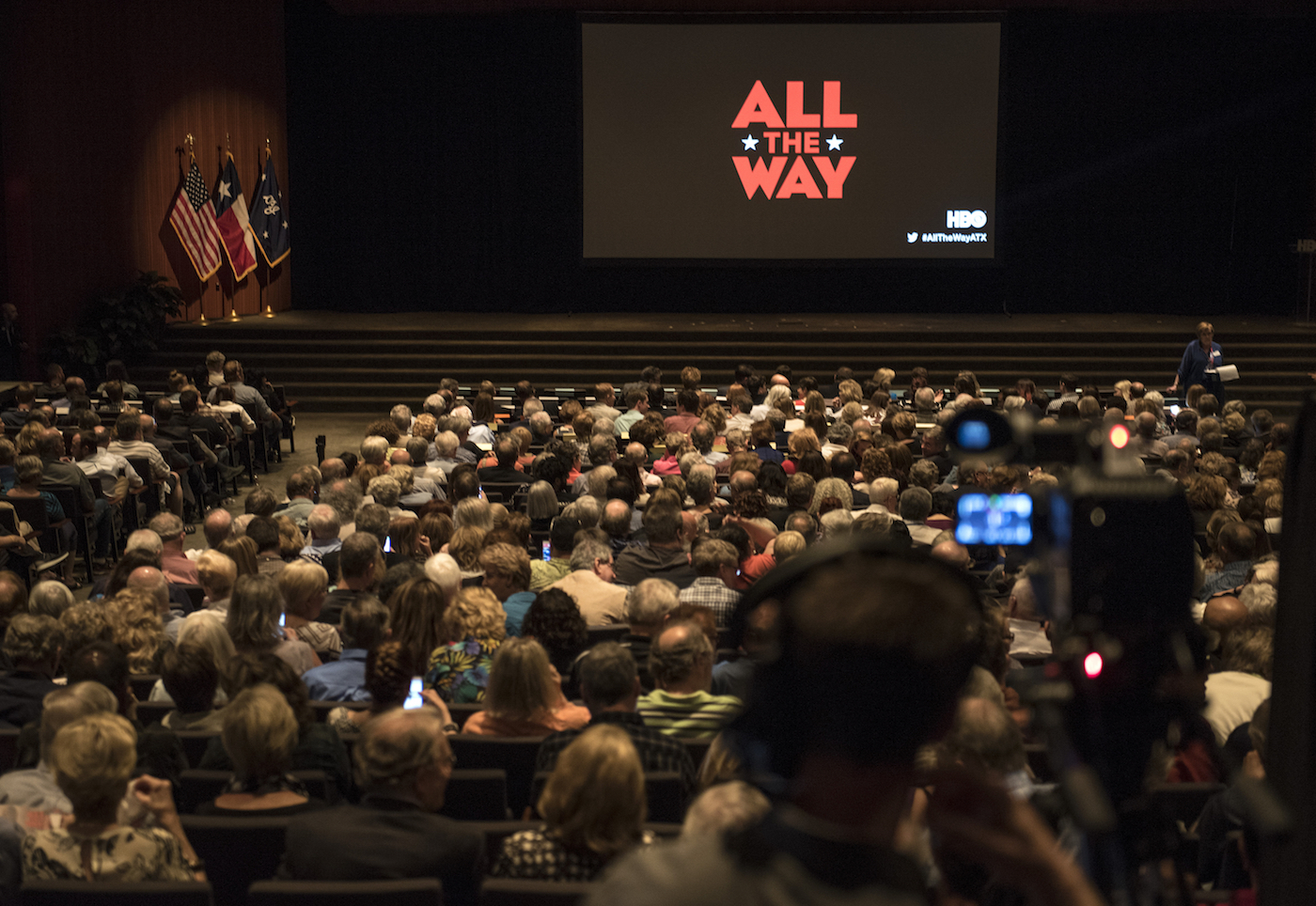
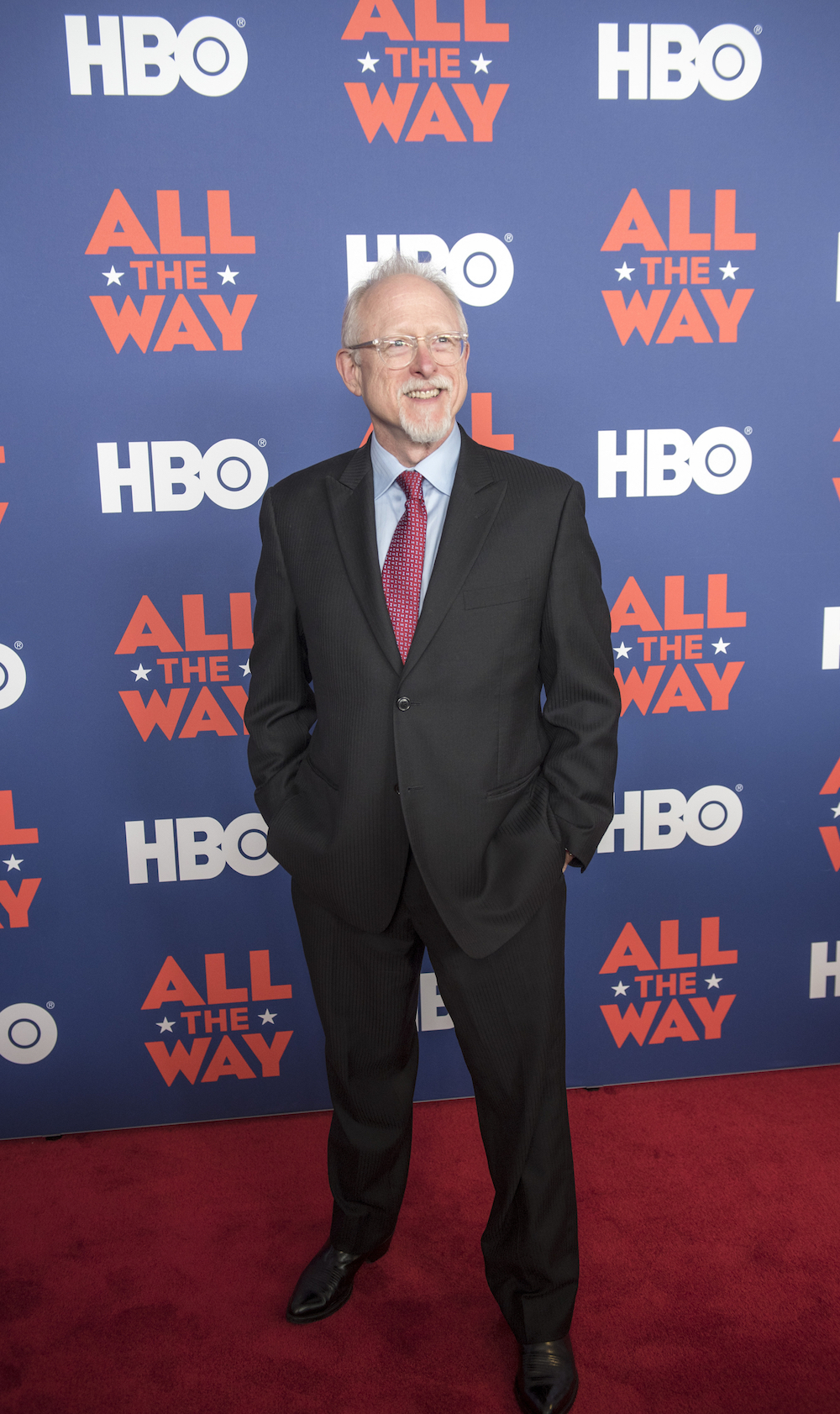
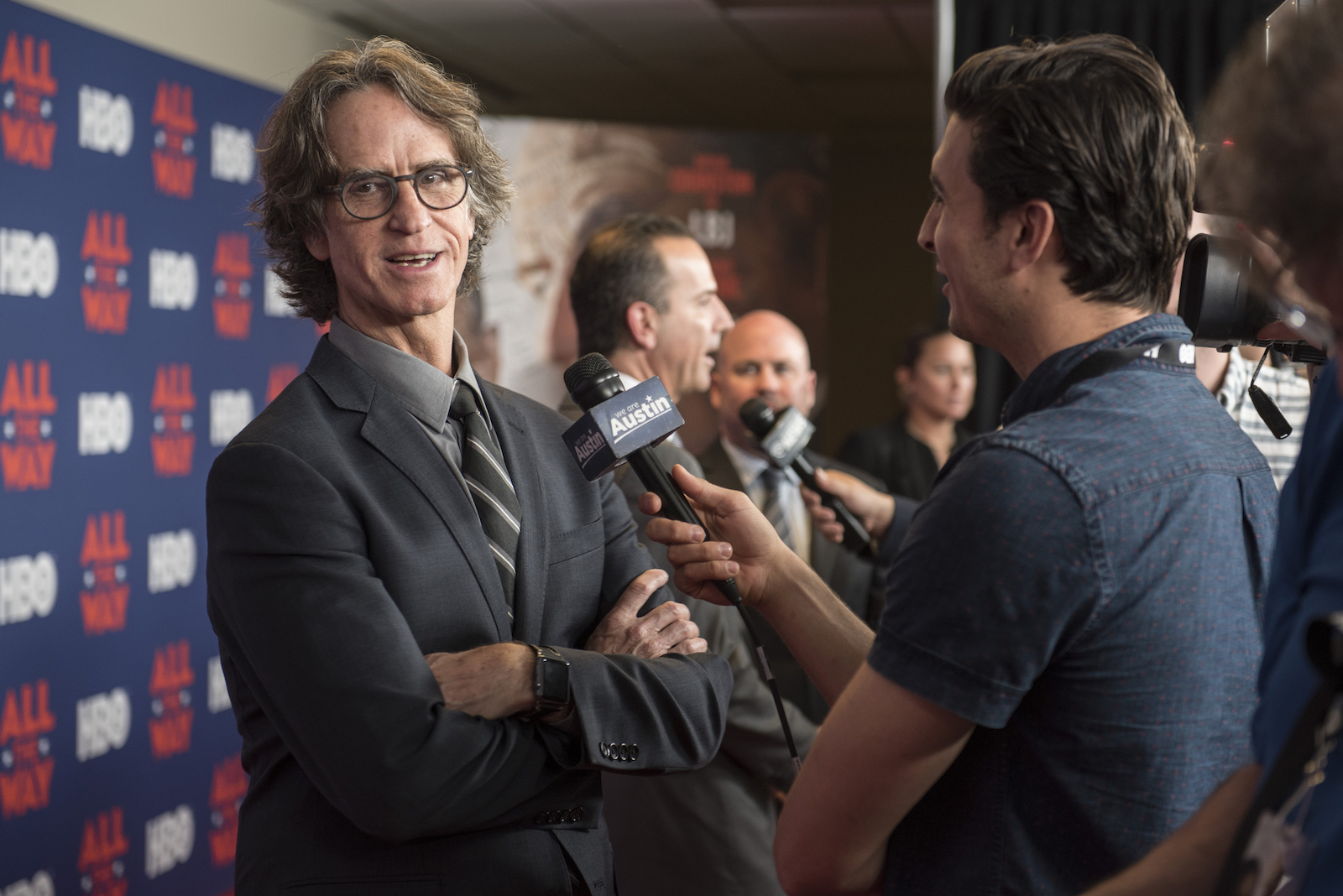
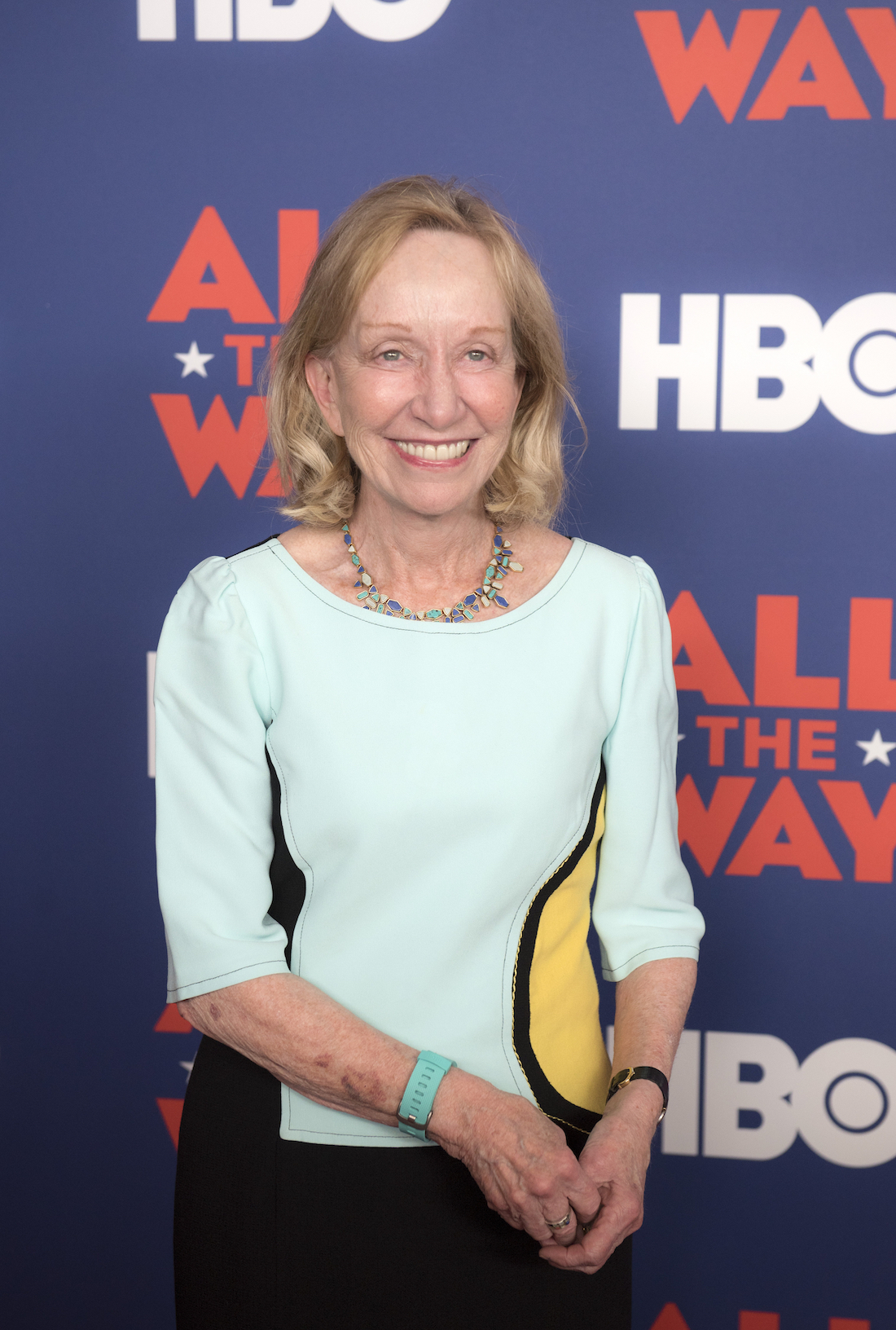
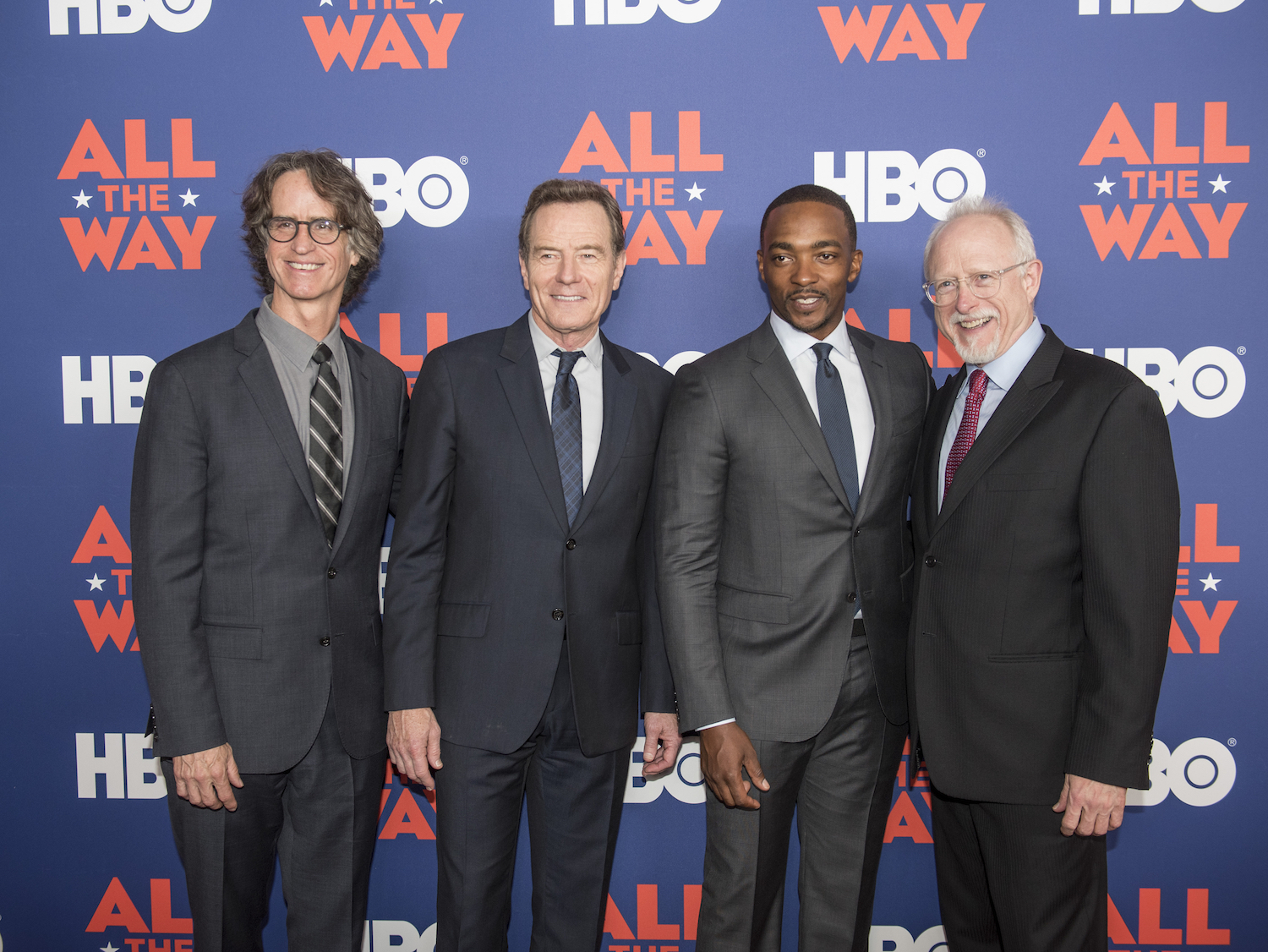
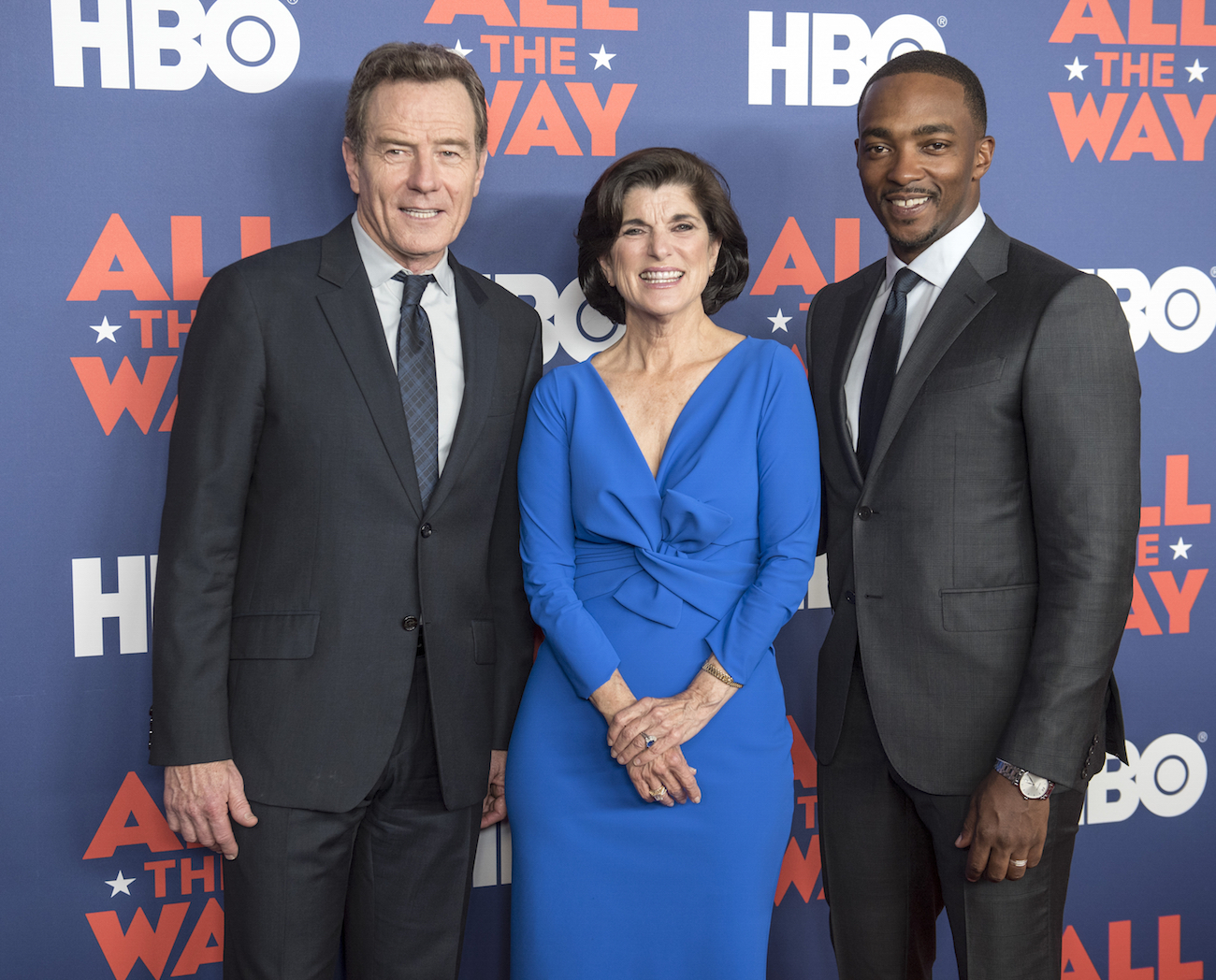
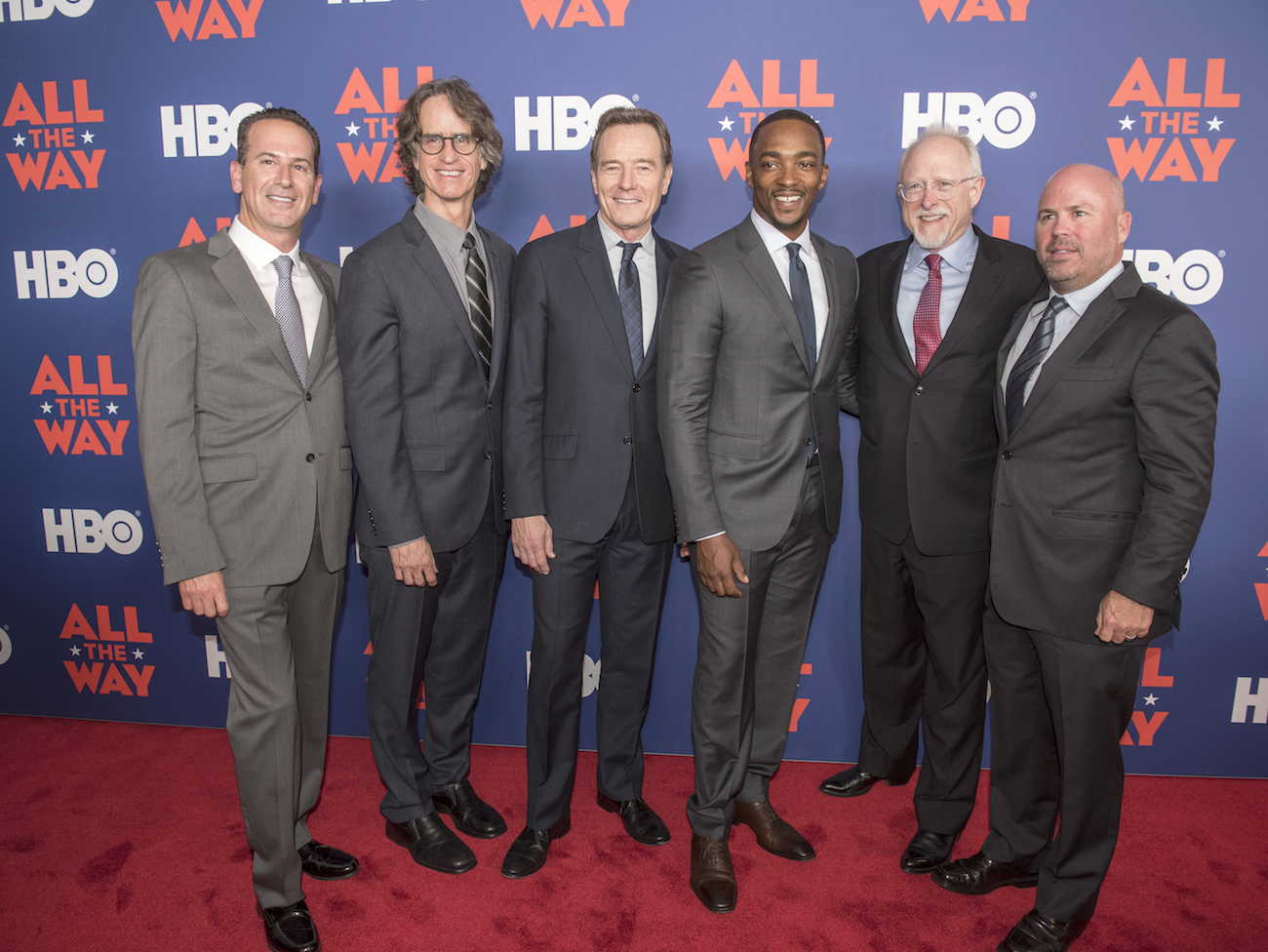
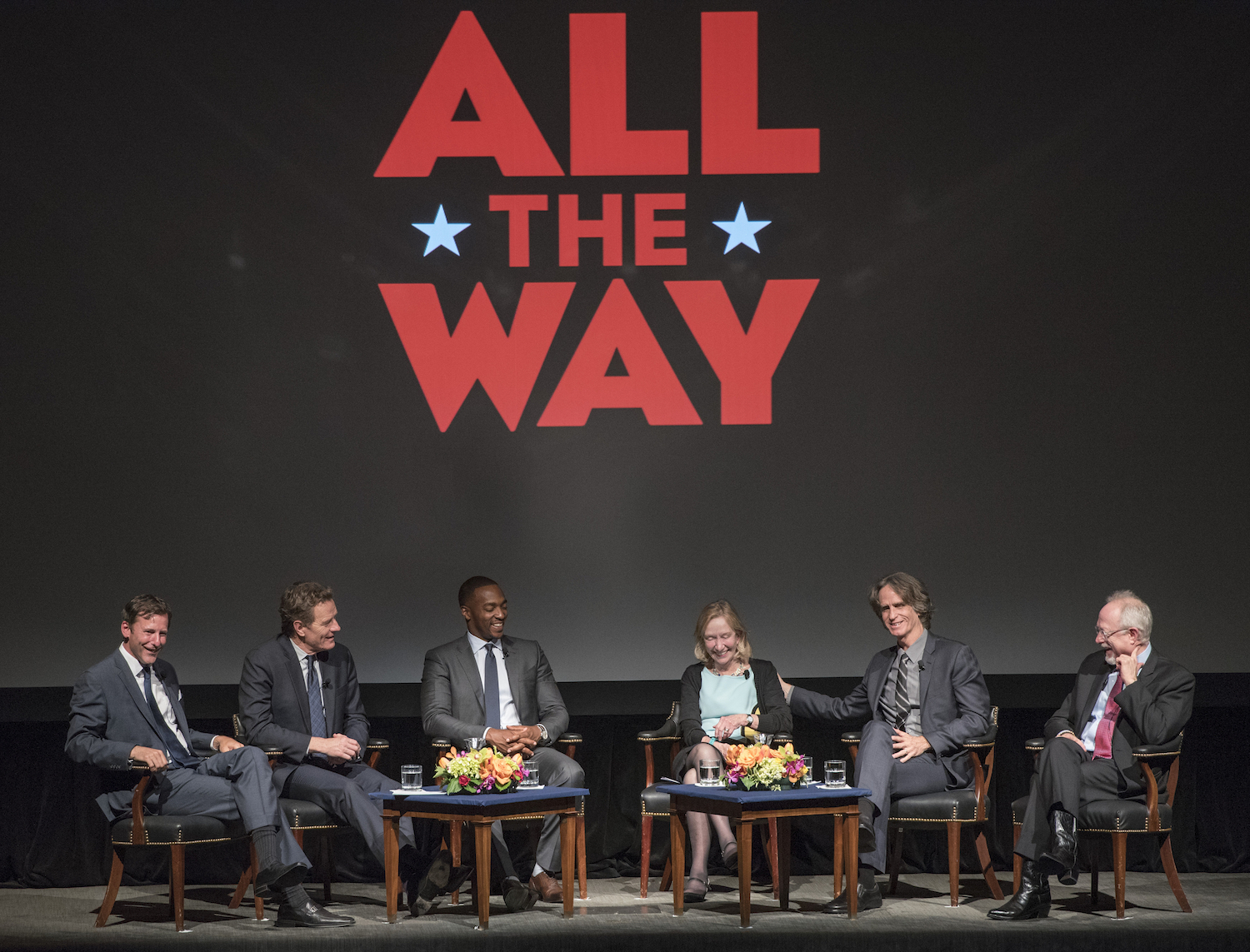
HBO Films presents “All The Way” at The Lyndon B. Johnson Presidential Library on May 11, 2016 in Austin, Texas. Photography used with permission from Jay Godwin.
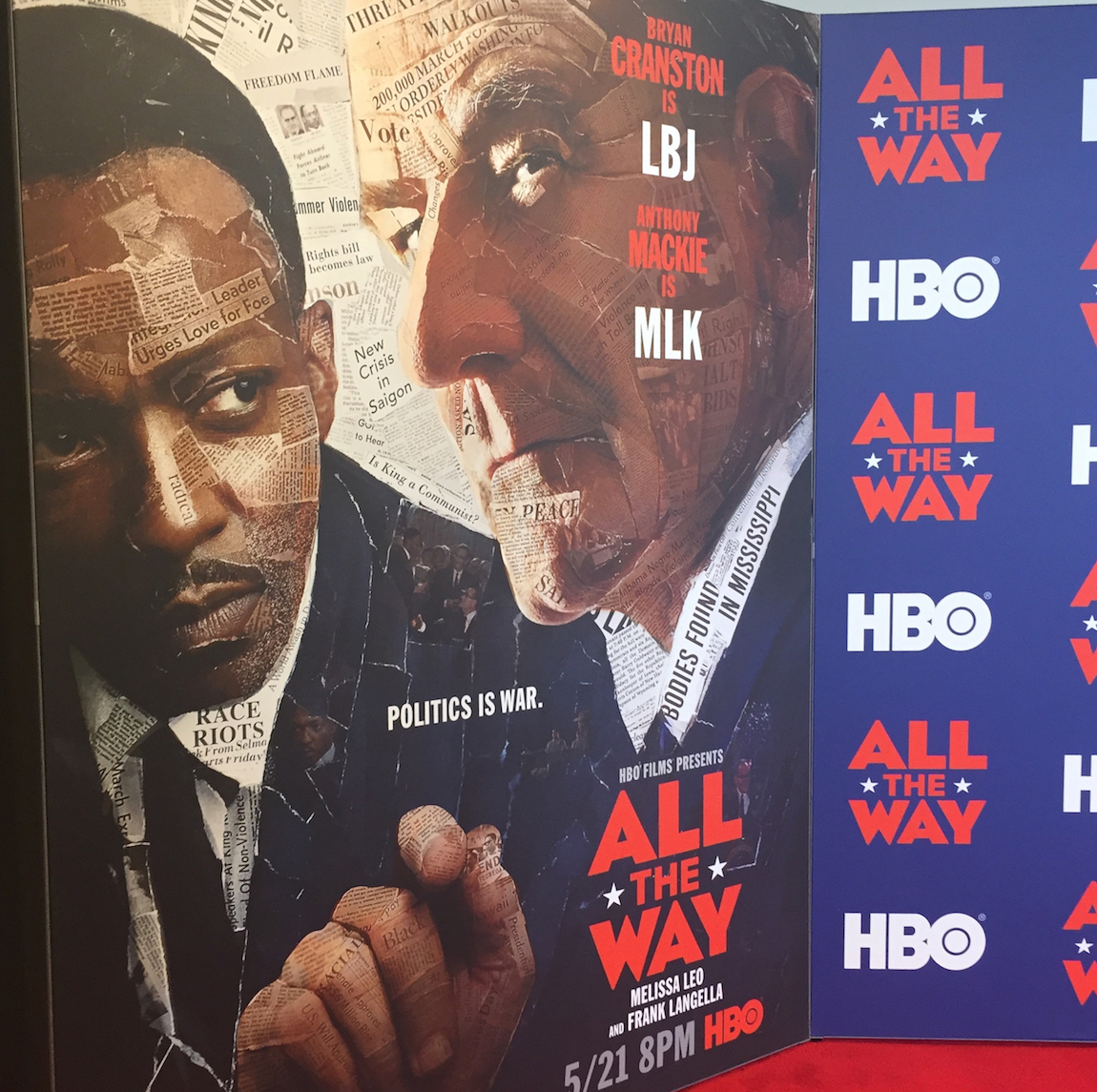
On May 21, 2016—HBO Films will feature the grand debut of “All The Way” at 7:00 PM CST. Directed by Jay Roach and Written by Robert Schenkkan, “All The Way” is like an immaculate time machine that takes you back to the 1960s when former President Lyndon B. Johnson (LBJ) came into The Oval Office after the assassination of former President John F. Kennedy. The film begins with a powerful start: reliving the intense aftermath of a deeply tragic situation in Dallas, Texas. The audience sees and hears the bloody mess and the Lincoln limousine. And we feel the intimate conversation between LBJ and his wife, Lady Bird Johnson, while up in the sky on Air Force One. When LBJ gets to office in Washington DC, this is when the story of “All The Way” truly begins. The focus of the film is how President Lyndon B. Johnson brought the civil rights movement into legal effect with The Civil Rights Act of 1964.
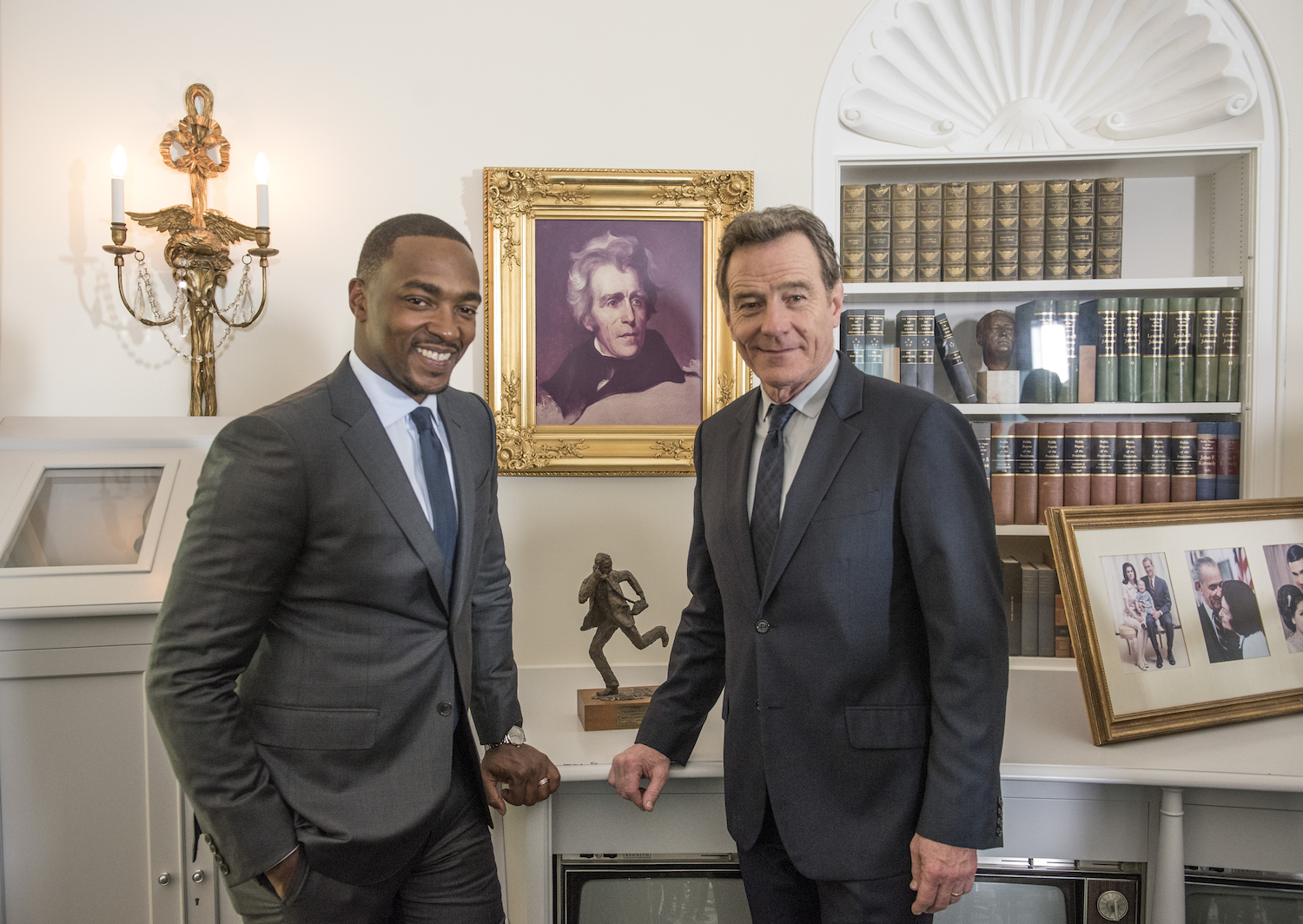
According to HBO: “All The Way” offers a riveting behind-the-scenes look at President Lyndon B. Johnson’s tumultuous first year in office after the assassination of former President John F. Kennedy. Staking his presidency on what would be a historic, unprecedented Civil Rights Act, Johnson found himself caught between the moral imperative of Dr. Martin Luther King, Jr. and the expectations of the Southern Democratic Party leaders who brought Johnson to power. As King battles to press Johnson while controlling more radical elements of the Civil Rights Movement, Johnson navigates the bill through Congress, winning a landslide victory against Barry Goldwater, but causing the South to defect from the Democratic Party. Following its critically acclaimed, award-winning Broadway run, “All The Way” comes to HBO on May 21, 2016. Actor, Bryan Cranston (four-time Emmy® winner for “Breaking Bad”) reprises his Tony Award-winning role as LBJ for the HBO Films presentation, which also stars Anthony Mackie as MLK (“The Hurt Locker”) and is Directed by Jay Roach (“Trumbo”; Emmy® winner for HBO’s “Game Change” and “Recount”) from a screenplay by Robert Schenkkan (Pulitzer Prize winner for “The Kentucky Cycle”; two-time Emmy® nominee and Writers Guild Award winner for HBO’s “The Pacific”), who has adapted his Tony Award-winning play of the same name.”
Last week, on May 11, 2016, in Austin, Texas—HBO Films and The Lyndon B. Johnson Presidential Library hosted a special event and exclusive screening of the film. The delightful cast and crew of “All The Way” strolled the red carpet for the Press before the screening of the film. After the movie ended, a Q&A session took place. (A video of the Q&A conversation is online.) Local Arts and Entertainment Writer for Examiner, Nicolette Mallow, attended the red carpet event and she interviewed Director Jay Roach and Writer Robert Schenkkan. Both audio recordings of each interview are uploaded onto YouTube.
Director Jay Roach discussed the changes and differences between the making of his many comedy films (ie: “Hitchhikers Guide to the Galaxy”) and transcending into more serious, political topics like “All The Way”. During the interview, Roach also shared his insights on the importance of voting and what he hopes that viewers, especially younger generations, will retain the most from this story about The Civil Rights Act and how one man from Texas made history by striving to give all people equal rights and that every vote counts. Writer Robert Schenkkan talks about what he would’ve liked to ask former President LBJ if he were still alive. And he talks about the writing process as to how he developed this story and wrote it so beautifully.
Also in attendance to this red carpet event was Luci Baines Johnson, the daughter of Lyndon B. Johnson and former First Lady Lady Bird Johnson. There is one scene that made a writer (Nicolette Mallow) in attendance of this film cry and it was one of the only moments in the film we really connect with the daughter. (In fact, there were many scenes that made Mallow laugh and cry, and she was glad she wasn’t wearing eyeliner or mascara, but this one scene hit home.) Nonetheless, in the midst of White House chaos and political war, there is a moment when LBJ watches his daughter Luci passing by, and he asks her not to rush off. As they’re talking, he takes a good look at his daughter and says three words: “You’re getting tall”. It’s at that moment we see that time is moving fast, too fast, and that his energy and dedication to politics have sort of taken away some personal time with family, particularly Luci. Any daughter who had a father who worked that hard to provide a better life can understand the bittersweet feeling of being proud and also perhaps wishing there had been more time.
“All The Way” focuses mostly on LBJ’s struggles and successes as President and the societal and political injustices that were happening in The United States of America. Many problems we are still struggling with today. The movie doesn’t spend too much time on his family life, even if the audience gets to see very intimate dialogue behind closed doors and his ranch in Texas. During the film, we learn (or are reminded) about how LBJ became so passionate about civil rights, beginning his career as a teacher to minority children. The love in former President Lyndon B. Johnson’s heart is undeniable, and the film does a perfect job of capturing this innate trait. LBJ’s fiery passion almost seems to come out of the screen and pour into your heart. Every scene in this film evokes something from within. The audience feels the struggle of it all and we are reminded of the horrors that were going on during the 1960’s to African Americans and other minorities. Ultimately, we witness a humanized version of LBJ: his flaws and imperfections, as well as the deep love in his heart and the powerhouse that he was. The power he had to make changes for the highest good of all. “All The Way” should make all Texans even more proud to be a Texan knowing that LBJ (a man from Texas) brought the Civil Rights Act into legal effect because he knew in his heart it was the right thing to do.
“All The Way” will make its grand debut on HBO this weekend on Sat. May 21, 2016 at 7:00 PM CST. For more information about the cast, crew, and synopsis, please visit their official website on HBO at http://www.hbo.com/movies/all-the-way.
Note: This article was originally published on Examiner.com in May 2016.
“The stars at night are big and bright. Deep in the heart of Texas.”
Taste of Mexico 2016: A Culinary Arts Festival celebrating Cinco de Mayo. Photography by The Mexic-Arte Museum.
The Mexic-Arte Museumcelebrated Cinco de Mayo early this year by hosting a decadent and heartfelt party, Taste of Mexico 2016, at Brazos Hall in Austin, Texas. Cinco de Mayo is an annual celebration on May 5th and Taste of Mexico 2016 was a culinary arts festival in honor of this holiday. Brazos Hall was decorated top to bottom, upstairs and downstairs, filled with brightly colored red and violet spotlights. Dozens of food and beverage vendors were carefully placed about the space. Tacos & tequila, a mariachi band, a DJ, a photo booth and artwork also adorned the venue. Piñatas in the form of painted dolls, calaveras (skulls) and flowers dangled from the ceiling, too. The party was so full that at one point guests had to wait outside in line to get in as to not overfill maximum occupancy. Brazos Hall is a fairly large turn-of-the-century warehouse venue. Therefore the fact Taste of Mexico 2016 reached maximum occupancy not even one hour into the party on a Wednesday night is a testament that The Mexic-Arte Museum knows how to throw a fun-filled celebration for the community.
“Taste of Mexico is a festival of Mexican and Mexican-inspired cuisine and beverages from over 30 of Austin’s most eclectic restaurants, food trucks, and flavorful purveyors featuring fine tequilas, mezcals, wines, beers, and other refreshing beverages. Taste of Mexico also featured the Bazaar del Arte, including Mexican folk arts and crafts, unique gifts, one-of-a-kind jewelry pieces, selections from the Museum Store, and the Pop-up Print Shop hosted by our very own Screen It! students and the Education Department. In collaboration with the Consulate General of Mexico, Mexic-Arte Museum was pleased to present Chef Ángel Vázquez as their Chef of Honor for Taste of Mexico 2016. Vázquez is known for his international palette and sophisticated dishes that represent a Poblana-Mexican kitchen. His critically acclaimed restaurant Intro (Cholula, Puebla) boasts cuisine that takes inspiration from countries such as Morocco, Thailand, Greece, Spain, France, and more. His latest projects include Salome Antojeria Del Mar y Mezcal, Carbon Central de Hamburguesas, and Augurio Comedor Poblano. All ticket sales supported the Mexic-Arte Museum in its mission to offer enriching educational programs and provide the community with outstanding exhibitions.”
Writer and Austin Examiner, Nicolette Mallow, attended Taste of Mexico 2016. Mallow has previously covered celebrations hosted by The Mexic-Arte Museum such as Viva la Vida, a Día de los Muertos event. A local A&E writer and Latina from Tejas, Mallow has experienced many of the museum’s sponsored events. The time and thoughtfulness put into each party is so evident just by regarding the immaculate detail and intricate decorations. The Mexic-Arte Museum always hosts events that flow smoothly for guests. Even the pamphlet for Taste of Mexico 2016 included a guided map to all 30 vendors and their menu. Most of all, the staff and vendors are friendly and hospitable, making the party all the more delightful. Whether you’re a member of the Latino/Hispanic/Mexican community or not—everyone is welcomed with open arms and there is a sense of family, continuity and love at every celebration the museum hosts. Mexico and Texas are known for their hospitality and fiery personalities, so this infusion of a Mexican holiday celebrated in downtown ATX is a strong and vibrant combination. Anyone that attends a celebration hosted by The Mexic-Arte Museum is guaranteed to have a good time. Simply put, The Mexic-Arte Museum organizes genuine and unforgettable parties with memories that last a lifetime. Once you enter the doors, attendees feel a vivacious, playful and radiant energy that is bound to put a smile on anyone’s face. And you will want the party to last throughout the night.
To view photographs from Taste of Mexico 2016 and to view a list of the sponsors that helped facilitate the event, please visit their website at www.mexic-artemuseum.org.
Note: This article was originally published on Examiner.com in May 2016.
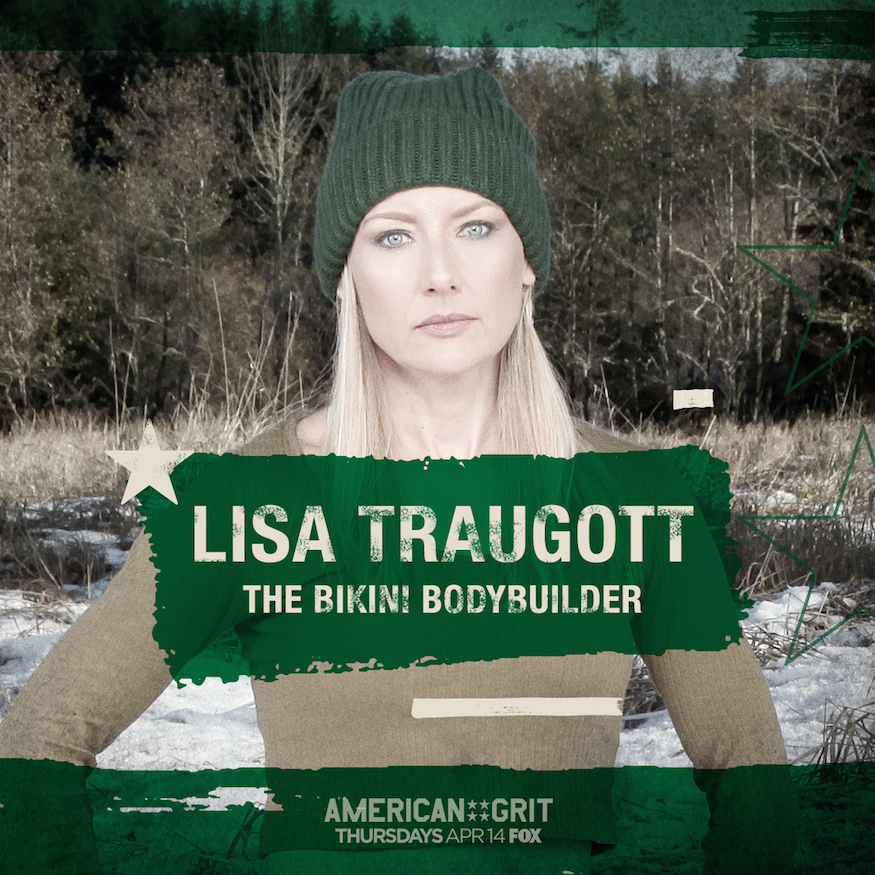
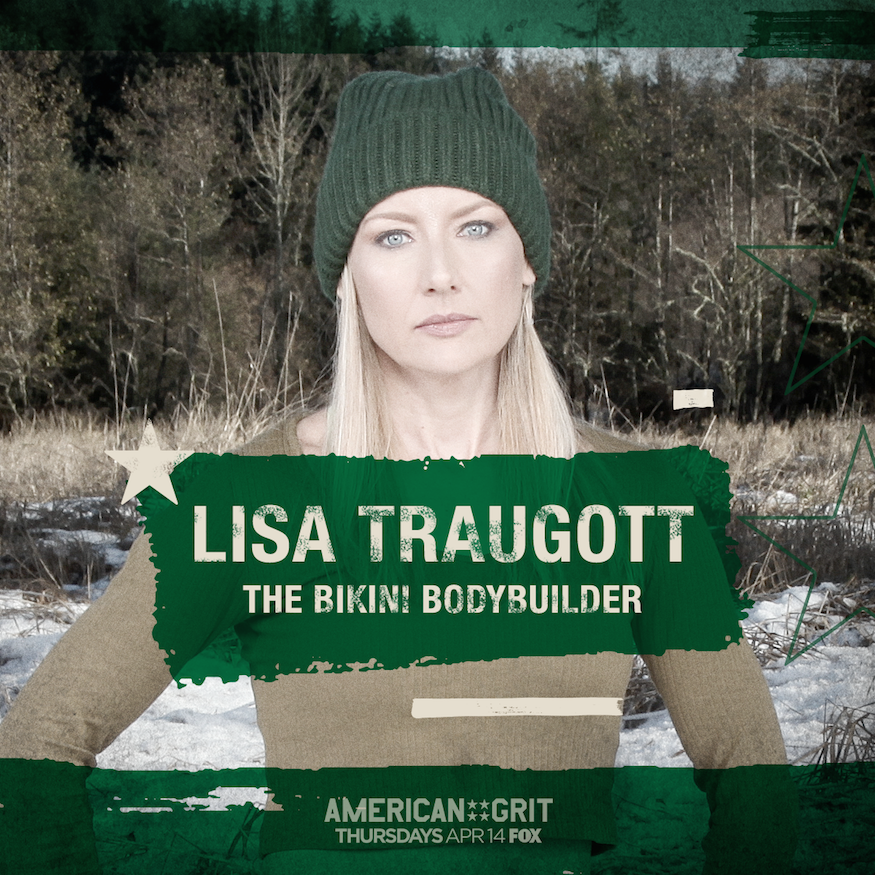
Bikini bodybuilder Lisa Traugott. Photography provided by ‘American Grit’ on FOX.
Local Austinite, author and bikini bodybuilder, Lisa Traugott, was cast on FOX’s military-inspired show “American Grit”. The show made its grand debut two weeks ago and the third episode, “Moving Camp”, will air this Thursday on April 28, 2016 at 8 PM CST.
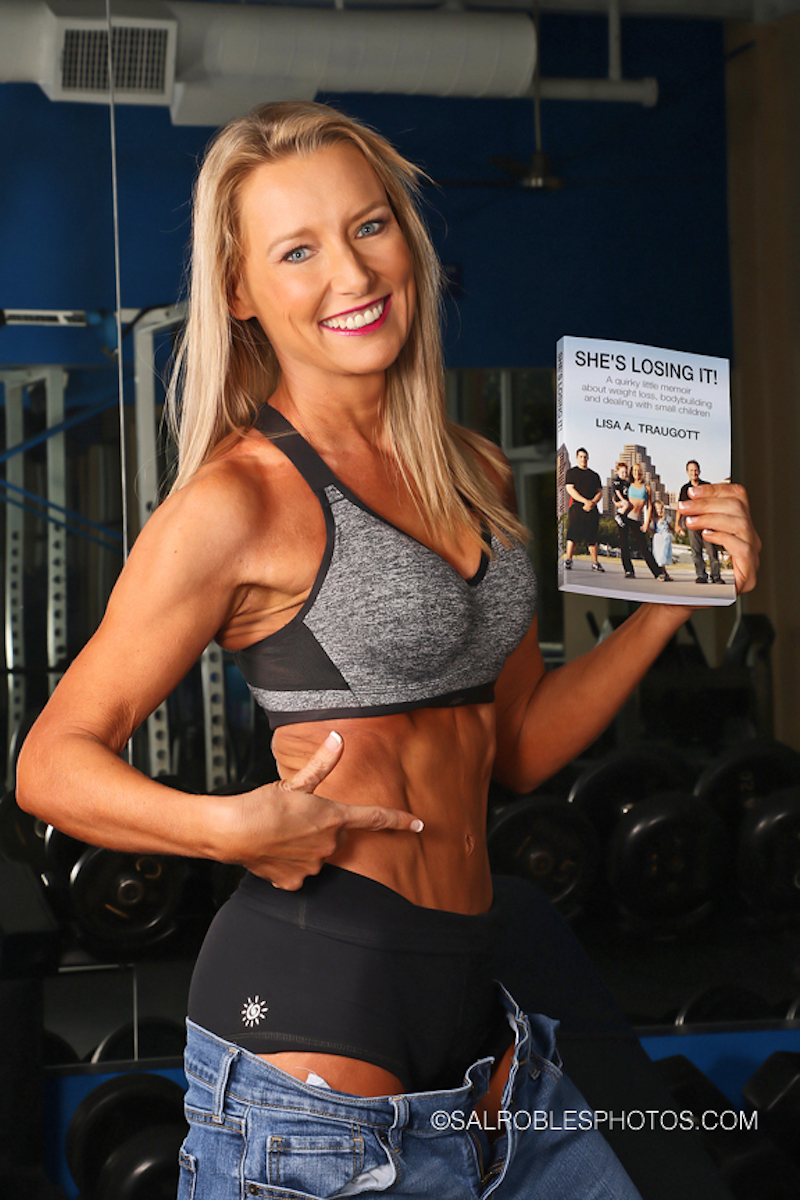
Prior to being cast for “American Grit” on FOX—Lisa Traugott wrote a book titled “She’s Losing it!”—a memoir about how she lost 50 pounds at the age of 38 by entering a bodybuilding competition. Over the course of two to three years, Traugott ascended from coming in dead last to the top three placings at bikini bodybuilding and sports model competitions. Sometimes competing against women half her age. (Traugott’s in her early 40’s.) Just last year Lisa won first place in the bikini contest at Texas State Naturals in 2015. And this weekend she will be competing at The Physique Showdown in Houston, TX on April 30, 2016 hosted by The Naturally Fit Federation.
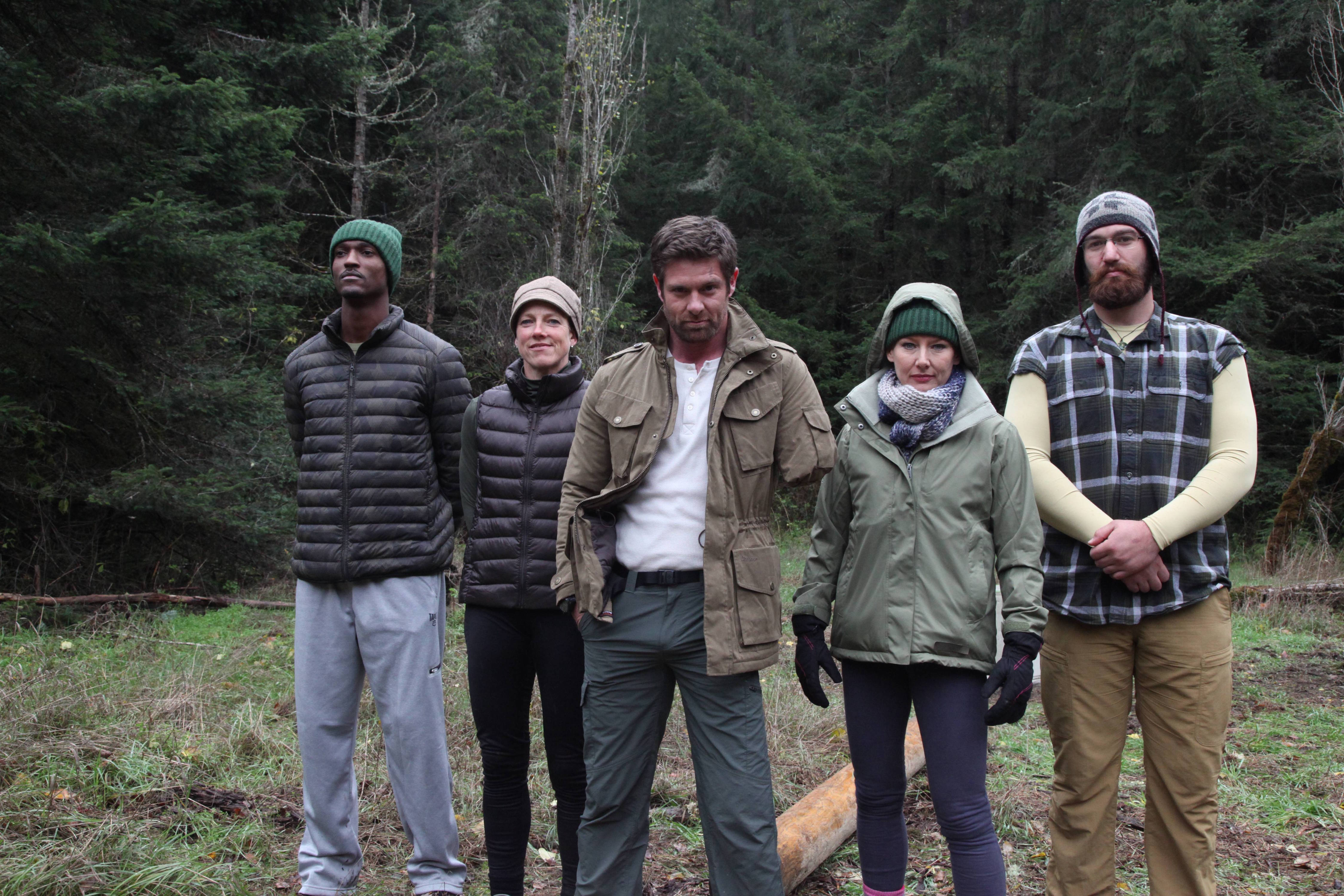
Last year Lisa Traugott was selected as a cast member for “American Grit” and it was a new experience for most of the crew, a different kind of fitness-inspired TV show with a unique edge. Stated on the show’s official website, “FOX has ordered ‘American Grit’—a 10-episode competition series starring WWE Superstar John Cena. Produced by Leftfield Pictures—sixteen of the country’s toughest men and women are split into four teams as they work together to face a variety of military-grade and survival-themed challenges. Cena and an elite group of mentors from the nation’s most exclusive military units will push these civilians beyond their limits. The mentors, known as “The Cadre,” include Rorke Denver, Noah Galloway, Tawanda “Tee” Hanible and Nick “The Reaper” Irving. These real-life heroes who represent diverse backgrounds and top branches of the U.S. Armed Forces will impart their first-hand knowledge and experience to help the competitors work together as teams to surmount near impossible mental and physical challenges. ‘American Grit’ embodies the military ethos ‘no man left behind’ because only the first team to complete the challenges together is safe from elimination. Each episode will culminate in “The Circus,” a punishing, endurance-based obstacle course designed to break the weakest competitors. With up to a million dollars of prize money at stake, this is the ultimate test of strength, grit, the human spirit and most importantly, teamwork.”
The day that FOX released “American Grit” onto television—Lisa Traugott spoke with Arts & Entertainment writer for Examiner, Nicolette Mallow, at Mozart’s Coffee Roasters waterfront to Lake Austin. The interview below includes anecdotes about Traugott’s journey to TV and the story that lead her to become a bikini bodybuilder.
Nicolette Mallow: Will you tell me about your background in bodybuilding and how you came to be on the show “American Grit”? What was the screening process to become a cast member was like? I’m curious to know how you discovered this show and what it required to make the cut.
Lisa Traugott: Going back to the start, last year in 2015 was a really tough time for me. My mother had advanced stage lung cancer and it was the same time my book was being released. Good and bad events happening at once; I was so stressed that I started gaining some of the weight back that I’d worked hard to lose. To keep myself grounded, I started with a new coach and entered The Arnold Classic, the second largest bodybuilding competition in the world. You have to be selected just to get in. At the time I was 41 and I was competing against women literally half my age. Plus, back then I had never won a competition, and not only had I never won, but I would always come in dead last. So even though I did not have an award-winning body, because I could write a really good cover letter. I was accepted… It was just such a weird time because my mother was in the hospital with pneumonia. And then the same day that her fever broke: I got a text saying that I was accepted into The Arnold. Right then I started jumping around the hospital room in excitement about the future competition. I recall my mother said to me in happiness, “That’s great! But what’s The Arnold?” It was so funny when she said that… But yeah, all the while she’s going through chemo and I am practicing my poses and lifting weights with my trainer, Robin Johnson Jr.. At the time I went to him and said, “The only thing I don’t want is that I just don’t want to come in dead last. I’ve set the bar really low for you as a trainer.” And Robin said to me, “No. That’s the bar that you’ve set for yourself. I have higher standards for you.”
NM: Wow. How did you feel when he said that?
LT: At that moment I realized that I was just afraid. Without meeting a single person, I had already decided that they were all better than me. So I had to kind of throw that mentality out the window. I ended up coming in 20th out of 38 contestants. Which was huge improvement compared to the rest. Plus, as I said before, this was an international competition against women half my age.
NM: Congratulations! That is huge improvement in regards to placement.
LT: Thank you. It was huge improvement. Five weeks later I did another bikini bodybuilding competition, a local show called the Texas Shredder. My mom said to me one day before the show that she had a dream, and in the dream I came in 3rd place at the competition. And it turned out that I did. I won 3rd place. It was nice because my mom got to see me win the award and hold the sword. Three weeks later she ended up passing away… It was just so intense because she died on May 4th and I gave her eulogy on Mother’s Day (May 10th). And then a week later I ran a Spartan Race with my kids. I used fitness to work through my grief and I kept competing and bodybuilding.
NM: That’s admirable you did something so healthy and empowering to get well and heal when it can be so easy for us to slip off into the deep and the dark during tough times. What happened next?
LT: Well thank you… During these competitions, I was blogging about all this and I started getting more readers. It started as something I did for fun. But then at the next show I placed third—and the show after that I placed second. Finally I had one month left. One month between the show I’d placed second and my last show to compete for the year 2015— I went hardcore and did 730 squats a day. How I was exercising and how hard I was training was a reflection of my focus and that I wanted to win.
NM: That is hardcore. So how did the final competition span out?
LT: It was down to me and one other girl, and I thought she had it. But when they declared my number it was so funny because the announcer said onto the mic, “Well, she might write ‘She’s Losing It!’ but she’s winning it tonight”.
NM: That was very clever of him. It’s also really impressive and inspiring how you won first place after coming in dead last with only a few years of experience.
LT: I was so happy! Soon after I placed first at Texas State Naturals, that’s when somebody from FOX called me.
NM: I see. So FOX sought you out for the show ‘American Grit’ and you didn’t initially apply? Obviously a lot of people were watching that competition.
LT: Yes. They told me they had been reading my blog and thought I was interesting and wanted me to audition for the show. When they told me it entailed military style endeavors I thought, “I’m not really qualified for this” and I wrote them saying I was not sure I was right for the role. But they encouraged me to apply and after speaking to a Producer. I sent in a video of my workout routine and my fitness story. Soon after I was flown out to LA and I realized that while I was there: 6,500 other people had auditioned. It blew my mind! In the end, I was one of sixteen cast members chosen for “American Grit”. From start-to-finish, it was an overwhelming, amazing experience that I will treasure for life.
NM: Which team were you cast for within the show? I read it was divided into four teams with four mentors (all Veterans), and it seems John Cena is sort of the head honcho of the reality show and directs all four teams? By the way, John Cena is a beast and I mean that as a compliment. I’ll bet it was fun to meet him and all the military personnel. I grew up with men in the military and the energy has become quite familiar to me over the decades.
LT: Yes, John Cena is such a wonderful person and I really enjoyed speaking with him. And yes, he is a beast! The teams were divided into four: two men and two women on each team. All teams lead by a military hero. My team leader was Noah Galloway, a retired Sergeant for the United States Army. Noah dropped out of college after 9/11 to join the military. During his second deployment, Sergeant Galloway was hit bit a roadside bomb and part of his left arm and most of his left leg were blown off and removed. Yet he still runs and stays fit and was even on the reality show “Dancing With The Stars”. Noah’s story is so inspiring and he really helped my crew and I throughout the process. He really focused on using fitness to deal with any personal problems. Noah was such a good, strong leader and he reminded us to stay humble. So that was sort of the mantra: stay humble… Noah also kept telling us to not focus on anybody or anything else, to keep our mind clear. He really knew that a lot of the struggle is mental, not physical. Noah helped us be the best we could be. He also told us not to pretend, to just be ourselves, and don’t change ourselves to be what we think someone else might want just cause we’re on TV. That helped me relax more given that I’d never been on a reality show before and didn’t know what to expect.
NM: Yes, being around such strong men and women, especially Veterans, would assist in keeping everyone mentally focused and determined… On a different note, let’s talk about the trailer of the show. When I saw it, I noticed that one moment when a woman collapses. Are you allowed to talk about that yet? Is she all right? What happened? I assume doctors were on the scene?
LT: Yes, she is O.K. and we were actually texting earlier. And yes, medical crew and an ambulance were always on site. Doctors were readily available. In the footage she’s taken to the hospital on the spot. What happened is they were jumping in-and-out of buckets of ice, dousing themselves in icewater during winter in the NW.
NM: Sounds almost as if the ice put her body in a state of shock. I can imagine that might happen due to intense and rapid changes in body temperature. I’m glad to hear all is well… Will you please tell me a bit about “She’s Losing It!” and what inspired you to make the blog and write the book?
LT: Aside from using fitness to heal my own life, part of the reason why I wanted to do this show and write a book and a blog. I kind of want to be like the “Rocky” for moms. I turn on the TV and it feels like nobody is fighting for middle-aged women or mothers. So I just wanted to let women know that I’m fighting for them. And that it’s O.K. to be scared and its O.K. to cry. It’s O.K. to feel like you’re not good enough. But to never give up and just take charge of your body and your life. Keep doing it, keep moving in the right direction and keep working. “She’s Losing It!” is like “Pumping Iron” only if Tina Fey played Arnold Schwarzenegger. Ultimately it’s like a “Rocky” story for moms who find the inherent humor in combining strength training with potty training.
NM: That’s very sweet and I know women have thanked you and will continue to thank you for sharing your empowering story. Any plans for the future? Will you write more books and continue to compete?
LT: Oh yes I have so much going on. I’ve got back-to-back competitions. I’m also going to be doing stand-up comedy. I have a thing where every year for my birthday: I scare myself. For my 38th birthday I entered a bodybuilding competition. For my 39th I jumped out of a plane. For my 40th I did pole dancing. And for my 41st I did a reality TV show. This year at 42 years, I am going to do stand up comedy for my birthday. In the end, it’s all so much fun. Also, after I wrote the book I suddenly had women writing me. The women expressed that they loved the memoir, but they were seeking more insights about diet, training rips, my routine and if I had a package for distribution or for sale. Recently I put all that together and it’s now on my website. I just finished filming it and basically it’s different from other programs because I go through the meal plans, exercise routines, a fitness library of exercies and then I have motivational videos. Talking about some of the things I was dealing with like self-sabotage, feeling vulnerable. Staying on track and what happens when you get off track, also I talk about how to deal with time management and having kids while getting fit. I write about how to deal with ‘mommy guilt’ and so I kind of cover all these different topics.
NM: Thank you for taking the time, today, to share your story. I look forward to learning from you.
For more information regarding bikini bodybuilder Lisa Traugott please visit her website at www.sheslosingit.com.
To watch previous episodes of “American Grit” on FOX, and to preview the cast or crew, please refer to www.fox.com/american-grit.
Note: This article was originally published on Examiner.com in April 2016.

































 Nicolette Mallow