Highlighter Series Interview: Voyage Austin

Note: This interview was published by Voyage Austin in the Highlighter Series of December 2025.

Good morning Nicolette, we’re so happy to have you here with us and we’d love to explore your story and how you think about life and legacy and so much more. So let’s start with a question we often ask: What makes you lose track of time—and find yourself again?

Daydreaming and writing can often compel me to lose track of time, yet simultaneously rediscover myself. Since I was little, daydreaming has been a joy of mine. The same applies to writing: if I begin my mornings with writing and I do not set a timer, I can lose track of time. Someone once advised me to allot time for daydreaming, the same way I plan time for any other habit like exercise, sleep, or meditation. Now, on the one hand, I think this is great advice to help keep me grounded and focused. But I also believe in giving your imagination permission to wander freely, to daydream naturally, without limits or timers. Regardless of how one daydreams, writing is so cathartic and evocative; it’s one of the only times I feel that I can truly be myself without hesitation. Writing it out—whether I share it with a friend, publish it, or keep it in a diary—helps me release everything that I’m bottling inside. The power of writing helped me find my voice, and that allowed me to speak my truth.

Can you briefly introduce yourself and share what makes you or your brand unique?

Yes, my artist bio is a great introduction to my career: Nicolette Mallow is an artist. Her journey began in performing arts and athletics, but her love for writing led to a career! Since college, Nicolette has covered numerous press events as a (dyslexic) writer. Her portfolio reflects a vast array of creative content, and she’s obtained 110+ publications in the US and Europe so far.

Mallow has interviewed an extensive list of diverse talent that inspired her along the way, including Greta Gerwig, Jimmy Chin, Bob Roth, Dr. Travis Stork, Joan Lunden, Jay Roach, and Roc Chen. She’s collaborated with companies and PR teams from Texas Monthly, National Geographic, Prevention Magazine, HBO Films, The Hollywood Reporter, SXSW, The David Lynch Foundation, The University of Texas at Austin, and more. Presently, her portfolio entails 12 national awards or scholarships, including both individual and group projects. Working with press and publicity teams from companies like Sunshine Sachs, Fons PR, Frank PR, and CW3PR — Mallow can liaise with publicists, entrepreneurs, and their brands.

Her career transcends many industries like AI content engineering, jewelry, publishing, sales, customer service, fashion, A&E, fine dining, and tech. But her focus always returns to the arts. Obtaining two degrees from the Savannah College of Art & Design (SCAD), Nicolette has a Master of Arts degree in Arts Administration and a B.F.A. in Writing.

Okay, so here’s a deep one: What breaks the bonds between people—and what restores them?

Lack of trust, lack of boundaries, and lack of communication break the bonds between most people, because it’s hard to respect someone that you don’t trust. And once that trust begins to deteriorate, it’s hard to move forward. We can restore trust by being honest with ourselves and transparent with others. We can restore trust by taking accountability and admitting when we are wrong. Likewise, we can heal broken bonds by opening our hearts to healing. Pride and ego destroy a lot of bonds as well; a lot of people would rather burn bridges than admit they were wrong or accept they’re a flawed human being (like the rest of us). But people often lie to themselves, and that leads me to another quote I love: “Above all, don’t lie to yourself. The man who lies to himself and listens to his own lie comes to a point that he cannot distinguish the truth within him, or around him, and so loses all respect for himself and for others. And having no respect he ceases to love.” —Fyodor Mikhailovich Dostoevsky

What’s something you changed your mind about after failing hard?

In the past, I somehow thought you could plan milestones and goals (success) like a to-do list. Alas, success does not operate on a timeline, and failure taught me patience. Life is not a grocery shopping list that you can check off and complete all at once. Think of it like booking a vacation: you can plan months or a year in advance, but the weather or illness might still cancel the flight and cause delays to your destination. Unlike travel insurance, where you can get your money back, there’s no such thing as insurance when it comes to your time. If life blows up in your pretty little face, there isn’t a number you can call to file a claim and get your time back. So I had to learn patience and adaptability. Failure forced me to learn how to show grace and compassion for myself when things don’t go to plan. Failure taught me that if things don’t work out, it wasn’t the right path for me, and instead of resisting failure, accept it and alter course.

Alright, so if you are open to it, let’s explore some philosophical questions that touch on your values and worldview. What’s a belief you used to hold tightly but now think was naive or wrong?

We have all heard the phrase “love is blind,” but it took a lot of unnecessary heartache for me to believe that true love does not conquer all. I wouldn’t relay any of this to little kids or teenagers, but past the age of college, we should start to embrace the stark reality that chemistry and compatibility are not the same. We can love someone who is all wrong for us, and therefore it’s not a healthy love. In the past, I based a lot of my choices in relationships upon the chemistry I was feeling instead of looking at compatibility and character. We should not only want someone we share chemistry with, because passion and excitement are important. But I didn’t use to consider the bigger, long-term realities: Is this person safe? Is this person kind? Are they trustworthy? Do we share the same values? Can they regulate their emotions when angry? Are they emotionally mature? Do they have a strong work ethic? Are they honest? Do their actions match their words? Do they take care of themselves and have healthy boundaries? Etc… This fanciful, romanticized idea that “true love conquers all,” solely based on the chemical dopamine hits we get from falling in love, is incredibly naive, self-destructive, and foolish. I now seek chemistry and security (instead of simply chasing my passions, because the word “passion” has both negative and positive connotations). The truth is, there’s no such thing as a perfect relationship, and love won’t keep the lights on. Having said this, I’ve never had a relationship that was solely based on security because without passion it’s lifeless and boring like a dial tone. Finding that balance of passion and security is lucrative to your peace! There’s a quote from the movie How to Make an American Quilt that I adore: “Young lovers seek perfection. Old lovers learn the art of sewing shreds together and of seeing beauty in a multiplicity of patches”.

Okay, so before we go, let’s tackle one more area. How do you know when you’re out of your depth?

My body will tell me when I am out of my element, and I’ve pushed my boundaries too far. We all have intuition, but some people are more naturally in tune with their instincts (a skill that we can all learn or enhance). Years ago, I was guilty of ignoring my gut instincts, and I used to rationalize my anxiety or trepidations around a person, place, or thing. Like I just needed to take a deep breath and let it go, or I kept making excuses for other’s bad energy. Even with all the rationalization, the angst in my gut never really went away in certain environments; I simply became masterful at disassociating from it. After learning the hard way one too many times or making myself physically sick from stress—I now know that if my nervous system is lighting up like a pinball machine, it’s not cutesy “butterflies in the stomach,” and it’s not something to be ignored. Because that is my instinct warning me that something is awry, toxic, or dangerous. If something feels wrong in your gut, listen closely and honor your body

https://voyageaustin.com/interview/story-lesson-highlights-with-nicolette-mallow

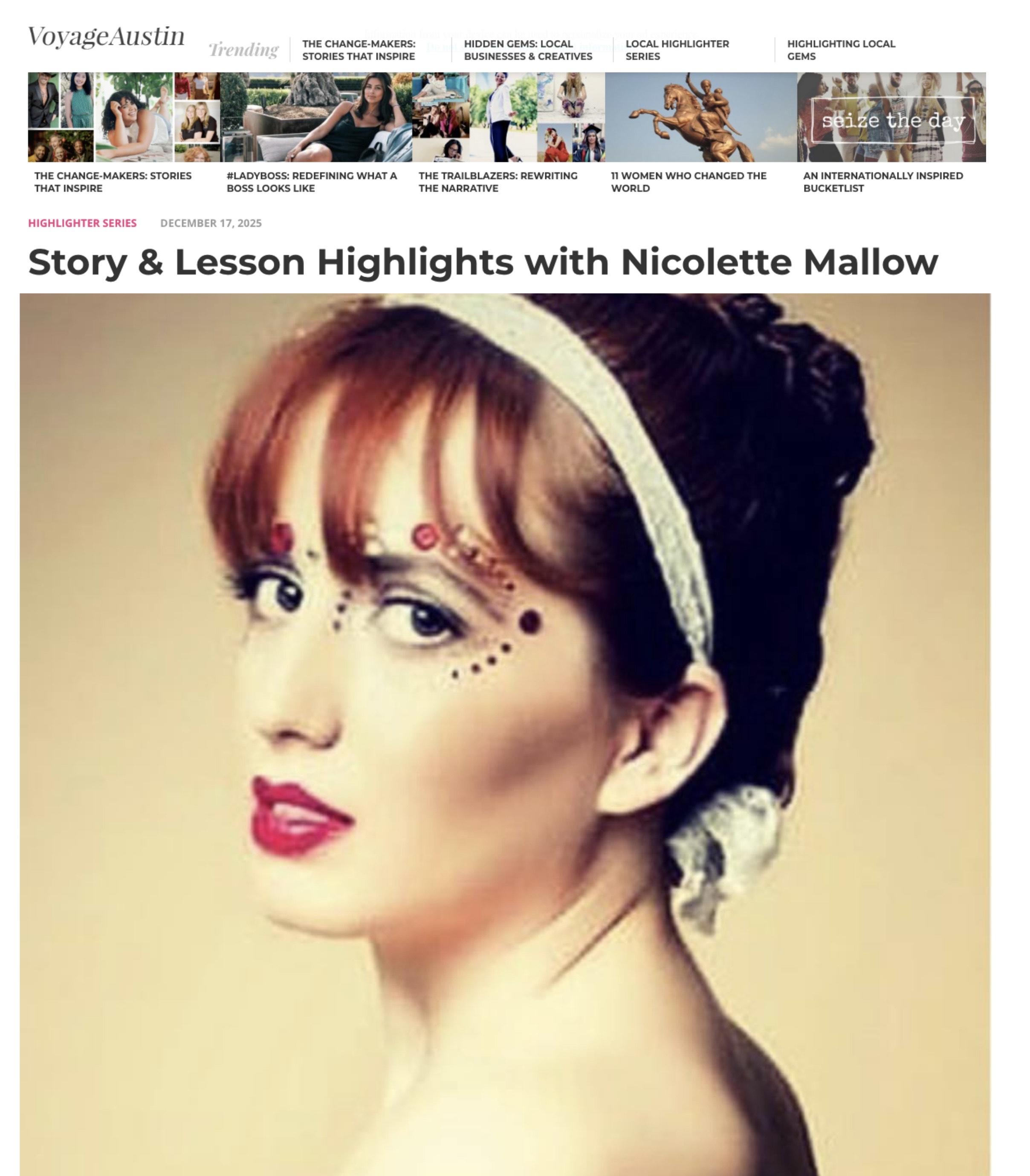
Photography : Steve DeMent
Make-up/Hair: Summer Edwards
Jewelry Head Piece: Adrian Nichole Amiro
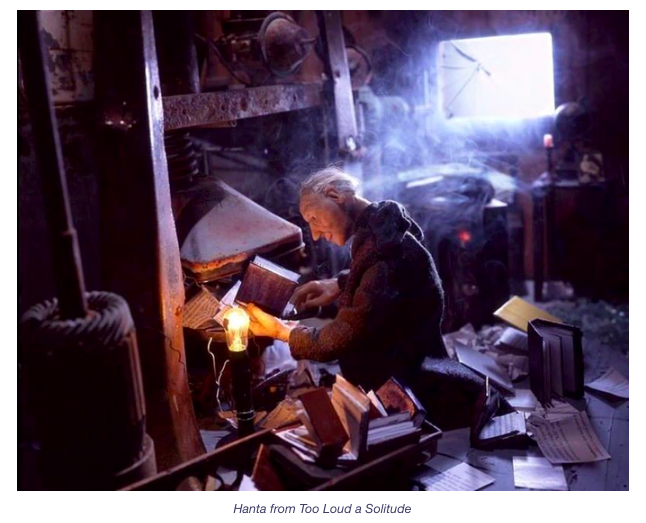
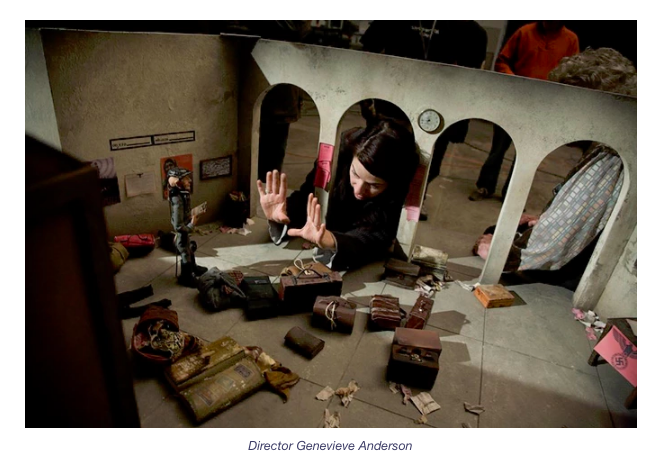
Příliš hlučná samota: Production crew raises funds for film about Czech writer Bohumil Hrabal’s novel “Too Loud A Solitude”

screen-shot-2016-10-19-at-8-17-03-pm


“My education has been so unwitting I can’t quite tell which of my thoughts come from me and which from my books, but that’s how I’ve stayed attuned to myself and the world around me for the past thirty-five years. Because when I read, I don’t really read; I pop a beautiful sentence into my mouth and suck it like a fruit drop, or I sip it like a liqueur until the thought dissolves in me like alcohol, infusing brain and heart and coursing on through the veins to the root of each blood vessel.” – Bohumil Hrabal

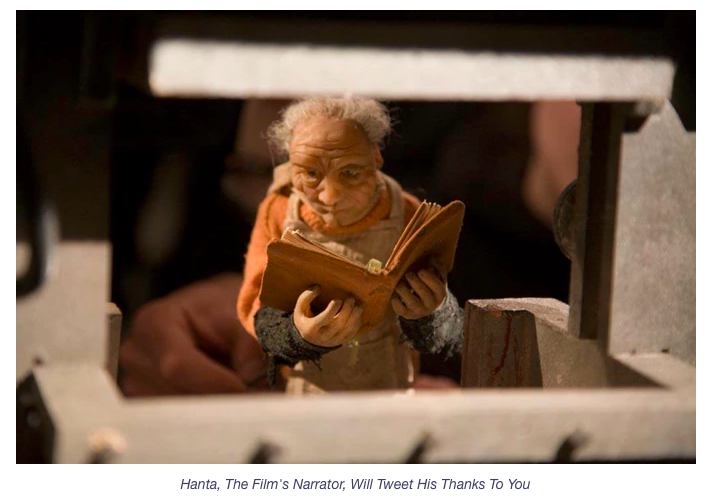
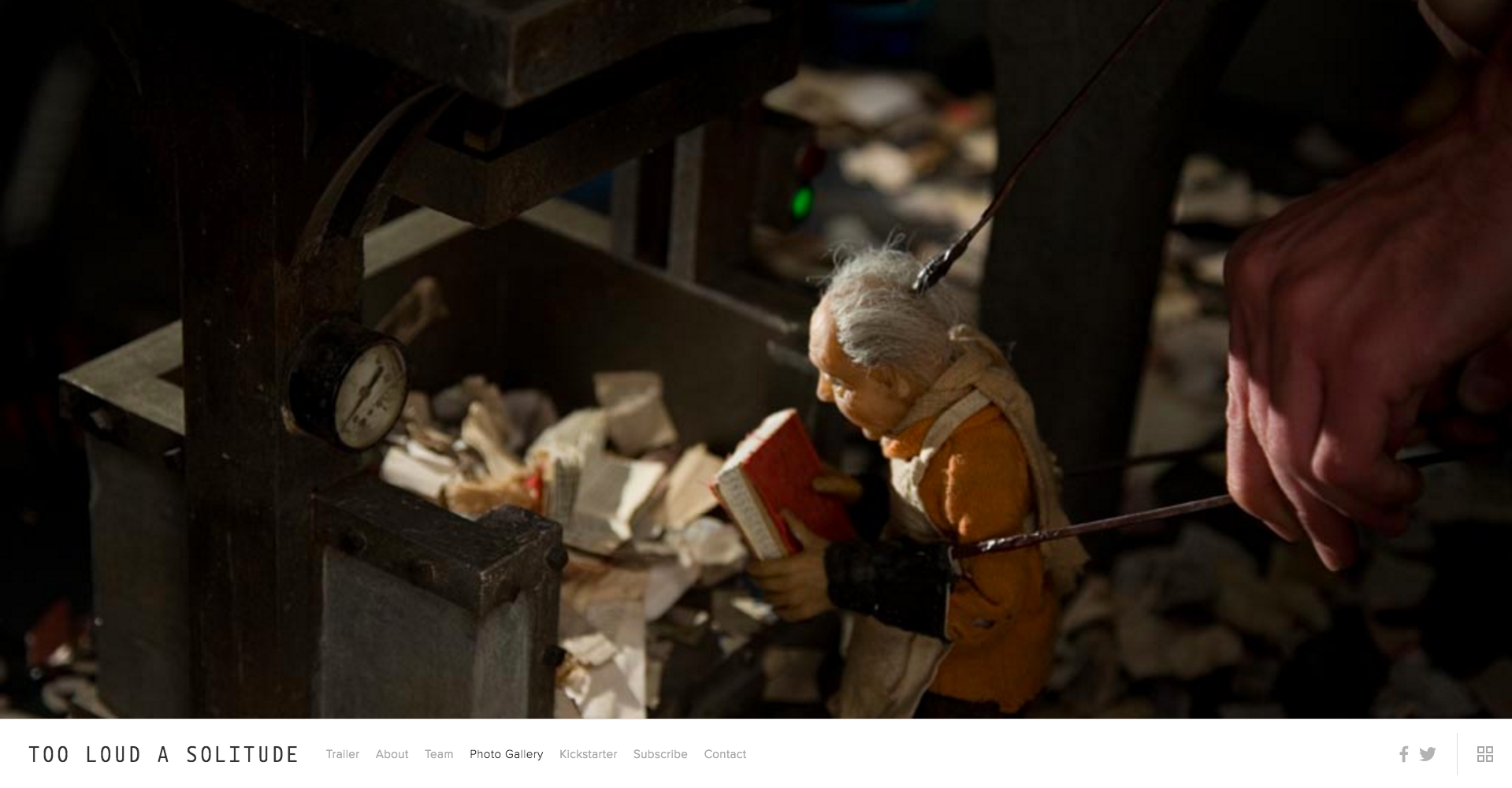
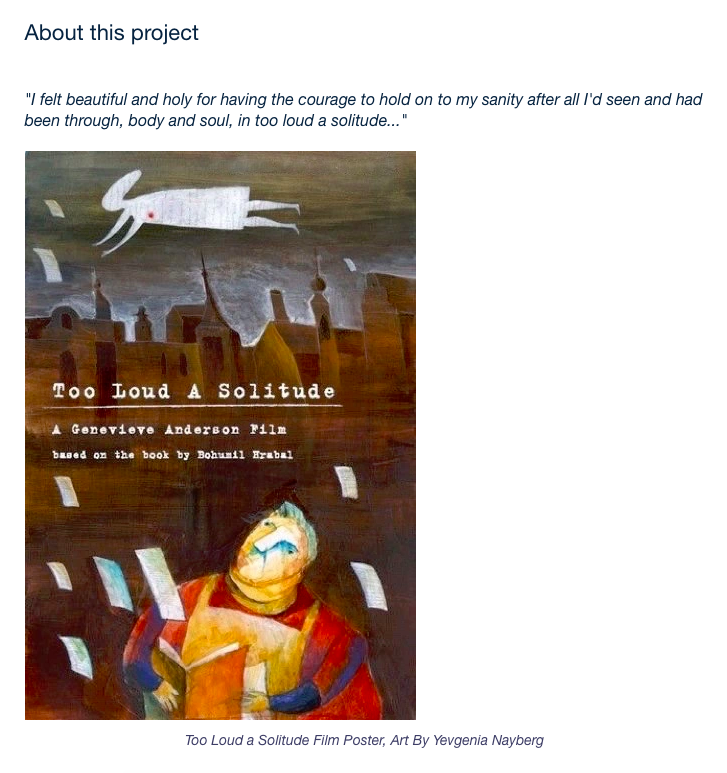
An imaginative production crew seeks to fundraise resources to launch a full-length feature film about Czech writer Bohumil Hrabal’s novel, Too Loud a Solitude.  Directed by Genevieve Anderson and starring Paul Giamatti as the voice of Hanta, Too Loud A Solitude (Příliš hlučná samota) is a feature adaptation of Bohumil Hrabal’s beloved book made with live action puppets, animated sequences and visual effects.

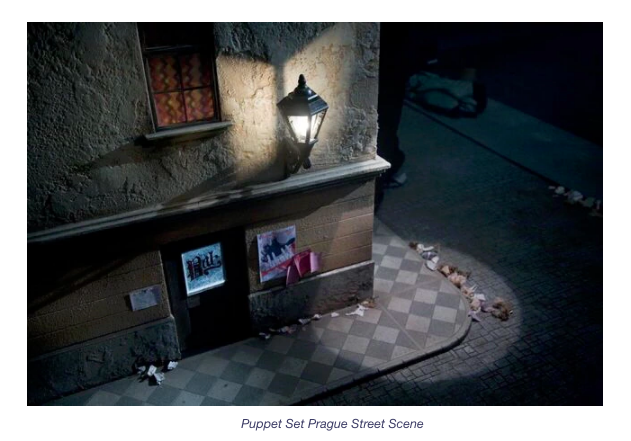
This globally famous novel is about a book crusher, Hanta. Watching the trailer of Too Loud A Solitude is like entering a magic portal to another dimension where Bohumil Hrabal’s book takes place in a world of puppetry.  An intimate, sneak peek to Hanta’s daily life and his private love affair with the books and their stories. A mirror reflection of Hrabal’s writing voice and how each book he created almost seems to be a personal letter written to each individual reader as opposed to the masses. As the camera soars in over the skyline of the town and we see gears grinding, scraps of papers tossed about and a city that seems to be very cold and quiet. Characters bundled up in many layers, speaking to each other without speaking as they go about daily life. The music is hypnotic and dreamy with its romantic yet haunting tune of a melancholy violin. 

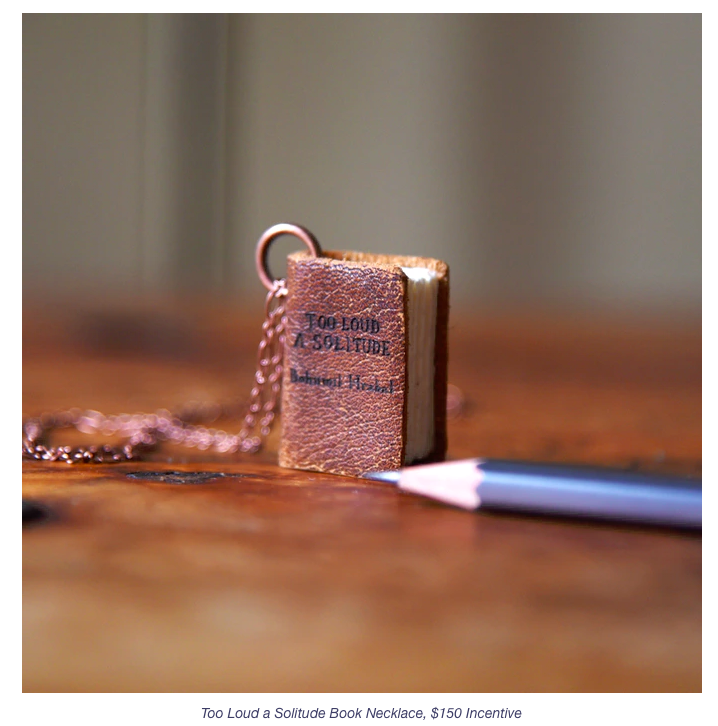
Too Loud a Solitude is the story of a waste compactor, Hanta, who was charged with destroying his country’s great literature in his humble press, and who fell so in love with the beautiful ideas contained within the books that he began secretly rescuing them – hiding them whole inside the bales, taking them home in his briefcase, and lining the walls of his basement with them. It became one of the defining books in Czechoslovakia’s history for its unsentimental, humorous, painfully relevant portrayal of humankind’s resilience. The story of Hanta’s quest to save the world of books and literature from destruction is often cited as the most beloved of Hrabal’s books. Too Loud a Solitude has a global fan base and an active community of support has emerged for our feature film project. The book has been translated into 37 languages and sold over 70,000 copies of Michael Henry Heim’s English translation alone. Bohumil Hrabal wrote the novella as an unsentimental account of what happened to him during the Russian occupation of Czechoslovakia during the 40’s and 50’s. Many of Hrabal’s books were banned by the Russian regime and other great books by many authors were physically destroyed, an act Hrabal characterizes in Too Loud a Solitude as ‘crimes against humanity’… Our team has been committed to bringing Czech writer Bohumil Hrabal’s beloved novella Too Loud a Solitude to the screen since 2004. With the assistance of The Rockefeller Media Arts Foundation (now the Tribeca Film Institute), Heather Henson and Handmade Puppet Dreams, and The Jim Henson Foundation, we completed a 17 minute sample of the film in 2007. The film has been playing nationally and internationally in the Handmade Puppet Dreams program, and in 2009 was awarded an UNIMA-USA citation of excellence. We are currently working on financing the feature project, first through a Kickstarter start-up funds campaign and then through partnership with other financing and production entities. Our intention is to enlist the support of the book’s global fan base and expand its already impressive audience. We’re down to two weeks left in our Kickstarter fundraising campaign and are continuing to do outreach work to drum up more support for our project. We seek to raise $35,000 to cover the costs of puppet design, armature creation, motion exploration, character development, costume design, and visual effects.”

For more information about the film, please visit www.tooloudasolitude.com.screen-shot-2016-10-19-at-8-16-58-pm “For thirty-five years now I’ve been in wastepaper, and it’s my love story…I am a jug filled with water both magic and plain; I have only to lean over and a stream of beautiful thoughts flows out of me.”screen-shot-2016-10-19-at-8-16-25-pm

screen-shot-2016-10-19-at-8-16-51-pm

“I felt beautiful and holy for having the courage to hold on to my sanity after all I’d seen and had been through, body and soul, in too loud a solitude.”

Top Drawer opens a second thrift shop in the heart of Austin

Photography provided by Top Drawer and Project Transitions.

PT logo

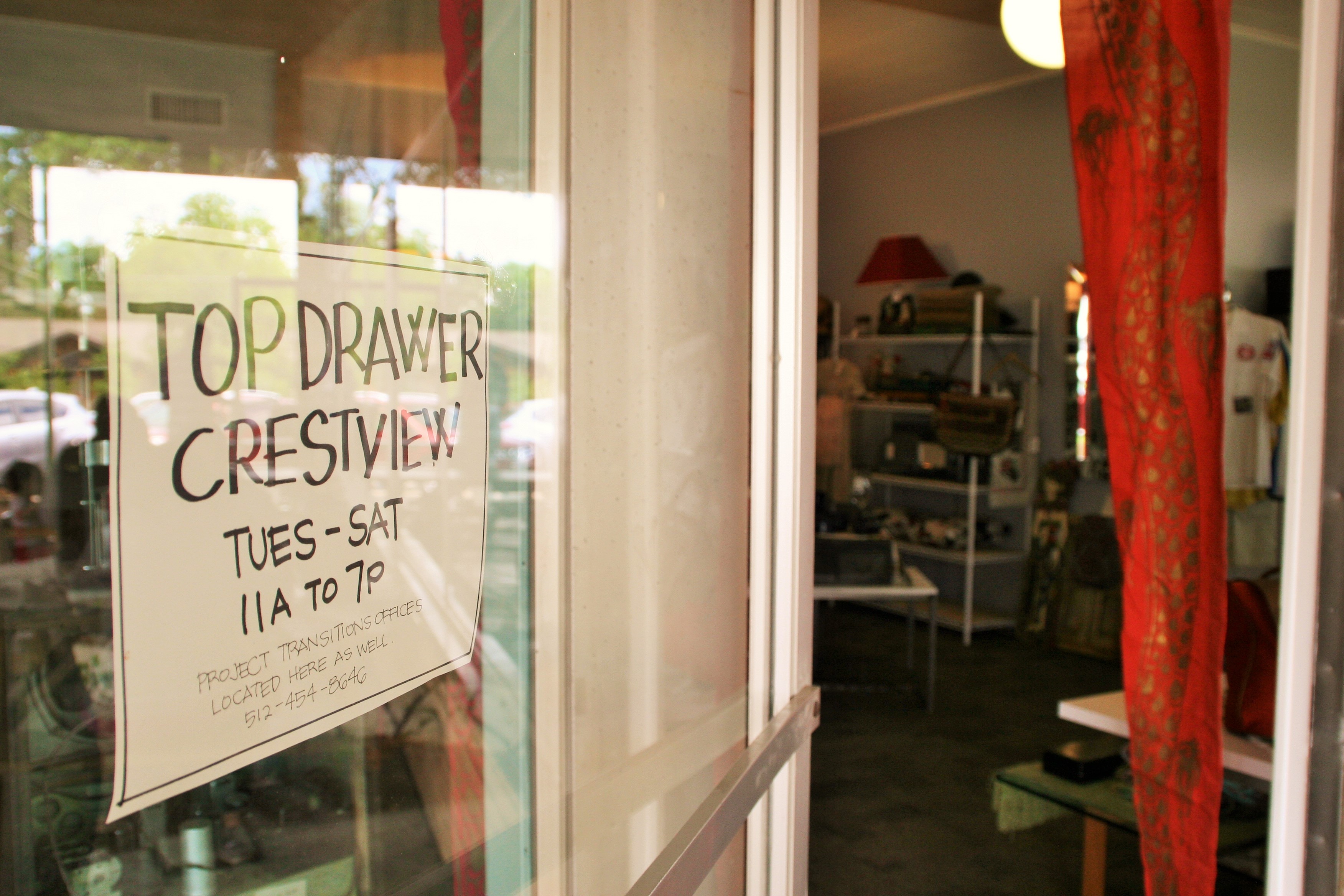
A welcome party was held in honor of Top Drawer’s second thrift shop located in the Crestview neighborhood within the heart of Austin, Texas. This newly released thrift shop operated by Top Drawer opened its doors earlier this spring. However the official party was hosted at 7101B Woodrow Avenue on May 15, 2016, the exact date as the International AIDS Candlelight Memorial. Top Drawer Thrift is the social enterprise arm of Project Transitions. “Since 1988, Project Transitions is a non-profit dedicated to serving people with HIV and AIDS by providing supportive living, housing and hospice in compassionate and caring environments.” Top Drawer’s original location on Burnet Road has been open since 1993, always sustaining a focus to sell items in support of Project Transitions. To this day, all proceeds directly benefit the programs of this nonprofit and volunteers mostly run the shops.

Arts and Entertainment Writer, Nicolette Mallow, interviewed the Manager of Top Drawer thrift shop, Karin Kokinda. The two spoke of donations, the history of the shop and how the employees often get sentimentally attached to the pieces. (An audio recording can be found on YouTube.)

“I can’t begin to tell you how excited Project Transitions is to dive into this new experiment. For over 20 years we’ve had the Top Drawer location at 49th and Burnet and it has been amazingly successful and popular,” said Karin Kokinda, Top Drawer’s manager. “The new store gives us the opportunity to showcase some of the more special and unusual items that are generously donated.”

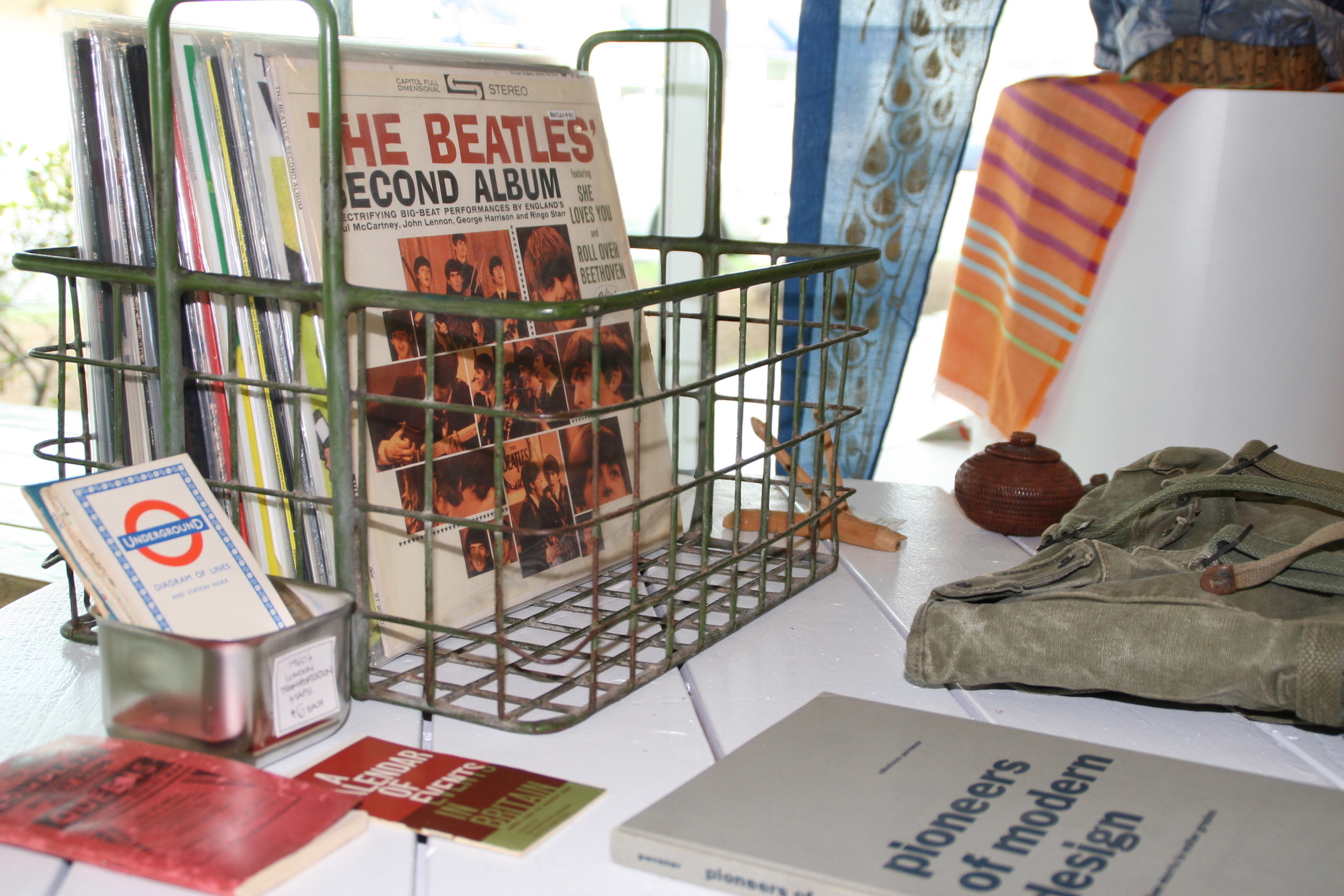
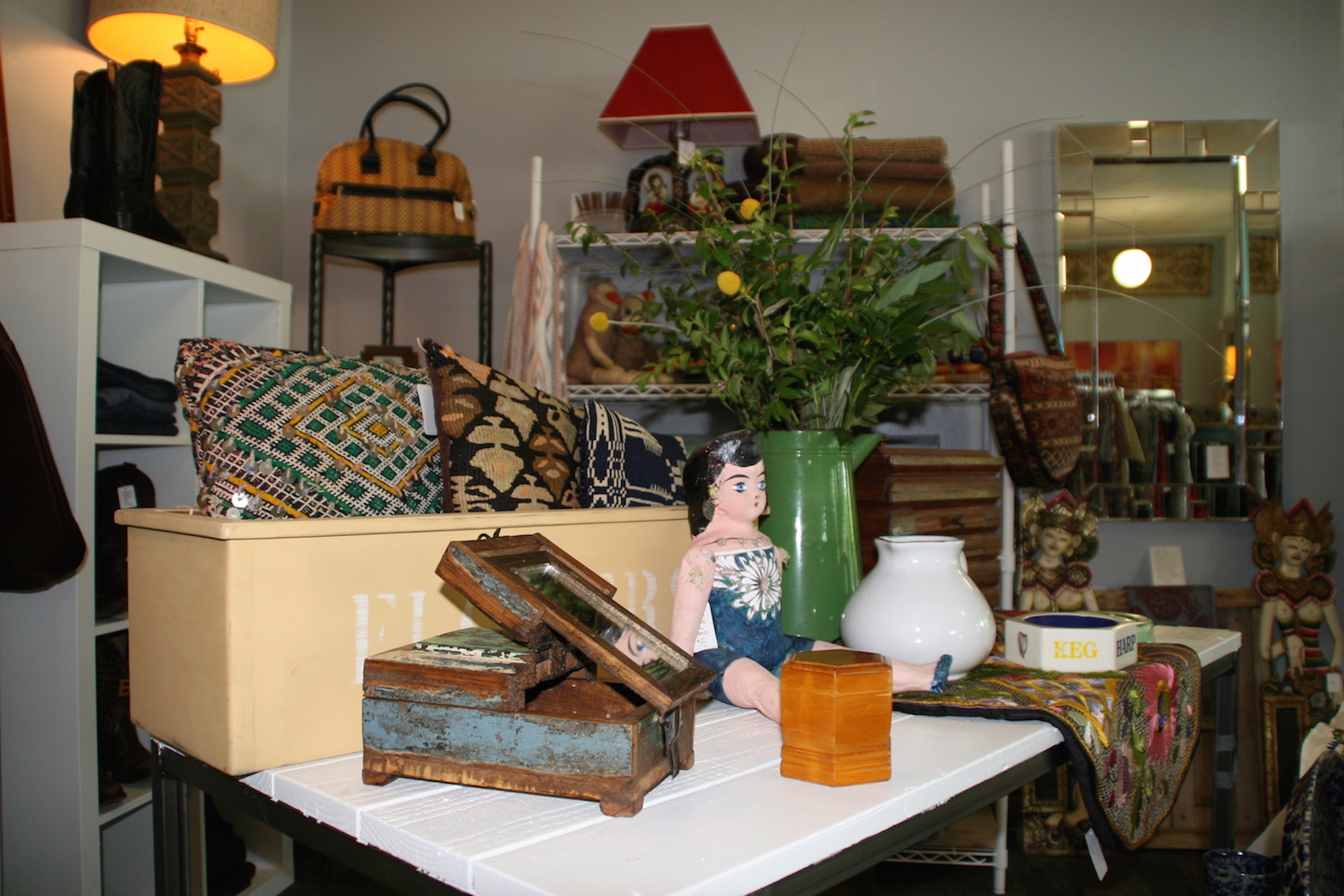
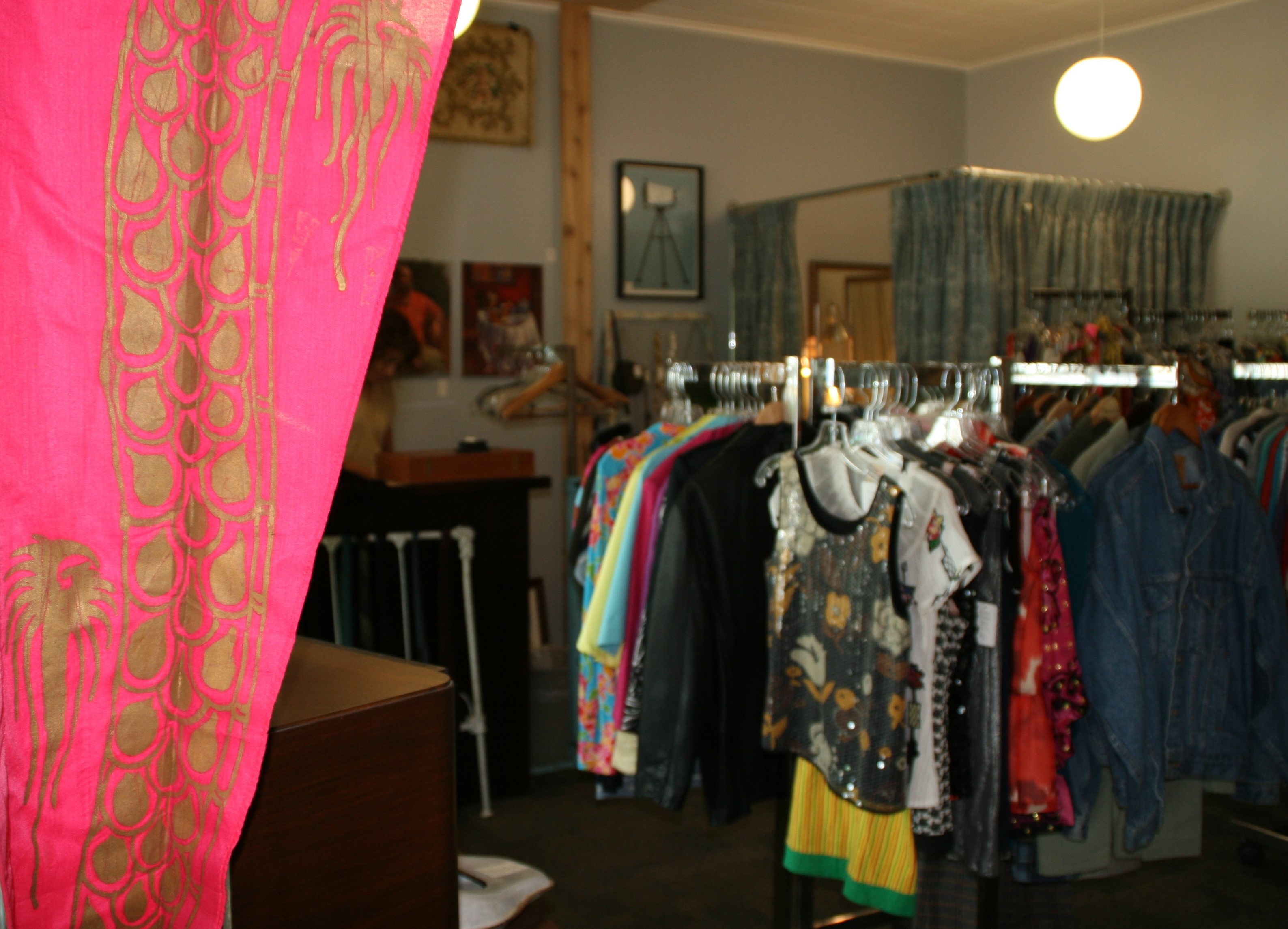
The welcome party at Top Drawer’s second shop in Crestview featured complimentary wine, fruits, cheeses and crackers. All items were 20% off during the party. Entering the thrift shop, guests will notice it’s like an infusion of a high-end fashion boutique, antique library, art gallery and a retro thrift shop with vinyl records and other goodies of the past. Inside the store there is something to be desired for purchase by anyone and everyone. Top Drawer is beautifully decorated and arranged to where the space is filled top-to-bottom with inventory, and yet it does not feel crowded or scattered. The room is neatly organized and the eyes can never get bored. Boots, dresses, books, tables, lamps, giant mirrors, old cameras, artwork, imported goods and other miscellany are available for purchase.

Arts and Entertainment Writer for Examiner, Nicolette Mallow, attended this special event and purchased a lovely, handmade Italian brown leather notebook as a keepsake and a literary diary. After the purchase, Mallow interviewed the Manager of Top Drawer, Karin Kokinda. The two spoke of donations, the history of the shop and how the employees often get sentimentally attached to the pieces. To hear the interview, please click on the video above.

To contact Top Drawer Crestview about acceptable items or more information, please call 512-454-5161. The store hours of operation are 11 A.M. to 7 P.M. every Monday through Saturday. Donations will continue to only be accepted at the Burnet location. For more information about Project Transitions, please visit www.projecttransitions.org or call 512-454-8646.

“It’s a collaboration between the community and Project Transitions. It starts with our donors who provide our inventory, then our loyal customers that come shop in our store, and finally, our clients who directly benefit from 100% of the proceeds,” said Madge Whistler, Project Transitions Financial Administrator.

 Note: This article was originally published on Examiner.com in June 2016.  

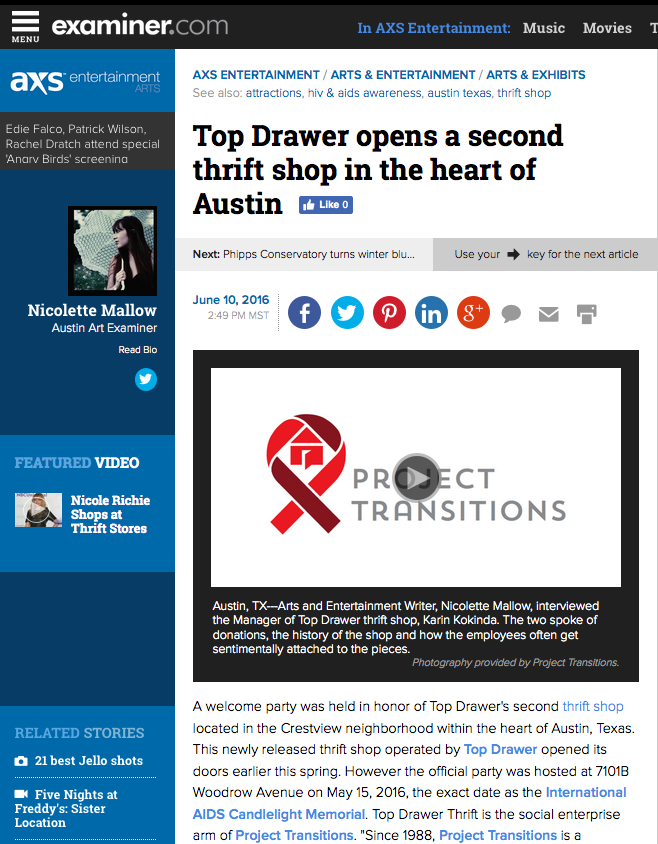
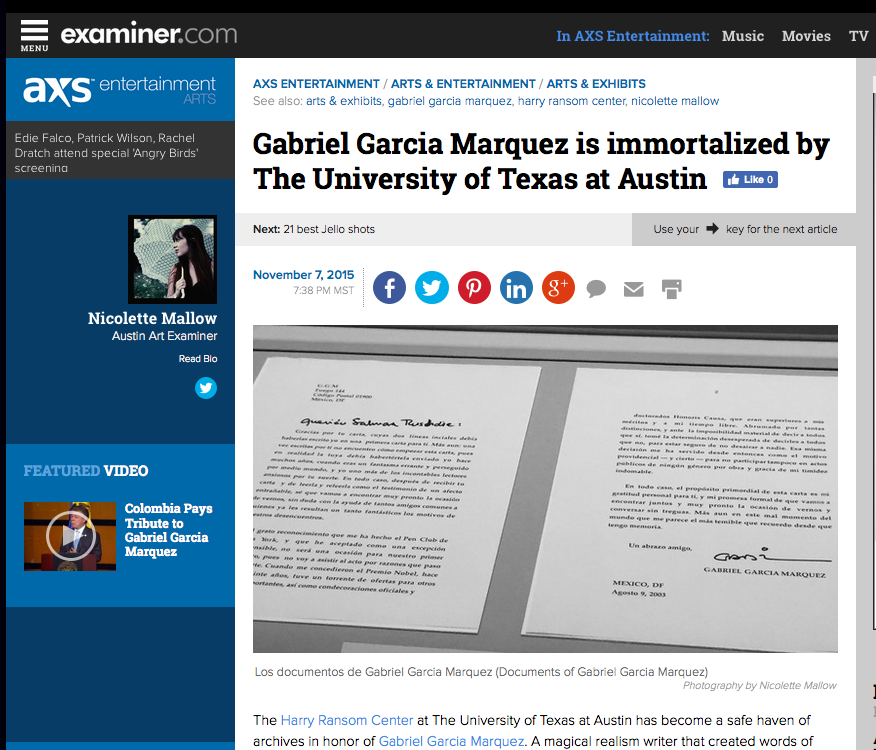
Screenshot from the original publication on Examiner.com.

Gabriel Garcia Marquez is immortalized by The University of Texas at Austin

nicolette mallow
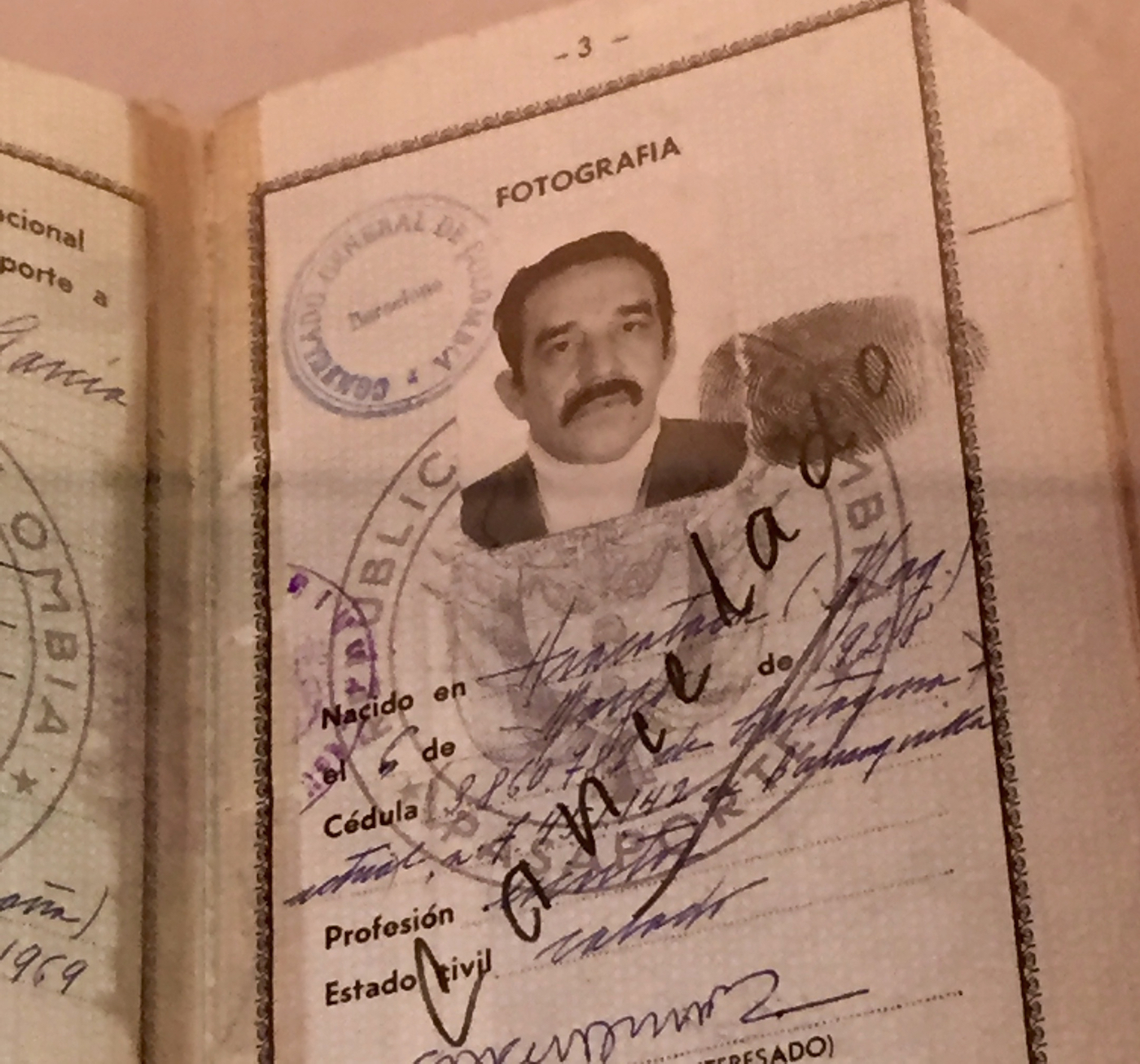
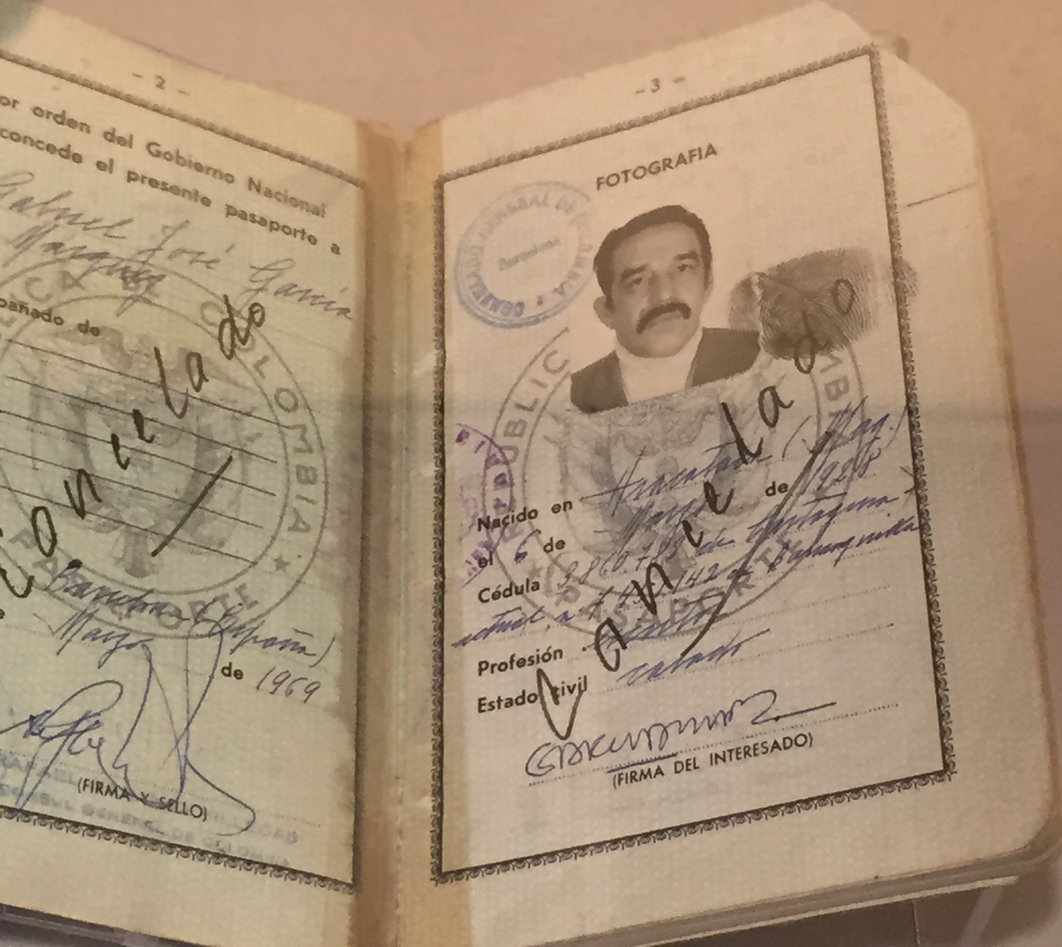
Pasaporte de Gabriel Garcia Marquez, 1969-1976. Photography by Nicolette Mallow.

The Harry Ransom Center at The University of Texas at Austin has become a safe haven of archives in honor of Gabriel Garcia Marquez. A magical realism writer that created words of mysticism, beauty, love and tragedy; Marquez, also known as Gabo, had an eternal voice that was so unique it created its own genre of writing. Marquez takes readers to another dimension within reality, like magic, and he is able to evoke heartfelt emotions that linger like the smell of fine perfume in the air, or tender kiss on the skin.

  • nicolette mallow
  • nicolette mallow
  • nicolette mallow
  • nicolette mallow

According to the Harry Ransom Center, “More than 75 boxes of documents constitute the archive of the Colombian-born author, journalist, screenwriter and key figure in Latin American history and politics. Researchers will have access to manuscript drafts of published and unpublished works, correspondence, 43 photograph albums, 22 scrapbooks, research material, notebooks, newspaper clippings, screenplays and ephemera.”

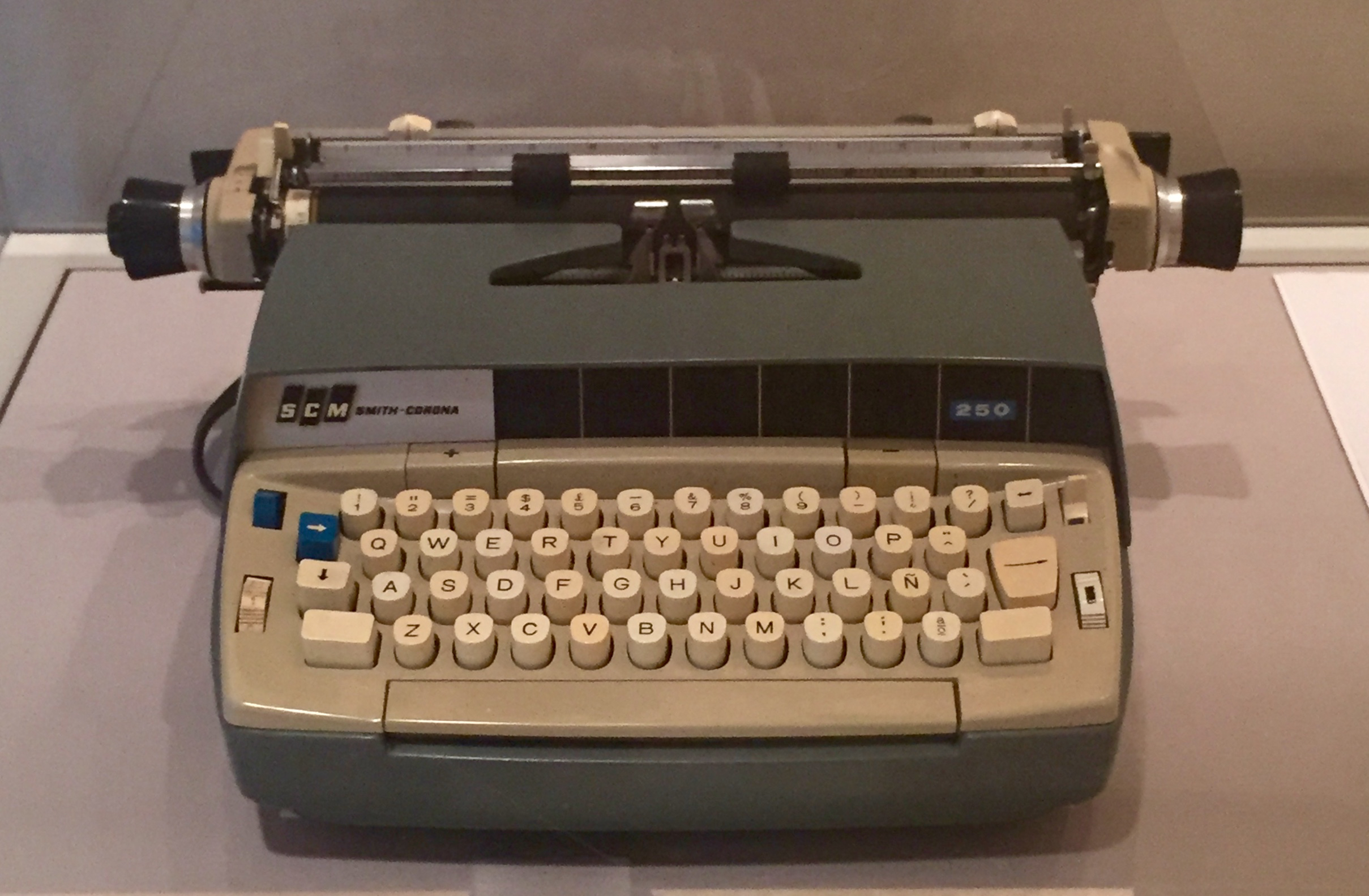
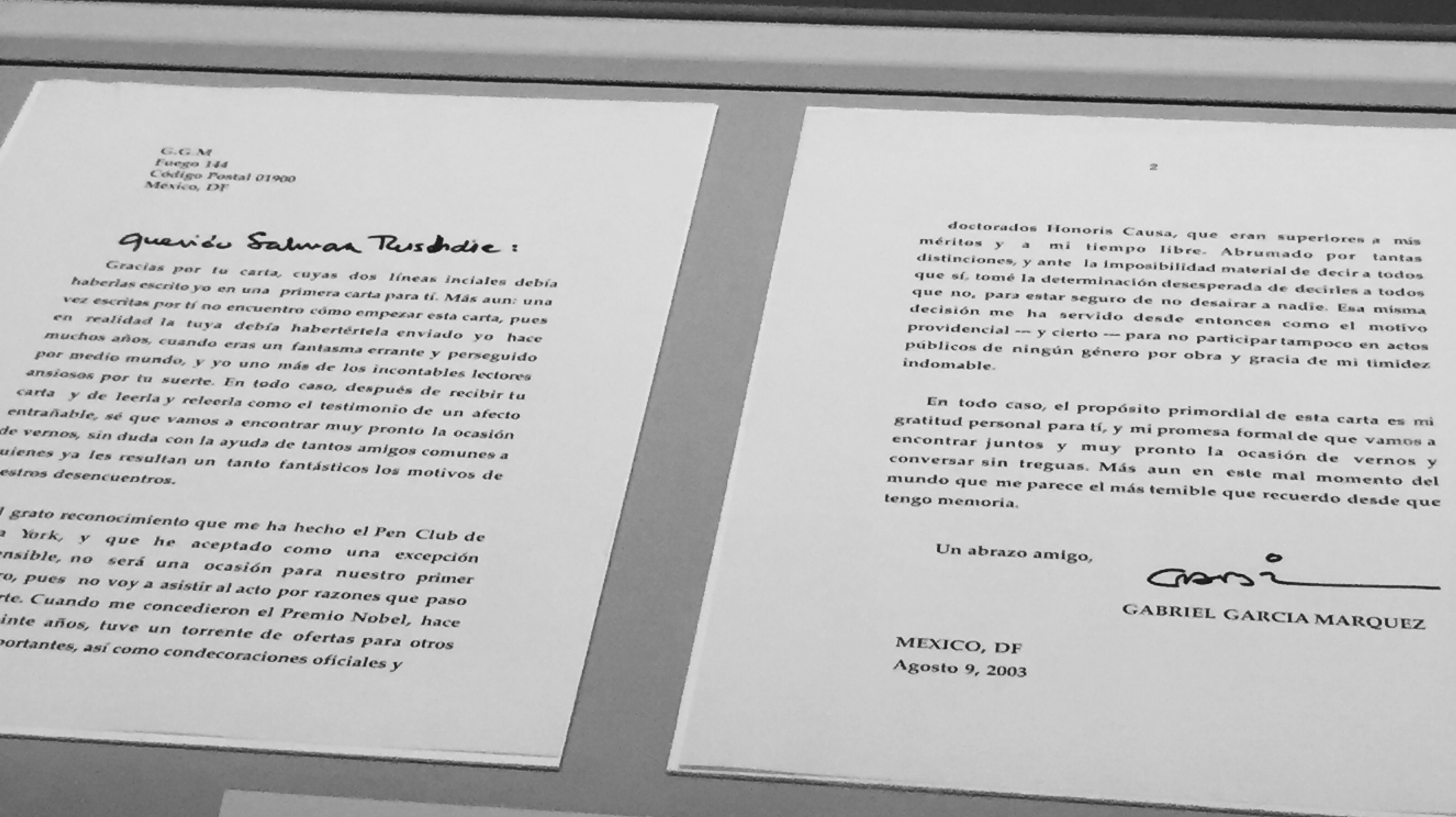
Also on display within the library and museum are a few glass encasings for viewers to admire entailing the following artifacts: Gabriel Garcia Marquez’s passport, edited transcripts, his Nobel Prize acceptance speech, a letter to US President Jimmy Carter, and edited chapters of his book. Within one of the display cases on the first floor, guests can regard the Smith-Corona 250 typewriter that Marquez used to write so many of his stories. To imagine his hands working on all those keys. Touching all those keys thousands upon thousands of times as he wrote stories that would fill the world with magic. It was a remarkable experience to see the typewriter that he used to write. And it was a delight to see his handwriting in Spanish amongst all the edited transcripts, letters and chapters of his books.

Born the year of 1927 in Colombia, last year in 2014 Gabriel Garcia Marquez died of pneumonia in Mexico City. A great artist was lost that day. The New York Times ran an article soon after the writer passed in 2014 that read, “Mr. García Márquez, who received the Nobel Prize for Literature in 1982, wrote fiction rooted in a mythical Latin American landscape of his own creation, but his appeal was universal. His books were translated into dozens of languages. He was among a select roster of canonical writers — Dickens, Tolstoy and Hemingway among them — who were embraced both by critics and by a mass audience. Mr. García Márquez was a master of the literary genre known as magical realism, in which the miraculous and the real converge. In his novels and stories, storms rage for years, flowers drift from the skies, tyrants survive for centuries, priests levitate and corpses fail to decompose. And, more plausibly, lovers rekindle their passion after a half-century apart.”

In order to view the archives in the reading room, guests make partake in an online orientation video before requesting an appointment to visit. The display cases will be open to the public until November 11, 2015. For more information about the archives, the display cases or The Harry Ransom Center: please visit their website at http://www.hrc.utexas.edu.

“Así termino pensando en él como nunca se hubiera imaginado que se podía pensar en alguien, presintiéndolo donde no estaba, deseándolo donde no podía estar, despertando de pronto con la sensación física de que él la contemplaba en la oscuridad mientras dormía, de modo que la tarde en que sintió sus pasos resueltos sobre el reguero de hojas amarillas en el parquecito, le costó trabajo creer que no fuera burla de su fantasía.” – Gabriel Garcia Marquez (El Amor En Los Tiempos Del Colera).

“And so she thought about him as she never could have imagined thinking about anyone, having premonitions that he would be where he was not, wanting him to be where he could not be, awakening with a start, with the physical sensation that he was looking at her in the darkness while she slept, so that on the afternoon when she heard his resolute steps on the yellow leaves in the little park it was difficult for her not to think this was yet another trick of her imagination.” – Gabriel Garcia Marquez (Love in the Time of Cholera).

Note: This article was originally published on Examiner.com in November 2015.