Dr. Travis Stork gets to the heart of the matter at Prevention’s R3 Summit

nicolette mallow

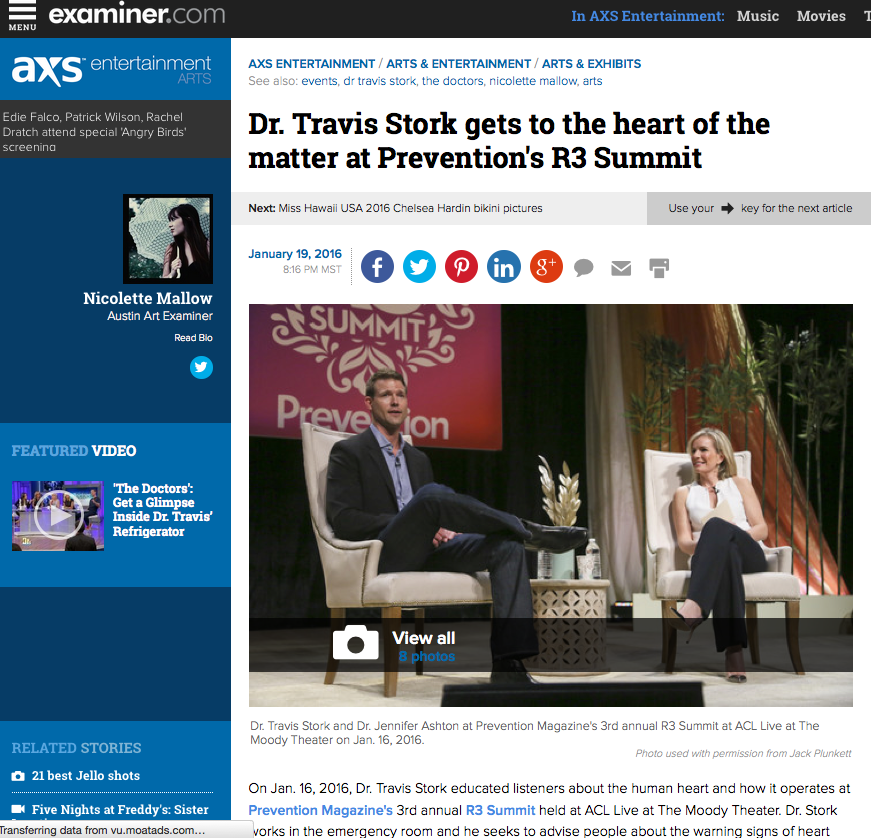
Dr. Travis Stork. Photography by Jack Plunkett.

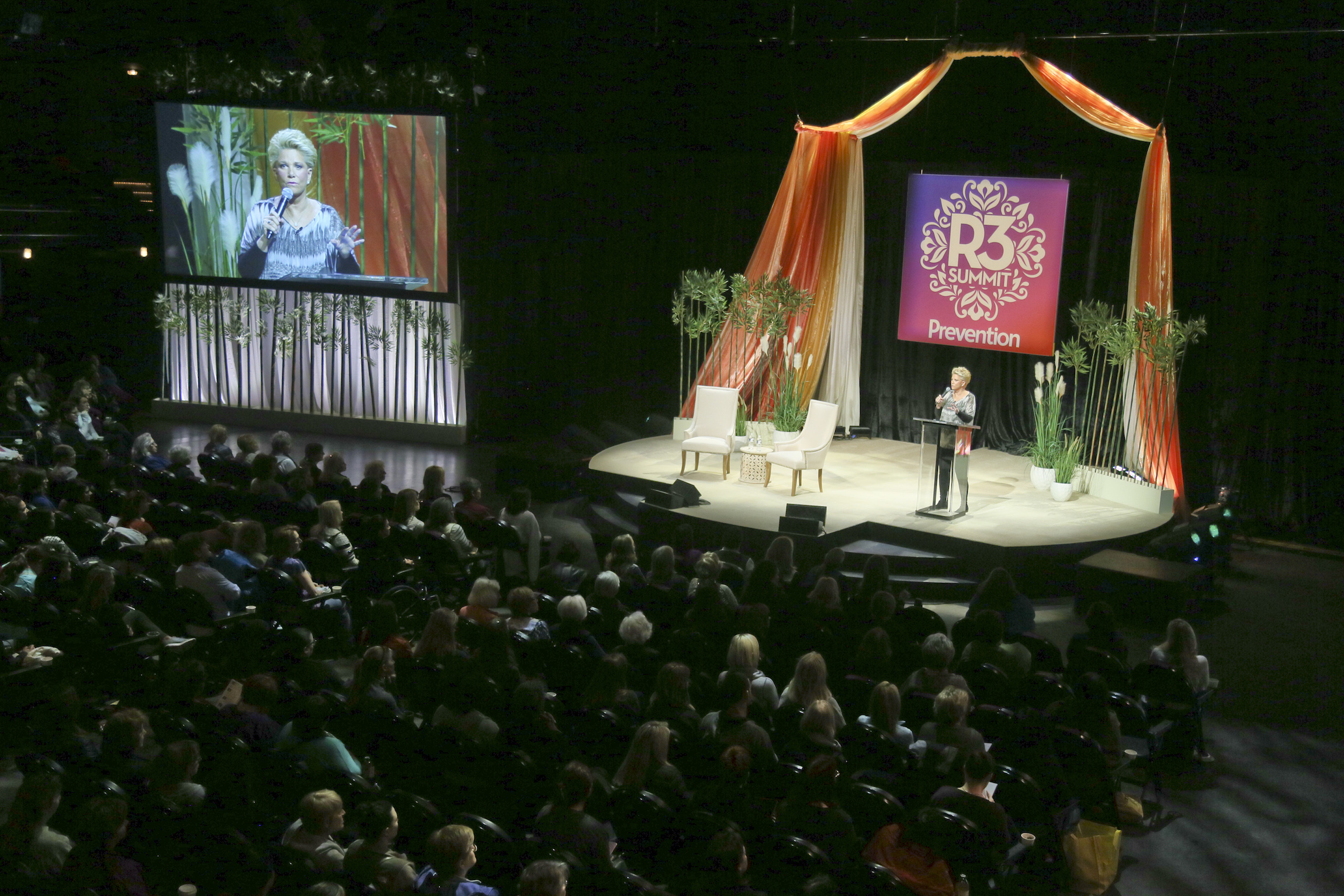
Dr. Travis Stork educated listeners about the human heart and how it operates at Prevention Magazine’s 3rd annual R3 Summit held at ACL Live at The Moody Theater on Jan. 16, 2016. Dr. Stork works in the emergency room and he seeks to advise people about the warning signs of heart malfunction and when to seek immediate medical attention. Joining him on stage was R3’s Master of Ceremonies, Dr. Jennifer Ashton, a Board-certified ob-gyn and fellow co-host of the Emmy®- Award–winning show “The Doctors”, ABC Chief Health Correspondent. Together, the two doctors delivered a compelling, interactive, playful and graphic presentation regarding heart disease and other medical miscellany.

Heart disease is the number one killer for both women and men. And Dr. Travis Stork says that too many people neglect the warning signs or the red flags of heart-related health problems due to factors such as lack of knowledge or lack of awareness. Sadly a lot of people are unaware of the symptoms or they unknowingly confuse a heart attack for something less severe like fatigue, numbness, indigestion or nausea. Resulting in a heart that goes untreated, sometimes until it’s too late. “Time is muscle” and Dr. Stork wants everyone to be aware of the facts.

Dr. Travis Stork is an Emmy®-nominated host of the award-winning talk show, ‘The Doctors’, and a board-certified emergency medicine physician. He graduated Magna Cum Laude from Duke University as a member of Phi Beta Kappa and earned his M.D. with honors from the University of Virginia, being elected into the prestigious honor society of Alpha Omega Alpha for outstanding academic achievement. Based on his experiences in the ER, Dr. Stork is driven to teach people how to prevent illness before it happens. As a motivational speaker on the topic of health and wellness, Dr. Stork teaches people how to achieve optimal health by focusing on the 200-plus seemingly inconsequential health decisions people make throughout each day.”

Prior to his presentation at Prevention Magazine’s R3 Summit—Nicolette Mallow, an Arts & Entertainment Examiner within Austin—interviewed Dr. Travis Stork in the Press room.

Nicolette Mallow: Working as an ER doctor, obviously you deal with a lot of blood and trauma. You have numerous patients in dire pain and distress, sometimes on the verge of life or death. How do you handle such high volumes of pressure and chaos on a daily basis and remain calm all the while to serve and heal your patients?

Dr. Travis Stork: Being an ER doctor is a lot like anything else. A learned skill. For instance, I am sure when you began writing and interviewing people that it made you nervous. You had doubts, fears and hesitations. Everything can be scary in the beginning. As an ER doctor, I felt all those emotions and fears in the beginning. But as time went by it became more and more of a routine and I overcame my fear. When you have a patient gushing or squirting out massive amounts of blood: you have to learn to overcome the fear, manage the stress and work under pressure.

NM: What is one aspect of being a doctor that Medical school could not prepare you for?

DTS: The healthcare system. It’s a beast. Nothing at school could’ve ever prepared me for that and it’s most definitely a huge problem that I was not prepared for. Fortunately doctors are becoming more vocal about our dysfunctional healthcare system and seek to improve the inadequacies.

NM: A veteran who served our country overseas as a Combat medic in the US Army during times of war once told me that the heart is the most important organ in our body. People often think it’s the brain, but he told me that the brain can die and yet the heart stays awake. Which is what happens when people go into a coma. Do you agree that the heart is our most imperative organ?

DTS: Yes; without a doubt the heart is the most crucial organ. Let’s say someone’s brain is damaged after a heart attack or the brain stops functioning. The result is not because the brain died or was damaged on its own without cause. It doesn’t just happen for no reason. When oxygen flow is cut off from the heart to the brain, tissue dies. The effect of such scar tissue is damage (sometimes permanent damage) to the brain. Our heart pumps out blood and oxygen that flows into every particle, cell and organ within the body.

For those unable to hear Dr. Travis Stork’s live presentation at the R3 Summit, there is plenty of information provided by online. Please refer to his videos “Signs of a Heart Attack” and what happens to the body during a “Heart Attack”.

Note: This article was originally published on Examiner.com in January 2016.
Joan Lunden empowers others by sharing her stories of survival and life purpose

JP1_5354

Joan Lunden. Photo Credit: Jack Plunkett.

Joan Lunden delivered a vivacious and heartfelt keynote speech for Prevention Magazine’s third annual R3 Summit held at ACL Live at The Moody Theater within the Warehouse District of Austin, Texas on January 16, 2016. As she stood on the main stage under bright lights and gold curtains: Lunden’s words filled the room like fresh oxygen, purifying the air. Her message and its delivery focused on the vitality of self-care and self-love. Why all women need to discover their life purpose and how to follow our dreams. Lunden also emphasized the utmost importance of sustaining a positive attitude whenever life is feeling dark, dreary or defeating. Her message encouraged all women to take care of their health as if it were a second job in order to avoid a collapse or a burn out.

Ultimately, Lunden speaks out to pass on her life story in order to educate and empower all womankind. Joan Lunden speaks out in hopes of seeing the light within every woman shine bigger and brighter than ever before. To see the stars in every woman take flight. And to help other cancer survivors make it through the hardest of times. Many moments throughout the keynote speech, she addressed all the women in the audience as ‘us’ and ‘we’, unifying women of all age, nationality and ethnicity.

A survivor of breast cancer, Joan Lunden is also an award-winning journalist, bestselling author, health & wellness advocate, motivational speaker, successful entrepreneur and mom of seven children. Listening to Lunden’s life stories of survival, television, journalism, family, men, health, sex, life and death—listening to how she succeeded despite any or all challenges or tragedies—was a deeply inspiring message to hear. Prior to Lunden’s keynote, The Master of Ceremonies for R3 Summit, Dr. Jennifer Ashton (a Board-certified Ob-Gyn, author and co-host of the award-winning talk show The Doctors) introduced her colleague to the audience as “The Queen of Good Morning America” and it’s a most befitting, honorary title.

To much delight, after the keynote address Joan Lunden sat down for a brief interview with local A&E Austin Examiner, Nicolette Mallow, to briefly discuss motherhood and her own inner-light.

Nicolette Mallow: Motherhood was a big focus throughout your presentation. And while I do value, honor and respect family traditions. Do you have any advice for women (of any age) that are unable to bear children? Or do you have any words of encouragement for women that choose to not have children in a society where motherhood almost seems to be expected of us?

Joan Lunden: When I first became a mother, I bore three beautiful children the natural way. Later on in time when I wanted to have more children in my 50’s, it was not as easy to get pregnant. I began using fertility methods like in vitro. Eventually it became too complicated. One day my husband lovingly reminded me that it’s not a competition. And I quit in vitro. At that point we sought out a surrogate mother. Our surrogate mother has become like family to us. I now have two sets of twins in addition to my other three kids. And it’s wonderful. I love all seven of my children equally. So, no woman should think just because their body cannot facilitate childbirth that there is anything inadequate with them… On the other hand, I have many female friends that do not have children and are successful and happy individuals. Motherhood does not define a woman even if it can be an all-encompassing trait of what it means to be a woman.

NM: Your career is so impressive and I know you have even more to offer the world in the years to come. However, when was the time in your career that you knew you’d made it?… Your life is so magical on so many levels that it reminds me of Elizabeth Taylor’s line in the Hollywood film based on Tennessee William’s play Suddenly Last Summer. The line when she speaks of ‘the sunshine days’. The days everything was in perfect sync and harmony… When was it that you knew in your heart that it was only going upward in your career from then on?

JL: (she smiled) During my 30’s when I began co-hosting Good Morning America with Charlie Gibson. That was when I knew. He and I used to describe the feeling as “the best seat from which to view the world”. It was an amazing time of my life with such happiness that I will always cherish… Suddenly I was going to The White House, interviewing politicians, rock stars, celebrities and all sorts of prominent figures. I was traveling worldwide covering global news… The happiness we felt on the show is something I will always treasure. Charlie Gibson and I made a strong team and we co-existed together. Which really caught everyone’s attention: seeing a man and woman work together so wonderfully on national television. Having said this, I am sort of a Master of Reinvention, and so I look forward to new journeys and new thrills as I began new media campaigns.

For more information pertaining to Joan Lunden’s life story of survival and success. Or to find health, beauty and lifestyle tips, please visit her website Joan Lunden: Creating a healthy lifestyle for a better tomorrow at www.joanlunden.com.

Note: This article was originally published on Examiner.com in January 2016.

Bob Roth talks Transcendental Meditation and dharma at Prevention’s R3 Summit

nicolette mallow

Bob Roth. Photo Credit: Jack Plunkett.

Transcendental Meditation teacher Bob Roth spoke on the opening night of Prevention Magazine’s R3 Summit at ACL Live at The Moody Theater in Austin, Texas on January 15, 2016. Self-transcending meditation was the focus of his speech. Bob Roth explained how this unique and timeless form of meditation could transform people’s lives for the better. Living in a such a stressful world where everything around us is moving at a hurried and constant pace, it can be immensely difficult, if not beyond overwhelming, for us to take complete care of ourselves: body, mind and soul. Through the course of his interactive presentation, Roth guided listeners through the scientific process as to how transcendental meditation and its sound mantra practice can help strengthen the brain and relieve trauma, stress or stagnant energy that’s locked in our minds. This form of meditation even lowers high blood pressure, reduces chronic pain and depletes excess amounts of Cortisol levels, a hormone that is directly related to stress. He described the end result like being in a state of dharma.

  • nicolette mallow

Sharing stories of healing and delivering an insightful overview of his life’s work. A career that began in 1968 around the age of 18, when Bob Roth started to change his diet and even studied Prevention Magazine. Roth emphasized and explained the immense empowerment and peace-of-mind that comes from transcendental meditation (TM). He expressed the ‘constellation of positive changes’ and scientifically described the peacefulness that comes from integrating TM® into the routine of our daily lives.

Bob Roth is one of the most experienced and sought-after meditation teachers in America. Over the past 40 years, Bob has taught Transcendental Meditation to many thousands of people and authored an authoritative book on the subject, fittingly entitled, Transcendental Meditation, which has been translated into 20 languages. Bob currently serves as the Executive Director of The David Lynch Foundation, a 501(c)(3) charity which has brought meditation to over 500,000 inner-city youth in underserved schools in 35 countries, to veterans and their families who suffer from post-traumatic stress, and women and children who are survivors of domestic violence.”

Fortunately, Mr. Roth also had a moment to speak with an A&E Austin Examiner, Nicolette Mallow, regarding this ancient form of meditation.

Nicolette Mallow: During your presentation, you mentioned that you’re deeply focused on helping children, homeless shelters and veterans suffering post-traumatic stress disorder (PTSD). And I do believe that people find immense peace and calm through transcendental meditation. The end results are obviously beneficial and worthwhile. But it can be hard for those who’ve endured such trauma to sit still in the silence and close their eyes. How do those beginning TM® overcome the struggle to find the patience and stillness to meditate with such internal angst? How do people overcome their turmoil and meditate in peace?

Bob Roth: That’s a beautiful question… Transcendental meditation doesn’t enter darkness and it’s a very forgiving practice that is practically effortless. Closing our eyes and looking into the dark can be scary. TM® is not scary nor is it a grueling process that sets off triggers or trauma. It’s a very charming, peaceful form of meditation. It does not evoke darkness on any level, and it feels like being in a state of dharma. Therefore people want to repeat it because it brings out positive feelings: a complete state of peacefulness.

NM: Does it take a lot of time to learn and is it hard to integrate into daily routine?

BR: It does not take much time to learn and it’s an easily acquired skill. This is why we have TM® teachers to help others begin the sound mantra meditations over the course of four days so it’s imprinted into memory… Frankly no one has the time. But what’s the alternative? Stress destroys life and it’s toxic. If we make the time twice a day to meditate, the results are remarkable and deliver an inner-calmness, ease, peace and state of happiness. Every aspect of our health and mental wellness improves after meditation. Transcendental meditation protects and regenerates the body. It’s very cleansing and the feeling of awakening and resilience is very purifying.

For more information regarding Transcendental Meditation and where to locate a TM® teacher in your area: please visit their website at http://www.tm.org. Lastly, if you are a veteran or know a loved one that served and is in need of cost-free healing: The David Lynch Foundation also has a division, Operation Warrior Wellness (OWW), that serves veterans in need of healing. Donations to sponsor a veteran can also be submitted on their website.

Note: This article was originally published on Examiner.com in January 2016.

nicolette mallow


Star Wars exhibit presented at ART on 5th in Texas

nicolette mallow
“Battle of Endor” by Rodel Gonzalez.

A Star Wars artwork exhibition has made its way to Texas for the first time and will remain open to the public at ART on 5th in Austin until January 31, 2016. “The Art of Star Wars” features original paintings and hand-embellished giclees by four official Disney artists: James Coleman, Rob Kaz, Allison Lefcort, and Rodel Gonzalez. Portraying a star system from another dimension of space and time—like a parallel universe—the artists created cosmic artwork in their own individual style. The gallery also entails vintage posters from Belgium, Great Britain, Italy, and Japan. Posters and collectibles that once promoted the original Star Wars trio from the ’70’s and ’80’s. Partnering with Disney to bring this exhibit to Austin, every piece of art on display within “The Art of Star Wars” at ART on 5th is available for purchase.

  • nicolette mallow
  • nicolette mallow
  • nicolette mallow
  • nicolette mallow
  • nicolette mallow
  • nicolette mallow
  • nicolette mallow

“The Art of Star Wars” is a unique collective of mythological artwork. Reflecting stories of science fiction, magic and fantasy over a timeline that spans from the original three Star Wars films up to present day characters like Captain Phasma and BB-8. Guests may admire scenes and snippets from roaring intergalactic battles; explosions blazing from crossfire and torpedoes. Spaceships soaring in the sky and The Death Star looming like a gigantic, evil shadow. However, while the scenery and atmosphere in the artwork is booming with detail and fictional memories. The majority of this art gallery focuses on snapshots pertaining to the original characters and predominantly highlights their portraits and their stories: Luke Skywalker, Darth Vader, Han Solo, Princess Leia, Yoda, Obi-Wan Kenobi, Chewbacca, R2D2, C-3PO, Boba Fett, the Emperor, the Storm Troopers, and the Ewoks.

Befittingly, the four artists from Disney also place a great deal of emphasis on The Force and perhaps that is one of many reasons why the art exhibit is so powerful: a united energy of light and dark flowing from art piece to art piece.

The art gallery is not only enthralling for long-time Star Wars enthusiasts that adore “A New Hope”, “The Empire Strikes Back” and “Return of the Jedi”. The artists and their artwork bring the nostalgia, the history and the stories to life for guests that are unfamiliar with the previous movies or the books. There may only be captions to the art and there may not be any text, but the imagery helps tie all the pieces of numerous stories together. The art takes you along the adventure. Guests see the training and challenges of a Jedi—and the monsters and dictators of the dark side. The imagery helps guests identify the characters with their names—and it tells of the journey, the war and the life lived in space, on ice, the barren desert and the forest.

Located on 3005 South Lamar, admission to the gallery at ART on 5th is free of cost. Children and adults are welcomed to attend this exhibit; alluring fans of many generations. For more information regarding ART on 5th and their hours of operation, please call 512-481-1111 or visit their website at www.arton5th.com.

Note: This article was originally published on Examiner.com in January 2016.

The Crusader Bible: A Gothic Masterpiece illuminates The Blanton Museum of Art

nicolette mallow

“Crusader Bible: A Gothic Masterpiece” – The Blanton Museum of Art at The University of Texas at Austin.

Showcased by The Blanton Museum of Art at The University of Texas at Austin, The Crusader Bible: A Gothic Masterpiece is a traveling art gallery highlighting an illuminated Medieval manuscript from the 13th century. Traveling to seven different countries in the world over a timeline of seven centuries, this French Gothic manuscript from the Middle Ages is created by seven anonymous artists. Depicting selected stories from the Old Testament, retold in the era and culture of Medieval period, originally this one-of-a-kind manuscript was designed to be a picture-book without any script. These colorful illustrations were intended to portray biblical stories without any annotations, explaining why each drawing is so very graphic, specific and characteristic. However, as the Crusader Bible journeyed seven times from France to Italy, Poland, Persia, Egypt, England and the United States: alterations were made and inscriptions were added in various languages, including Latin, Persian and Juedo-Persian.

Upon entrance into The Crusader Bible: A Gothic Masterpiece, the rooms of the gallery are glittering with 40 illuminated pages of gold leafs (pure gold that has been hammered down into thin sheets). The gold is still so remarkably shiny that it’s almost hard to believe this manuscript is nearly 1000 years old. Even under dimmed lighting within a museum, the gold leafs on the pages are so prominent and bold that the display cases within the gallery shine similarly to a jewelry display case. Fortunately the Crusader Bible has withstood the tests of time and it comes to no surprise that these handmade manuscripts are very challenging to make, often taking many years to complete. There is a very specific and thorough process to creating illuminated manuscripts, beginning with the preparation of the parchment paper. Parchment paper derives from animal skin and once it’s finished after weeks of preparation. Then scribes would begin inscriptions. Once the scribe had finished their task, the illuminator left its mark on the parchment paper before sending the manuscript over to bindery. An illumniator is the artist whom illuminated the manuscript with silver or gold leafing. They were responsible for lighting up the pages with precious metals.

This slideshow requires JavaScript.

Silver, gold and colorful illuminations aren’t the only part of the Crusader Bible that catch the eye. The carbon black inscriptions also carry a dominant presence. Admiring all the various scripts in different languages is quite compelling because it notes the seven foreign locations and cultures the Crusader Bible ventured to. The number seven is believed to be a divine number of truth and mysticism within numerology studies and spiritual texts. Therefore it’s an interesting coincidence that the number seven plays such a predominant and powerful role in the history of the Crusader Bible. Furthermore, the black calligraphy is immaculate in every language and it took scribes endless hours to complete the script; using a quill pen to write the script and a knife to cut away ink errors when necessary. The carbon black ink used by the scribes is referred to as lampblack. And even though most of us cannot read Latin, Persian or Juedo-Persian. With the use of modern technology and an application called Layar, guests can scan the Medieval manuscript and the application translates it for you right that instant.

Additionally, this special exhibit also features European arms and armor, an illustrated book from Persia, and a large display case featuring many of the tools, rocks, metals and pigments used to inscribe, illustrate and illuminate the parchment paper. There is also a video to regard the process from preparing the parchment paper to the final result in bindery. The Crusader Bible: A Gothic Masterpiece will be on display until April 3, 2016. For more information regarding The Blanton Museum of Art and its hours of operation, admission, upcoming exhibitions or membership, please call 512-471-7324 or visit www.blantonmuseum.org.
“The Blanton Museum of Art at The University of Texas at Austin presents The Crusader Bible: A Gothic Masterpiece, an exhibition of over forty unbound pages from the one of the most celebrated French illuminated manuscripts of the Middle Ages. The illuminations include some of the most compelling visualizations of the Old Testament, bringing Bible stories to life through vivid images that reflect medieval culture and the world of the Crusades. Designed to resonate with thirteenth-century French viewers, biblical characters are depicted as battling knights, equipped with contemporary arms and armor, and situated within medieval French towns. Loans from the Metropolitan Museum, including a shirt of mail, sword, prick spur, and war hat, will augment visitors’ understanding of the weaponry featured in the Crusader Bible. On loan from the Morgan Library & Museum in New York, the Crusader Bible features Old Testament scenes in medieval settings, with brilliantly colored illustrations attributed to seven anonymous artists. To provide historical context for the Bible, the presentation features medieval arms and armor from New York’s Metropolitan Museum of Art. Also included are sixteenth-century Persian illustrations from the Metropolitan and the Ardashīr-nāma, a seventeenth-century Judeo-Persian manuscript of Old Testament stories from The Jewish Theological Seminary of America in New York. The history of the Crusader Bible is fascinating, covering seven centuries and multiple continents. Likely created in Paris during the 1240s for King Louis IX of France— famous for building the Sainte-Chapelle and for leading two crusades— the Bible then passed to the king’s younger brother, Charles of Anjou, who took it to Italy. More than four centuries later, the Archbishop of Cracow acquired and offered it as a diplomatic gift to the great Shah of Persia, ‘Abbas I. By the eighteenth century, the manuscript belonged to an anonymous Persian Jew. After its journey from France to Italy, Poland, and Persia, the Bible traveled to Egypt, England, and finally to the Morgan Library & Museum in the United States. The Crusader Bible, which originally had no text, bears inscriptions in Latin, Persian, and Judeo-Persian. They function as evidence of its changing ownership throughout the centuries and reflect how each owner used his language to lay claim to the book, appropriating its imagery for assimilation into their respective cultures.”

Note: This article was originally published on Examiner.com in December 2015.  

Gabriel Garcia Marquez is immortalized by The University of Texas at Austin

nicolette mallow
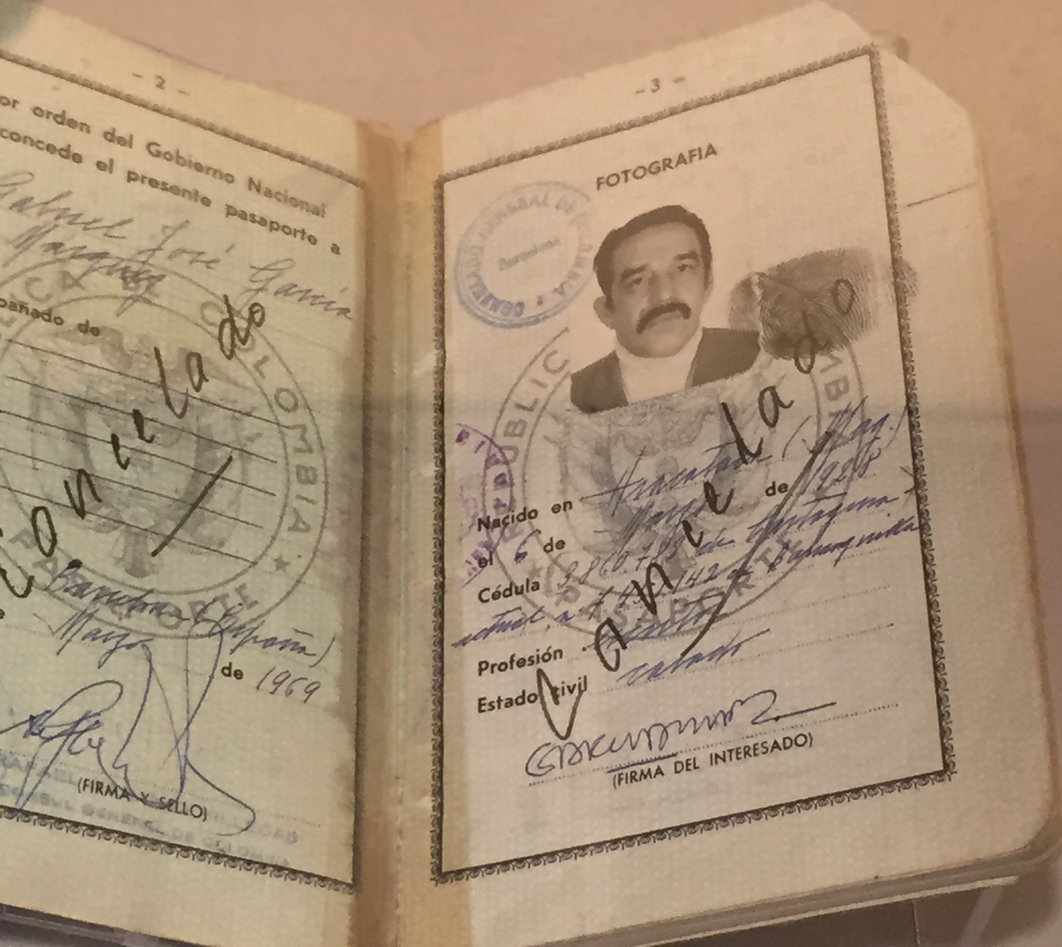
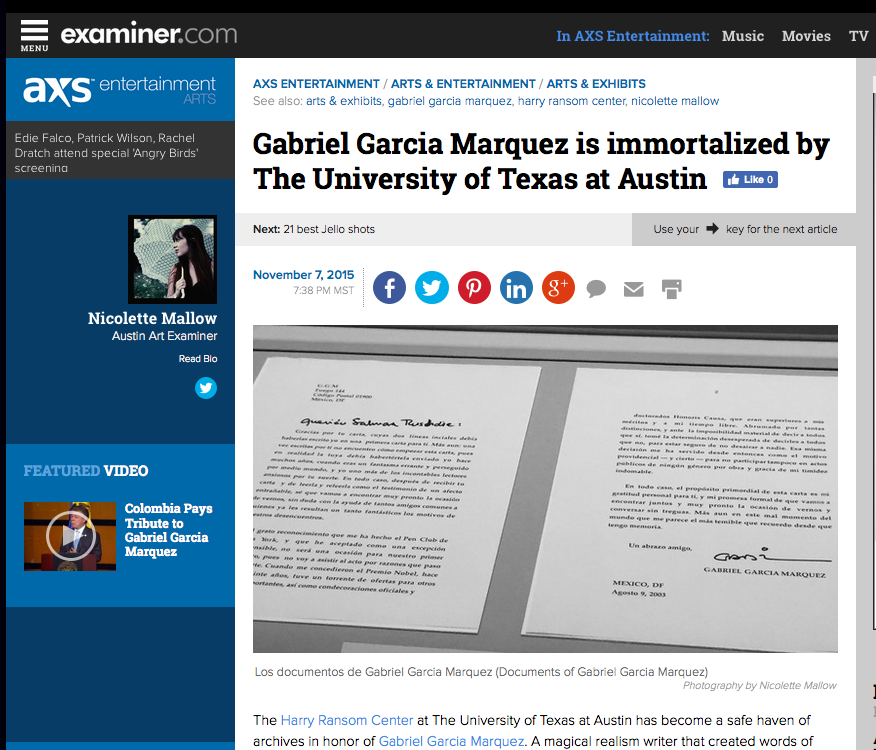
Pasaporte de Gabriel Garcia Marquez, 1969-1976. Photography by Nicolette Mallow.
The Harry Ransom Center at The University of Texas at Austin has become a safe haven of archives in honor of Gabriel Garcia Marquez. A magical realism writer that created words of mysticism, beauty, love and tragedy; Marquez, also known as Gabo, had an eternal voice that was so unique it created its own genre of writing. Marquez takes readers to another dimension within reality, like magic, and he is able to evoke heartfelt emotions that linger like the smell of fine perfume in the air, or tender kiss on the skin.

  • nicolette mallow
  • nicolette mallow
  • nicolette mallow
  • nicolette mallow

According to the Harry Ransom Center, “More than 75 boxes of documents constitute the archive of the Colombian-born author, journalist, screenwriter and key figure in Latin American history and politics. Researchers will have access to manuscript drafts of published and unpublished works, correspondence, 43 photograph albums, 22 scrapbooks, research material, notebooks, newspaper clippings, screenplays and ephemera.”

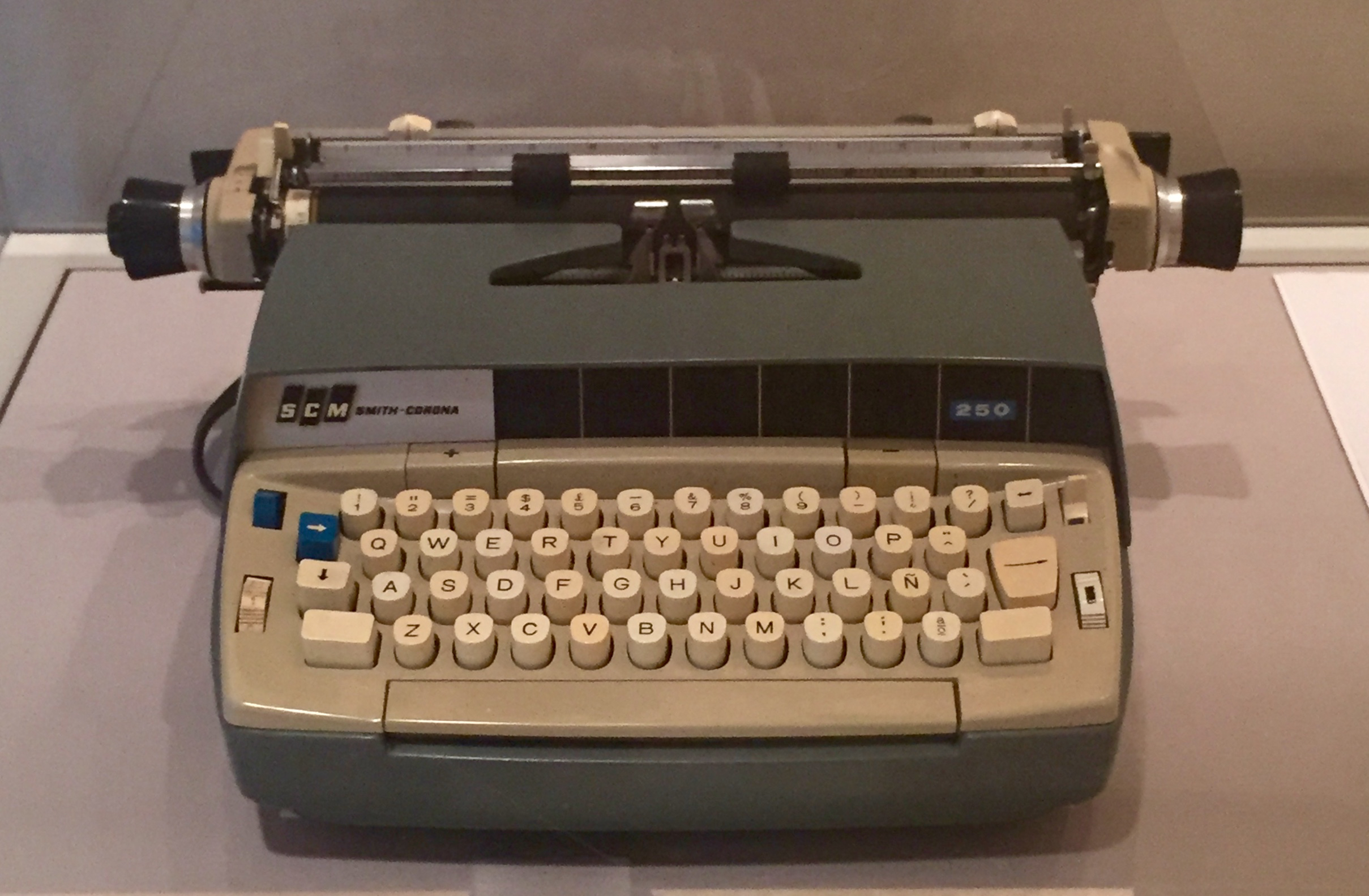
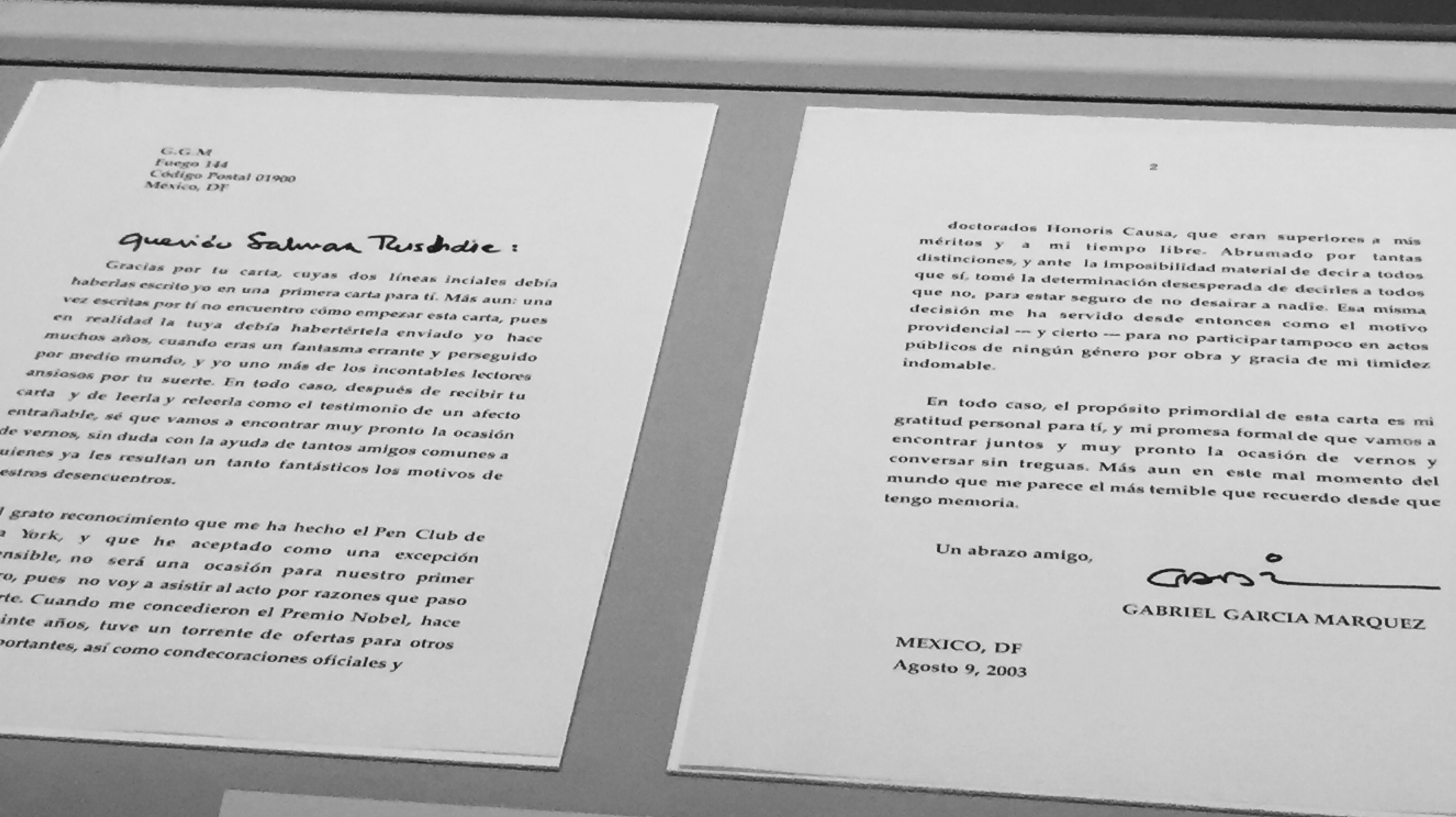
Also on display within the library and museum are a few glass encasings for viewers to admire entailing the following artifacts: Gabriel Garcia Marquez’s passport, edited transcripts, his Nobel Prize acceptance speech, a letter to US President Jimmy Carter, and edited chapters of his book. Within one of the display cases on the first floor, guests can regard the Smith-Corona 250 typewriter that Marquez used to write so many of his stories. To imagine his hands working on all those keys. Touching all those keys thousands upon thousands of times as he wrote stories that would fill the world with magic. It was a remarkable experience to see the typewriter that he used to write. And it was a delight to see his handwriting in Spanish amongst all the edited transcripts, letters and chapters of his books.

Born the year of 1927 in Colombia, last year in 2014 Gabriel Garcia Marquez died of pneumonia in Mexico City. A great artist was lost that day. The New York Times ran an article soon after the writer passed in 2014 that read, “Mr. García Márquez, who received the Nobel Prize for Literature in 1982, wrote fiction rooted in a mythical Latin American landscape of his own creation, but his appeal was universal. His books were translated into dozens of languages. He was among a select roster of canonical writers — Dickens, Tolstoy and Hemingway among them — who were embraced both by critics and by a mass audience. Mr. García Márquez was a master of the literary genre known as magical realism, in which the miraculous and the real converge. In his novels and stories, storms rage for years, flowers drift from the skies, tyrants survive for centuries, priests levitate and corpses fail to decompose. And, more plausibly, lovers rekindle their passion after a half-century apart.”

In order to view the archives in the reading room, guests make partake in an online orientation video before requesting an appointment to visit. The display cases will be open to the public until November 11, 2015. For more information about the archives, the display cases or The Harry Ransom Center: please visit their website at http://www.hrc.utexas.edu.

“Así termino pensando en él como nunca se hubiera imaginado que se podía pensar en alguien, presintiéndolo donde no estaba, deseándolo donde no podía estar, despertando de pronto con la sensación física de que él la contemplaba en la oscuridad mientras dormía, de modo que la tarde en que sintió sus pasos resueltos sobre el reguero de hojas amarillas en el parquecito, le costó trabajo creer que no fuera burla de su fantasía.” – Gabriel Garcia Marquez (El Amor En Los Tiempos Del Colera).

“And so she thought about him as she never could have imagined thinking about anyone, having premonitions that he would be where he was not, wanting him to be where he could not be, awakening with a start, with the physical sensation that he was looking at her in the darkness while she slept, so that on the afternoon when she heard his resolute steps on the yellow leaves in the little park it was difficult for her not to think this was yet another trick of her imagination.” – Gabriel Garcia Marquez (Love in the Time of Cholera).

Note: This article was originally published on Examiner.com in November 2015.

The Driskill Hotel hosts holiday traditions in Texas for more than a century

nicolette mallow

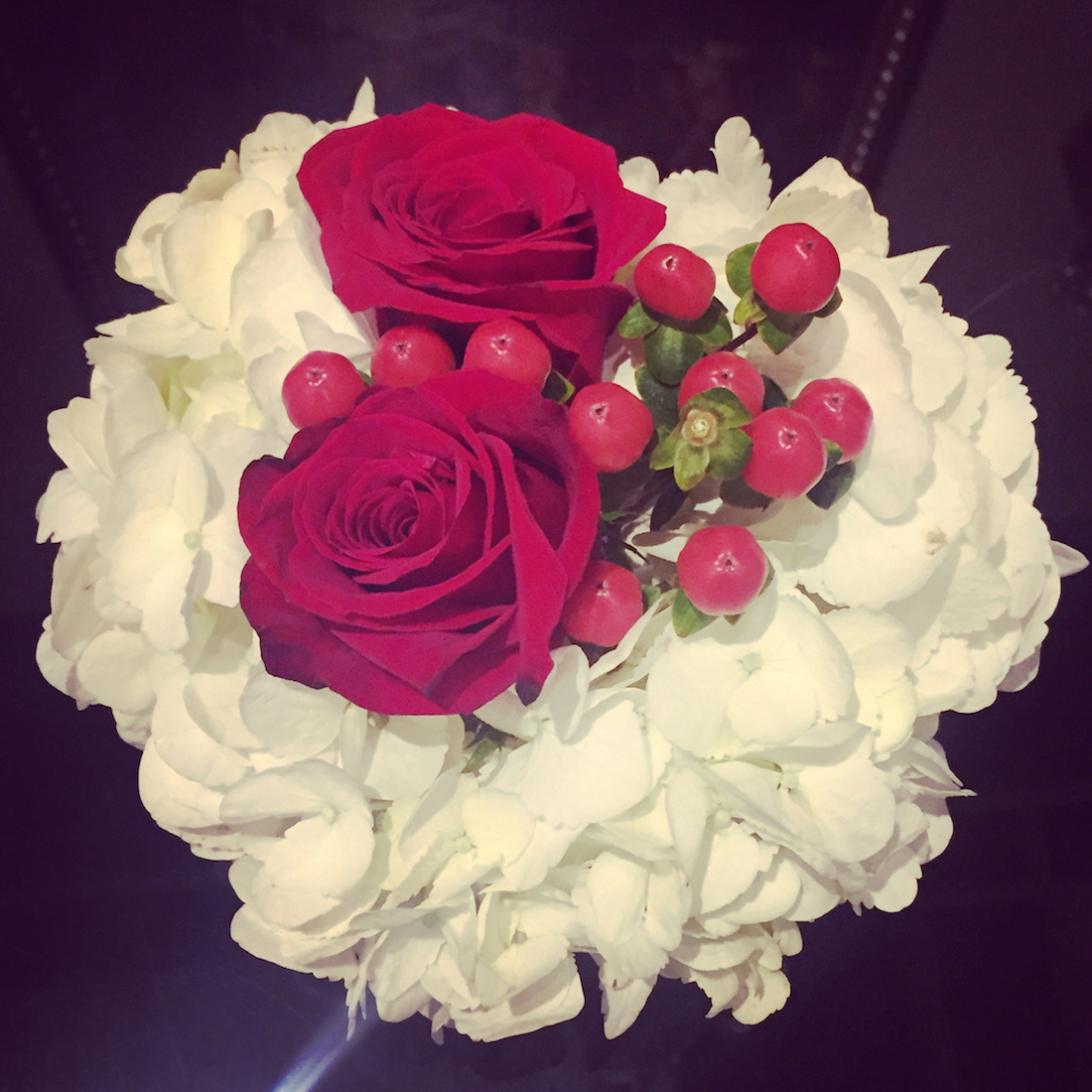
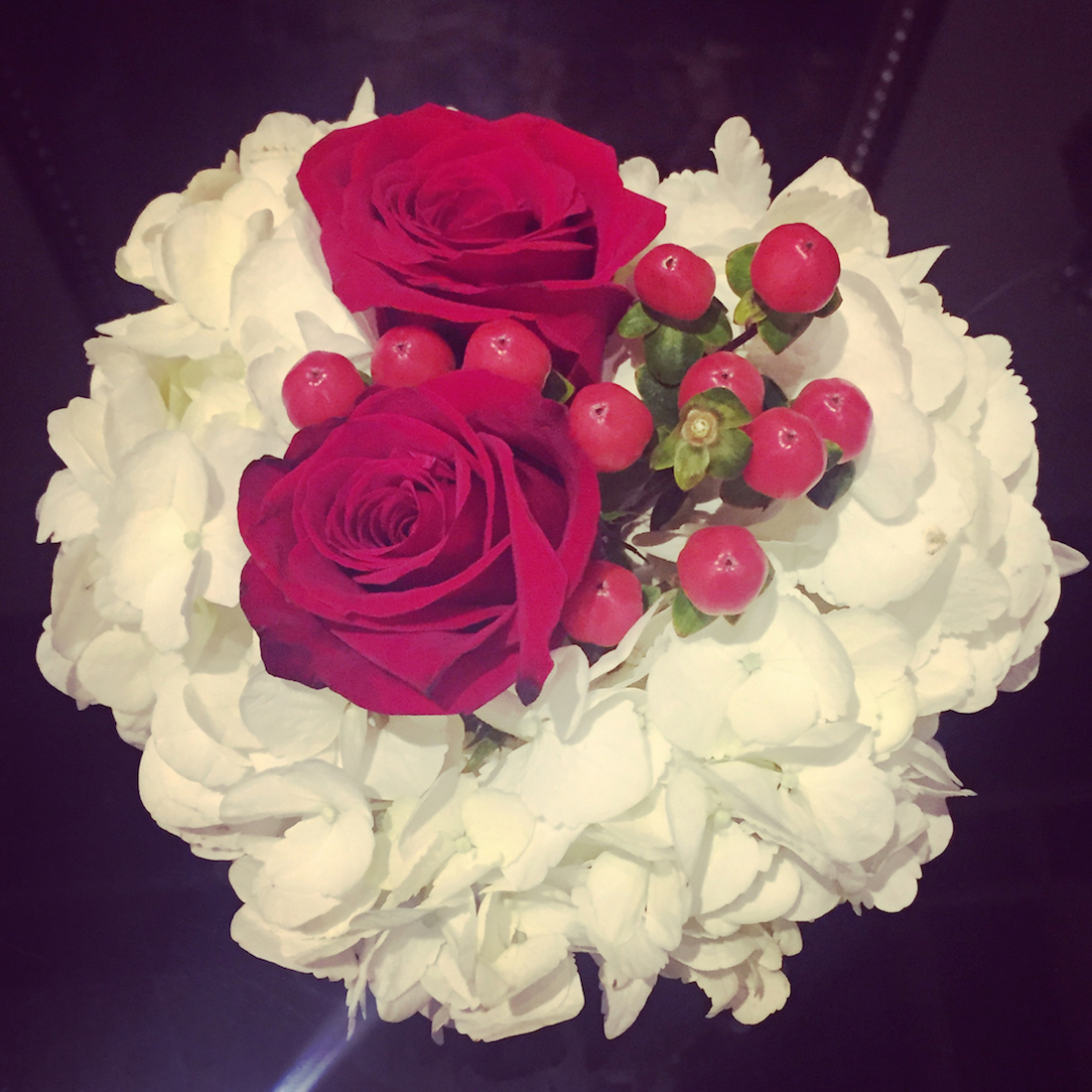
December flowers at The Driskill Hotel in Austin, Texas. Photography by Nicolette Mallow.

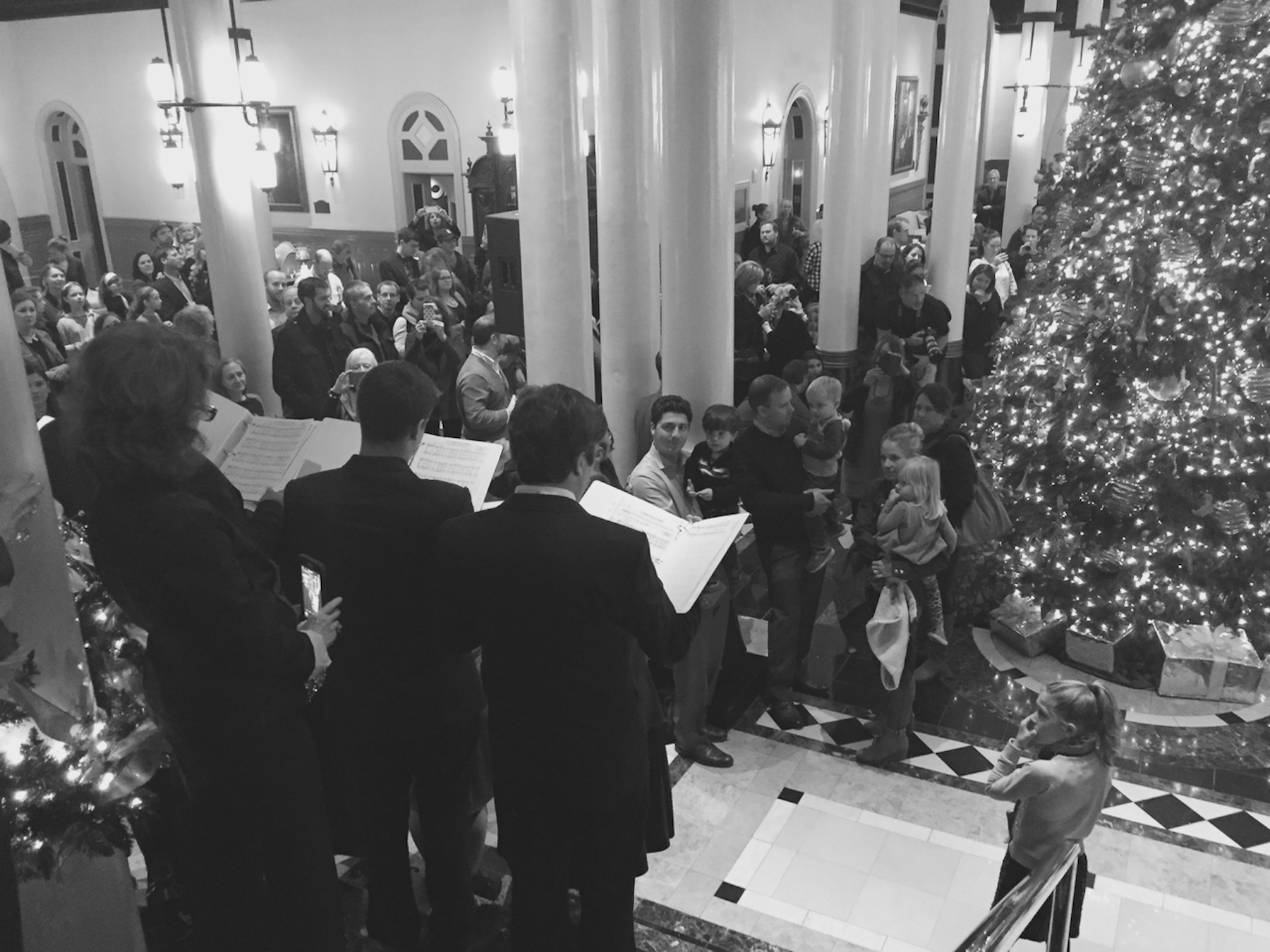
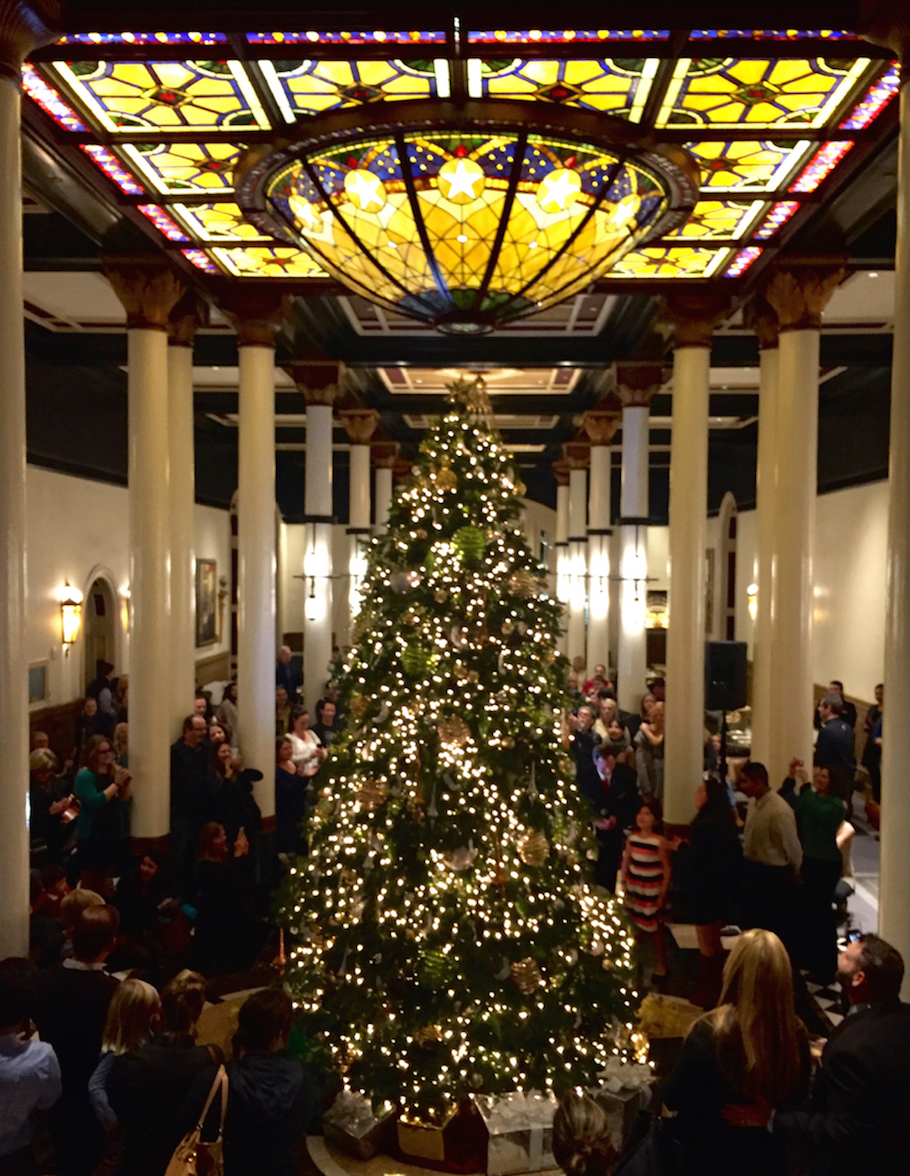
On the first of December at six in the evening, The Driskill Hotel initiated its annual holiday celebrations beginning with the lighting of the tree and a double quartet of singers from Austin Opera. A decorated tree is positioned in the center of the marble floors and columns within the main lobby closest to the grand stairwell. This holiday tree is illuminated and glowing the entire month of December. The tree is so substantial in size that the gold star on top nearly touches the stained glass dome of the ceiling.

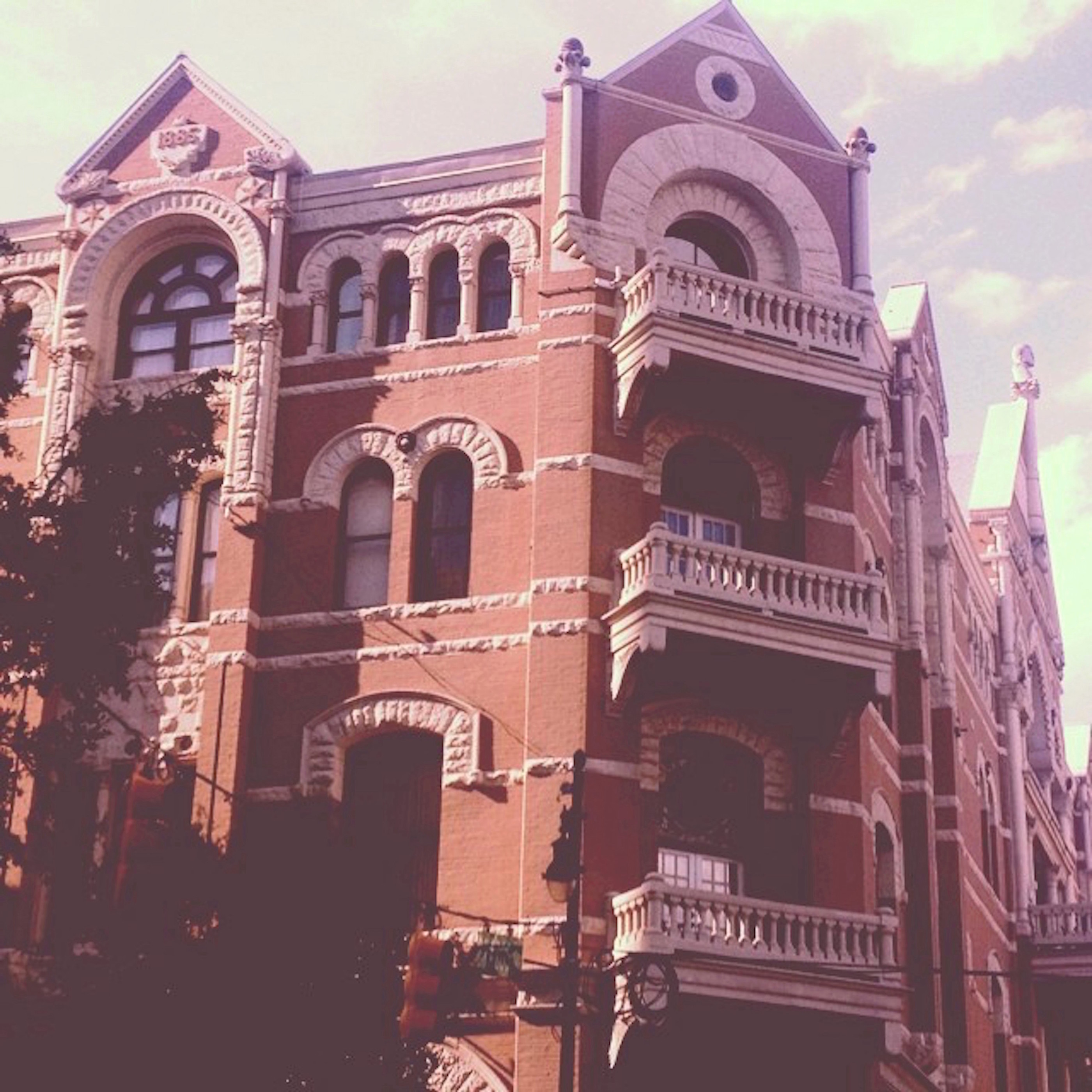
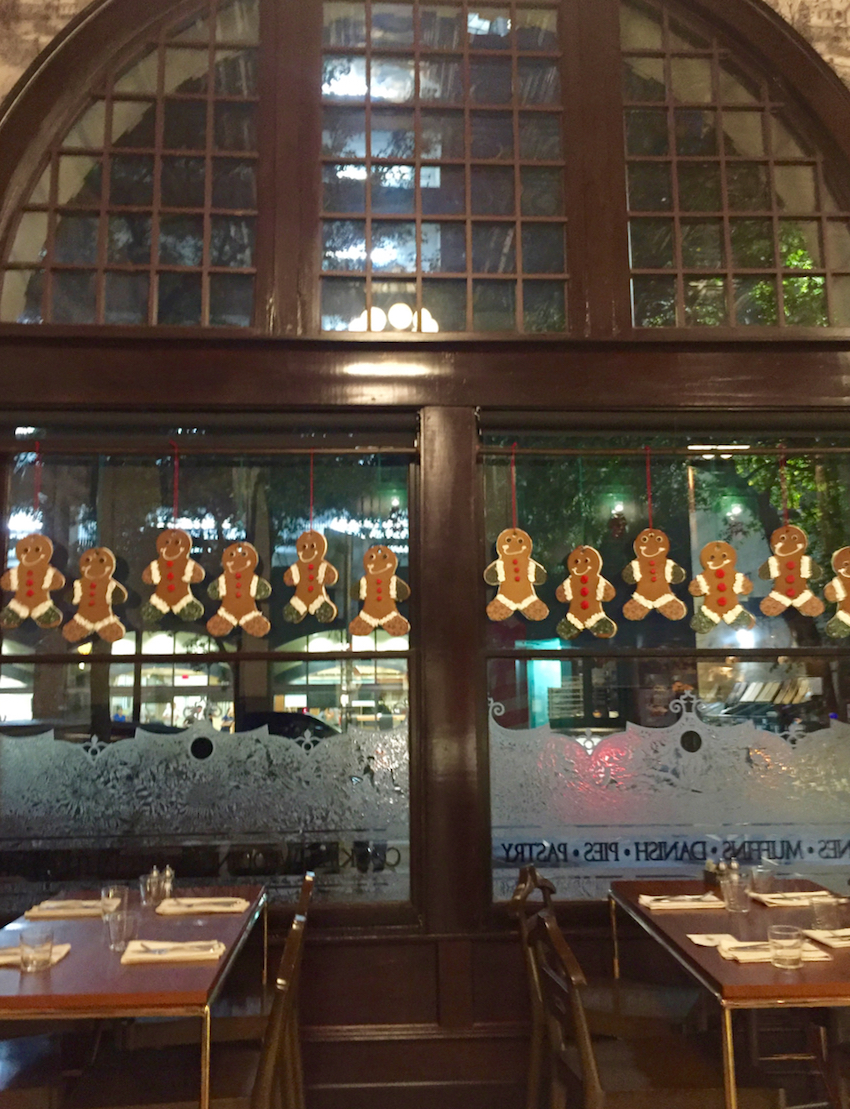
Throughout December, for nearly 130 years since it was built in 1886, The Driskill Hotel hosts annual time-honored traditions to celebrate the holiday season. Notably, The Driskill is the oldest operating hotel in Austin, Texas and the architecture is Romanesque in design. When you enter the hotel it’s like going back in time, or finding a magical hiding place in town, because there is something otherworldly about the building’s energy. Yet you know you’re in Texas by all the lone stars, leather, cowhides and southern hospitality. Even horse carriages still wait outside to take guests and locals for a stroll through downtown. An artistic infusion of different periods; there is no other structure in Austin quite like it. Blocks away from the Texas State Capitol, The Driskill is a Historic Landmark, and its European design carries a prominent, unique presence amongst modern-day architecture in the downtown vicinity. This refined hotel is aesthetically beautiful and elegant, inside and out. However, every December, as the holiday season arrives: The Driskill shines brighter than ever with its festive, colorful decorum and sparkling tealights. Even before entering the hotel, dozens of homemade gingerbread men can be seen dangling happily in the windows of 1886 Cafe & Bakery. The gingerbread men are reasonably large, decorated with smiles of white icing, red candied buttons, green checkered stockings, and eyes made of chocolate.

  • nicolette mallow

In addition to the lovely holiday decorum on display the month of December, The Driskill will also feature holiday events on selected days and nights: seasonal music from a live string quartet, Afternoon Tea, an Afternoon with Santa, and Christmas Day in The Driskill Grill. Prices per event do vary. The Driskill Bar upstairs, which was recently named the best cocktail bar by The Austin Chronicle, hosts live music as well. Guests can escape the cold and warm up with snacks and a libation, or an apple cider, within the lounge area while enjoying the lyrics and melodies of various singers and songwriters. Don’t forget to try the mejdool dates wrapped in bacon!

Furthermore, on December 13th at 2:00 PM, Cookies for Caring is another holiday-related charity event at The Driskill. “In collaboration with the Austin American-Statesman’s Season for Caring, The Driskill is hosting a holiday cookie swap. Guests can create their own holiday cookie collection and a portion of the proceeds will be donated to The Austin American-Statesman’s Season for Caring charity drive.” Cookie tins cost $25 per person and will be waiting for guests upon arrival to the event.

Seasonally decorated gourmet cookies can also be purchased at 1886 Cafe & Bakery, a premier restaurant within the hotel named after the year The Driskill came to life. “The Driskill Hotel opened on December 20, 1886, to great fanfare and applause from Austin’s 20,000 residents. Since that time, the ‘grande dame’ of Texas hotels has remained a magnificent gathering place for locals, Texans and others to celebrate the holidays and other special moments of their lives in Colonel Jesse Driskill’s splendid Romanesque masterpiece. We invite you to recapture a nostalgic memory from a holiday season long past and to create new memories for your family and friends during our holiday celebrations.”

The Driskill Hotel holds 189 guest rooms and suites. Guests may also admire The Maximilian Room, the Governor’s Boardroom, the Mezzanine and the Victorian Room. For more information about holiday events, hotel reservations, catering, or The Driskill Bar and Grill: please visit their website at www.driskillhotel.com or call 512-439-1234.

Note: This article was originally published on Examiner.com in December 2015. 

Viva la Vida: Mexic-Arte Museum honors Día de los Muertos festival for 32 years in Tejas

nicolette mallow

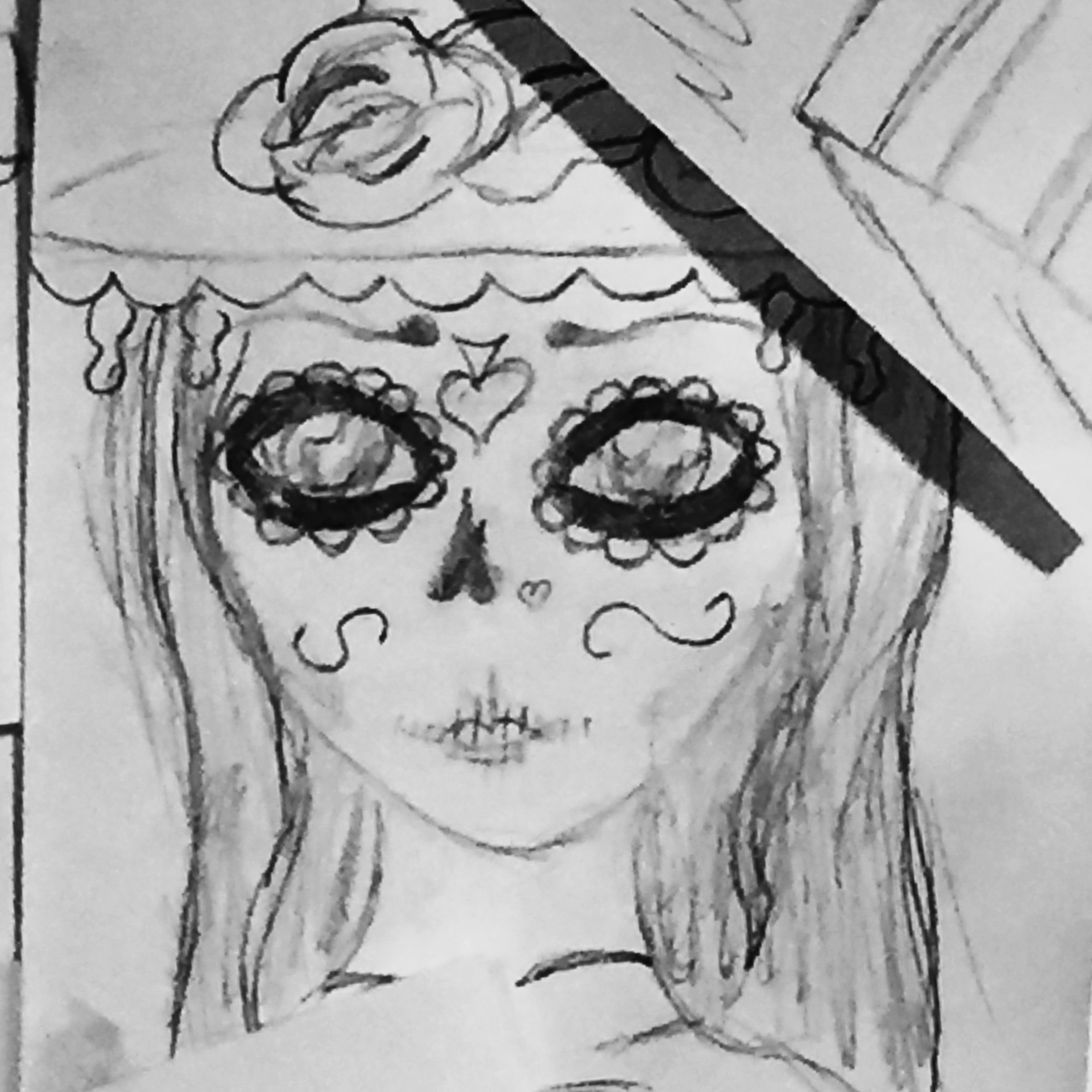
La Catrina drawn by unknown artist at The Mexic-Arte Museum. Photography by Nicolette Mallow.

Since the doors first opened in 1984, the Mexic-Arte Museum in Austin has celebrated thirty-two years of Día de los Muertos (Day of the Dead) festivities. This October the museum presents two seasonal exhibitions alongside its annual Viva la Vida festival featuring a grand procession, artist vendors, live music, and a grand sugar skull piñata float by local piñata artisans Monica and Sergio Lejarazu. The museum will also host a black-tie masquerade event known as the Catrina Ball that will debut at The Four Seasons Hotel.

The highlighted Día de los Muertos exhibition at the Mexic-Arte Museum, Community Altars: Ofrendas Inspired from the States of Mexico, is located within the main gallery and contains nearly a dozen altars to honor the lives of loved ones who are deceased. Adorning the altars are flowers, crosses, candles, angels, framed photographs, flags, hand-cut paper, skulls and catrinas. Echoes of a film directed by Jim Hill, Llamar a los Muertos a Casa (Calling Home The Dead), are heard as guests walk about the rooms. In the very back of the exhibition there is a bench to sit and watch the movie about the villagers of Lake Pátzcuaro. And viewers can learn why it’s believed this land is a doorway to heaven.

nicolette mallow

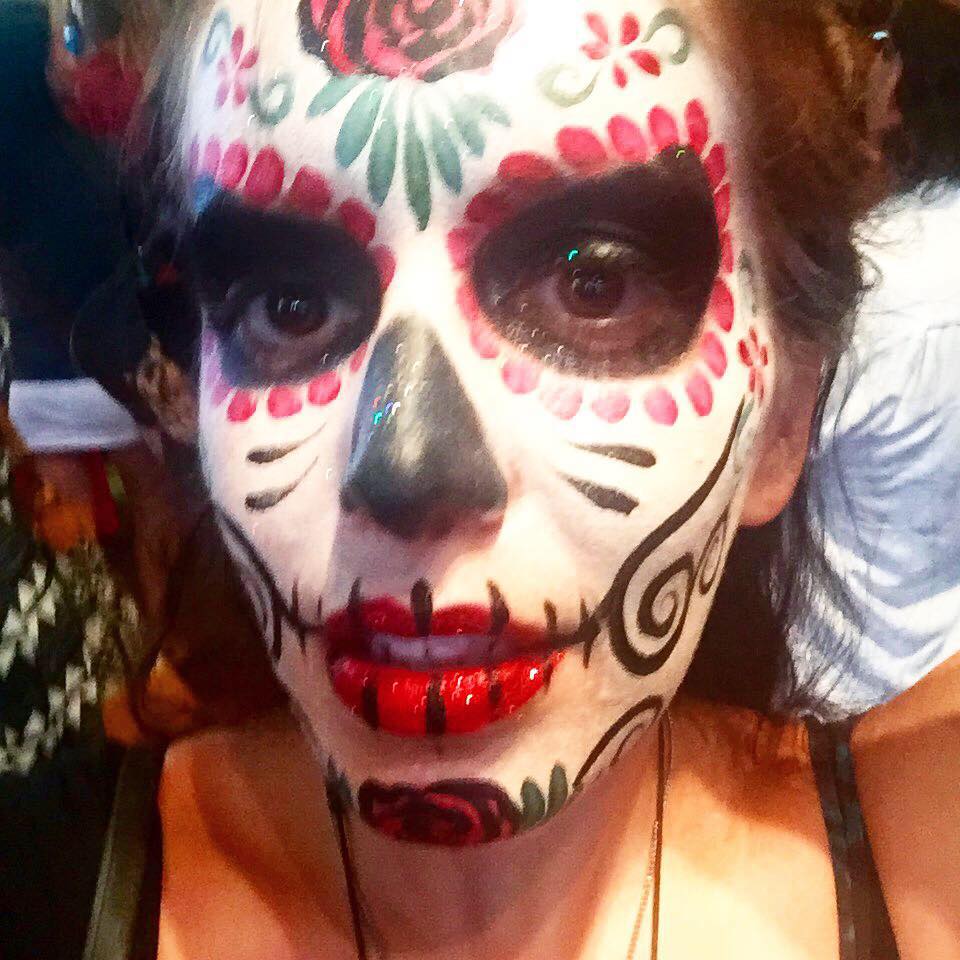
Nicolette Mallow in La Catrina face paint at the Viva la Vida festival in October 2015.

Each altar represents the regional and cultural differences within diverse areas of Mexico, including the following states: Guanajuato, Guerrero, Jalisco, Michoacán, Oaxaca, Puebla, San Luis Potosí, Veracruz, Mexico D.F. and Coahuila. Admiring the similarities and dissimilarities between the altars is part of the appeal. Not a single altar is identical to another, and yet the holiday spirit Día de los Muertos is strong within every altar, unifying the exhibition at the Mexic-Arte museum.

In 2003, the 78th Legislature of the State of Texas awarded the Mexic-Arte Museum as the Official Mexican and Mexican American Art Museum of Texas. Also according to their website, “Día de los Muertos is an ancient, Mexican and Mexican American religious holiday with a historically rich tradition that integrates both pre-Columbian and Catholic customs. It is often celebrated in connection with the Catholic Holy Days of All Saints’ Day and All Souls’ Day (dates and length of the celebration vary by state or region). In the celebrants’ minds, the holiday is a time to honor and greet their deceased relatives and friends, who make the journey back from Mictlan (the underworld in Aztec culture) to be with the living each year. These days are a time for families and friends to gather in celebration of life and death, embracing the circle of life rather than loss and sorrow.

Standing in a room of altars that pay homage and respect to the dead, it might not seem like a place of love and light to those unfamiliar with Día de los Muertos. However, there is an undeniable force of love and life flowing throughout the rooms. An intense and evocative kind of love that can be seen and felt like standing next to a bonfire on a frigid moonless night. Looking at the altars one-by-one, imagining the time it took to make it all by hand. Thinking about the fact that massive quantities of people from all over the country designate the time and energy each year to create memorials. Memorials that signify and represent their memories towards family members or loved ones no longer living is indicative of their selflessness, loyalty and respect. It’s indicative of their devout love. It’s very moving to the heart and mind as guests walk from altar-to-altar; absorbing a sense of each person, or persons, revered at every altar by those still living. Unlike a tombstone that only states a name and dates of life, these large altars are unique to each family member and give viewers are stronger sense of personality. Books, jewelry, baskets of black beans, blankets, pottery, Marlboro cigarettes, bottles of tequila, and guitars; various items are placed throughout the altars, humanizing and personalizing the interests and pleasures of each person’s life.

Additionally, bright lights and vivacious colors illuminate the altars. Color and light are key elements in this exhibition at the Mexic-Arte Museum. Blue, red, pink, yellow, green and violet are prominent colors seen throughout the altars in the main gallery. Marigold flowers are one particular item of deeper significance seen at every altar. “Marigolds guide the spirits to their altars using their vibrant colors and scent. It is believed that the spirits of the dead visit the living during the celebration. Marigolds, or flowers in general, also represent the fragility of life. The marigold most commonly used in Día de los Muertos celebrations is the Targetes erecta or African Marigold, otherwise known as cempasúchil or flower of the dead.”

To view the history of thirty-one prior Día de los Muertos celebrations at the Mexic-Arte Museum, please venture to the annex gallery. Exhibitions will be on display through most of the autumnal season until mid-November. Please note the Viva la Vida festival is a daylong, eight-hour event open to the public on October 31, 2015. Tickets to the Catrina Ball on October 17, 2015 can be purchased online. For more information regarding upcoming events, exhibitions, admission, memberships and hours of operation, please visit www.mexic-artemuseum.org or call 512-480-9373.

¡Viva Mexico & Tejas!

Note: This article was originally published on Examiner.com in October 2015. 

This slideshow requires JavaScript.

‘Natalie Frank: The Brothers Grimm’ exhibition on display at The Blanton Museum of Art

natalie frank

“Six Swans III” – Drawing by Natalie Frank. (Photography by Nicolette Mallow.)

Natalie Frank: The Brothers Grimm is a current exhibition hosted by The Blanton Museum of Art at The University of Texas at Austin. Located within five different rooms that are all interconnected, the gallery is adorned with dozens of gouache and pastel drawings showcasing Frank’s hypnotizing and graphic fairy tale art. Make no mistake; the Brothers Grimm fairy tales are not reflective of the typical happily-ever-after stories that modern authors portray to our children today. Originally, these fairy tales were written for adults, not adolescents. Therefore, stand warned that Frank’s exquisite drawings are not necessarily child-friendly. Viewers with kids are advised to take a stroll before taking their children through the gallery.

“Looky, look, look at the shoe that she took. There’s blood all over, and the shoe’s too small. She’s not the bride you met at the ball,” (Grimm’s Fairy Tales).

This slideshow requires JavaScript.

This fairy tale exhibition is a collection of otherworldly, unforgettable stories written hundreds of years ago. Magical, dark, haunting, and spellbinding. The colorful illustrations tell the Brothers Grimm stories of love, lust, death, tragedy, and (historical) folklore. During an interview with The Wall Street Journal, Frank explains how she “delved deeper into the early, unsanitized editions, she saw why so many of the brothers’ story plots contained brutal violence and elements of shape-shifting magic: Their folk tales were actually being told and retold by women who had to navigate a 19th-century social and political world wherein they held almost no power over their fates. Marriages were typically arranged; death during childbirth was common. Suddenly, the princesses, hags and witches in the Grimm’s’ fairy tales felt grounded and complex to Ms. Frank, and she started making drawings that could reflect these characters’ vulnerabilities and strengths.”

Blood, castles, animals, metamorphosis, nudity, genitalia, nature, and the supernatural can all be found in the artwork. The use of imagination within Natalie Frank: The Brothers Grimm is striking, unique and disturbing. The imagery is very intense, such as Frank’s drawing “Brier Rose,” which depicts a woman who almost seems to be drugged or half-conscious, missing clothing and unable to resist any advances. Her story entails a one-hundred-year-sleep caused by an evil witch, masked and blindfolded in a blood-red veil as a half-man and half-beast creature weighs down upon her as if to approach her in a sexual manner.

These are not images one can easily forget.

Entranced by the images in the artwork, walking through the gallery lures viewers to step out of modern times for a while. To think these stories were told centuries ago is fascinating and a bit creepy. Frank’s storybook illustrations are booming with bold and powerful colors that lighten the heaviness of the stories. The colors are so playful and bright like a children’s room, and yet the symbolism is so dark and grim. The gallery includes almost 20 stories, including the following: Snow White, Brier Rose, The Frog King, Rapunzel, The Juniper Tree, Endpaper, The Devil with The Three Golden Hairs, and Six Swans.

According to The Blanton Museum of Art, “Natalie Frank: The Brothers Grimm, is an exhibition of more than 30 gouache and pastel drawings by artist Natalie Frank, a New York-based Austin native. Organized by The Drawing Center in New York, this presentation explores the nineteenth-century fairy tales of Jacob and Wilhelm Grimm. Drawing upon the history of illustrated books, figuration, and personal and political narrative, Frank’s drawings represent the largest collection of Grimm’s fairy tales ever illustrated by a fine artist.”

“Mirror, mirror on the wall, who in this realm is the fairest of them all? … You, my queen, may have a beauty quite rare, but Snow White is a thousand times more fair,” (Grimm’s Fairy Tales).

natalie frank

“Brier Rose III” – Drawing by Natalie Frank. (Photography by Nicolette Mallow.)

The exhibition will be featured at The Blanton Museum of Art at The University of Texas at Austin until November 15, 2015. The Blanton Museum of Art is a lovely university museum full of natural light, tall ceilings, blue tiling, installation pieces, statues and grand stairwells that facilitate the galleries. Over 17,000 works of art have become part of their permanent collection. However, due to the fact this particular gallery in the museum has no windows and flash photography is prohibited: It is strongly advised to visit the exhibition (and Natalie Frank’s website) in order to see her drawings in all their splendor and vivacity. Be sure to also check out storyteller Tom Lee on October 15, 2015 at 6:30 PM at The Blanton Museum of Art to perform selected stories from Frank’s illustrations. For more information regarding the exhibition, the museum or the artist, please visit www.natalie-frank.com or www.blantonmuseum.org.

Note: This article was originally published on Examiner.com in August 2015. 

Crystal Works is still sparkling magic and alchemy in Austin

nicolette mallow

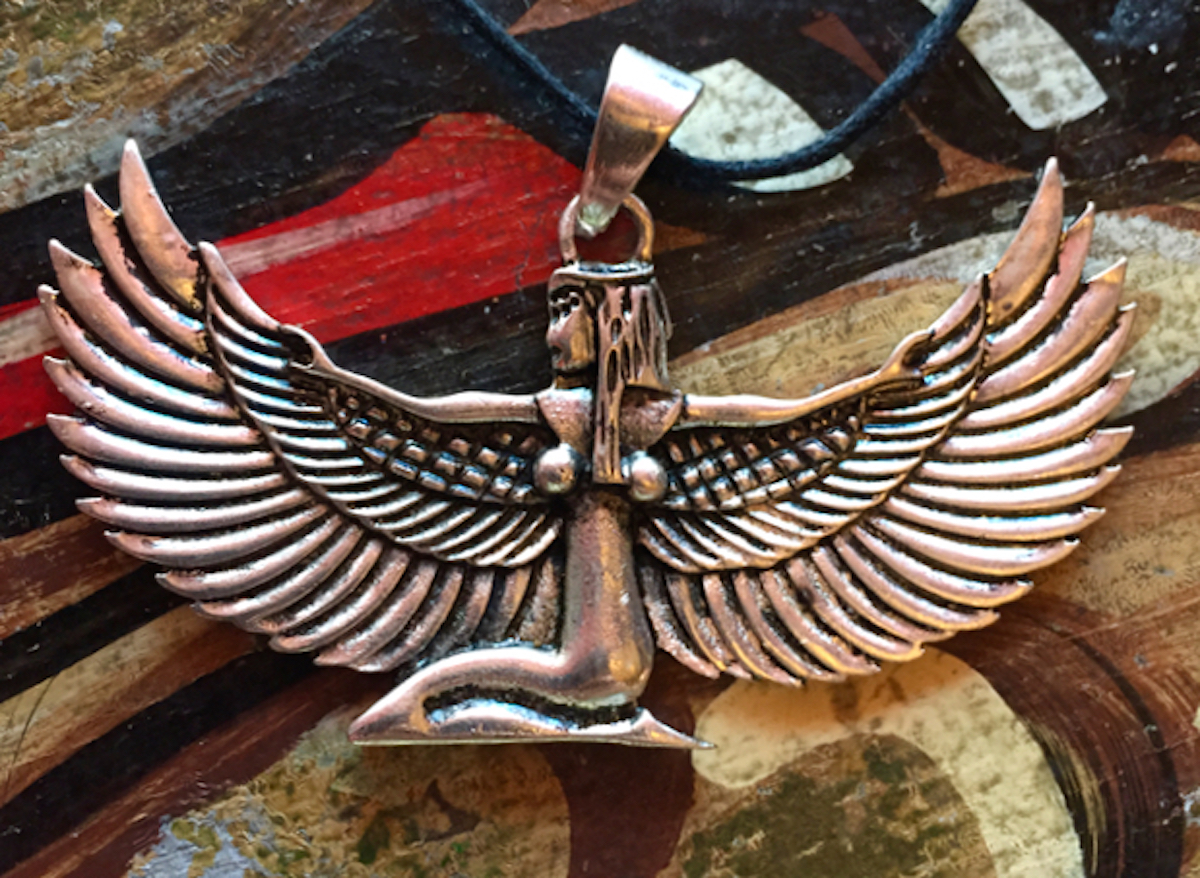
Pendant of the Ancient Egyptian goddess, Isis, found at Crystal Works in Austin, Texas. Photography: Nicolette Mallow.

A local gemstone within the city of Austin, Crystal Works is a distinct boutique filled with many treasures and ancient folklore from around the world. Stock full of Swarovski crystal prisms, gemstones, aromatherapy oils, pendants, sage, books and artwork: Crystal Works is a place of alchemy, magic, spirituality and healing. From the outside, before even setting foot inside, guests notice and admire lots of individual crystals on display; dangling from the tops of the windowsill in many different shapes and sizes. Adjacent to the crystals, also levitating inside the window are authentic dream catchers with feathers and rainbow maker mobiles. The term ‘rainbow maker’ is quite literal, meaning these special crystals radiate light the colors of the rainbow. Twirling gently and elegantly with the airflow, these crystals allure and tantalize the eyes by emitting rays of rainbow-colored light beams. Color and light are key elements at Crystal Works.

Upon entrance, the moment guests do cross the doorway; all the energy in the atmosphere transforms and everything becomes particularly peaceful and calm, like standing in a meditation room. Serene music plays in the background. And amidst the serene music, echoes from rock waterfalls can be heard as the water flows about in their stone pools. Tiny bells can be heard jingling softly, too, from dream catchers, charms and spirit bells.

There is no other shop in Austin quite like it, and even the air smells differently within this local alchemist haven. According to the founder and owner, Cathleen Day, “The wonderful smell of Crystal Works comes from our many organic scents. There are no chemicals or artificially scented products. The gemstone fossils and crystals are from all over the world and their colors wash over the eye, causing a delightful endorphin cascade. The ancient folklore ascribed to the stones is intriguing and connect us with beliefs and cultures thousands of years old.”

Alongside many of the gemstones, geodes and minerals are note cards to inform guests as to what each piece represents and the healing powers they’re said to possess. The ancient folklore behind all these stones is quite interesting and there are many books that entail clearer insight into each one. For instance, black onyx gemstones are thought to provide protection. Bloodstones are believed to attract peace, healing and compassion. Tiger’s eye is a warrior stone that brings balance, whereas Rose Quartz is a stone of unconditional love.

Crystal Works is completely filled to the brim with beautiful merchandise. Whether it’s looming from the ceiling, pinned to the wall or resting on the floor, there is no space left empty. It takes several visits to regard and absorb everything Crystal Works has to offer. Some of the more expensive items are locked away in glass cases. However, most of the items can be seen and touched. On the counter tops surrounding the register is unique, one-of-a-kind jewelry made from gems and minerals, separated by colors and stones: Red, blue, violet, green and onyx. Various kinds of cards can be found, too. Educational, scientific and holistic books are stacked in the corner. Additionally there are little Buddha shrines and mirrors scattered about the shop.

For nearly 40 years Crystal Works has been in operation. The store came to be in 1977 when Cathleen Day was “admiring the rainbows from a friends’ sparkling prism and it was decided right then she wanted to begin selling them”. Since then, the shop has flourished from only selling Swarovski crystal prisms to the extensive inventory that it’s become today.

Located on the corner of 12th and Lamar near Enfield, Crystal Works is open seven days a week. Please refer to the website or Yelp for hours of operation. For more information, please call 512-472-5597 or www.crystalworksaustin.com.

Note: This article was originally published on Examiner.com in September 2015

Screen Shot 2016-07-07 at 3.45.46 PM