Gabriel Garcia Marquez is immortalized by The University of Texas at Austin

nicolette mallow
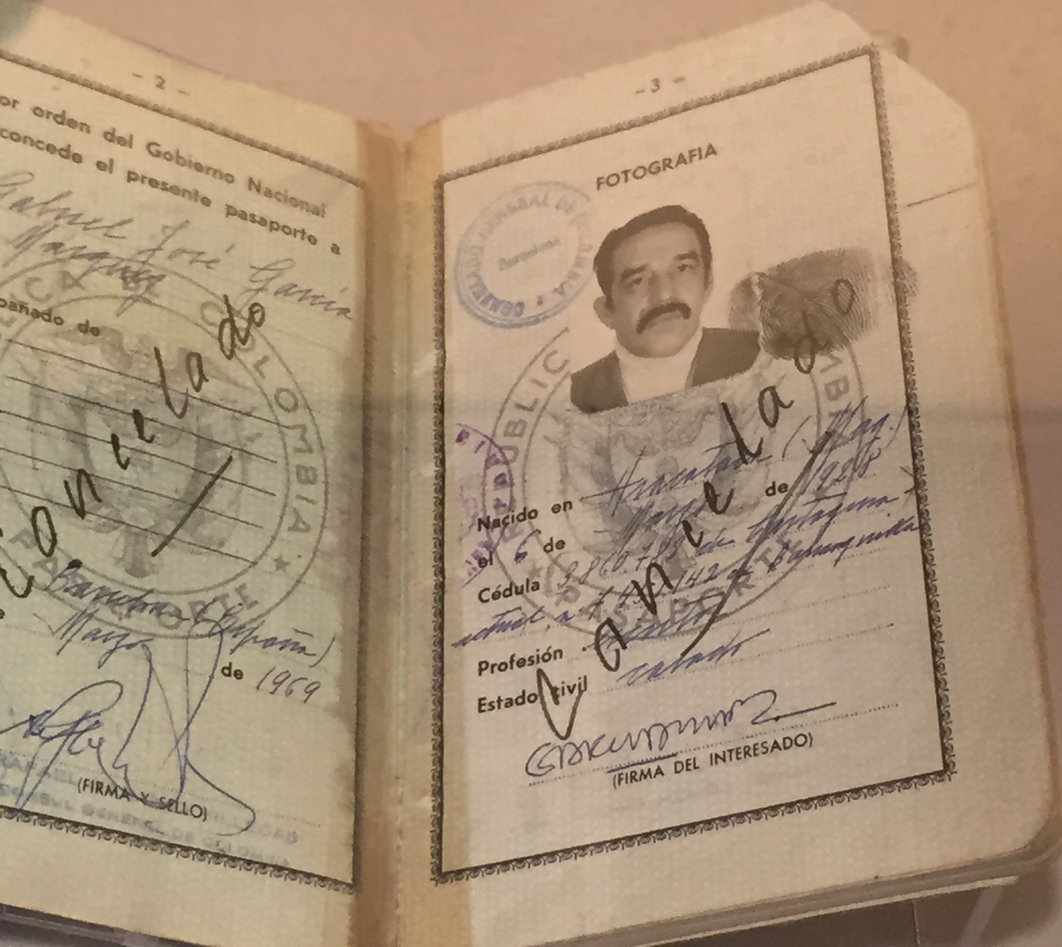
Pasaporte de Gabriel Garcia Marquez, 1969-1976. Photography by Nicolette Mallow.

The Harry Ransom Center at The University of Texas at Austin has become a safe haven of archives in honor of Gabriel Garcia Marquez. A magical realism writer that created words of mysticism, beauty, love and tragedy; Marquez, also known as Gabo, had an eternal voice that was so unique it created its own genre of writing. Marquez takes readers to another dimension within reality, like magic, and he is able to evoke heartfelt emotions that linger like the smell of fine perfume in the air, or tender kiss on the skin.
  • nicolette mallow
  • nicolette mallow
  • nicolette mallow
  • nicolette mallow

According to the Harry Ransom Center, “More than 75 boxes of documents constitute the archive of the Colombian-born author, journalist, screenwriter and key figure in Latin American history and politics. Researchers will have access to manuscript drafts of published and unpublished works, correspondence, 43 photograph albums, 22 scrapbooks, research material, notebooks, newspaper clippings, screenplays and ephemera.”

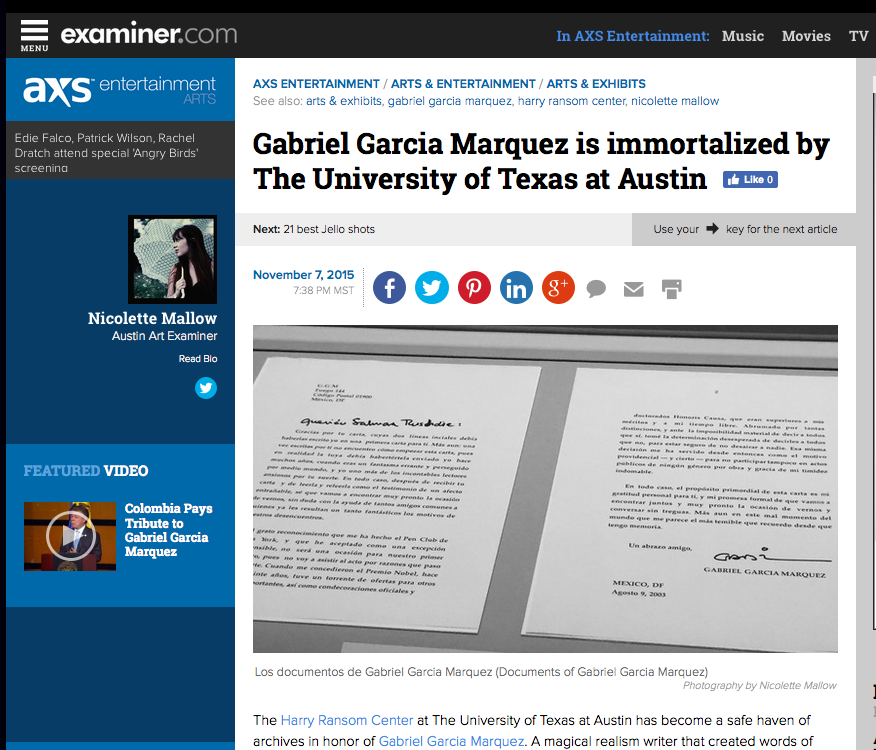
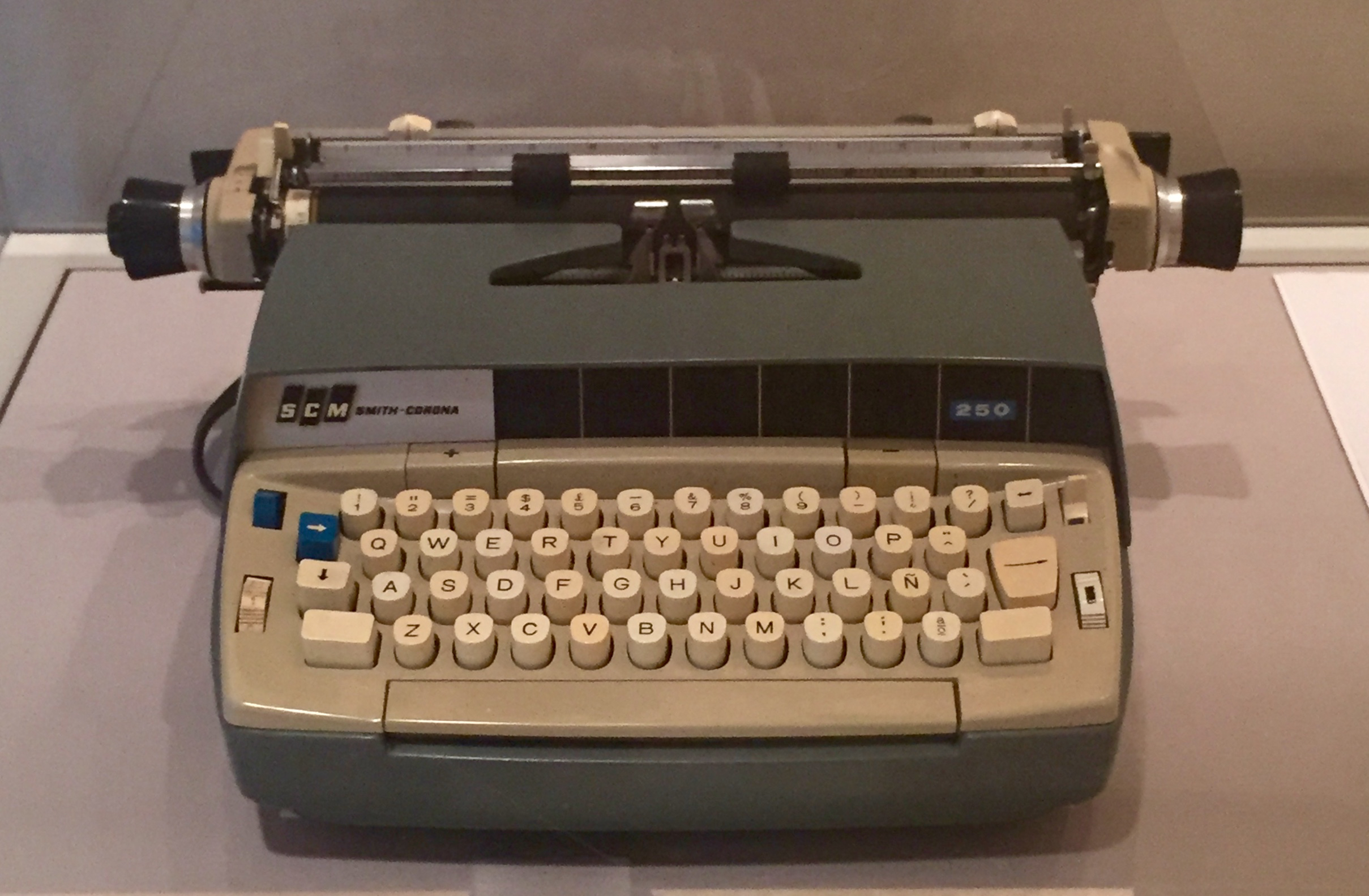
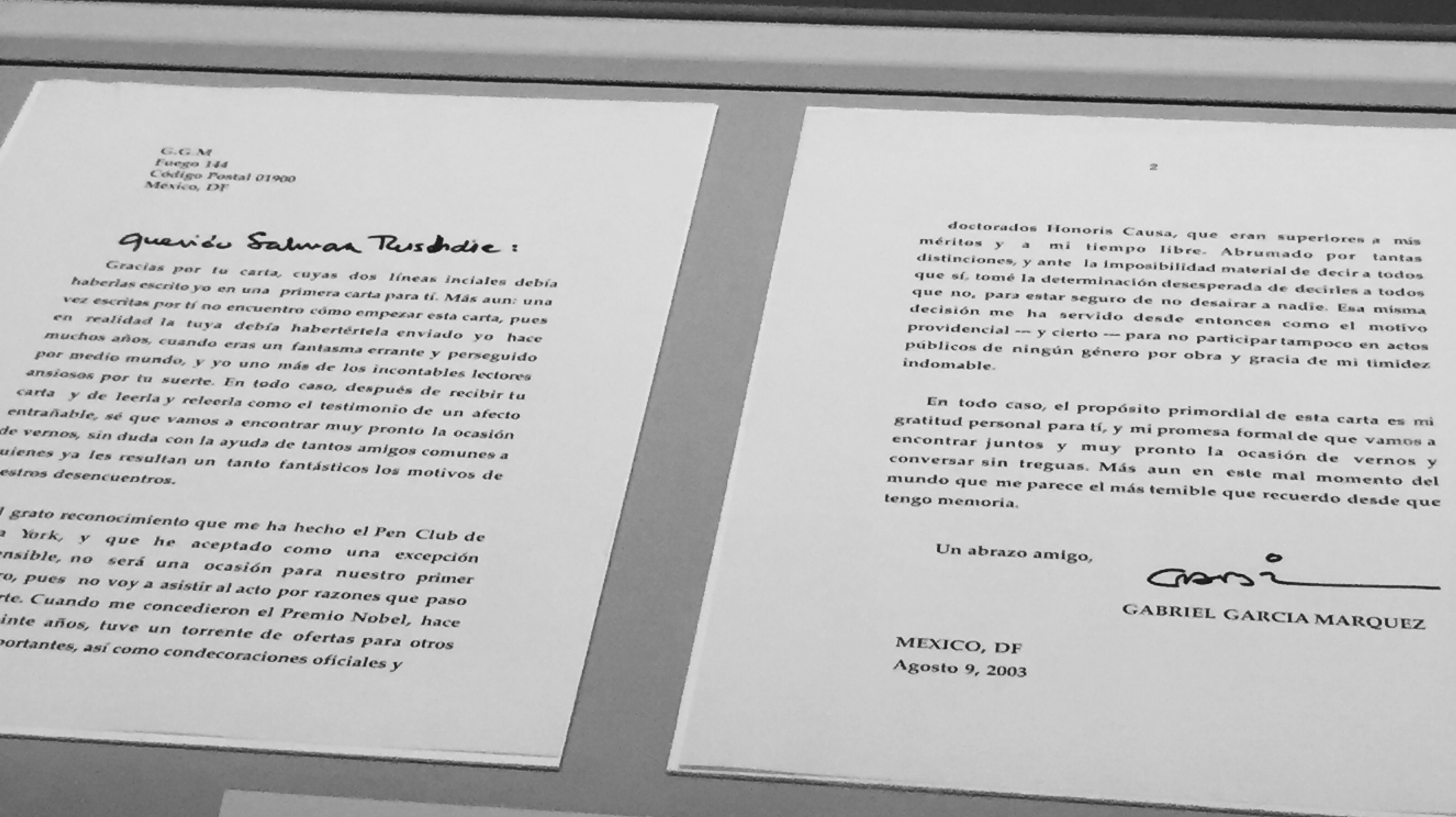
Also on display within the library and museum are a few glass encasings for viewers to admire entailing the following artifacts: Gabriel Garcia Marquez’s passport, edited transcripts, his Nobel Prize acceptance speech, a letter to US President Jimmy Carter, and edited chapters of his book. Within one of the display cases on the first floor, guests can regard the Smith-Corona 250 typewriter that Marquez used to write so many of his stories. To imagine his hands working on all those keys. Touching all those keys thousands upon thousands of times as he wrote stories that would fill the world with magic. It was a remarkable experience to see the typewriter that he used to write. And it was a delight to see his handwriting in Spanish amongst all the edited transcripts, letters and chapters of his books.

Born the year of 1927 in Colombia, last year in 2014 Gabriel Garcia Marquez died of pneumonia in Mexico City. A great artist was lost that day. The New York Times ran an article soon after the writer passed in 2014 that read, “Mr. García Márquez, who received the Nobel Prize for Literature in 1982, wrote fiction rooted in a mythical Latin American landscape of his own creation, but his appeal was universal. His books were translated into dozens of languages. He was among a select roster of canonical writers — Dickens, Tolstoy and Hemingway among them — who were embraced both by critics and by a mass audience. Mr. García Márquez was a master of the literary genre known as magical realism, in which the miraculous and the real converge. In his novels and stories, storms rage for years, flowers drift from the skies, tyrants survive for centuries, priests levitate and corpses fail to decompose. And, more plausibly, lovers rekindle their passion after a half-century apart.”

In order to view the archives in the reading room, guests make partake in an online orientation video before requesting an appointment to visit. The display cases will be open to the public until November 11, 2015. For more information about the archives, the display cases or The Harry Ransom Center: please visit their website at http://www.hrc.utexas.edu.

“Así termino pensando en él como nunca se hubiera imaginado que se podía pensar en alguien, presintiéndolo donde no estaba, deseándolo donde no podía estar, despertando de pronto con la sensación física de que él la contemplaba en la oscuridad mientras dormía, de modo que la tarde en que sintió sus pasos resueltos sobre el reguero de hojas amarillas en el parquecito, le costó trabajo creer que no fuera burla de su fantasía.” – Gabriel Garcia Marquez (El Amor En Los Tiempos Del Colera).

“And so she thought about him as she never could have imagined thinking about anyone, having premonitions that he would be where he was not, wanting him to be where he could not be, awakening with a start, with the physical sensation that he was looking at her in the darkness while she slept, so that on the afternoon when she heard his resolute steps on the yellow leaves in the little park it was difficult for her not to think this was yet another trick of her imagination.” – Gabriel Garcia Marquez (Love in the Time of Cholera).

Note: This article was originally published on Examiner.com in November 2015.
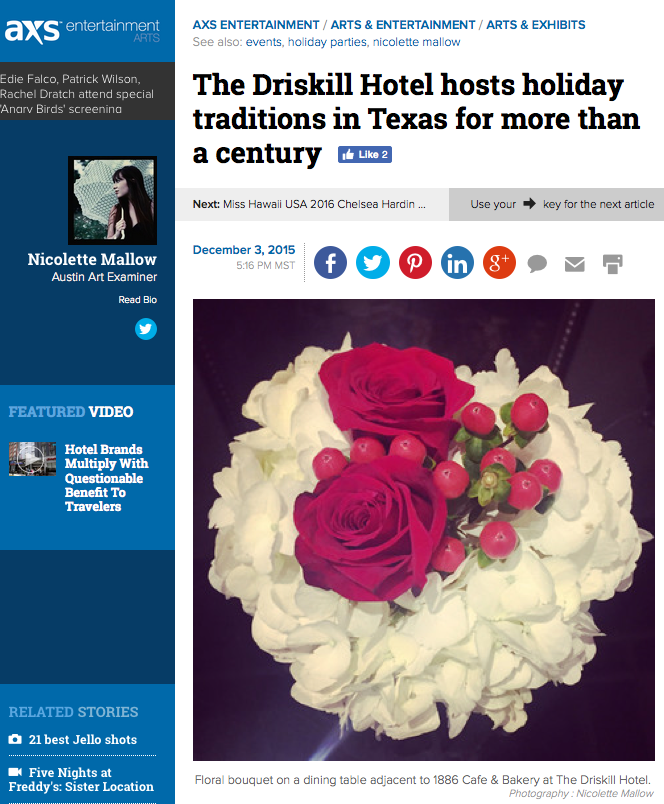
The Driskill Hotel hosts holiday traditions in Texas for more than a century

nicolette mallow

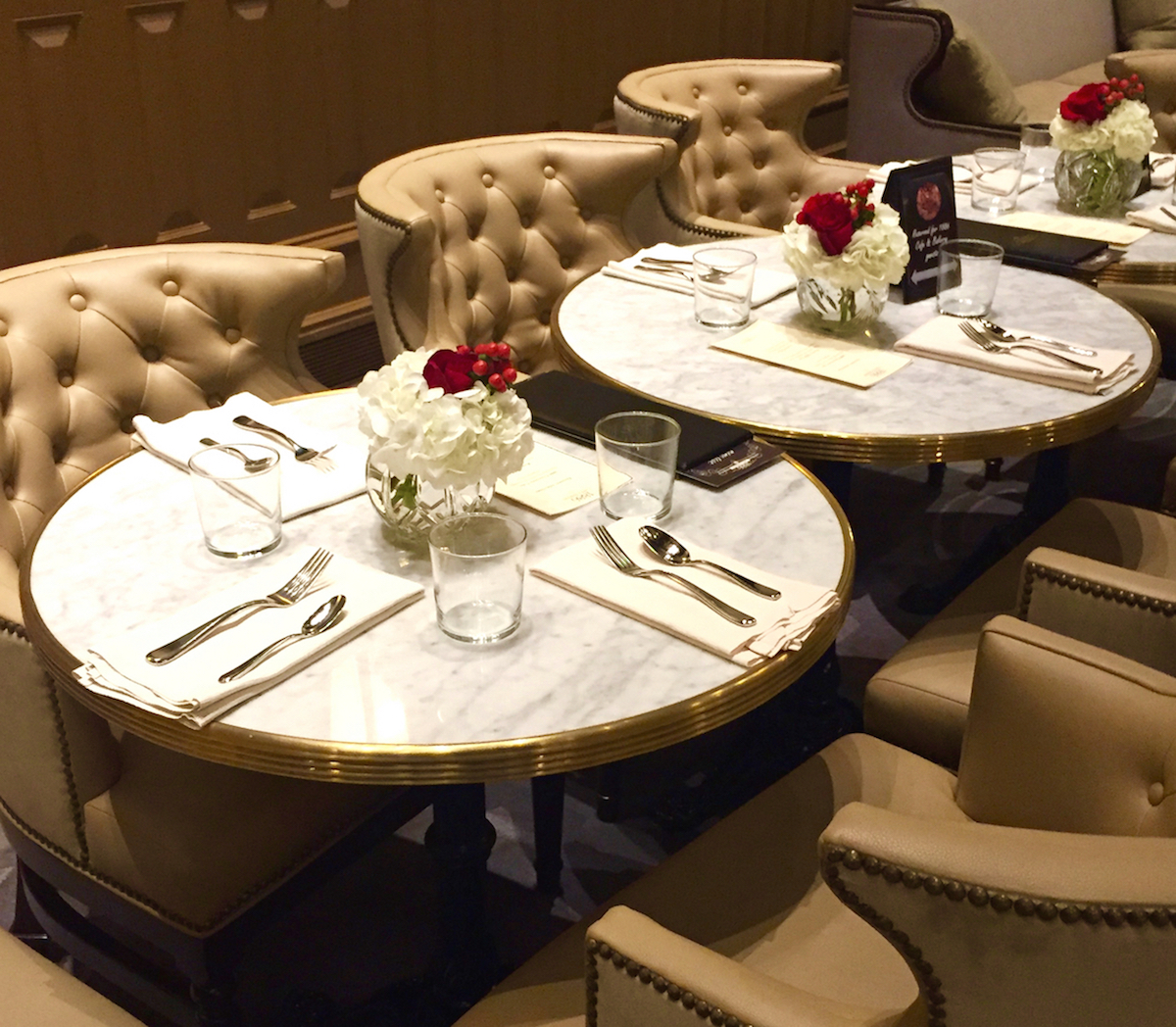
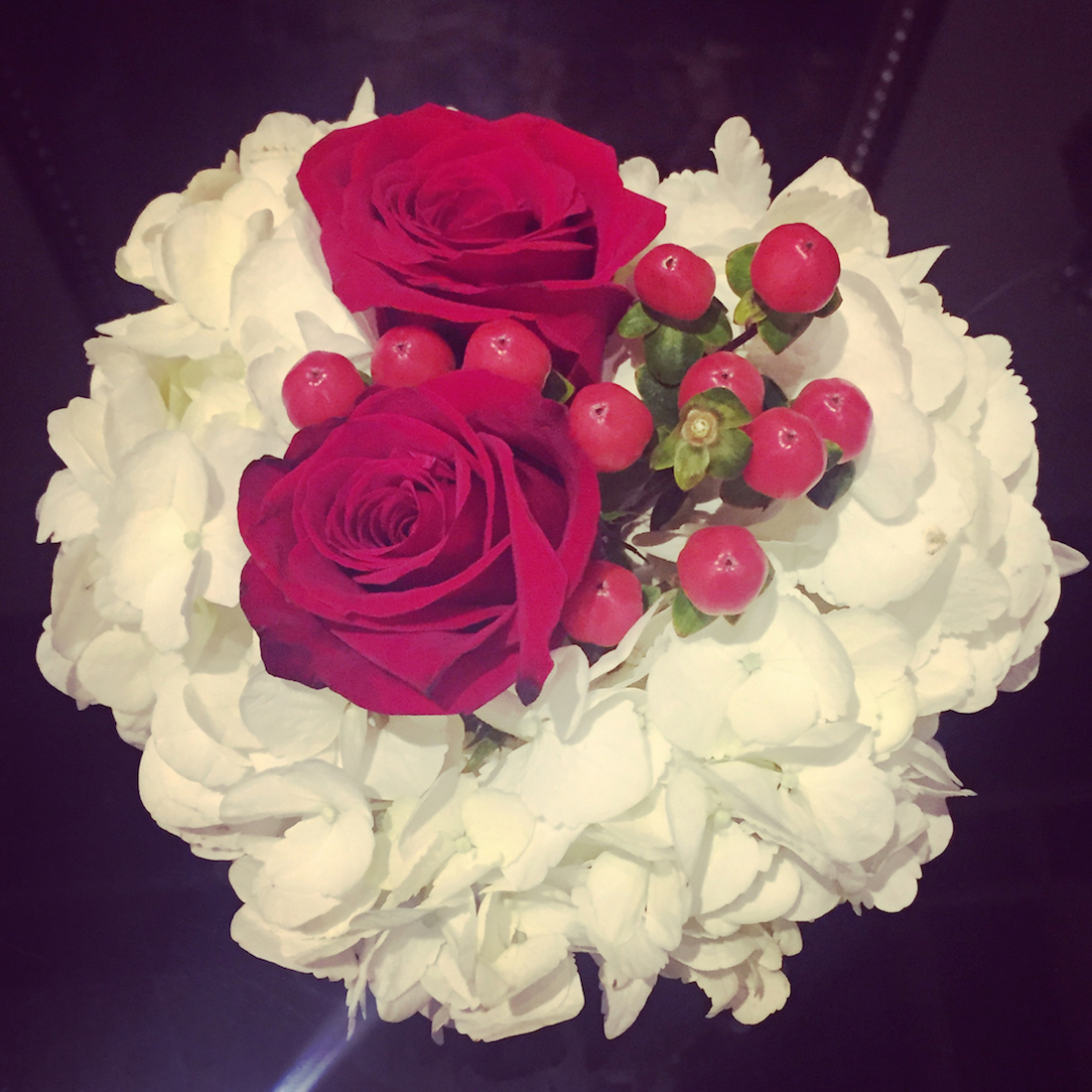
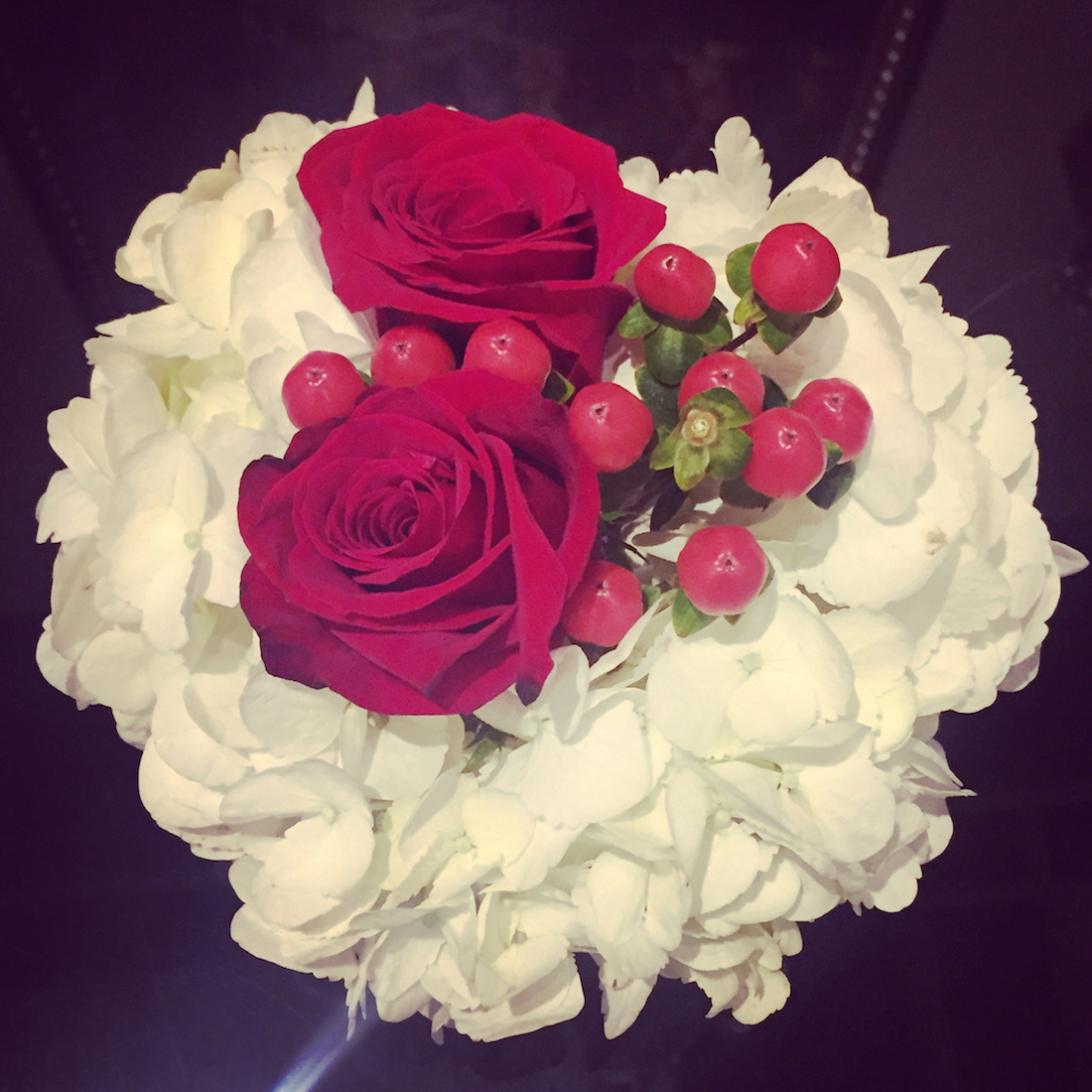
December flowers at The Driskill Hotel in Austin, Texas. Photography by Nicolette Mallow.

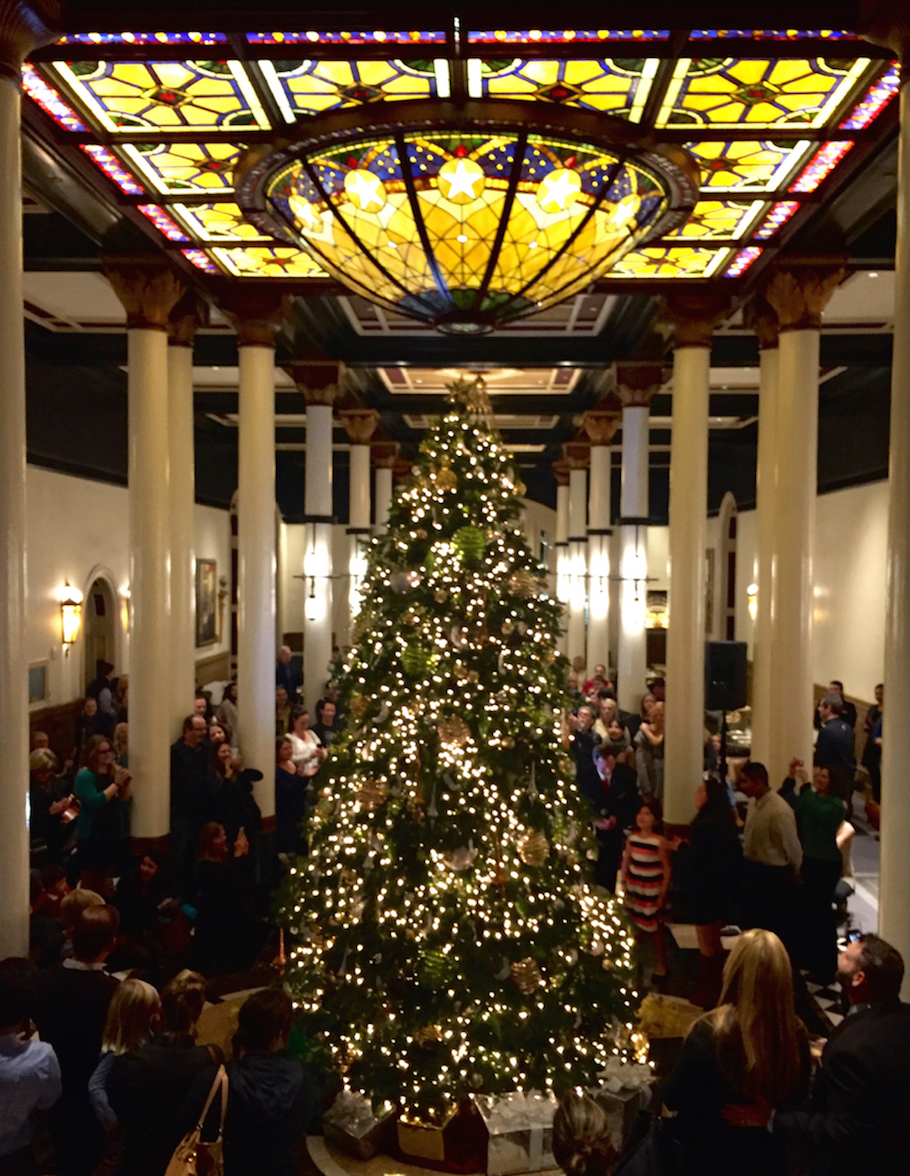
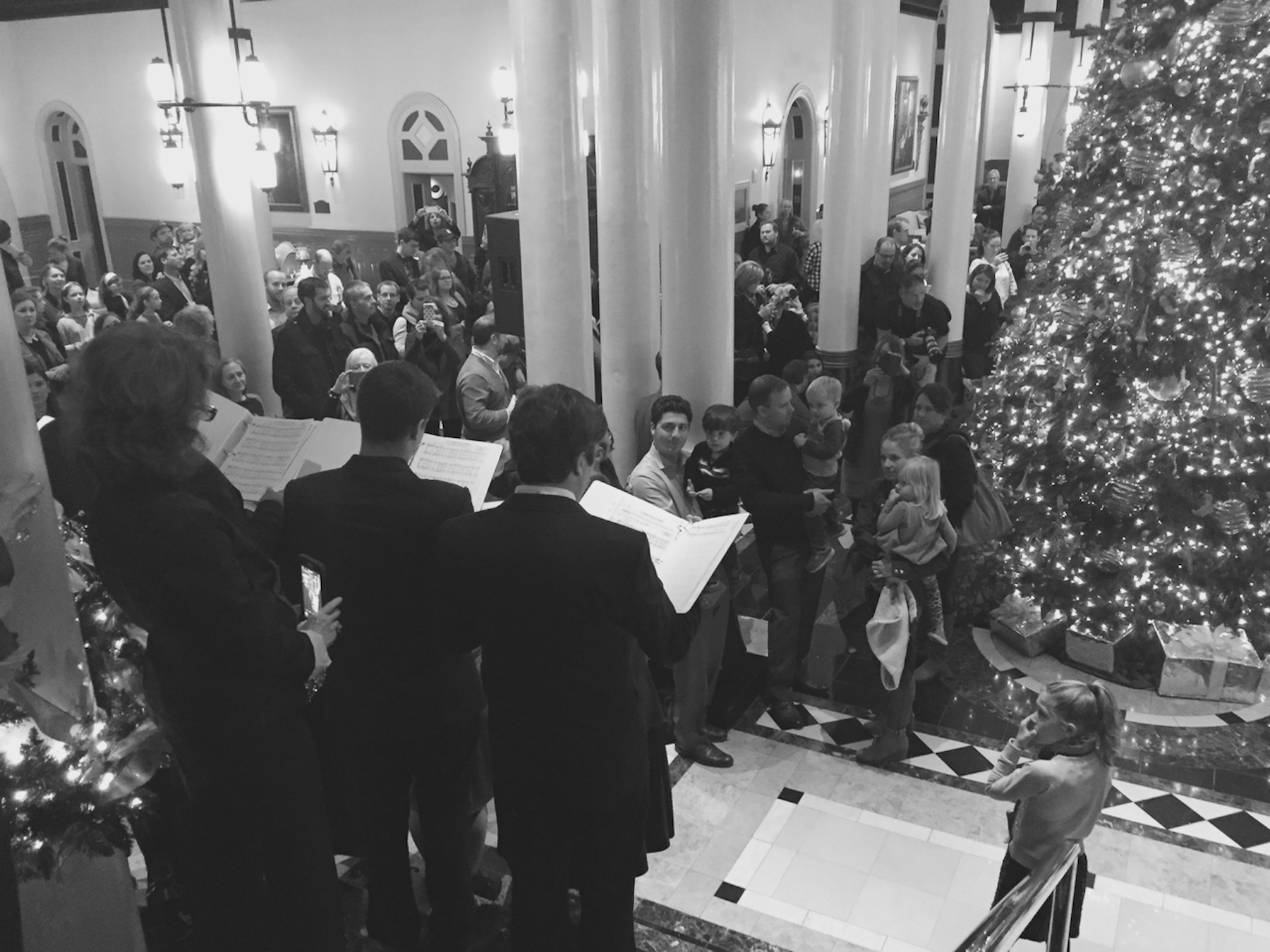
On the first of December at six in the evening, The Driskill Hotel initiated its annual holiday celebrations beginning with the lighting of the tree and a double quartet of singers from Austin Opera. A decorated tree is positioned in the center of the marble floors and columns within the main lobby closest to the grand stairwell. This holiday tree is illuminated and glowing the entire month of December. The tree is so substantial in size that the gold star on top nearly touches the stained glass dome of the ceiling.

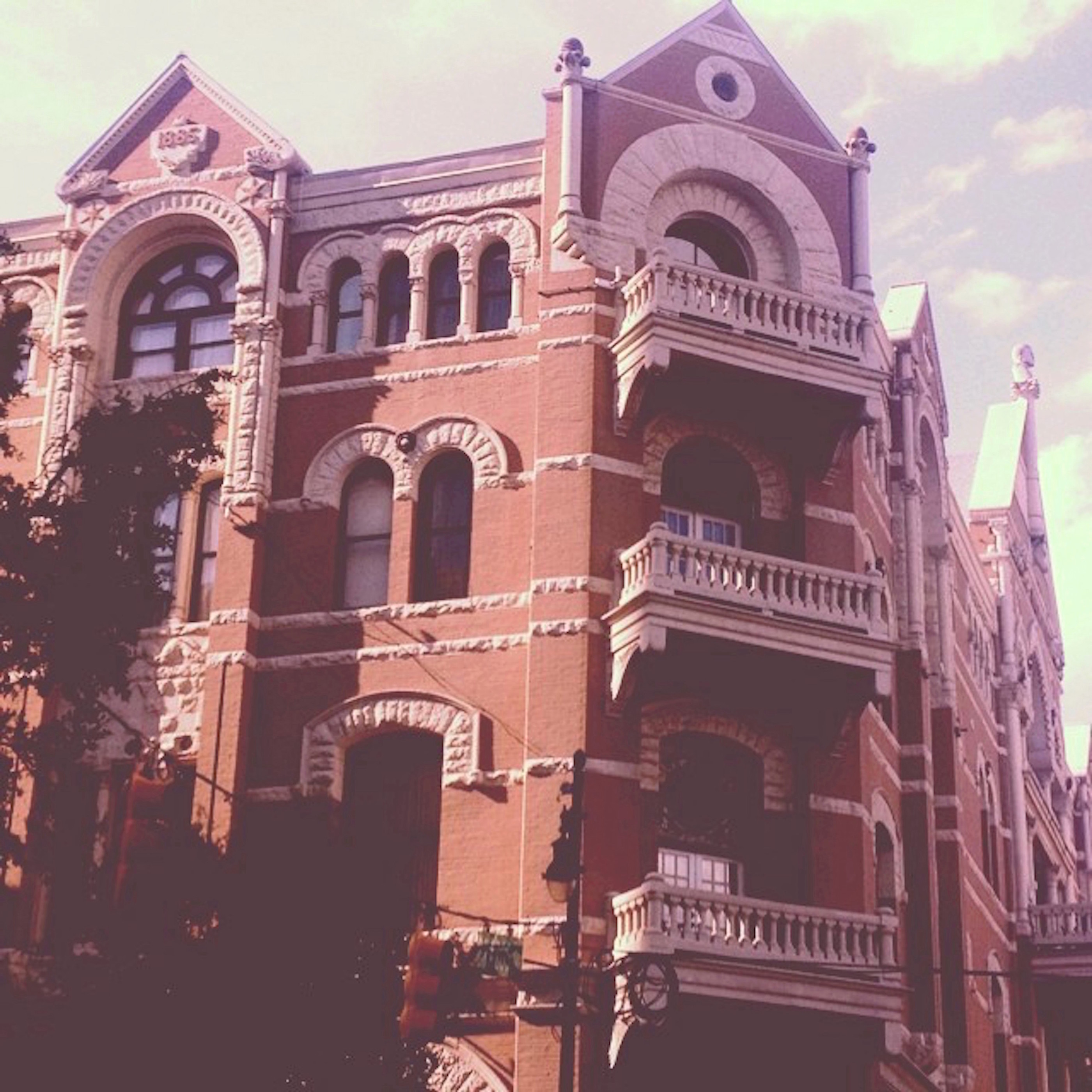
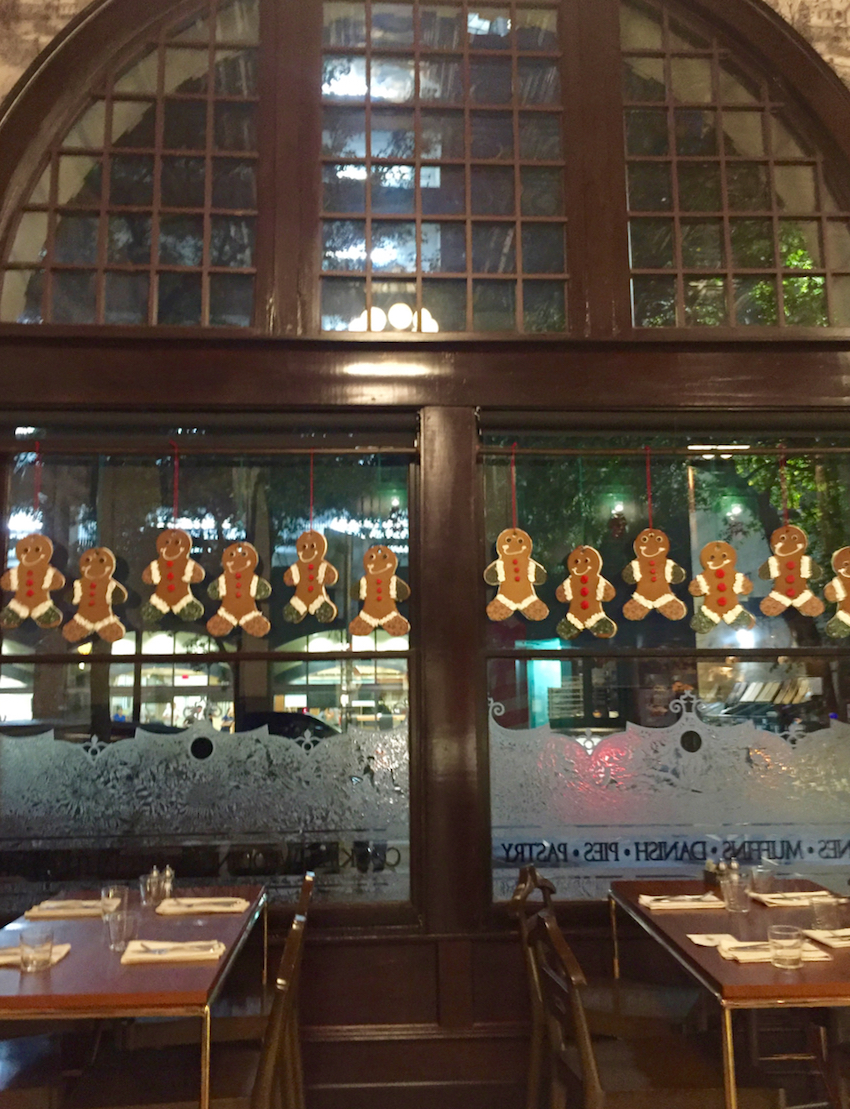
Throughout December, for nearly 130 years since it was built in 1886, The Driskill Hotel hosts annual time-honored traditions to celebrate the holiday season. Notably, The Driskill is the oldest operating hotel in Austin, Texas and the architecture is Romanesque in design. When you enter the hotel it’s like going back in time, or finding a magical hiding place in town, because there is something otherworldly about the building’s energy. Yet you know you’re in Texas by all the lone stars, leather, cowhides and southern hospitality. Even horse carriages still wait outside to take guests and locals for a stroll through downtown. An artistic infusion of different periods; there is no other structure in Austin quite like it. Blocks away from the Texas State Capitol, The Driskill is a Historic Landmark, and its European design carries a prominent, unique presence amongst modern-day architecture in the downtown vicinity. This refined hotel is aesthetically beautiful and elegant, inside and out. However, every December, as the holiday season arrives: The Driskill shines brighter than ever with its festive, colorful decorum and sparkling tealights. Even before entering the hotel, dozens of homemade gingerbread men can be seen dangling happily in the windows of 1886 Cafe & Bakery. The gingerbread men are reasonably large, decorated with smiles of white icing, red candied buttons, green checkered stockings, and eyes made of chocolate.

  • nicolette mallow

In addition to the lovely holiday decorum on display the month of December, The Driskill will also feature holiday events on selected days and nights: seasonal music from a live string quartet, Afternoon Tea, an Afternoon with Santa, and Christmas Day in The Driskill Grill. Prices per event do vary. The Driskill Bar upstairs, which was recently named the best cocktail bar by The Austin Chronicle, hosts live music as well. Guests can escape the cold and warm up with snacks and a libation, or an apple cider, within the lounge area while enjoying the lyrics and melodies of various singers and songwriters. Don’t forget to try the mejdool dates wrapped in bacon!

Furthermore, on December 13th at 2:00 PM, Cookies for Caring is another holiday-related charity event at The Driskill. “In collaboration with the Austin American-Statesman’s Season for Caring, The Driskill is hosting a holiday cookie swap. Guests can create their own holiday cookie collection and a portion of the proceeds will be donated to The Austin American-Statesman’s Season for Caring charity drive.” Cookie tins cost $25 per person and will be waiting for guests upon arrival to the event.

Seasonally decorated gourmet cookies can also be purchased at 1886 Cafe & Bakery, a premier restaurant within the hotel named after the year The Driskill came to life. “The Driskill Hotel opened on December 20, 1886, to great fanfare and applause from Austin’s 20,000 residents. Since that time, the ‘grande dame’ of Texas hotels has remained a magnificent gathering place for locals, Texans and others to celebrate the holidays and other special moments of their lives in Colonel Jesse Driskill’s splendid Romanesque masterpiece. We invite you to recapture a nostalgic memory from a holiday season long past and to create new memories for your family and friends during our holiday celebrations.”

The Driskill Hotel holds 189 guest rooms and suites. Guests may also admire The Maximilian Room, the Governor’s Boardroom, the Mezzanine and the Victorian Room. For more information about holiday events, hotel reservations, catering, or The Driskill Bar and Grill: please visit their website at www.driskillhotel.com or call 512-439-1234.

Note: This article was originally published on Examiner.com in December 2015. 

Viva la Vida: Mexic-Arte Museum honors Día de los Muertos festival for 32 years in Tejas

nicolette mallow

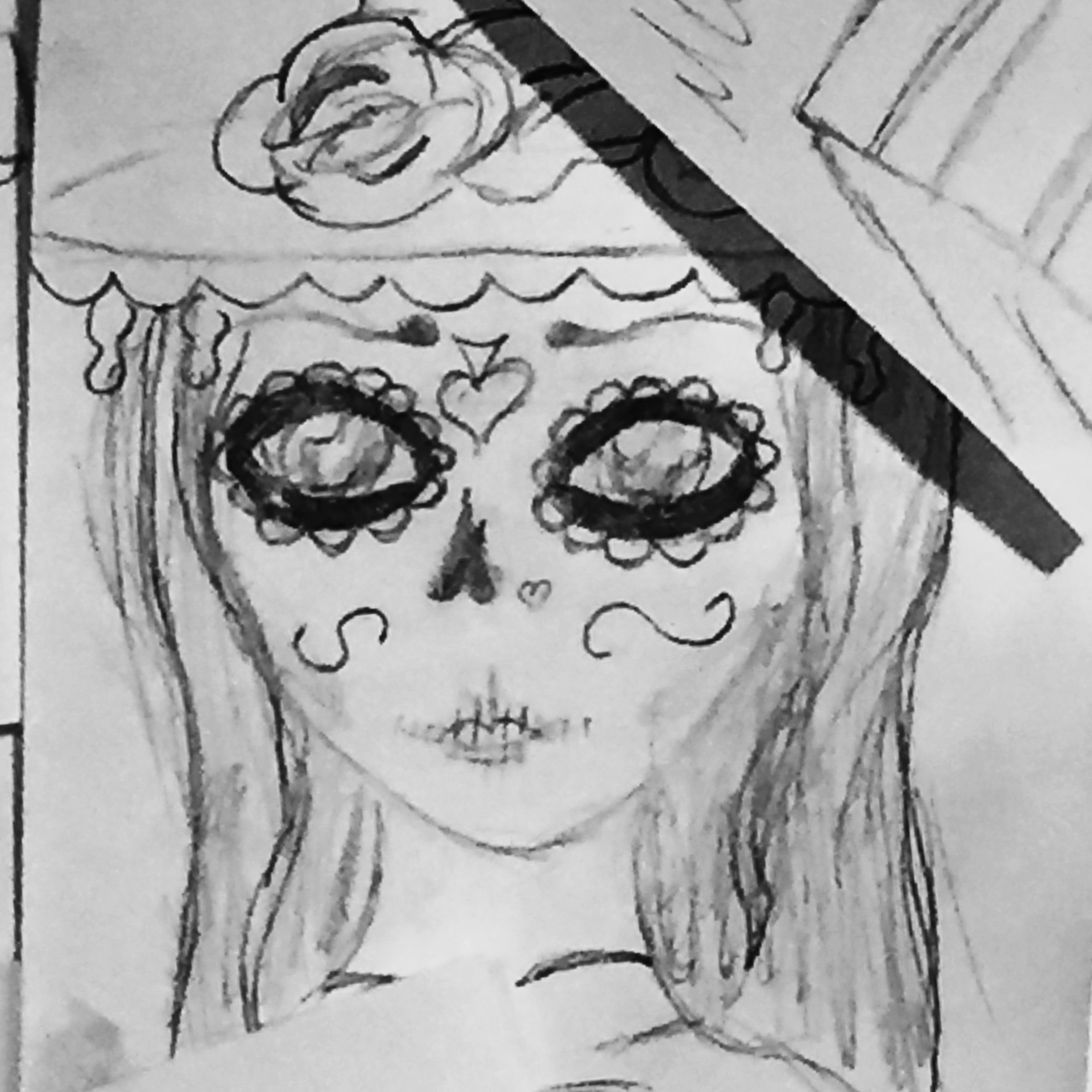
La Catrina drawn by unknown artist at The Mexic-Arte Museum. Photography by Nicolette Mallow.

Since the doors first opened in 1984, the Mexic-Arte Museum in Austin has celebrated thirty-two years of Día de los Muertos (Day of the Dead) festivities. This October the museum presents two seasonal exhibitions alongside its annual Viva la Vida festival featuring a grand procession, artist vendors, live music, and a grand sugar skull piñata float by local piñata artisans Monica and Sergio Lejarazu. The museum will also host a black-tie masquerade event known as the Catrina Ball that will debut at The Four Seasons Hotel.

The highlighted Día de los Muertos exhibition at the Mexic-Arte Museum, Community Altars: Ofrendas Inspired from the States of Mexico, is located within the main gallery and contains nearly a dozen altars to honor the lives of loved ones who are deceased. Adorning the altars are flowers, crosses, candles, angels, framed photographs, flags, hand-cut paper, skulls and catrinas. Echoes of a film directed by Jim Hill, Llamar a los Muertos a Casa (Calling Home The Dead), are heard as guests walk about the rooms. In the very back of the exhibition there is a bench to sit and watch the movie about the villagers of Lake Pátzcuaro. And viewers can learn why it’s believed this land is a doorway to heaven.

nicolette mallow

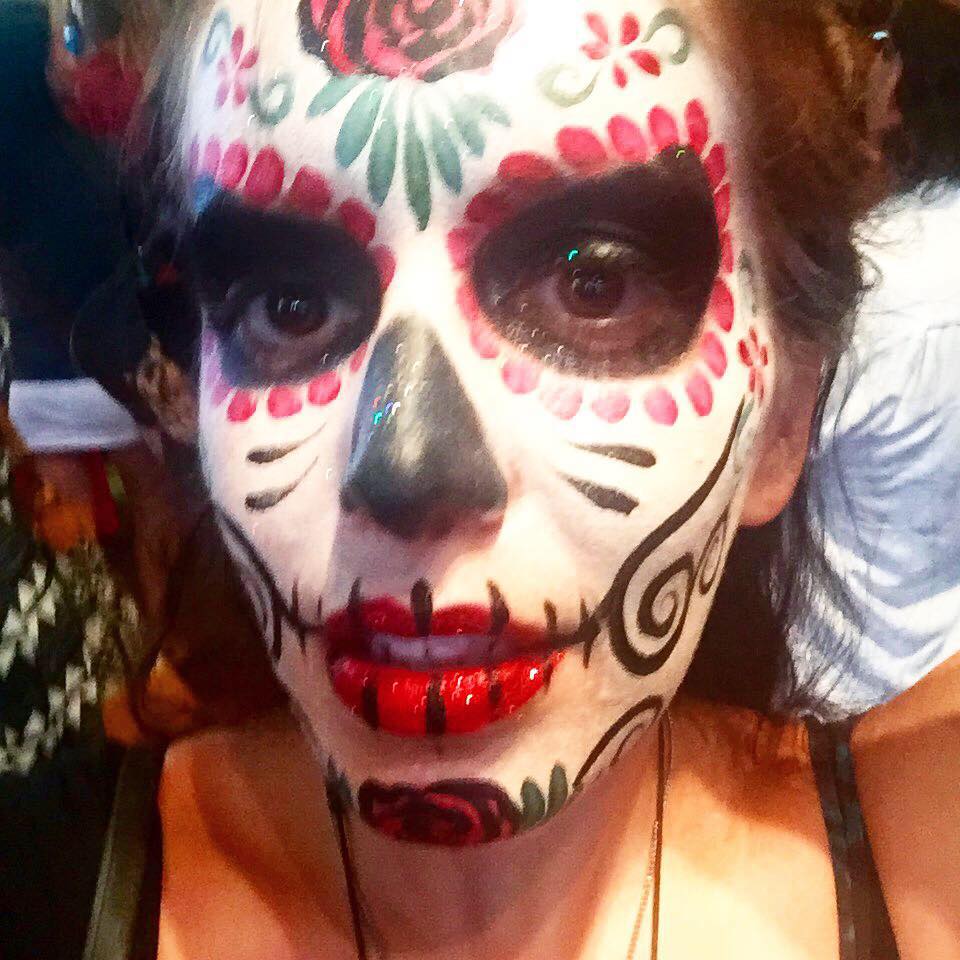
Nicolette Mallow in La Catrina face paint at the Viva la Vida festival in October 2015.

Each altar represents the regional and cultural differences within diverse areas of Mexico, including the following states: Guanajuato, Guerrero, Jalisco, Michoacán, Oaxaca, Puebla, San Luis Potosí, Veracruz, Mexico D.F. and Coahuila. Admiring the similarities and dissimilarities between the altars is part of the appeal. Not a single altar is identical to another, and yet the holiday spirit Día de los Muertos is strong within every altar, unifying the exhibition at the Mexic-Arte museum.

In 2003, the 78th Legislature of the State of Texas awarded the Mexic-Arte Museum as the Official Mexican and Mexican American Art Museum of Texas. Also according to their website, “Día de los Muertos is an ancient, Mexican and Mexican American religious holiday with a historically rich tradition that integrates both pre-Columbian and Catholic customs. It is often celebrated in connection with the Catholic Holy Days of All Saints’ Day and All Souls’ Day (dates and length of the celebration vary by state or region). In the celebrants’ minds, the holiday is a time to honor and greet their deceased relatives and friends, who make the journey back from Mictlan (the underworld in Aztec culture) to be with the living each year. These days are a time for families and friends to gather in celebration of life and death, embracing the circle of life rather than loss and sorrow.

Standing in a room of altars that pay homage and respect to the dead, it might not seem like a place of love and light to those unfamiliar with Día de los Muertos. However, there is an undeniable force of love and life flowing throughout the rooms. An intense and evocative kind of love that can be seen and felt like standing next to a bonfire on a frigid moonless night. Looking at the altars one-by-one, imagining the time it took to make it all by hand. Thinking about the fact that massive quantities of people from all over the country designate the time and energy each year to create memorials. Memorials that signify and represent their memories towards family members or loved ones no longer living is indicative of their selflessness, loyalty and respect. It’s indicative of their devout love. It’s very moving to the heart and mind as guests walk from altar-to-altar; absorbing a sense of each person, or persons, revered at every altar by those still living. Unlike a tombstone that only states a name and dates of life, these large altars are unique to each family member and give viewers are stronger sense of personality. Books, jewelry, baskets of black beans, blankets, pottery, Marlboro cigarettes, bottles of tequila, and guitars; various items are placed throughout the altars, humanizing and personalizing the interests and pleasures of each person’s life.

Additionally, bright lights and vivacious colors illuminate the altars. Color and light are key elements in this exhibition at the Mexic-Arte Museum. Blue, red, pink, yellow, green and violet are prominent colors seen throughout the altars in the main gallery. Marigold flowers are one particular item of deeper significance seen at every altar. “Marigolds guide the spirits to their altars using their vibrant colors and scent. It is believed that the spirits of the dead visit the living during the celebration. Marigolds, or flowers in general, also represent the fragility of life. The marigold most commonly used in Día de los Muertos celebrations is the Targetes erecta or African Marigold, otherwise known as cempasúchil or flower of the dead.”

To view the history of thirty-one prior Día de los Muertos celebrations at the Mexic-Arte Museum, please venture to the annex gallery. Exhibitions will be on display through most of the autumnal season until mid-November. Please note the Viva la Vida festival is a daylong, eight-hour event open to the public on October 31, 2015. Tickets to the Catrina Ball on October 17, 2015 can be purchased online. For more information regarding upcoming events, exhibitions, admission, memberships and hours of operation, please visit www.mexic-artemuseum.org or call 512-480-9373.

¡Viva Mexico & Tejas!

Note: This article was originally published on Examiner.com in October 2015. 

This slideshow requires JavaScript.

‘Natalie Frank: The Brothers Grimm’ exhibition on display at The Blanton Museum of Art

natalie frank

“Six Swans III” – Drawing by Natalie Frank. (Photography by Nicolette Mallow.)

Natalie Frank: The Brothers Grimm is a current exhibition hosted by The Blanton Museum of Art at The University of Texas at Austin. Located within five different rooms that are all interconnected, the gallery is adorned with dozens of gouache and pastel drawings showcasing Frank’s hypnotizing and graphic fairy tale art. Make no mistake; the Brothers Grimm fairy tales are not reflective of the typical happily-ever-after stories that modern authors portray to our children today. Originally, these fairy tales were written for adults, not adolescents. Therefore, stand warned that Frank’s exquisite drawings are not necessarily child-friendly. Viewers with kids are advised to take a stroll before taking their children through the gallery.

“Looky, look, look at the shoe that she took. There’s blood all over, and the shoe’s too small. She’s not the bride you met at the ball,” (Grimm’s Fairy Tales).

This slideshow requires JavaScript.

This fairy tale exhibition is a collection of otherworldly, unforgettable stories written hundreds of years ago. Magical, dark, haunting, and spellbinding. The colorful illustrations tell the Brothers Grimm stories of love, lust, death, tragedy, and (historical) folklore. During an interview with The Wall Street Journal, Frank explains how she “delved deeper into the early, unsanitized editions, she saw why so many of the brothers’ story plots contained brutal violence and elements of shape-shifting magic: Their folk tales were actually being told and retold by women who had to navigate a 19th-century social and political world wherein they held almost no power over their fates. Marriages were typically arranged; death during childbirth was common. Suddenly, the princesses, hags and witches in the Grimm’s’ fairy tales felt grounded and complex to Ms. Frank, and she started making drawings that could reflect these characters’ vulnerabilities and strengths.”

Blood, castles, animals, metamorphosis, nudity, genitalia, nature, and the supernatural can all be found in the artwork. The use of imagination within Natalie Frank: The Brothers Grimm is striking, unique and disturbing. The imagery is very intense, such as Frank’s drawing “Brier Rose,” which depicts a woman who almost seems to be drugged or half-conscious, missing clothing and unable to resist any advances. Her story entails a one-hundred-year-sleep caused by an evil witch, masked and blindfolded in a blood-red veil as a half-man and half-beast creature weighs down upon her as if to approach her in a sexual manner.

These are not images one can easily forget.

Entranced by the images in the artwork, walking through the gallery lures viewers to step out of modern times for a while. To think these stories were told centuries ago is fascinating and a bit creepy. Frank’s storybook illustrations are booming with bold and powerful colors that lighten the heaviness of the stories. The colors are so playful and bright like a children’s room, and yet the symbolism is so dark and grim. The gallery includes almost 20 stories, including the following: Snow White, Brier Rose, The Frog King, Rapunzel, The Juniper Tree, Endpaper, The Devil with The Three Golden Hairs, and Six Swans.

According to The Blanton Museum of Art, “Natalie Frank: The Brothers Grimm, is an exhibition of more than 30 gouache and pastel drawings by artist Natalie Frank, a New York-based Austin native. Organized by The Drawing Center in New York, this presentation explores the nineteenth-century fairy tales of Jacob and Wilhelm Grimm. Drawing upon the history of illustrated books, figuration, and personal and political narrative, Frank’s drawings represent the largest collection of Grimm’s fairy tales ever illustrated by a fine artist.”

“Mirror, mirror on the wall, who in this realm is the fairest of them all? … You, my queen, may have a beauty quite rare, but Snow White is a thousand times more fair,” (Grimm’s Fairy Tales).

natalie frank

“Brier Rose III” – Drawing by Natalie Frank. (Photography by Nicolette Mallow.)

The exhibition will be featured at The Blanton Museum of Art at The University of Texas at Austin until November 15, 2015. The Blanton Museum of Art is a lovely university museum full of natural light, tall ceilings, blue tiling, installation pieces, statues and grand stairwells that facilitate the galleries. Over 17,000 works of art have become part of their permanent collection. However, due to the fact this particular gallery in the museum has no windows and flash photography is prohibited: It is strongly advised to visit the exhibition (and Natalie Frank’s website) in order to see her drawings in all their splendor and vivacity. Be sure to also check out storyteller Tom Lee on October 15, 2015 at 6:30 PM at The Blanton Museum of Art to perform selected stories from Frank’s illustrations. For more information regarding the exhibition, the museum or the artist, please visit www.natalie-frank.com or www.blantonmuseum.org.

Note: This article was originally published on Examiner.com in August 2015. 

Crystal Works is still sparkling magic and alchemy in Austin

nicolette mallow

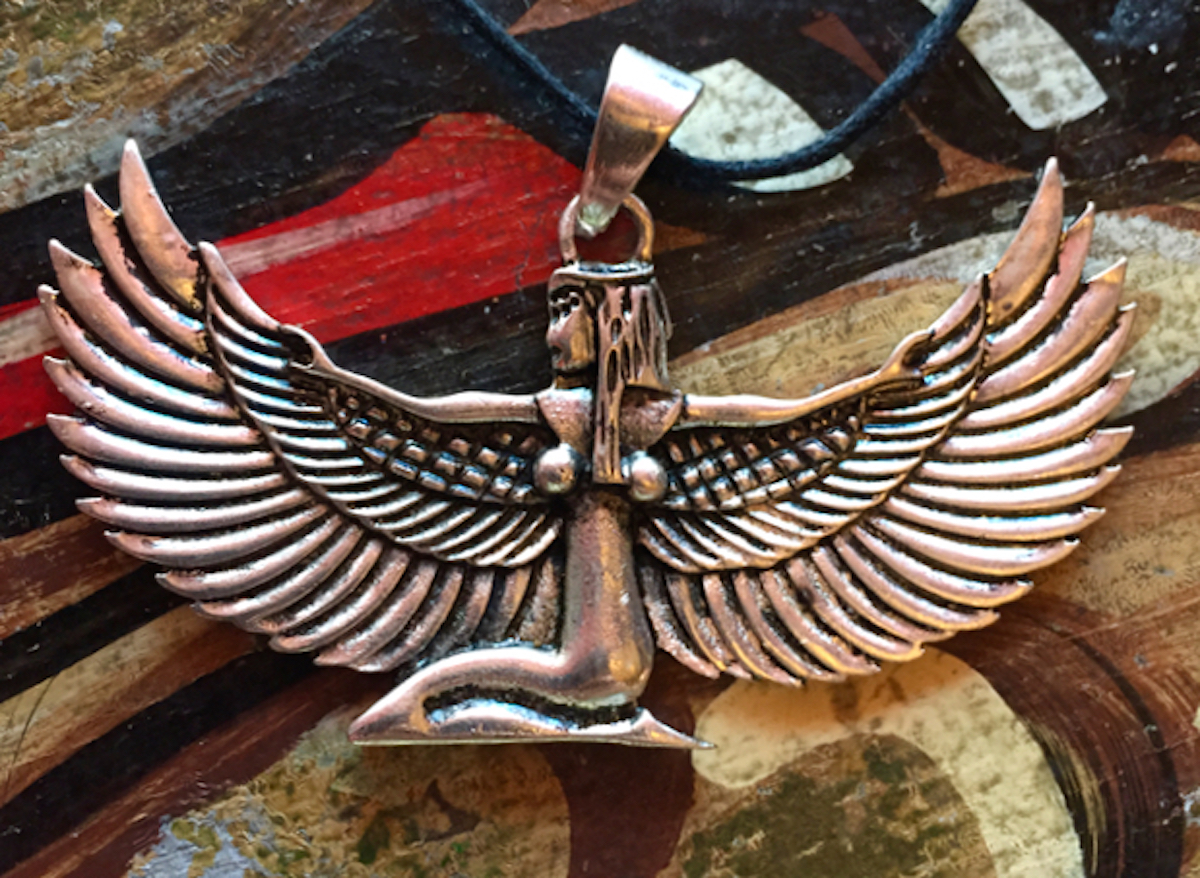
Pendant of the Ancient Egyptian goddess, Isis, found at Crystal Works in Austin, Texas. Photography: Nicolette Mallow.

A local gemstone within the city of Austin, Crystal Works is a distinct boutique filled with many treasures and ancient folklore from around the world. Stock full of Swarovski crystal prisms, gemstones, aromatherapy oils, pendants, sage, books and artwork: Crystal Works is a place of alchemy, magic, spirituality and healing. From the outside, before even setting foot inside, guests notice and admire lots of individual crystals on display; dangling from the tops of the windowsill in many different shapes and sizes. Adjacent to the crystals, also levitating inside the window are authentic dream catchers with feathers and rainbow maker mobiles. The term ‘rainbow maker’ is quite literal, meaning these special crystals radiate light the colors of the rainbow. Twirling gently and elegantly with the airflow, these crystals allure and tantalize the eyes by emitting rays of rainbow-colored light beams. Color and light are key elements at Crystal Works.

Upon entrance, the moment guests do cross the doorway; all the energy in the atmosphere transforms and everything becomes particularly peaceful and calm, like standing in a meditation room. Serene music plays in the background. And amidst the serene music, echoes from rock waterfalls can be heard as the water flows about in their stone pools. Tiny bells can be heard jingling softly, too, from dream catchers, charms and spirit bells.

There is no other shop in Austin quite like it, and even the air smells differently within this local alchemist haven. According to the founder and owner, Cathleen Day, “The wonderful smell of Crystal Works comes from our many organic scents. There are no chemicals or artificially scented products. The gemstone fossils and crystals are from all over the world and their colors wash over the eye, causing a delightful endorphin cascade. The ancient folklore ascribed to the stones is intriguing and connect us with beliefs and cultures thousands of years old.”

Alongside many of the gemstones, geodes and minerals are note cards to inform guests as to what each piece represents and the healing powers they’re said to possess. The ancient folklore behind all these stones is quite interesting and there are many books that entail clearer insight into each one. For instance, black onyx gemstones are thought to provide protection. Bloodstones are believed to attract peace, healing and compassion. Tiger’s eye is a warrior stone that brings balance, whereas Rose Quartz is a stone of unconditional love.

Crystal Works is completely filled to the brim with beautiful merchandise. Whether it’s looming from the ceiling, pinned to the wall or resting on the floor, there is no space left empty. It takes several visits to regard and absorb everything Crystal Works has to offer. Some of the more expensive items are locked away in glass cases. However, most of the items can be seen and touched. On the counter tops surrounding the register is unique, one-of-a-kind jewelry made from gems and minerals, separated by colors and stones: Red, blue, violet, green and onyx. Various kinds of cards can be found, too. Educational, scientific and holistic books are stacked in the corner. Additionally there are little Buddha shrines and mirrors scattered about the shop.

For nearly 40 years Crystal Works has been in operation. The store came to be in 1977 when Cathleen Day was “admiring the rainbows from a friends’ sparkling prism and it was decided right then she wanted to begin selling them”. Since then, the shop has flourished from only selling Swarovski crystal prisms to the extensive inventory that it’s become today.

Located on the corner of 12th and Lamar near Enfield, Crystal Works is open seven days a week. Please refer to the website or Yelp for hours of operation. For more information, please call 512-472-5597 or www.crystalworksaustin.com.

Note: This article was originally published on Examiner.com in September 2015. 

Screen Shot 2016-07-07 at 3.45.46 PM

The High Road on Dawson sponsors an event to raise funds for Austin musicians

11907841_883688045044098_8197043816108180522_o (1) copy

The High Road on Dawson will sponsor its first official Health Alliance for Austin Musicians (HAAM) fundraiser this upcoming Tuesday September 1, 2015. Hosting a local event that features a DJ, several bands to play live music, a full bar and limited baskets of snacks; their goal is to raise $2,500. This HAAM-related gathering at The High Road on Dawson welcomes all ages, children and adults, and it begins at 4:30 PM sharp and will last till approximately 10:00 PM.

“HAAM Benefit Day is a nationally recognized city-wide musical celebration that helps keep music in Austin alive and well. HAAM has helped over 4,000 musicians access over 52,000 healthcare appointments valued at over $30 million dollars since 2005. These include routine dental work, doctor visits and prescriptions, psychiatric counseling sessions, eye exams, out-patient procedures, specialist referrals, hearing screenings and more. Join others in attracting the national and local attention as well as giving your customers, clients and employees the satisfaction of knowing you are supporting the amazing musicians of Austin. This amazing day is made possible by the many businesses and volunteers that sign up to support HAAM. “

Happy hour, or in this case Hammy Hour at The High Road on Dawson, lasts from 4:30 to 6:00 PM. DJ Cole will spin records during this time. Afterward, listed in order of appearance is the line-up of bands including the following: Eve Monsees & Mike Buck, Jon Dee Graham & William Harries Graham, Mike Hall & Randy Franklin, Curtis McMurtry & Diana Burgess, Andrew DuPlantis, Bonnie Whitmore, Jaimee Harris, Christiane Swenson, Tech 12.

All guests are required to check-in before entering. There is no cover. Donations are accepted. Anyone 21 and up will be given a wristband in order to frequent the bars. Baskets of food entailing ham and cheese sandwiches, chips and a pickle cost $8 each. Parking is also readily available, but guests are also encouraged to utilize Uber or Lyft.

One of the many amiable traits regarding The High Road on Dawson is that their building is located at 700 Dawson off Barton Springs Road on the top of a hill overlooking a skyline view of downtown Austin. Showcasing many of the scenic beauties within the city of Austin, the views from their building are lovely and distinct. “The High Road on Dawson is a member-based, non-profit charity with over a century of tradition. Our organization encourages and provides opportunities for its members to support their local community with donations of funds, material goods, and volunteer service. The High Road on Dawson is a philanthropic association that cherishes fellowship among its members and promotes personal growth and leadership.”

An official flyer for their HAAM event on Tuesday, September 1, 2015 can also be found on their Facebook page. For more information regarding The High Road on Dawson visit their website. All other inquires regarding the Health Alliance for Austin Musicians, donations or how to get involved, please refer to www.myhaam.org.

 Note: This article was originally published on Examiner.com in August 2015.

Screen Shot 2016-07-07 at 3.43.13 PM